






Dům U Bílého koníčka House
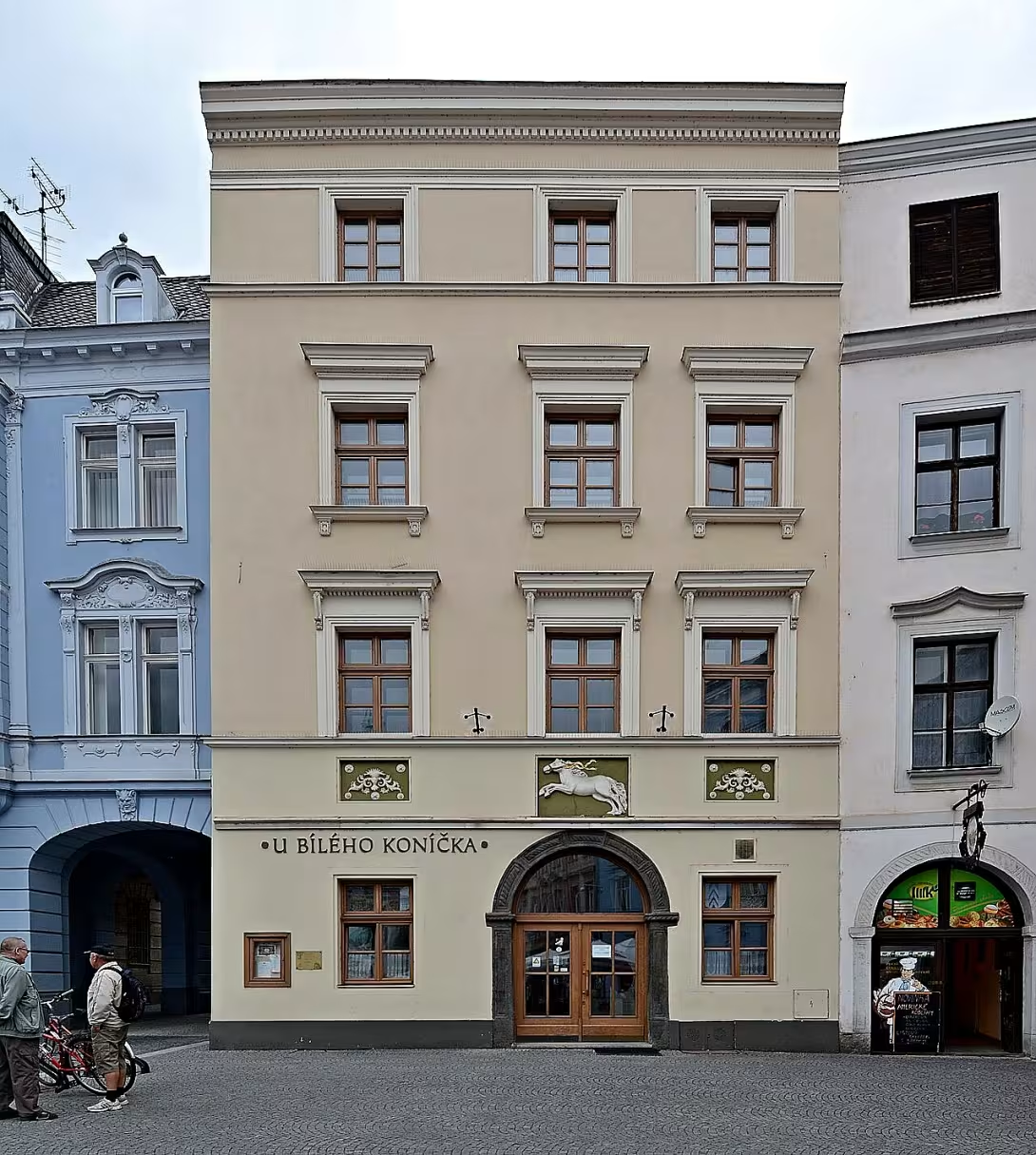
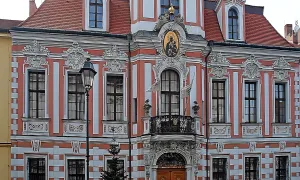
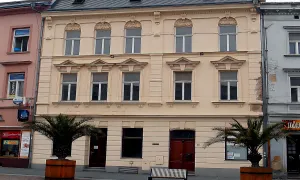
Dům U Bílého koníčka is a Renaissance two-storey building in the centre of Opava in Lower Square, which was created at the end of the 16th century as a replacement of original wooden houses. This building is protected as a cultural monument of the Czech Republic and represents a typical example of the then urban construction with preserved mazhaus. At the same time it is the only house in Opava on which the original home signs have been preserved.
At the end of the 16th century, the Renaissance and the flowering of urban construction were spread in Czech countries and Europe. The old wooden buildings were replaced by stone houses with modern elements. In the place of today's house there were originally wooden objects that gave way to today's Renaissance two-storey construction.
The architecture of this townhouse is a typical example of building production in the late 16th century. Part of the construction is the so-called mazhaus, which is decorated with stucco ribs and mirrors. During the reconstruction in the 19th century, the mazhaus were disturbed, but they had their restoration during the historical reconstruction in the 20th century. On the facade of the house there is a home sign in the form of a white horse. It gave the name of the whole building and the restaurant that is in its premises today.
In the Middle Ages, the ground floor of the house used to be used for craft and business activities and the owner was already active in the wine house. On the floor there were apartments that were usually used by rural nobles while staying in the city. The house was occupied by important people in the past. These included Eva Hostivařská z Kostelce, Panský ze Střežetic or Jakub Roden z Držkovic. In 1770, the building was transferred to the property of the Demel family. The latter mayor of Teschen Johann Demel, born in 1825, came from it. The property of the family remained the house until the 1930s.
World War II was a key event for the new history. After it was finished he won the house with wine and beer in the administration of Antonín Strolek. The winery at the White Hobby house worked until the 1970s when the premises were rebuilt into an ancient beer house. The editor of the Opava Weekly Jan Zacpal was also present at the beginning of his journalistic career. In 2005 the house underwent extensive reconstruction. The construction company received the 2005 Fasada Prize in the category of Reconstruction.
Today this historic building is located in the centre of Opava in the Lower Square. It serves its purpose as a restaurant that carries a name after a preserved home sign. The visit to this place offers a direct view of the unique Renaissance architecture of the city and reminds of the rich construction and social history of the town of Opava.
Then and now
Drag the slider to compare how the landmark may have looked when it was built with the view today.
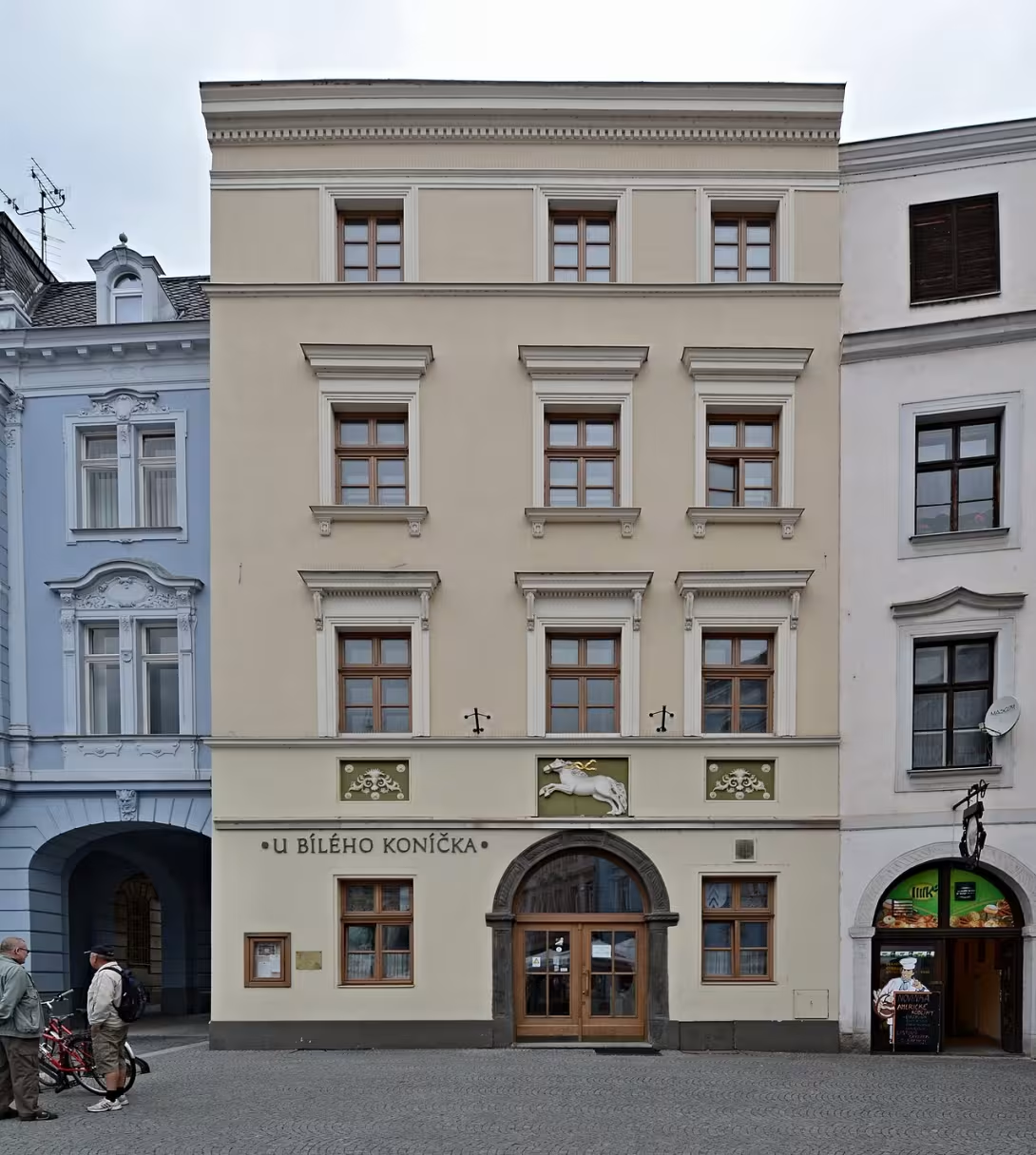
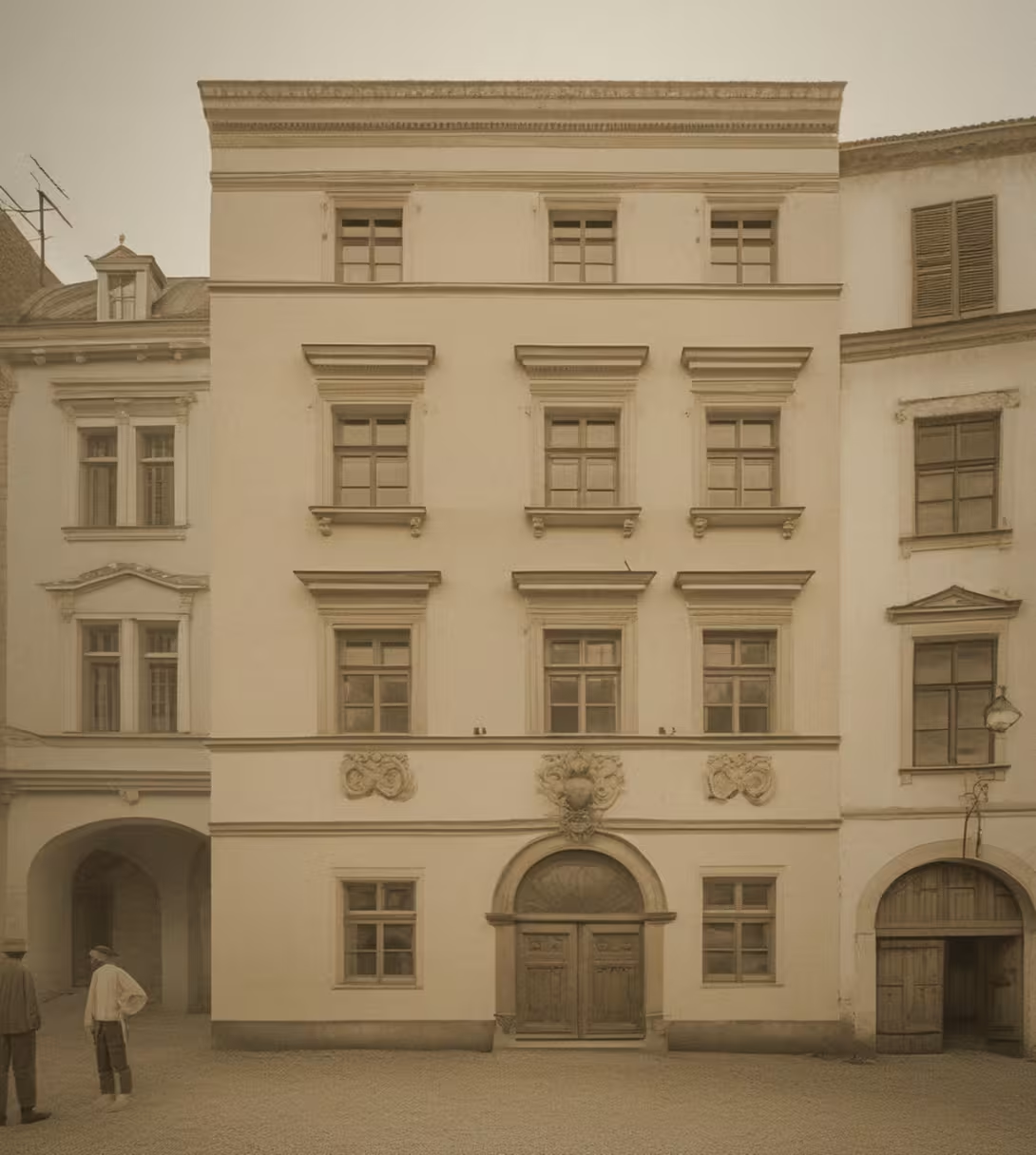
The historical appearance on the left is an AI-generated visualisation and serves as inspiration only.
Historical milestones
- 1770
- The building has gone into the property of the Demel family.
- 2005
- Reconstruction of the house for which the 2005 Facade Prize was awarded in the category Reconstruction.
Architectural development
The original wooden buildings were replaced by a two-storey Renaissance building with mazhaus. During the 19th century, the mazhauses were abolished, but in the 20th century they were restored during the historical reconstruction. Modern reconstruction of the facade took place in 2005.
Historical events
At the end of the 16th century construction of the Renaissance building, in 1770 the transition into the property of the Demel family, in 2005 extensive reconstruction.
Owners
From 1770 to the 1930s, the Demels' canvas family, after World War II, the administration of Antonín Shílky.
Points of interest
- The construction was created in the late 16th century in the Lower Square in the centre of Opava as a substitute for the original wooden houses. - It's the only house in Opava where the original home signs have been preserved. - There were apartments on the floor of the house in the past, which were usually used by rural nobles while staying in the city. - In 2005 the house underwent extensive reconstruction and the construction company received an award in the category of reconstruction.
Guide
Show guide text
This text was created by artificial intelligence and has not been editorially reviewed. It may contain inaccuracies.
Welcome to the historical center of Opava. Right now, you're standing in front of a remarkable Renaissance townhouse with a familiar name at the White Hobby. Raise your eyes and let the atmosphere of this place in the Lower Square take hold. The house before you is a silent witness to the centuries that shaped the face of the entire city. When you look at his facade, you see the elegance and strength of old construction that resisted the trials of time.
Let's go back to the end of the 16th century. In this period, the town square has undergone a great transformation. The original wooden houses, which used to stand here and were often exposed to fire hazards, had to be released instead of stronger stone and brick structures. That's when this house was built as a modern residence for wealthy townspeople. He became part of a new, safer and more representative city face.
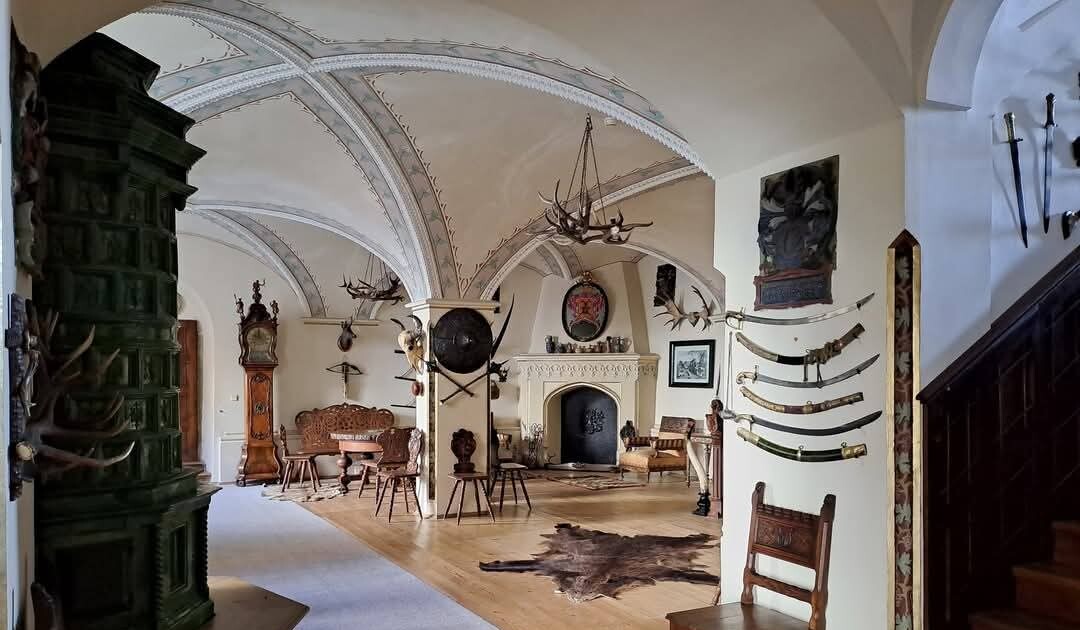
If you're looking at the building in more detail, focus your attention on its building elements. Although the creators of this work remained forgotten over the centuries, their work speaks for them. On the ground floor of the house there is an impressive mazhaus, the main hall which in the past served business purposes. When you examine its inner beauty, notice the wonderful details of the stucco ribs and mirrors on the ceiling. It is a typical and very valuable element of the construction industry at the time, which, fortunately, has been preserved until today as a reminder of the craftsmanship of our ancestors. In these ground areas, it used to be a lively ruckus, because there was a popular wine man, where people went to rest and talk.
Now take your thoughts upstairs. In the past, there were no ordinary living rooms. These areas on the floor were regularly used by rural nobles when they needed to have their facilities right in the centre of events during their stay in the city. Air and spacious halls provided the noble guests with the necessary comfort. Among those whose fates interconnected with this house were prominent personalities such as Eva Hostivařská z Kostelce, Panský ze Střežetic, Jakub Roden z Držkovic, Jan Zacpal or later Johann Demel. In seventeen hundred and seventy, the building was transferred to the property of the Demel family, which started another interesting chapter in its existence. The family of pickers brought a new life into the house and adapted it to its needs without losing its weight.
Stop for a moment at one of the most unique attractions you will not find elsewhere in Opava. Dům U Bílého koníčka is the only house in the whole city on which the original home signs have been preserved. It was these signs that used to serve instead of the numbers that describe people in the streets. When you imagine the excitement at that time when people were looking for a house by the symbol on the facade, you find yourself in a whole different world.
But the story of this house didn't end in deep history. He continued until the new millennium. In the year two thousand and five the building underwent a large and very demanding reconstruction. Experts and craftsmen have put a great deal of effort into bringing back ancient beauty in full force. Their work was even awarded the prestigious Fad of the Year award in the category of reconstruction. Today, this building is proudly protected as an important cultural monument of the Czech Republic and reminds us how important it is to take care of our heritage.
I believe you were intrigued by the tour of this special place. Now I invite you to explore the streets of Opava, discover other hidden corners and perceive the genius of the entire historical center. Thank you for your attention, so long for further wandering history.
Tips for visitors
For best experiences we recommend a visit during bright days, when morning light best highlights the Renaissance details of the building. At this time it is also the most peaceful in the area.
You can easily reach the monument by foot or public transport, which will take you directly to the city centre. If you arrive by car, take advantage of the parking option near the Lower Square, but we recommend you find them in advance.
Bring comfortable shoes suitable for walking on the city pavement. For photography are the best places right in the Lower Square, where the best view of the house is during daylight.
Families with children can enjoy a walk around the historical centre, which is interesting for small visitors. Within a short walk you can explore the Lower Square itself, which is right next to the monument.
Businesses nearby
Do you run a restaurant, accommodation, shop, museum, rental, wellness or other visitor service near this monument? Show yourself directly to the people heading to it — this is how they will see you in the app and on the web:
Events nearby
Zdroj akcí: otevřená data měst a obcí ČR (Národní katalog otevřených dat) a kalendář akcí Národního památkového ústavu.
Nearby
Dům se nachází v centru Opavy na Dolním náměstí.
Accommodation nearby
Themed route
1.Dům U Bílého koníčka Type: Main objective Why is it worth a visit: This historic house is located right in the heart of Opava in Lower Square and represents an important example of urban architecture. It's the perfect starting point for a tour of this ancient space.
2. Lower Square Type: Ambient area Why is it worth a visit: This whole central area surrounding the main destination offers a unique atmosphere of the historic heart of the city of Opava. Here you can admire the surrounding townhouses and perceive the excitement of local life right in the heart of the location.
Seasonal recommendations
Spring in the historical core of Opava awakens the White Hobby House to a new life. The surrounding streets and squares gradually awaken after cold months, the sun rays pleasantly irradiate a bright façade and spring green blooms in the surrounding areas. The atmosphere is calm and the air smells of awakening nature. During this period, you will not meet a large number of travelers, which allows a comfortable tour without pressurization. Put on a light jacket or coat, because spring wind bursts can be colder. The ideal time for a visit is in the morning, when the city is just beginning to live on its usual daily rhythm and the light is the most suitable for obtaining memorial pictures.
Summer months bring a lively and sunny atmosphere to Opava. Dům U Bílého koníčka in this major tourist season shines in full force under the clear sky and sharp noon sun creates interesting shadows on its historical details. Due to the warm weather and the holiday season, there are many more people on the streets. Plan your tour for early morning hours when temperatures are still pleasant and the city is almost empty. Choose light breathable clothes, headgear and remember to follow drinking mode. The afternoon heat calls for a rest in the shade of nearby parks, which provide welcome refreshments.
The autumn season brings a melancholy and mysterious mood to Silesia. The facade of the White Hobby House is very noble in the dry haze and under reduced visibility, with morning fog supplying the whole area with an ancient character. Leaves in adjacent parks turn colors into gold and rust. The crowds of tourists have left town completely, so you will enjoy the memory in complete peace. Get warm clothes for a walk, get waterproof shoes and windbreaker, because the weather is changing and it often rains. The best time to visit is around noon, when the fog will recede and the daylight will brighten the whole area for a short while.
Winter turns Opava into a fairy tale place. The Dům U Bílého koníčka stands in the freezing air under the snow cover, which dampens the sounds of the city and the evening lighting increases the festive character of the entire historical centre. In advent time and during the coldest months of the year, traffic is easier, but on weekends people are coming here for walks beyond the winter atmosphere. It is necessary to wear a quality winter coat, hat, glove and warm solid shoes. Due to the shorter days and earlier dimming, head out in the early afternoon, so that you can admire the details of the monument in broad daylight before darkness covers the city.
Visualizations and artistic views


The visualisations are generated by artificial intelligence and serve as inspiration.
Photos from the area
Real photos taken near the monument

Zdroj a licence jsou uvedeny u každého snímku.
Tips from visitors
No tips yet. Be the first!
Log in and add your tip.
Sources and literature
Photos: Gampe / CC BY-SA 3.0 — Wikimedia Commons. The author and licence also appear when you hover over the image.
Faktickým podkladem tohoto textu byl článek na Wikipedii, jehož autory jsou přispěvatelé Wikipedie. Článek je dostupný pod licencí CC BY-SA 4.0.
Location on the map

Příběhy a pověsti
Legendy, pověsti a příběhy spjaté s touto památkou
Fotografie návštěvníků
Zatím žádné fotografie. Buďte první, kdo přidá fotografii z návštěvy!
Log in a přidejte svou fotografii nebo hodnoťte.
Za ověřenou návštěvu v aplikaci získáte víc bodů — poznáme podle GPS, že jste na místě.
Reviews and comments