






Mariánský morový sloup Marian column
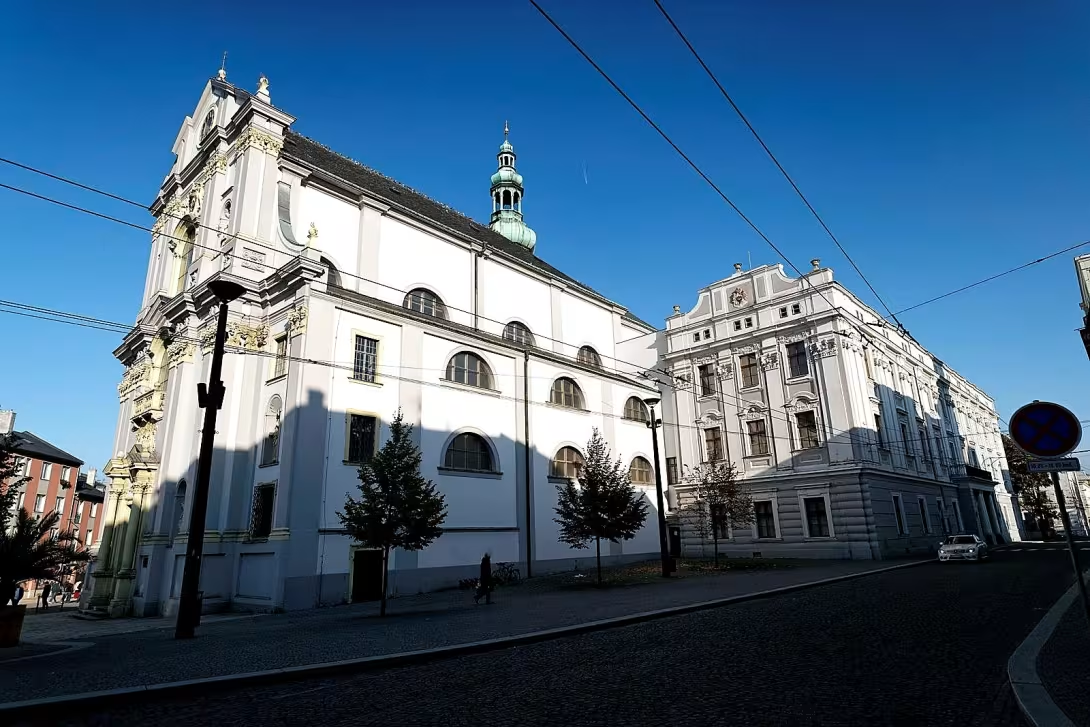
The Mariánský morový sloup in Opava is a Marian column carved from sandstone. It stands prominently before the Church of Saint Adalbert on Dolní náměstí. Constructed originally in 1675 by Count Jiří Štěpán, this monument was inspired by the Marian column Am Hof in Vienna and has been recognized as a cultural heritage site since 1964. Its historical significance lies in its representation of gratitude for deliverance from plagues, reflecting the religious sentiments of that era.
The Mariánský morový sloup dates back to the late 17th century when Bohemia was part of the Habsburg Monarchy. This period followed the Thirty Years' War and saw significant religious and political changes across Europe. Marian columns like this one were erected in Catholic regions as symbols of thanksgiving for being spared from plagues, highlighting their spiritual and communal importance.
Architecturally, the Mariánský morový sloup is a testament to the craftsmanship and artistic sensibilities of its time. Initially built in 1675, it was dismantled in 1825 due to extensive damage and subsequently reconstructed in 1869 using another Viennese model, Am Gaben, as inspiration. The column features intricate carvings on its base, including Marian symbols such as monograms and a heart pierced by a sword, along with inscriptions honoring the Virgin Mary and documenting the history of the monument's repairs and reconstructions.
Throughout its existence, the Mariánský morový sloup has undergone several phases of restoration. In 1997, it was comprehensively restored under the guidance of Olomouc restorer Ladislav Werkman. During this restoration, historical artifacts were discovered within the column: an original commemorative plaque from 1869 and a coin from 1860. These findings were carefully preserved, with copies placed back into the base alongside records of the 1997 restoration work.
Today, the Mariánský morový sloup stands as a significant cultural landmark in Opava. Its presence on Dolní náměstí adds to the historical ambiance of the area, which is rich with other monuments and sites of cultural interest. Visitors are drawn not only to its architectural beauty but also to its storied past, making it a worthwhile destination for those interested in history and art.
The Mariánský morový sloup offers a unique glimpse into the religious and artistic heritage of Opava. Its enduring presence serves as a reminder of the community's historical resilience and devotion. For anyone visiting Opava, this monument is an essential stop, providing insight into the past while standing as a testament to the skillful artistry of its creators.
Then and now
Drag the slider to compare how the landmark may have looked when it was built with the view today.
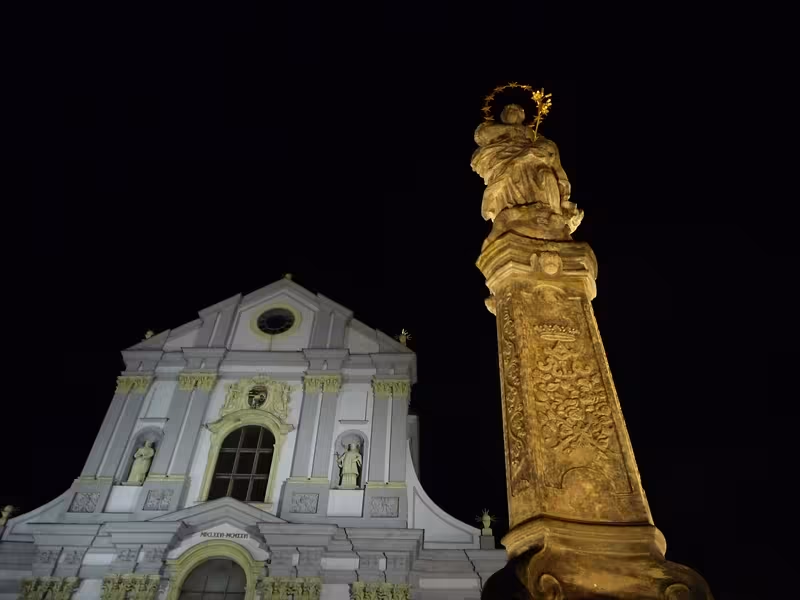
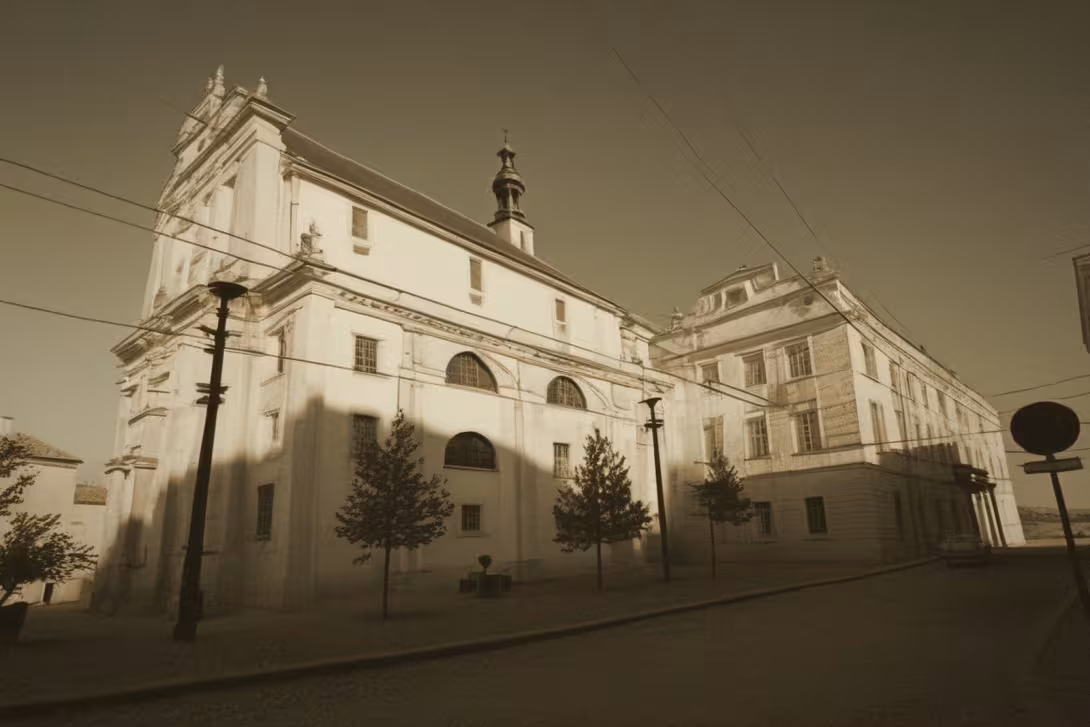
The historical appearance on the left is an AI-generated visualisation and serves as inspiration only.
Historical milestones
- 1675
- Built by Count Jiří Štěpán.
- 1825
- Original column dismantled due to damage.
- 1869
- Reconstructed based on a Viennese model.
- 1997
- Restored under Ladislav Werkman.
Architectural development
The Mariánský morový sloup has undergone several phases of construction and restoration. Initially built in 1675, it was dismantled in 1825 due to damage and reconstructed in 1869 using a different Viennese model as inspiration. The column features intricate carvings on its base, including Marian symbols and inscriptions. In 1997, it underwent comprehensive restoration, during which historical artifacts were discovered.
Historical events
1675: Built by Count Jiří Štěpán.
1825: Original column dismantled due to damage.
1869: Reconstructed based on a Viennese model.
1997: Restored under Ladislav Werkman.
Points of interest
- The Mariánský morový sloup was initially inspired by the Marian column Am Hof in Vienna, illustrating a cultural exchange between regions within the Habsburg Monarchy during the 17th century.
- Although originally constructed in 1675, the column had to be dismantled in 1825 due to damage and was later reconstructed in 1869 using designs from another Viennese model, Am Gaben, showcasing adaptive restoration practices over centuries.
- During a comprehensive restoration in 1997, historical artifacts were discovered within the monument's base, including an original commemorative plaque from 1869 and a coin from 1860, providing insights into its history and preservation efforts.
- The intricate carvings on the column's base feature Marian symbols such as monograms and a heart pierced by a sword, reflecting deep religious symbolism associated with the Virgin Mary during that era.
- Despite being recognized as a cultural heritage site since 1964, the Mariánský morový sloup has undergone multiple restorations, highlighting its importance to Opava's historical and artistic legacy.
Guide
This guide is narrated by a synthetic voice generated by artificial intelligence.
Show guide text
This text was created by artificial intelligence and has not been editorially reviewed. It may contain inaccuracies.
Welcome to the historic site of Mariánský morový sloup in Opava, a remarkable testament to cultural and religious history. As you stand here on Dolní náměstí, your eyes are drawn to the striking sandstone Marian column that rises majestically before the Church of Saint Adalbert. Its presence is both commanding and serene, inviting you into a story woven through centuries.
The origins of this Marian column date back to 1675 when it was commissioned by Count Jiří Štěpán. Inspired by the Marian column Am Hof in Vienna, its creation reflects a rich cultural exchange within the Habsburg Monarchy during the 17th century. The original structure, however, faced challenges; by 1825, extensive damage necessitated its dismantling. It was resurrected in 1869, this time drawing inspiration from another Viennese model, Am Gaben. Over the years, it has been a silent witness to history, enduring and evolving through restoration efforts like those in 1997 under Ladislav Werkman.
As you look closer, take note of the intricate carvings that adorn the column. Each detail tells part of its story, from symbolic religious motifs to elements reflecting its Viennese inspirations. The craftsmanship is a testament to the artisans' skill and dedication across different periods.
Key figures in this narrative include Count Jiří Štěpán, whose vision brought this monument into existence. His influence underscores the column's significance as not just an architectural feat but also a cultural bridge between regions.
One fascinating aspect of Mariánský morový sloup is its connection to Vienna through its inspirations—Am Hof and Am Gaben. This link highlights how art and architecture transcended borders, influencing styles and practices across the Habsburg territories.
As you continue your exploration, let yourself be drawn into the layers of history that surround this site. Each step here invites reflection on the past and appreciation for the continuity of cultural heritage. We encourage you to delve deeper into Opava's rich tapestry, discovering more stories and landmarks that await.
Thank you for joining us in celebrating Mariánský morový sloup—a symbol of resilience and artistic exchange. May your journey through Opava be filled with wonder and discovery. Safe travels as you continue to explore the beauty and history this city has to offer.
Businesses nearby
Do you run a restaurant, accommodation, shop, museum, rental, wellness or other visitor service near this monument? Show yourself directly to the people heading to it — this is how they will see you in the app and on the web:
Events nearby
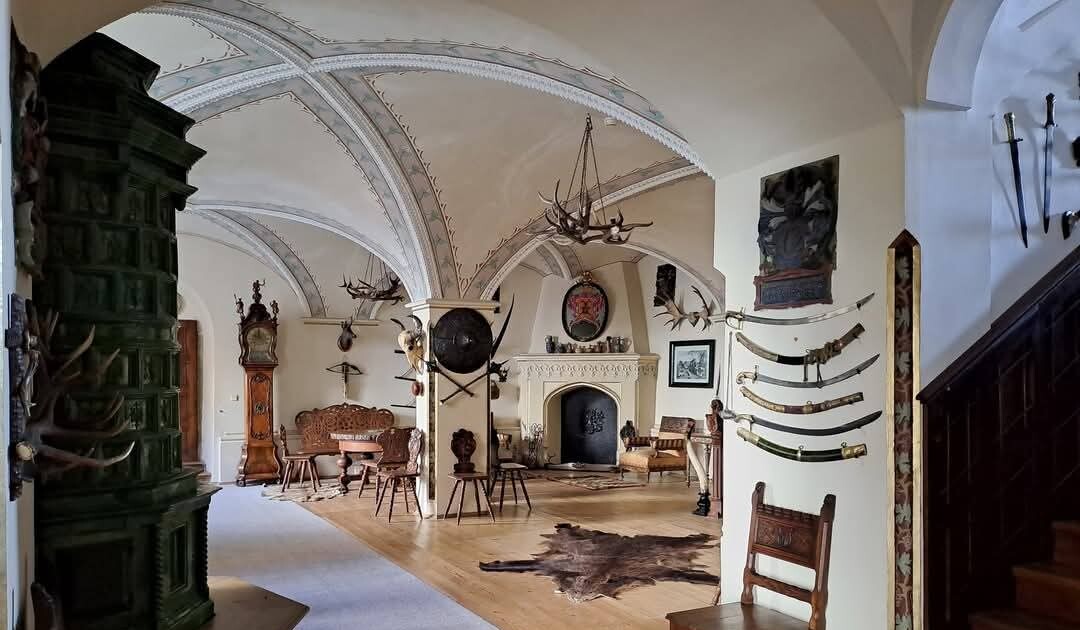
Zdroj akcí: otevřená data měst a obcí ČR (Národní katalog otevřených dat) a kalendář akcí Národního památkového ústavu.
Nearby
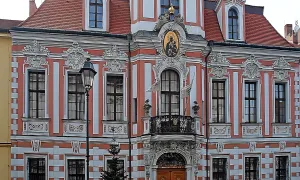
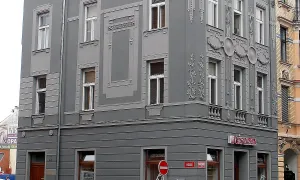
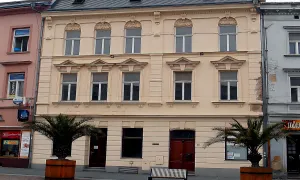
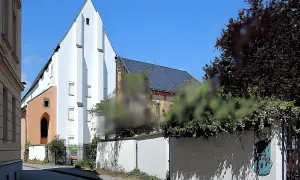
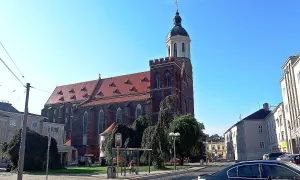
The Mariánský morový sloup stands in front of the Church of Saint Adalbert on Dolní náměstí in Opava. The area features historical architecture, including other significant monuments and cultural sites.
Accommodation nearby
Themed route
Tematická výletní trasa: Historické Dolní náměstí a Mariánský morový sloup
1. Mariánský morový sloup (mariánský sloup)
Typ: Historický sloup
Proč stojí za návštěvu: Tento impozantní sloup je významnou památkou na Dolním náměstí, symbolizující díkůvzdání za úlevu od morové rány. Jeho architektura a historický kontext přitahují milovníky historie a umění.
2. Kostel svatého Václava
Typ: Historický kostel
Proč stojí za návštěvu: Nacházející se nedaleko Mariánského morového sloupu, Kostel svatého Václava je významnou sakrální budovou s bohatou historií a architekturou. Jeho interiér nabízí pohled na klenuté stropy a umělecké prvky, které odrážejí duchovní dědictví oblasti.
3. Kostel svatého Vojtěcha (Svatováclavský kostel)
Typ: Historický kostel
Proč stojí za návštěvu: Tento kostel je nejstarším sakrálním objektem na Dolním náměstí. Jeho gotické prvky a historie, spojená s místními legendami a událostmi, činí z něj klíčový bod pro pochopení kulturního vývoje Opavy.
4. Dolní náměstí
Typ: Historické náměstí
Proč stojí za návštěvu: Srdcem historické části Opavy, Dolní náměstí nabízí pohled na různorodou architekturu a atmosféru minulých dob. Je to místo pro relaxaci a prohlídku, kde se setkávají historie a současnost.
5. Kostel svatého Bartoloměje
Typ: Historický kostel
Proč stojí za návštěvu: Nacházející se v blízkosti Dolního náměstí, Kostel svatého Bartoloměje je dalším přitažlivým historickým objektem. Jeho architektonické prvky a duchovní význam přispívají k bohatému kulturnímu mozaiku oblasti.
Tato trasa nabízí návštěvníkům pohled na historickou architekturu a duchovní dědictví Opavy, s Mariánským morovým sloupem jako centrálním bodem.
Seasonal recommendations
Spring: Visiting Mariánský morový sloup during spring offers a unique experience as nature begins to awaken around the historic monument. The surrounding landscape is adorned with blooming flowers and fresh greenery, creating a vibrant atmosphere that enhances the site's historical charm. As daylight hours increase, visitors can enjoy longer exploration times under soft sunlight, which beautifully illuminates the intricate details of the column. However, spring weather can be unpredictable, so it’s advisable to dress in layers. This allows for adjustments as temperatures fluctuate throughout the day. While spring is generally a quieter time compared to summer, occasional local events may draw small crowds, offering an opportunity to experience cultural festivities without overwhelming numbers.
Summer: Summer at Mariánský morový sloup provides long days filled with warm sunlight that highlights the monument's features and enhances its architectural beauty. The lush greenery around the site is at its peak, making it a picturesque setting for visitors seeking both historical insight and natural beauty. However, summer also brings larger crowds due to school holidays and popular tourism periods, so arriving early in the day can help avoid the busiest times. Comfortable walking shoes are recommended as exploring the area may involve some hiking on uneven paths. Light, breathable clothing is essential to stay cool under the sun, and carrying water is crucial for hydration during your visit.
Autumn: Autumn offers a serene and colorful backdrop at Mariánský morový sloup, with the changing leaves providing a stunning contrast against the historic structure. The cooler temperatures make it an ideal time to explore without the summer heat, allowing visitors to appreciate the site's details more comfortably. As daylight begins to shorten, planning your visit during midday ensures you have ample light for photography and exploration. This season is less crowded than summer, providing a quieter experience while still enjoying occasional local events that celebrate the harvest or cultural heritage. Layered clothing is recommended to adapt to varying temperatures throughout the day.
Winter: Winter transforms Mariánský morový sloup into a picturesque scene with snow-covered surroundings and festive lighting that accentuates its historical significance. The cooler weather brings fewer visitors, offering a peaceful atmosphere for those who appreciate solitude in their travels. However, shorter daylight hours mean planning your visit carefully to make the most of the available light, often necessitating an earlier start to fully enjoy the site. Warm clothing is essential, including hats and gloves, as temperatures can drop significantly. It's also important to check opening times, as some facilities may have reduced hours during the winter months.
Visualizations and artistic views


The visualisations are generated by artificial intelligence and serve as inspiration.
Photos from the area
Real photos taken near the monument


Zdroj a licence jsou uvedeny u každého snímku.
Tips from visitors
No tips yet. Be the first!
Log in and add your tip.
Sources and literature
Photos: Mols1950 / CC BY-SA 3.0 — Wikimedia Commons. The author and licence also appear when you hover over the image.
Faktickým podkladem tohoto textu byl článek na Wikipedii, jehož autory jsou přispěvatelé Wikipedie. Článek je dostupný pod licencí CC BY-SA 4.0.
Location on the map

Příběhy a pověsti
Legendy, pověsti a příběhy spjaté s touto památkou

Fotografie návštěvníků
Zatím žádné fotografie. Buďte první, kdo přidá fotografii z návštěvy!
Log in a přidejte svou fotografii nebo hodnoťte.
Za ověřenou návštěvu v aplikaci získáte víc bodů — poznáme podle GPS, že jste na místě.
Reviews and comments