






Sobkův palác City palace
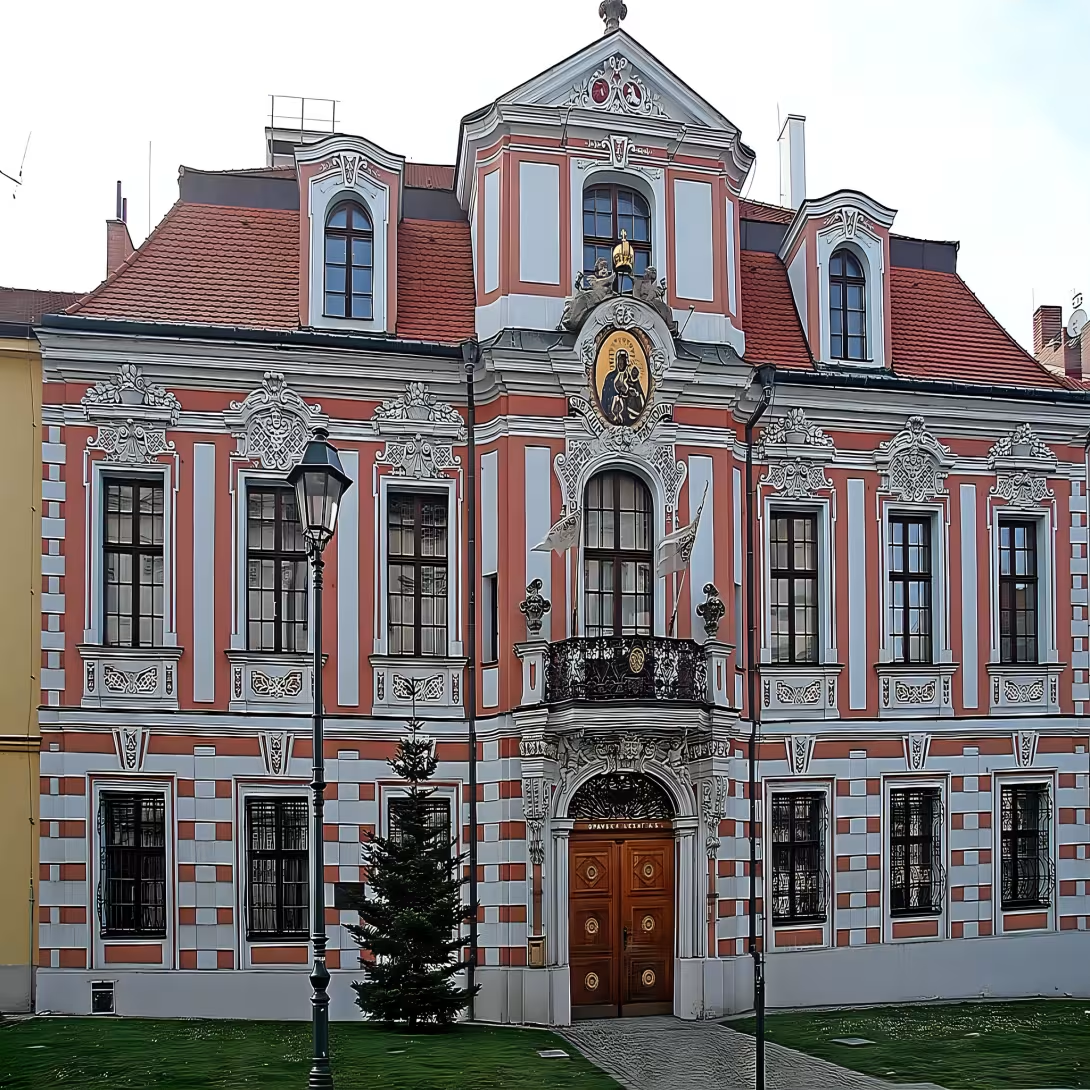
Sobkův Palác stands as a distinguished example of late Baroque architecture in the heart of Opava at Masarykova třída. Constructed initially in 1730 by Karel Josef Ragojský z Rohožníku, it was later reconstructed after a fire in 1758 under Maxmilián Jindřich Sobek z Kornic's guidance. This city palace is notable for its historical significance and architectural elegance. The name honors Maxmilián Jindřich Sobek, an influential figure who played a pivotal role as the Silesian regional president.
The origins of Sobkův Palác date back to the early 18th century when Karel Josef Ragojský commissioned its construction on what was then Panská ulice, now Masarykova třída. This location replaced three older structures and symbolized the local nobility's feudal ambitions within Silesia's capital. The reconstruction following the 1758 fire, led by Maxmilián Jindřich Sobek’s son Cajetan, refined its architectural features to align with Baroque grandeur.
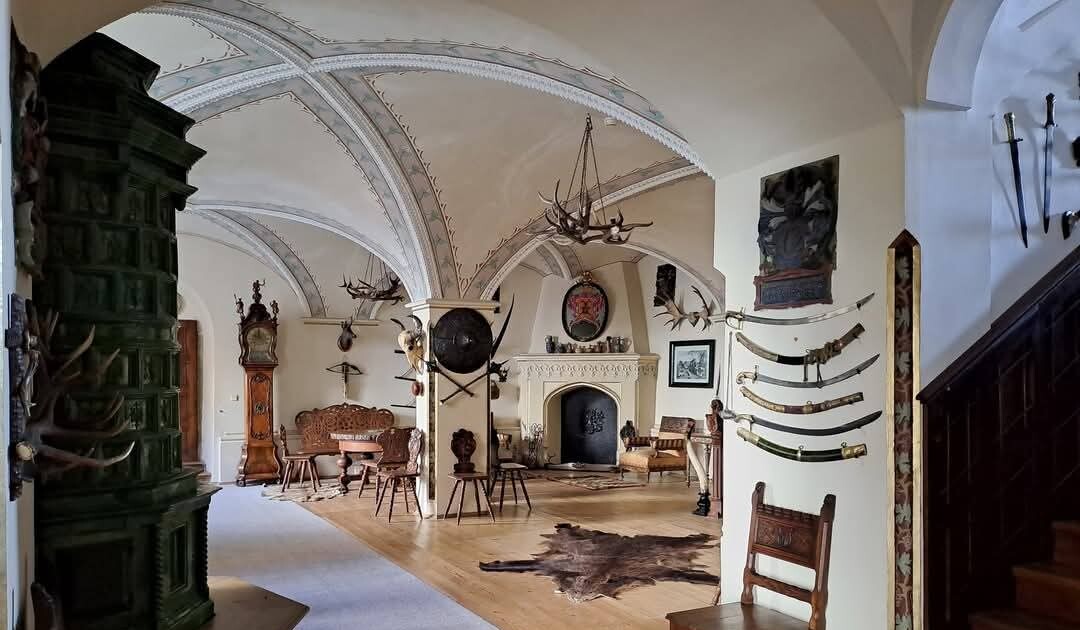
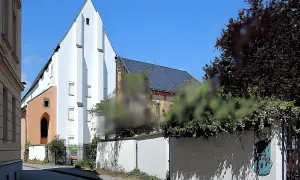
Architecturally, Sobkův Palác is characterized by a two-story front risalit and a mansard roof capped with a triangular pediment. The façade boasts ornamental grilles, floral window patterns, and an image of the Black Madonna above the main entrance—hallmarks of Baroque artistry. Inside, visitors can still admire the original baroque vaults preserved over centuries.
Ownership has transitioned through notable historical figures. Initially built by Karel Josef Ragojský, it later became associated with Maxmilián Jindřich Sobek z Kornic, whose influence extended beyond architecture to significant political roles within the region. Today, the building houses several private enterprises under Ing. Jindřich Grosser's administration, including Opavská lesní a.s. and STISK spol. s.r.o., which publishes the Region Opavsko weekly.
While Sobkův Palác has witnessed various historical events, its most significant transformation occurred post-1758 when it was reconstructed to recover from fire damage. This period marked enhancements of both exterior and interior features, reflecting architectural tastes and technological advancements of that era.
Currently, Sobkův Palác is not accessible to the general public due to private ownership. However, its historical significance and architectural beauty make it a compelling site for those interested in exploring Opava's rich cultural heritage. The palace remains an emblematic structure within the city’s central area, surrounded by other historical buildings that contribute to the region's allure.
Sobkův Palác stands as a testament to the artistic and political aspirations of its era, offering insights into Baroque architectural grandeur. Its preservation and continued use underscore its enduring value to Opava's cultural landscape, inviting visitors to appreciate its historical significance from afar.
Then and now
Drag the slider to compare how the landmark may have looked when it was built with the view today.
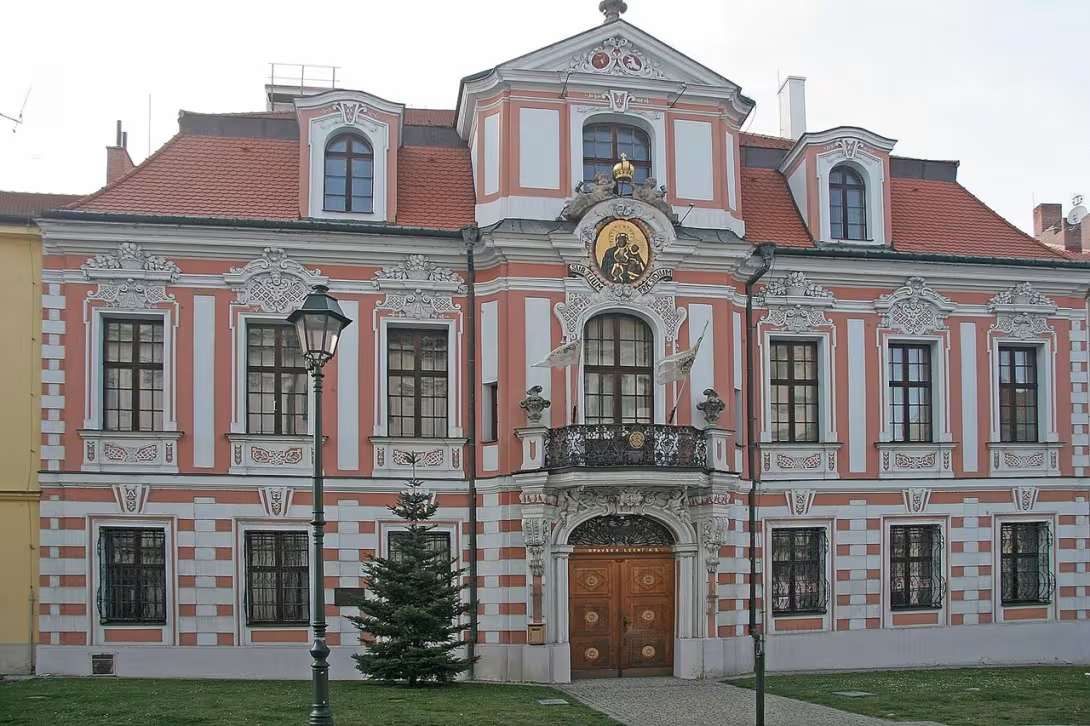
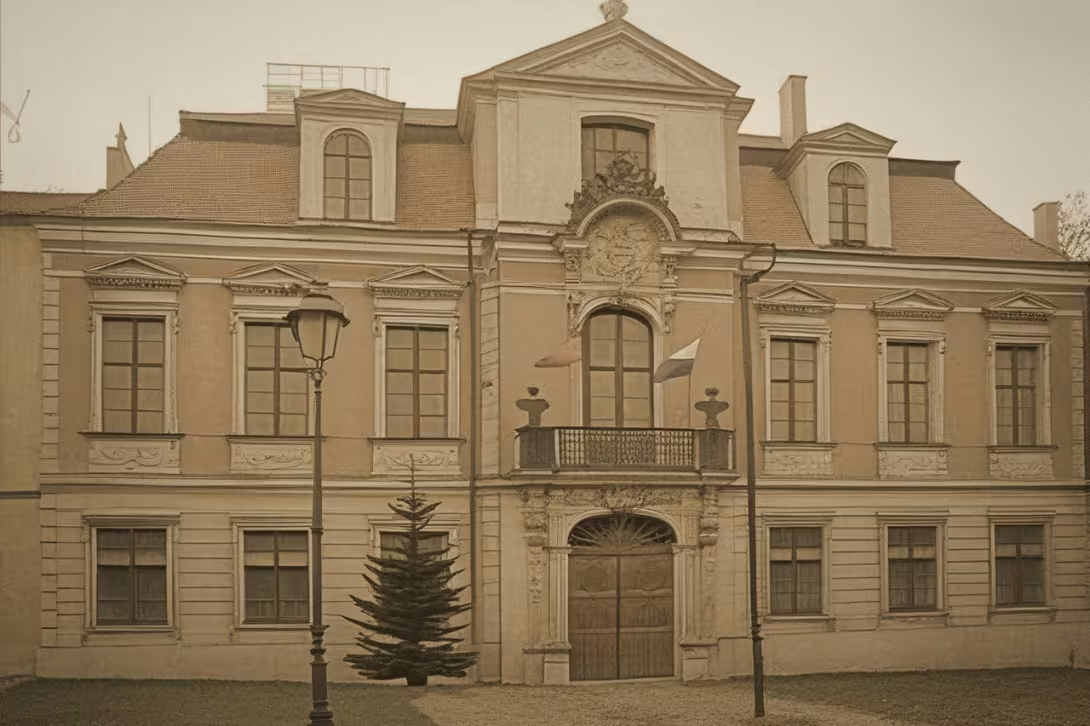
The historical appearance on the left is an AI-generated visualisation and serves as inspiration only.
Historical milestones
- 1730
- Construction of the palace by Karel Josef Ragojský z Rohožníku.
- 1758
- Reconstruction following a fire, led by Maxmilián Jindřich Sobek's son Cajetan.
Architectural development
Sobkův palác was initially constructed in the early 18th century, showcasing Baroque architectural elements. After suffering damage from a fire in 1758, it underwent significant reconstruction under Maxmilián Jindřich Sobek's direction, which included enhancements to its façade and interior features.
Historical events
Construction completed in 1730 by Karel Josef Ragojský.
Reconstruction after a fire in 1758 under Maxmilián Jindřich Sobek.
Owners
Karel Josef Ragojský z Rohožníku (1730)
Maxmilián Jindřich Sobek z Kornic (post-1758)
Points of interest
- Despite its Baroque elegance, Sobkův Palác was initially built on the site of three older structures, symbolizing a shift from medieval to modern architectural ambitions in Opava.
- The reconstruction after the 1758 fire introduced enhancements that aligned with contemporary Baroque styles but also incorporated technological advancements of the era, such as improved structural integrity and design refinements.
- Maxmilián Jindřich Sobek z Kornic, for whom the palace is named, was not only an architect but also a significant political figure, serving as the Silesian regional president, which underscores the intersection of architecture and politics in his life.
- The façade's ornamental grilles and floral window patterns are typical Baroque elements, yet the inclusion of the Black Madonna image above the main entrance is a unique feature that ties the building to local religious iconography.
- Today, Sobkův Palác houses private enterprises like Opavská lesní a.s. and STISK spol. s.r.o., reflecting its transition from a symbol of noble power to a modern commercial hub while still maintaining its historical essence.
Guide
This guide is narrated by a synthetic voice generated by artificial intelligence.
Show guide text
This text was created by artificial intelligence and has not been editorially reviewed. It may contain inaccuracies.
Welcome to Sobkův palác, a splendid testament to the architectural grandeur of Opava. As you stand here on Masarykova třída, take a moment to absorb the elegance that unfolds before your eyes. This historic building, with its refined late Baroque style, is not just an edifice but a narrative woven into the very fabric of this city.
The story of Sobkův palác begins in 1730 when Karel Josef Ragojský z Rohožníku laid its foundation stones. Initially built to showcase modern architectural ambitions over medieval structures that once stood here, it symbolized a transformative era for Opava. However, the journey of this palace is marked by resilience; following a devastating fire in 1758, Maxmilián Jindřich Sobek's son, Cajetan, undertook its reconstruction. This effort not only restored the palác but also enhanced its features to align with contemporary Baroque styles.
As you gaze upon the building now, notice the two-story front risalit that rises majestically above the street. The mansard roof and triangular pediment add a touch of sophistication, while the façade's Baroque details invite admiration. These elements are not just decorative but narrate the evolution of architectural tastes over time.
Sobkův palác is also intertwined with historical figures who left their mark on its legacy. Maxmilián Jindřich Sobek z Kornic played a pivotal role in its history, ensuring that the palace stood as a symbol of cultural and architectural advancement. His influence is palpable even today, as you explore this historic site.
One fascinating aspect of Sobkův palác is its layered history. Built on the remnants of three older structures, it represents a shift from medieval to modern, encapsulating centuries of change within its walls. This transformation speaks volumes about Opava's journey through time and the architectural ambitions that have shaped its identity.
As you continue your exploration, let the atmosphere envelop you, and imagine the stories these walls could tell if they had voices. Sobkův palác is not just a building; it's a living chronicle of history, artistry, and human endeavor.
Thank you for joining us on this journey through time at Sobkův palác. We invite you to delve deeper into its history and perhaps uncover more secrets hidden within its elegant façade. Until next time, may your curiosity continue to lead you to new discoveries.
Businesses nearby
Do you run a restaurant, accommodation, shop, museum, rental, wellness or other visitor service near this monument? Show yourself directly to the people heading to it — this is how they will see you in the app and on the web:
Events nearby
Zdroj akcí: otevřená data měst a obcí ČR (Národní katalog otevřených dat) a kalendář akcí Národního památkového ústavu.
Nearby
Sobkův palác is situated in the central area of Opava, surrounded by other historical buildings. The city itself offers various cultural sites and natural landscapes within a short distance.
Accommodation nearby
Themed route
Tematická výletní trasa: Historická Opava
1. Sobkův palác (Městský palác)
Typ: Historický městský palác
Proč stojí za návštěvu: Sobkův palác, nacházející se v centru Opavy, je jedním z nejvýznamnějších historických budov ve městě. Tento barokní palác byl postaven na počátku 18. století a sloužil jako sídlo opavského knížete. Jeho architektura, bohaté interiéry a historický význam představují neocenitelný přínos k pochopení minulosti Opavy.
2. Kostel svatého Jakuba (Katedrála)
Typ: Historická církevní stavba
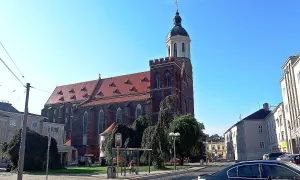
Proč stojí za návštěvu: Katedrála svatého Jakuba, nacházející se nedaleko Sobkova paláce, je významnou gotickou budovou z 14. až 15. století. Její impresivní architektura a bohatství historických detailů přitahují návštěvníky, kteří se zajímají o duchovní i kulturní dědictví města.
3. Pomník Františku Palackému
Typ: Historický památník
Proč stojí za návštěvu: Tento pomník, nacházející se v centru Opavy, oslavuje život a dílo Františka Palackého, jednoho z nejvýznamnějších českých historiků. Jeho postava představuje klíčovou součást národního obrození a je symbolem místní historické vědomosti.
4. Staroměstské náměstí
Typ: Historické veřejné prostranství
Proč stojí za návštěvu: Staroměstské náměstí je srdcem historického jádra Opavy. Toto místo nabízí pohled na starobylou architekturu a je svědkem mnoha dějin, které formovaly město. Je ideálním místem pro relaxaci a prohlížení dalších památek v okolí.
5. Opavský zámek
Typ: Historický zámek
Proč stojí za návštěvu: I když je mírně mimo centrum, Opavský zámek je důležitou historickou památkou ve městě. Jeho výhledy a architektonické prvky představují fascinující kapitolu opavských letopisů, které se těší na objevení návštěvníky zainteresovanými o historii a kulturu regionu.
Seasonal recommendations
Spring: Visiting Sobek's Palace during spring offers a delightful experience as the surrounding gardens begin to bloom, creating a picturesque setting with vibrant colors and fresh scents. The mild weather allows for comfortable exploration of both indoor exhibits and outdoor areas, making it an ideal time to appreciate the palace's architecture against the backdrop of nature coming back to life. While the early hours are generally less crowded, visitors should still consider arriving earlier in the day to fully enjoy the site without the midday rush. Light layers are recommended due to fluctuating temperatures, ensuring comfort throughout your visit.
Summer: The summer months bring a lively atmosphere to Sobek's Palace with longer daylight hours and warm weather perfect for exploring both the palace interiors and its lush gardens. This is the peak tourist season, so expect larger crowds, especially on weekends and holidays. To avoid long waits, it’s advisable to arrive early in the morning or consider visiting during weekdays when visitor numbers are typically lower. Comfortable walking shoes and light clothing are recommended, along with sun protection such as hats and sunscreen, to make the most of your visit under the bright summer skies.
Autumn: Autumn provides a unique charm at Sobek's Palace, as the changing leaves create a stunning backdrop that enhances the historic architecture. The cooler temperatures make it an ideal time for leisurely strolls through the gardens, which are particularly beautiful with their rich fall colors. Visitor numbers tend to decrease compared to summer, offering a more relaxed experience. During this season, layering is key; bring a warm jacket or sweater as mornings and evenings can be quite chilly, even if daytime temperatures remain mild.
Winter: Winter transforms Sobek's Palace into a serene winter wonderland, with the possibility of snow adding an enchanting touch to its historic surroundings. The shorter days mean that visiting hours are more limited, so planning ahead is essential. While visitor numbers dwindle during this time, offering a quieter experience, it’s important to dress warmly in layers and wear waterproof boots if there's snow or ice. The indoor areas of the palace provide a cozy escape from the cold, making it an ideal time for those who appreciate history amidst a tranquil winter setting.
Visualizations and artistic views


The visualisations are generated by artificial intelligence and serve as inspiration.
Photos from the area
Real photos taken near the monument


Zdroj a licence jsou uvedeny u každého snímku.
Tips from visitors
No tips yet. Be the first!
Log in and add your tip.
Sources and literature
Photos: Prazak / CC BY 2.5, rozlišení zvýšeno umělou inteligencí — Wikimedia Commons. The author and licence also appear when you hover over the image.
Faktickým podkladem tohoto textu byl článek na Wikipedii, jehož autory jsou přispěvatelé Wikipedie. Článek je dostupný pod licencí CC BY-SA 4.0.
Location on the map

Příběhy a pověsti
Legendy, pověsti a příběhy spjaté s touto památkou
Fotografie návštěvníků
Zatím žádné fotografie. Buďte první, kdo přidá fotografii z návštěvy!
Log in a přidejte svou fotografii nebo hodnoťte.
Za ověřenou návštěvu v aplikaci získáte víc bodů — poznáme podle GPS, že jste na místě.
Reviews and comments