






Holubí 2 Tenement house
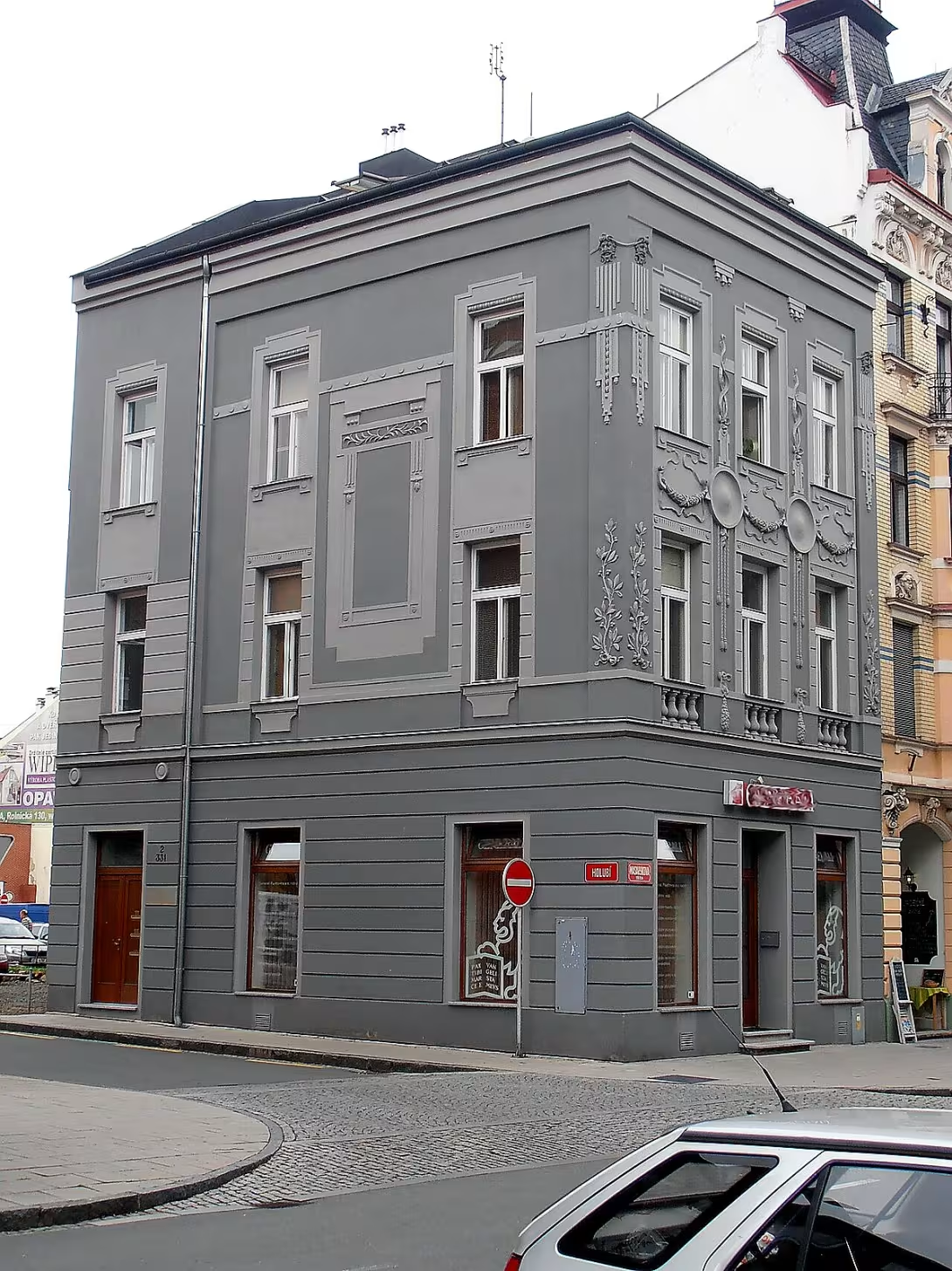
The Městský dům Tomáše a Barbory Svanovských at Holubí 2 in Opava-Město is an important tenement house built in 1903. It features ornate Secession-style architecture, blending historicizing elements with naturalistic decorations. Situated on its original medieval plot, which has historical mentions dating back to the 17th century, it has been under heritage protection since May 3, 1958. The building is significant not only as an architectural piece but also for reflecting cultural and artistic movements in the Czech lands during the early 20th century.
Constructed during a period of national revival and modernization in the Czech regions, this era saw the rise of the Secession style, which moved away from traditional forms towards innovative expressions. Built by Tomáš and Barbora Svanovský, the house exemplifies these broader trends. Its location on an original medieval plot enhances its historical importance.
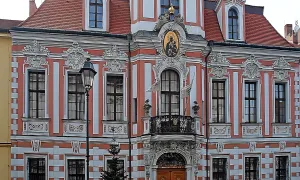
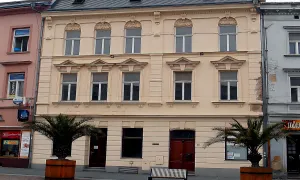
Architecturally, it is a fine example of early 20th-century design that merges Secession style with historicizing elements and naturalistic decorations. The building has an ornate three-bay facade facing Masarykova třída and a mansard roof, with the entrance on Holubí ulice. Originally, the ground floor was for commercial use, while two upper floors housed separate residential units accessible via a horseshoe staircase. During World War II, it sustained damage, leading to changes in its interior layout.
Ownership has remained consistent since its construction by Tomáš and Barbora Svanovský. Its designation as a protected heritage site on May 3, 1958, underscores its cultural importance and ensures preservation for future generations. This status reflects both its architectural value and role in Opava-Město's historical narrative.
The tenement has witnessed significant events, notably damage during World War II that necessitated interior changes. Despite these alterations, it remains a testament to the architectural trends and cultural shifts of its time. Its heritage protection highlights its importance as part of Opava-Město's historical fabric.
Today, the Městský dům Tomáše a Barbory Svanovských stands as an accessible monument offering insights into early 20th-century architecture and the cultural milieu of the Czech lands. Its well-preserved Secession style facade and historic significance make it a worthwhile visit for those interested in architectural history or exploring Opava-Město's rich heritage.
The Městský dům Tomáše a Barbory Svanovských is more than an architectural landmark; it is a window into the past, reflecting artistic and cultural currents of its time. Its preservation as a protected heritage site ensures future generations can appreciate its historical value. Visitors are invited to explore this remarkable tenement house where history and architecture converge uniquely and enduringly.
Then and now
Drag the slider to compare how the landmark may have looked when it was built with the view today.
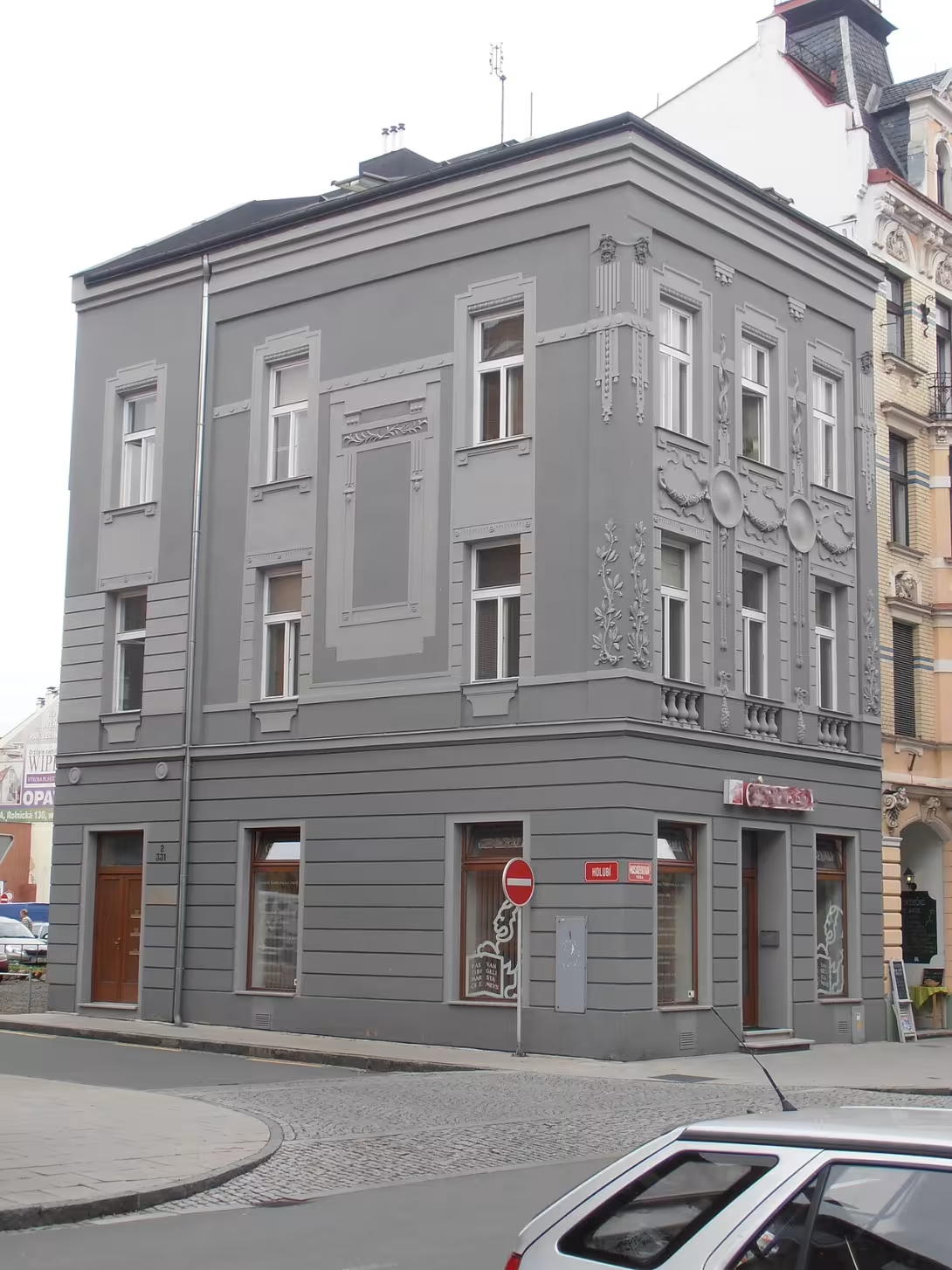
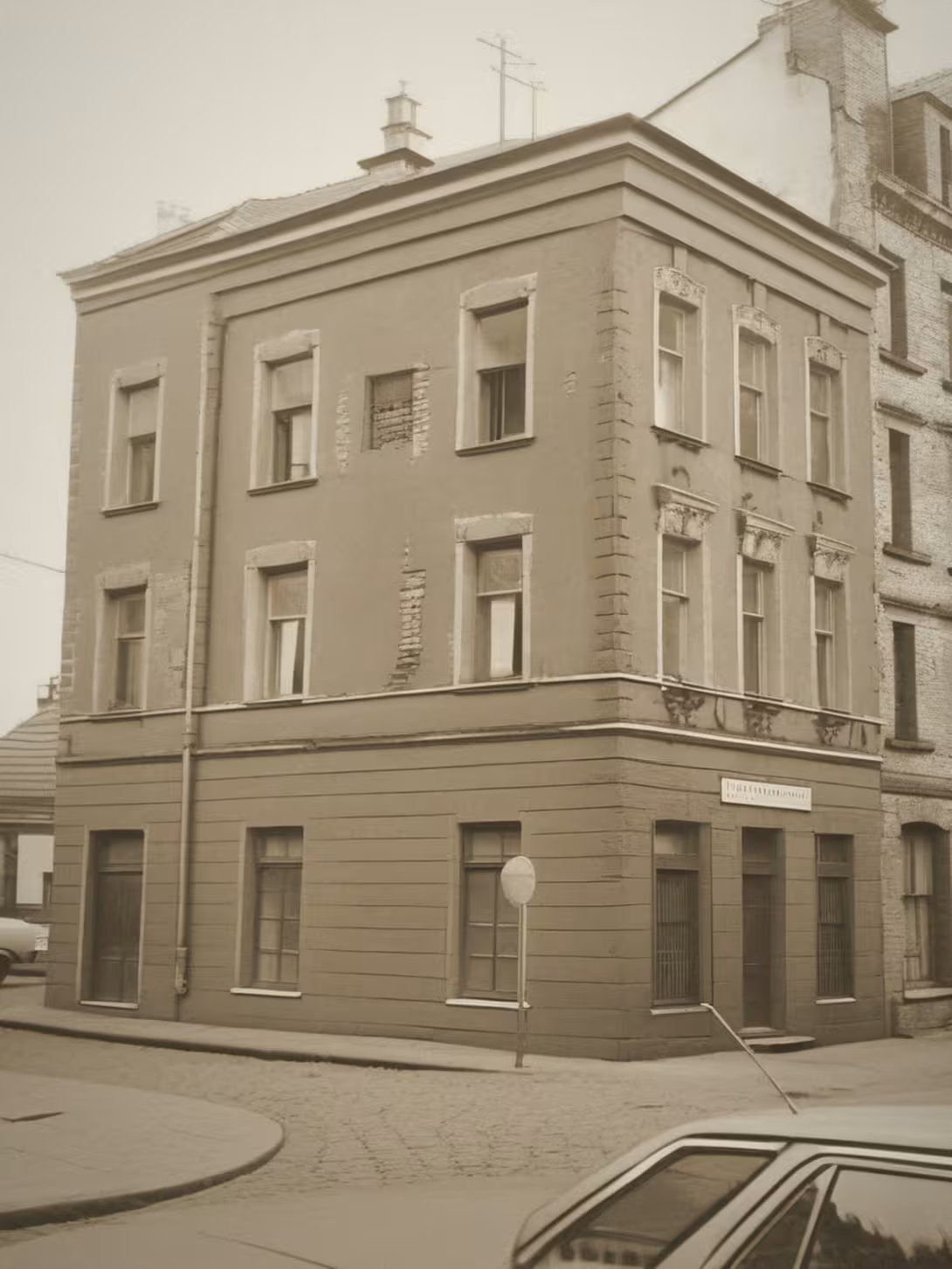
The historical appearance on the left is an AI-generated visualisation and serves as inspiration only.
Historical milestones
- 1903
- Construction of the tenement house.
- 1958
- The building became a protected heritage site.
Architectural development
Constructed in the early 20th century, this tenement combines Secession style with historicizing elements. The building was damaged during World War II, leading to changes in its interior layout.
Historical events
The house was constructed in 1903 by Tomáš and Barbora Svanovský.
It has been under heritage protection since May 3, 1958.
Guide
This guide is narrated by a synthetic voice generated by artificial intelligence.
Show guide text
This text was created by artificial intelligence and has not been editorially reviewed. It may contain inaccuracies.
Welcome to Holubí 2 in Opava-Město, a remarkable tenement house with a storied past and architectural charm. As you stand here, take a moment to appreciate the ornate three-bay facade facing Masarykova třída. The elegant lines of the building, crowned by its distinctive mansard roof, draw your eye towards Holubí ulice where the entrance beckons.
This tenement house was constructed in 1903 for Tomáš and Barbora Svanovský, marking a significant addition to the urban landscape at that time. Although the architects remain unknown, their vision is evident in the harmonious blend of styles present here. Observe how elements of the Secession style are interwoven with historicizing motifs and naturalistic decorations—a testament to the architectural trends of the early 20th century.
As you explore further, notice the ground level designed for commercial use, a common feature in buildings from this era that supported vibrant community life. The building's interior underwent changes during World War II due to damage sustained, reflecting how global events can leave lasting impacts on local architecture and history.
The plot where Holubí 2 stands has historical mentions dating back to the 17th century, underscoring its long-standing significance in Opava-Město’s urban fabric. Imagine the stories this site could tell, from centuries of change to its designation as a protected heritage site in 1958—a recognition that ensures its preservation for future generations.
As we conclude our brief exploration, I invite you to continue discovering the rich tapestry of history and architecture surrounding us. Each corner holds tales waiting to be uncovered. Thank you for joining me on this journey through time at Holubí 2. Enjoy the rest of your visit!
Tips for visitors
The best time to visit the Holubí 2 tenement house is during late spring or early fall, when the weather is pleasant for walking around Opava-Město. These seasons offer mild temperatures and vibrant surroundings, making it ideal for exploring both the tenement itself and its historical context within the area. Additionally, visiting outside of peak tourist season can provide a more intimate experience with fewer crowds.
When visiting Holubí 2, it’s wise to bring comfortable walking shoes as you may want to explore other nearby historical sites within a short distance. A camera or smartphone is recommended for capturing photos of the ornate facade and architectural details of the tenement house. Additionally, carrying an umbrella or raincoat can be helpful in case of unexpected weather changes.
For photography enthusiasts, the best spots around Holubí 2 are those that highlight its three-bay facade facing Masarykova třída. Early morning light provides soft illumination for capturing detailed shots without harsh shadows. Exploring different angles and perspectives can yield unique images of this historic building. Be mindful of other visitors when taking photos to ensure everyone's experience is enjoyable.
Nearby, within a 30-minute walk or short drive, are several cultural sites that complement the visit to Holubí 2. These include other notable buildings in Opava-Město that contribute to its historical significance. Exploring these areas can provide additional context and enrich your understanding of the region's heritage.
For families with children visiting Holubí 2, consider combining the tour with a walk through nearby parks or squares where kids can enjoy some outdoor playtime. Engaging children in the history of the area by pointing out architectural details or sharing stories about its past can make the visit more interactive and educational.
Frequently asked questions
Can the monument be visited?
This is a residential or farm building, not a museum with opening hours. Please view it from public space and respect the owners' privacy. We have no information about access to the interior.
Where is the monument?
Location: Opava-Město, Moravskoslezský kraj. The map on this page shows the exact spot.
Why is the monument protected?
It is listed in the Central List of Cultural Monuments of the Czech Republic as a cultural monument (register no. 1000147314).
Businesses nearby
Do you run a restaurant, accommodation, shop, museum, rental, wellness or other visitor service near this monument? Show yourself directly to the people heading to it — this is how they will see you in the app and on the web:
Events nearby
Zdroj akcí: otevřená data měst a obcí ČR (Národní katalog otevřených dat) a kalendář akcí Národního památkového ústavu.
Nearby
Located in Opava-Město, this tenement is part of an area with historical significance. The surrounding region includes other notable buildings and cultural sites.
Accommodation nearby
Themed route
Thematic Walking Tour: Historical Architecture of Opava-Město
1. Holubí 2 (Tenement) Type: Residential Building Why Visit: Begin your journey at the heart of Opava-Město with this tenement, a fine example of historical architecture that reflects the region's rich cultural heritage. Its unique design and construction offer insights into the living conditions and architectural styles prevalent in the area during its time.
2. Historical Buildings in Surrounding Area Type: Architectural Ensemble Why Visit: Explore the surrounding district to appreciate a collection of historically significant buildings that complement Holubí 2. These structures showcase diverse architectural elements, providing a broader understanding of Opava-Město's historical and cultural evolution.
3. Cultural Sites Nearby Type: Cultural Landmarks Why Visit: Conclude your tour by visiting nearby cultural sites that enhance the narrative of Opava-Město's past. These locations offer additional context to the architectural marvels you've explored, enriching your appreciation for the area's historical significance and its impact on local culture.
This walking tour offers a concise yet immersive experience into the historical architecture and cultural landscape of Opava-Město, centered around Holubí 2 and its immediate surroundings.
Seasonal recommendations
Spring: Visiting Holubí 2 during spring offers a refreshing experience as the city of Opava begins to bloom with vibrant colors and blossoming flowers, creating a picturesque setting for exploring this historic tenement house. The natural light is softer and more diffused due to the overcast skies common in this season, casting gentle shadows that enhance the architectural details of the building. It's an ideal time to appreciate both the structure and its surrounding environment as the city awakens from winter slumber. Visitors should consider wearing comfortable layers as temperatures can vary, and it's wise to arrive early to avoid crowds, especially during weekends when locals enjoy outdoor activities.
Summer: Summer at Holubí 2 is characterized by long days filled with warm sunlight that beautifully illuminates the historic façade of the building, making it a perfect time for photography enthusiasts. The lush greenery surrounding Opava adds to the charm, providing a serene backdrop for visitors. However, this season also sees an increase in tourist traffic, especially during peak holiday periods, so planning your visit on weekdays or early mornings can help avoid larger crowds. Light clothing is recommended due to higher temperatures, and carrying water is advisable as you explore.
Autumn: Autumn brings a stunning transformation to Holubí 2 with the changing leaves offering a fiery display of reds, oranges, and yellows that enhance the historic architecture's appeal. The cooler weather makes for comfortable strolls around Opava-Město, allowing visitors to fully enjoy their surroundings without the summer heat. This season is less crowded than summer, providing a more intimate experience with fewer tourists. Wearing layers is practical as temperatures can fluctuate, and carrying an umbrella might be wise due to occasional autumn showers.
Winter: The winter months envelop Holubí 2 in a quiet, almost magical atmosphere as snow gently covers the historic tenement house, transforming it into a charming winter wonderland. Shorter days mean that visits are best planned for late morning or early afternoon to make the most of natural lighting, which can add a dramatic effect to the building's features. Winter is typically quieter in terms of tourist traffic, offering a peaceful exploration experience. Visitors should dress warmly and be prepared for potential closures during extreme weather conditions, as some facilities might have reduced hours.
Visualizations and artistic views


The visualisations are generated by artificial intelligence and serve as inspiration.
Photos from the area
Real photos taken near the monument

Zdroj a licence jsou uvedeny u každého snímku.
View from the area
This animation was generated by artificial intelligence from a real photograph of the surroundings. The motion and details are not real footage of the location.
Tips from visitors
No tips yet. Be the first!
Log in and add your tip.
Sources and literature
Photos: Richard Zoban / CC BY-SA 3.0 — Wikimedia Commons. The author and licence also appear when you hover over the image.
Faktickým podkladem tohoto textu byl článek na Wikipedii, jehož autory jsou přispěvatelé Wikipedie. Článek je dostupný pod licencí CC BY-SA 4.0.
Location on the map

Příběhy a pověsti
Legendy, pověsti a příběhy spjaté s touto památkou
Fotografie návštěvníků
Zatím žádné fotografie. Buďte první, kdo přidá fotografii z návštěvy!
Log in a přidejte svou fotografii nebo hodnoťte.
Za ověřenou návštěvu v aplikaci získáte víc bodů — poznáme podle GPS, že jste na místě.
Reviews and comments