






Dům umění Museum building
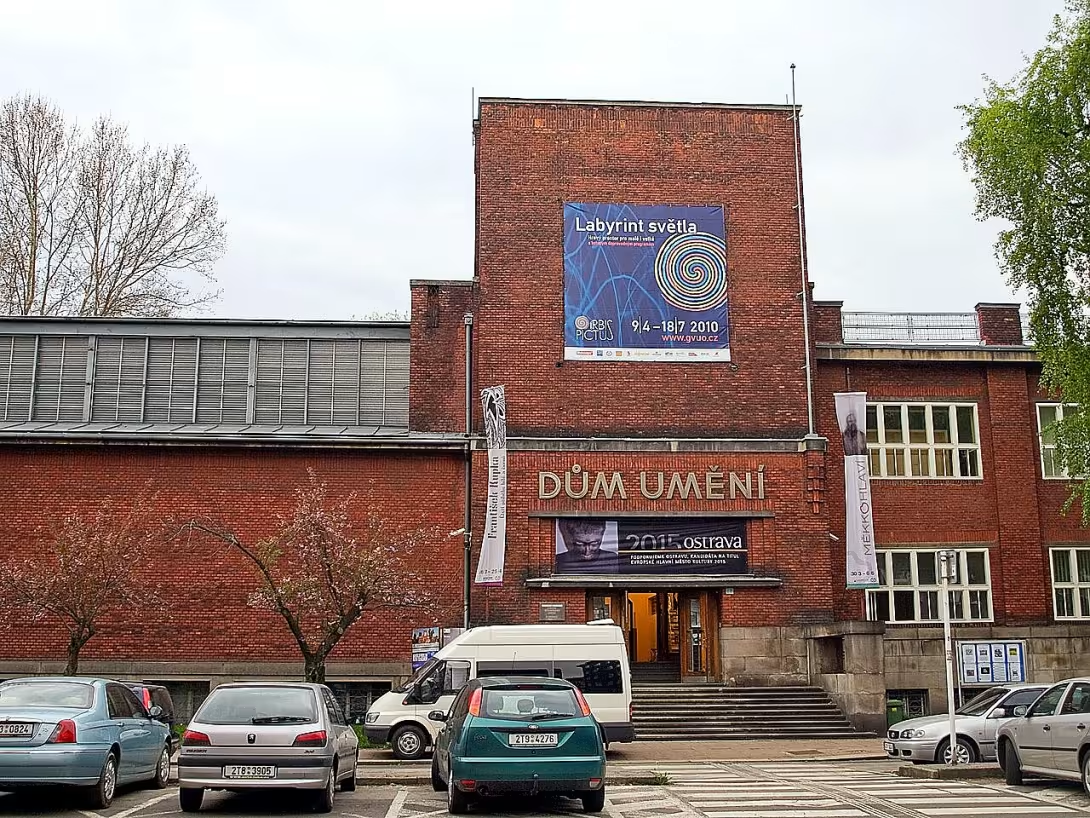
Dům umění in Moravská Ostrava is a significant cultural landmark showcasing functionalist and constructivist architectural styles from the early 20th century. Situated near Elektra café, this single-story building houses the Gallery of Fine Arts in Ostrava. It was established to provide an art exhibition space reflecting modern architecture with flexible interiors and innovative lighting.
The origins date back to 1923 when František Jureček, a local architect and art collector, founded the Society for the Construction and Maintenance of a Pavilion in Moravská Ostrava. This society held an architectural competition to design a new exhibition building due to the lack of such spaces in Ostrava. The winning design by architects František Fiala and Vladimír Wallenfels was chosen for its modern approach. Although Jureček did not see the project's completion, he left his art collection as a foundational legacy for the gallery.
Architecturally, Dům umění is notable for its purist style with large brick walls and functional space use. The design emphasizes interior flexibility to adapt to various exhibition needs, achieved through strategic planning. Administrative spaces are placed away from main visitor areas, and innovative lucerne lighting systems address lighting challenges.
The construction faced technical challenges, especially regarding the foundation due to extensive underground mining in the region. Despite these difficulties, the architects successfully implemented a design aligned with contemporary Czechoslovak trends influenced by European movements emphasizing simplicity and utility.
Today, Dům umění remains an important cultural site housing the Gallery of Fine Arts in Ostrava. Its historical significance and architectural innovation make it a worthwhile destination for those interested in modernist architecture and art history. The building serves as a testament to early 20th-century architectural advancements and continues to promote fine arts within the region. Visitors are encouraged to explore this remarkable site, offering both historical insights and an appreciation of artistic expression.
Then and now
Drag the slider to compare how the landmark may have looked when it was built with the view today.
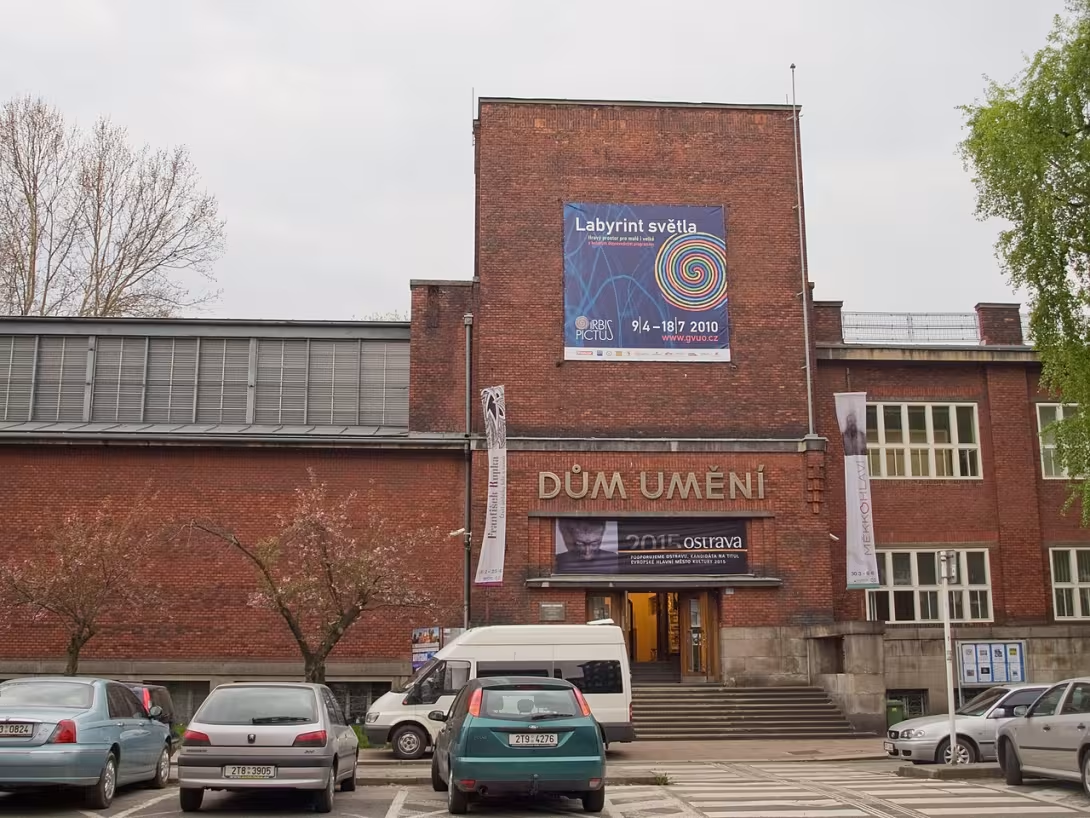

The historical appearance on the left is an AI-generated visualisation and serves as inspiration only.
Historical milestones
- 1923
- Založení Společnosti pro stavbu a údržbu pavilonu v Moravské Ostravě.
- 1926
- Vznik Dům umění, budova muzea v Moravské Ostravě.
Architectural development
The design by architects František Fiala and Vladimír Wallenfels won an architectural competition, leading to the construction of one of the first modern exhibition pavilions in Czechoslovakia. The building features large brick walls and a layout that prioritizes functional use of space, with galleries designed for flexible interior arrangements.
Historical events
1923: Establishment of the Society for the Construction and Maintenance of a Pavilion in Moravská Ostrava to initiate an architectural competition for a new exhibition building.
1926: Official opening of Dům umění, which included František Jureček's art collection as its foundational gallery.
Points of interest
- Dům umění in Moravská Ostrava showcases functionalist and constructivist architectural styles from the early 20th century. - The building was established by František Jureček in 1923 to provide an art exhibition space, reflecting modern architecture with flexible interiors and innovative lighting. - Architecturally notable for its purist style, Dům umění features large brick walls and functional space use, emphasizing interior flexibility for various exhibitions. - The construction faced technical challenges due to extensive underground mining in the region, yet successfully implemented a design aligned with contemporary Czechoslovak trends. - Today, it remains an important cultural site housing the Gallery of Fine Arts in Ostrava, serving as a testament to early 20th-century architectural advancements.
Guide
This guide is narrated by a synthetic voice generated by artificial intelligence.
Show guide text
This text was created by artificial intelligence and has not been editorially reviewed. It may contain inaccuracies.
Welcome! You are standing before a unique monument that symbolizes modern architecture in Moravská Ostrava. The House of Art, the museum building, has been here since 1926 and represents a perfect example of functionalist and constructivist styles from the early 20th century.
Let's go back a little further in time. The Society for the Construction and Maintenance of the Pavilion in Moravská Ostrava was founded as early as 1923 to address the lack of space for art in this part of the city. And it was during this year that František Jureček became a key figure, deciding to build a structure reflecting modern architecture with flexible interiors and innovative lighting elements.
Today, when you look at this place, notice how spacious and airy the building's façade is. This is due to the careful design by architects František Fiala and Vladimír Wallenfels, who aimed to create a space that would serve as an art gallery. Look up and take a deep breath – feel the atmosphere that permeates here.
The House of Art in Moravská Ostrava is not only a beautiful architectural monument but also a testament to the importance of art in the past century. František Jureček, who was instrumental in creating this building, was a true personality who understood how important art is for society. And it is in this spirit that we continue today, with exhibitions of the latest artistic works housed here.
Let's return to the present. Today, the House of Art is a place where you can discover and explore art from around the world. Whether you are interested in modern art or historical pieces, you will find something that captivates you here. And before you continue your walk, we invite you to take a look at this beautiful building and uncover its hidden details. Thank you for your attention, and we hope you enjoyed this historic monument.
Tips for visitors
The best time to visit the Dům umění in Moravská Ostrava is during late spring or early autumn when the weather is pleasant, allowing you to enjoy both the indoor exhibits and the outdoor surroundings comfortably. During these months, the gallery often hosts special exhibitions that attract a diverse crowd of art enthusiasts. Additionally, visiting on weekdays can provide a more relaxed experience with fewer visitors compared to weekends.
Public transport is convenient and recommended; you can reach the location using local buses that connect Moravská Ostrava with other parts of the city.
When visiting Dům umění, it's advisable to bring comfortable footwear as you'll likely spend time both indoors and outdoors exploring the area around Elektra café. A light jacket might be useful in case of cooler temperatures or breezy conditions. Don't forget your camera if you're interested in capturing the architectural beauty of the building and any art pieces that catch your eye.
For photography enthusiasts, the best spots to capture Dům umění are from its exterior angles where the functionalist and constructivist styles are most visible. Early morning or late afternoon light provides a softer glow that enhances the building's features. Inside, natural lighting through large windows can create interesting effects on artworks, making these times ideal for photography.
Nearby attractions within 30 minutes include Elektra café, which offers a great spot to relax and enjoy local cuisine after your visit. For families with children, consider visiting nearby parks or playgrounds where kids can expend energy while parents explore the area at their leisure. These spots provide a nice balance of cultural enrichment and recreational activities.
Frequently asked questions
Can the monument be visited?
Some buildings of this kind are open for guided tours, others serve another purpose or are privately owned. We have not verified whether and when this monument is open – please ask the operator.
What are the opening hours and admission?
We have not verified the opening hours or admission. Current information is published by the operator. Official website: http://www.gvuo.cz
Where is the monument?
Location: Moravská Ostrava, Moravskoslezský kraj. The map on this page shows the exact spot.
Why is the monument protected?
It is listed in the Central List of Cultural Monuments of the Czech Republic as a cultural monument (register no. 1000139772).
Businesses nearby
Do you run a restaurant, accommodation, shop, museum, rental, wellness or other visitor service near this monument? Show yourself directly to the people heading to it — this is how they will see you in the app and on the web:
Events nearby
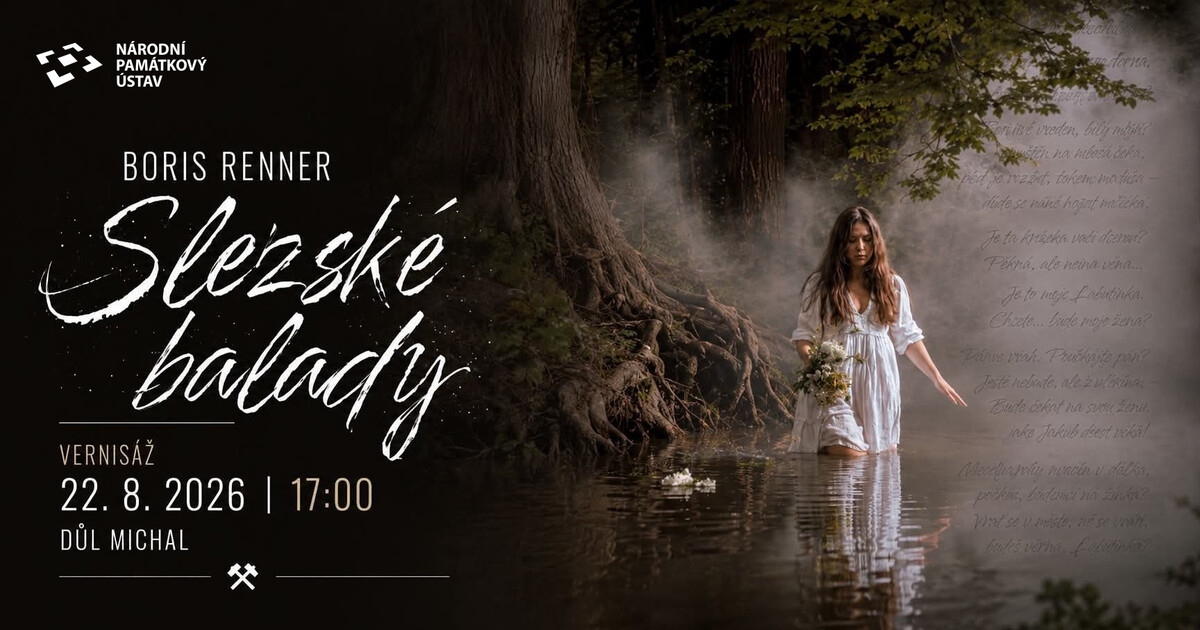

Zdroj akcí: otevřená data měst a obcí ČR (Národní katalog otevřených dat) a kalendář akcí Národního památkového ústavu.
Accommodation nearby
Themed route
Moravská Ostrava: Dům umění a okolí
1. Dům umění (hlavní cíl): Tento moderní muzejní komplex nabízí jedinečnou sbírku uměleckých děl a expozice, které představují bohatou kulturní a historickou minulost regionu. Je to ideální místo pro objevování umění a kultury.
2. Moravská Ostrava: Navštivte historické centrum města, kde můžete procházet úzkými uličkami a objevovat místní speciality, jako jsou kavárny, obchody a restaurace. Můžete se také zastavit u Moravského náměstí a Kostel svatého Václava, který je dominantou města.
3. Slezská Ostrava: Projděte se po Slezském náměstí, kde najdete krásné historické budovy a architektonické zajímavosti. Můžete také navštívit Slezský dům, který nabízí informace o historii a kultuře regionu.
4. Hraběšín: V blízkosti města se nachází Hraběšín, bývalý lovecký zámeček, který nyní slouží jako rekreační středisko. Můžete se vydat na procházku po lesích a objevit místní přírodní krásy.
Seasonal recommendations
Jaro
In the spring season, the House of Art in Moravská Ostrava is surrounded by blooming trees and greenery. The atmosphere is full of optimism and hope. The building's lighting is soft and warm, creating a pleasant environment for visitors. We recommend visiting the House of Art during the spring to enjoy the fresh winter air and admire the art exhibits in newly opened spaces.
Summer
In summer, the House of Art in Moravská Ostrava is full of life and energy. The main summer season brings tourists and visitors from all over the world. We recommend arriving early to avoid crowds and fully enjoy the art exhibits. The building's lighting is bright and airy, creating an ideal environment for museum tours.
Autumn
In autumn, the House of Art in Moravská Ostrava is surrounded by colors and the scent of falling leaves. The atmosphere is calm and cozy. The building's lighting is soft and warm, creating a pleasant environment for visitors. We recommend visiting the House of Art during the autumn to enjoy the peace and comfort before winter.
Winter
In the winter season, the House of Art in Moravská Ostrava is enveloped in chilly gloom. The building's lighting is warm and cozy, creating a pleasant environment for visitors. We recommend visiting the House of Art during the winter to enjoy warm clothing and a tranquil atmosphere. Operating hours are shorter, so it’s better to visit the House of Art on an evening or morning to avoid crowds.
Visualizations and artistic views


The visualisations are generated by artificial intelligence and serve as inspiration.
Photos from the area
Real photos taken near the monument


Zdroj a licence jsou uvedeny u každého snímku.
Tips from visitors
No tips yet. Be the first!
Log in and add your tip.
Sources and literature
Photos: Honza Groh (Jagro) / CC BY-SA 3.0 — Wikimedia Commons. The author and licence also appear when you hover over the image.
Faktickým podkladem tohoto textu byl článek na Wikipedii, jehož autory jsou přispěvatelé Wikipedie. Článek je dostupný pod licencí CC BY-SA 4.0.
Location on the map
More monuments – Moravská Ostrava
Show all in the municipality



Příběhy a pověsti
Legendy, pověsti a příběhy spjaté s touto památkou
Fotografie návštěvníků
Zatím žádné fotografie. Buďte první, kdo přidá fotografii z návštěvy!
Log in a přidejte svou fotografii nebo hodnoťte.
Za ověřenou návštěvu v aplikaci získáte víc bodů — poznáme podle GPS, že jste na místě.
Reviews and comments