



evangelický kostel v Jeseníku Church
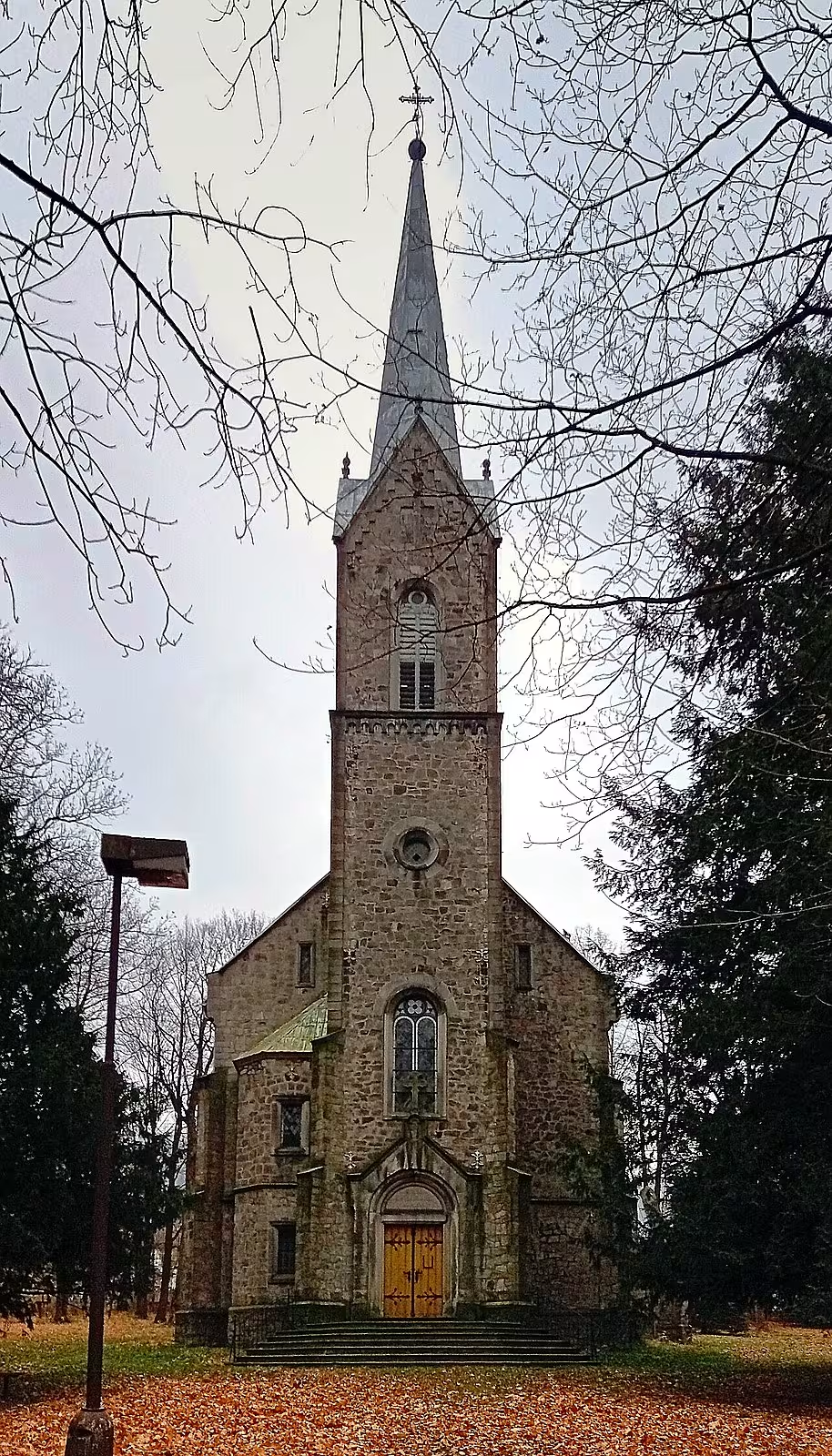
The Evangelical Church in Jeseník is a notable historical monument in the town of Jeseník, located in the Olomouc Region of the Czech Republic. Built between 1881 and 1883, it served the local Protestant community and reflected cultural and religious dynamics at the end of the 19th century. Its establishment was supported by Princess Marianna of Orange-Nassau, highlighting its historical significance.
The church's origins trace back to a decision in December 1879 by evangelicals to establish a branch of the German evangelical congregation from Holčovice. This led to forming a local section of the Spolek Gustava Adolfa, an important step in organizing their religious community. Construction began on October 13, 1881, completed the following year, with interior work finished by 1884. Funding came from collections and significant contributions, including a donation of 10,000 gulden from Princess Marianna. A parsonage was also built concurrently at a cost of 14,000 gulden.
While specific architectural details are not documented, the church's construction timeline and financial backing underscore its significance during this period. The involvement of notable figures like Princess Marianna indicates the importance placed on establishing a strong religious presence in Jeseník at that time.
Throughout its history, the Evangelical Church has experienced significant changes in administration and community composition. After World War II, the original German congregation was disbanded, leading to the formation of a new congregation under the Českobratrská církev evangelická (Czechoslovak Hussite Church) in 1946. This transition included evangelicals from regions such as Valašsko and Slovakia, reflecting broader post-war demographic shifts.
A key event was its consecration on October 15, 1883, attended by notable figures including Duchess Wilhelma von Mecklenburg, daughter of Princess Marianna, along with other religious and political personalities. At this time, the newly established farnost (parish) had approximately 400 members.
Today, the Evangelical Church in Jeseník remains a site of historical interest and cultural significance. Its rich history and connection to notable figures make it an intriguing destination for visitors interested in religious architecture and European Protestant heritage. The church's story reflects broader themes of community formation and resilience through changing times.
Visiting the Evangelical Church in Jeseník offers a unique opportunity to explore a monument that encapsulates significant historical narratives and cultural shifts within the region. Its legacy as a center of faith and community continues to resonate, inviting those interested in history and architecture to discover its enduring significance.
Then and now
Drag the slider to compare how the landmark may have looked when it was built with the view today.
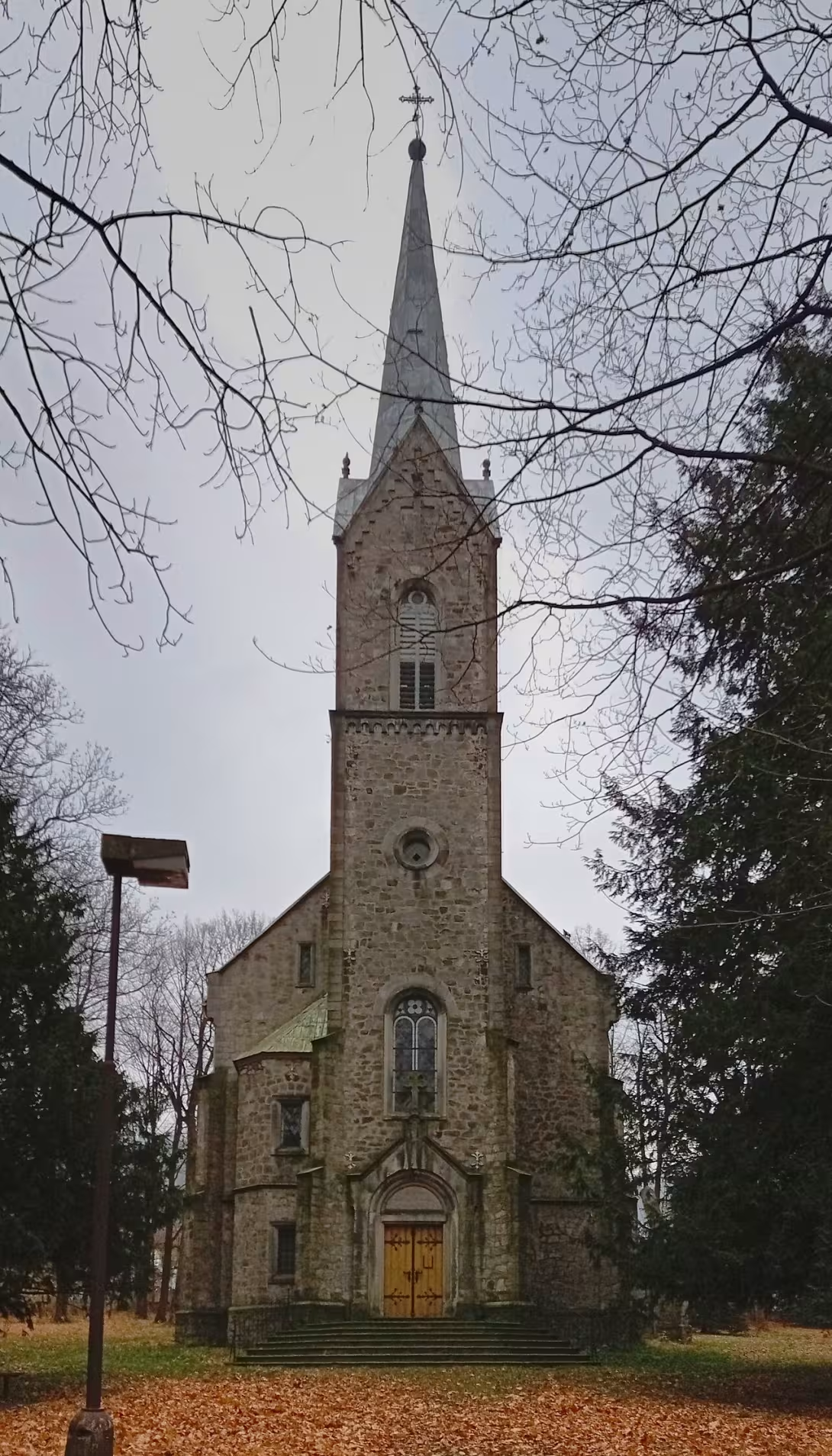

The historical appearance on the left is an AI-generated visualisation and serves as inspiration only.
Historical milestones
- 1879
- Evangelicals decide to establish a branch of the German evangelical congregation from Holčovice.
- 1881
- Construction of the Evangelical Church in Jeseník begins on October 13.
- 1883
- The church is consecrated on October 15, attended by notable figures including Duchess Wilhelma von Mecklenburg.
- 1946
- Formation of a new congregation under the Českobratrská církev evangelická after WWII.
Architectural development
The church was built between 1881 and 1883 with an interior completed by 1884. It was financed through collections and significant contributions from Princess Marianna of Orange-Nassau, who donated 10,000 gulden. A parsonage was also constructed at the same time for 14,000 gulden.
Historical events
In December 1879, evangelicals in Jeseník decided to establish a branch of the German evangelical congregation from Holčovice. The church was consecrated on October 15, 1883, attended by notable figures including Duchess Wilhelma von Mecklenburg.
After World War II, the German congregation was disbanded, and in 1946, a new congregation of the Czechoslovak Hussite Church was formed.
Points of interest
- The Evangelical Church in Jeseník was supported by Princess Marianna of Orange-Nassau, whose involvement underscores the church's significance and reflects her interest in promoting Protestantism within the region.
- In December 1879, a decision to establish a branch of the German evangelical congregation from Holčovice marked the beginning of organized religious life for Protestants in Jeseník, highlighting the community’s determination to maintain their faith amidst cultural shifts.
- After World War II, the original German-speaking congregation was disbanded, leading to the formation of a new congregation under the Českobratrská církev evangelická (Czechoslovak Hussite Church) in 1946, reflecting post-war demographic and political changes in the region.
- The church's consecration on October 15, 1883, was attended by Duchess Wilhelma von Mecklenburg, daughter of Princess Marianna, illustrating the importance of noble patronage for religious institutions during this period.
- Funding for both the church and a parsonage included a significant donation from Princess Marianna, totaling 10,000 gulden, which highlights the role of philanthropy in supporting architectural projects that served community needs.
Guide
This guide is narrated by a synthetic voice generated by artificial intelligence.
Show guide text
This text was created by artificial intelligence and has not been editorially reviewed. It may contain inaccuracies.
The Evangelical Church in Jeseník originated between 1881 and 1883. But its story begins a few years earlier.
At the end of the nineteenth century, the evangelicals from Jeseník decided to establish a branch of the German evangelical congregation from Holčovice in the city. This happened on the seventh of December 1879. At that time, they elected six elders and established a local section of the Gustav Adolf Society.
Construction of the church began on the thirteenth of October 1881. It was completed the following year and the interior a year later. In total, it cost twenty-nine thousand one hundred eighty-seven guilders. The money was raised from collections, and Princess Marianna of Orange contributed a large sum. Her first donation alone amounted to ten thousand guilders. At the same time, the parsonage was built for fourteen thousand guilders.
In 1883, an independent parish was established in Jeseník, and on the fifteenth of October of that year, the church was consecrated. The festivities were attended by the daughter of Princess Marianna, Duchess Wilhelma von Mecklenburg, and with her, a number of church and political figures of the monarchy. The parish then had approximately four hundred members.
The last German pastor of the congregation was Siegfried Hofman. After the Second World War, he was expelled along with the other members of the congregation and continued his ministry as a clergyman in Germany.
However, the church did not fall silent. In 1946, a congregation of the Czech Brethren Evangelical Church was established in Jeseník. Its members became evangelicals from among the new settlers who came here from Valašsko, from Slovakia, and from other places.
Frequently asked questions
Can the monument be visited?
Religious buildings are usually open mainly during services; at other times a visit is normally arranged with the parish or the operator. We have not verified specific times.
Where is the monument?
Location: Jeseník, Olomoucký kraj. The map on this page shows the exact spot.
Businesses nearby
Do you run a restaurant, accommodation, shop, museum, rental, wellness or other visitor service near this monument? Show yourself directly to the people heading to it — this is how they will see you in the app and on the web:
Accommodation nearby
Themed route
Tematická výletní trasa: Jeseník - Historie a Architektura
1. Evangelický kostel v Jeseníku (Kostel) - Proč stojí za návštěvu: Tento barokní kostel, postavený v roce 1723, je architektonickou perli obce Jeseník. Jeho bohaté historie a unikátní design přitahují milovníky dějin i umění. Při procházce kostelem si můžete užít výhled z jeho vysoké věže, která nabízí impozantní pohled na obec a okolní krajinu.
2. Náměstí Míru (Veřejné prostranství) - Proč stojí za návštěvu: Toto centrální náměstí je srdcem místního života v Jeseníku. Je to ideální místo, kde si užít klidné chvilky a prohlédnout se po historických budovách obklopujících náměstí. Při procházce můžete objevit různé sochy a památníky, které připomínají důležité události v historii obce.
3. Zámecký park (Park) - Proč stojí za návštěvu: Nacházející se nedaleko kostela, zámecký park nabízí krásnou příležitost pro relaxaci a procházku v klidné a zeleňové atmosféře. Park je ideálním místem pro rodiny s dětmi i pro ty, kteří hledají místo k odpočinku po návštěvě kostela a náměstí.
4. Místní muzeum (Muzeum) - Proč stojí za návštěvu: Místní muzeum nabízí poutavý vhled do historie a kultury obce Jeseník. Vystavené artefakty a informace o minulosti místního regionu vám pomohou lépe pochopit důležité události, které formovaly současný charakter obce.
Tato trasa nabízí komplexní pohled na historii a kulturu Jeseníku, kombinující architektonickou krásu s místními tradicemi.
Seasonal recommendations
Spring: The arrival of spring brings a refreshing atmosphere to the Evangelical Church in Jeseník, with blooming flora and vibrant greenery accentuating its historical architecture. Natural light floods through stained glass windows, creating an ethereal glow that enhances the church's intricate details. Visitors should take advantage of the moderate weather by wearing comfortable layers, as temperatures can fluctuate. Early mornings or late afternoons are ideal for exploring when fewer tourists are present, allowing for a more peaceful experience.
Summer: During summer, the Evangelical Church in Jeseník is bathed in long daylight hours, offering warm and inviting evenings perfect for leisurely visits. The lush landscape surrounding the church makes it an excellent spot for picnics or nature walks before or after your visit. Due to increased tourist activity during this peak season, arriving early in the day can help avoid crowds. Light clothing is recommended, along with sun protection such as hats and sunscreen.
Autumn: Autumn transforms Jeseník into a picturesque setting, with vibrant foliage providing a stunning backdrop for the church's historic facade. The crisp air and gentle sunlight create an intimate atmosphere, ideal for photography enthusiasts. As days shorten, planning your visit during midday ensures ample natural light for exploring the interior. Layered clothing is advisable to accommodate cooler temperatures, and carrying a light jacket can be beneficial as evenings become chillier.
Winter: Winter envelops the Evangelical Church in Jeseník with a serene, snow-covered landscape that adds a magical touch to its historic charm. The shorter days mean visits are best planned around midday when natural lighting is at its peak. Tourists should dress warmly in layers and consider wearing boots for walking on potentially icy paths.
Visualizations and artistic views


The visualisations are generated by artificial intelligence and serve as inspiration.
Photos from the area
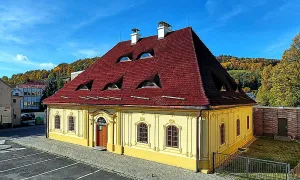
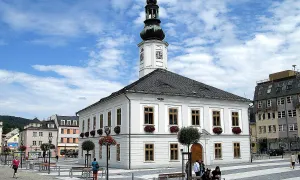
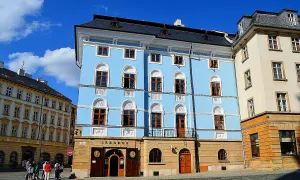
Real photos taken near the monument


Zdroj a licence jsou uvedeny u každého snímku.
Tips from visitors
No tips yet. Be the first!
Log in and add your tip.
Sources and literature
Photos: Adrian Tync / CC BY-SA 4.0 — Wikimedia Commons. The author and licence also appear when you hover over the image.
Faktickým podkladem tohoto textu byl článek na Wikipedii, jehož autory jsou přispěvatelé Wikipedie. Článek je dostupný pod licencí CC BY-SA 4.0.
Location on the map

Příběhy a pověsti
Legendy, pověsti a příběhy spjaté s touto památkou
Příběh: evangelický kostel v Jeseníku
Bylo to v pondělí ráno, kdy Martin zjistil, že se nikdy nemohl tak cítit samotný jako ten den. Oblekl si svůj nejdřívější kabát a bezmocně stál u dveří staré…
Číst příběh
Pověst: evangelický kostel v Jeseníku
Traduje se, že celý příběh evangelického kostela v Jeseníku začal jednoho chladného zimního rána roku 1880, kdy se do zámku princezny Marianny Oranžské v Říč…
Číst příběhFotografie návštěvníků
Zatím žádné fotografie. Buďte první, kdo přidá fotografii z návštěvy!
Log in a přidejte svou fotografii nebo hodnoťte.
Za ověřenou návštěvu v aplikaci získáte víc bodů — poznáme podle GPS, že jste na místě.
Reviews and comments