






evangelický kostel ve Strměchách Church
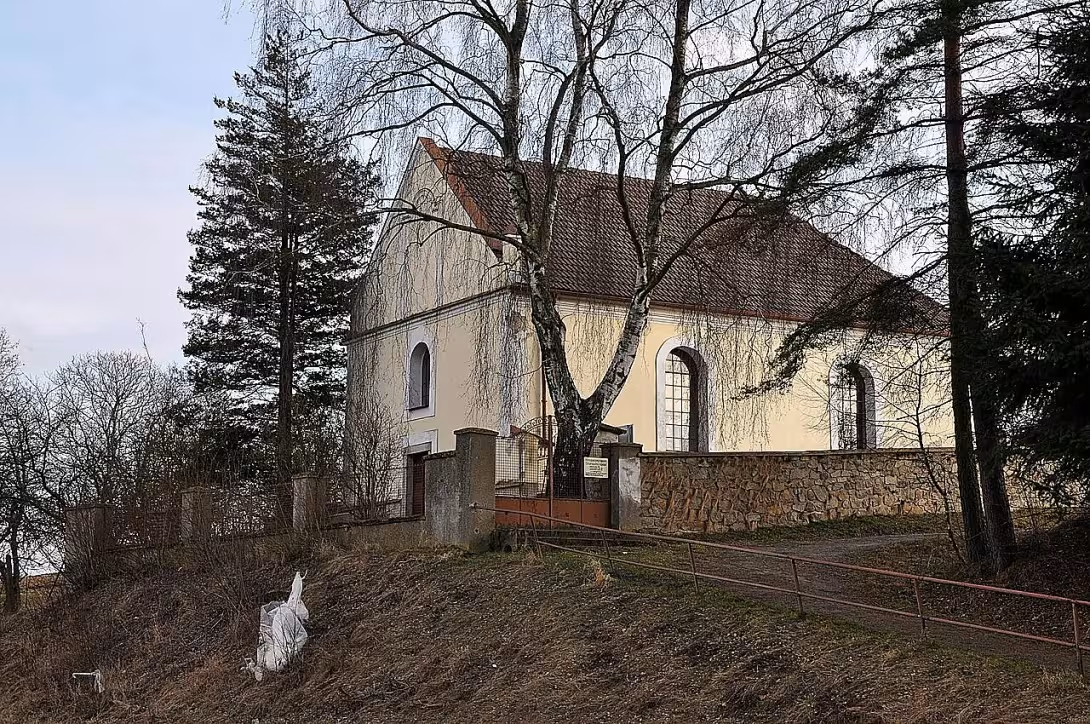
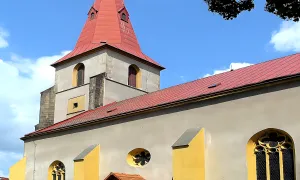
The Evangelical Church in Strměchách is a significant cultural monument located in the Vysočina Region of the Czech Republic. Constructed shortly after the 1781 Tolerance Patent, it reflects the religious and social changes of its era. The church became a focal point for the local Protestant community, which expanded significantly by the late 19th century. Its architecture is notable for its simplicity and lack of a tower, embodying the modesty typical of early post-Tolerance Patent constructions.
The origins of this Evangelical Church are closely tied to the Tolerance Patent issued in 1781 by the Habsburg Monarchy, which granted limited religious freedoms for non-Catholic Christians in Bohemia. This period was marked by significant social and political changes across Europe, influenced by Enlightenment ideals. In Strměchách, news of this patent reached locals through Antonín Kubeš, a former Catholic priest who converted to Protestantism and moved to Berlin. Upon visiting his relatives in Strměchách, he informed them about the new religious freedoms. This led to the establishment of an Evangelical congregation, which initially joined with Moravči due to insufficient numbers but became independent by 1867.
The church's architecture is characterized by its simplicity and modesty. Construction began in 1787, utilizing local resources such as wood from nearby forests, and was completed within a year. The building features a longitudinal structure with chamfered corners and a triangular pediment at the front. Initially serving as a simple prayer house with minimalistic elements, it underwent significant interior renovations by its centenary in 1881. Further restoration took place between 1990 and 1991 under then-pastor Zdeněk Soušek.
Throughout its history, the church has been closely associated with key figures such as Jan Szalatnay st., who became its first pastor despite initially not speaking Czech. His tenure lasted until 1874 when he passed on his duties to his son, Jan Szalatnay ml. The congregation grew significantly under their leadership, reaching 1,600 members by the late 19th century. In 2000, due to demographic changes, the congregation was renamed Pelhřimov-Strměchy.
The church's history is marked by several key events and curiosities. Initially, religious services were held in a barn owned by sedlák Vaverka before the construction of the church. The building process was supported by local contributions, including land and materials from nearby forests. In 1788, the church was consecrated, marking the beginning of regular services with Jan Szalatnay as its pastor.
Today, the Evangelical Church in Strměchách stands as a testament to the religious tolerance that emerged in late 18th-century Bohemia. It is accessible to visitors who wish to explore its historical and architectural significance. The church's simple yet meaningful design offers insight into the early post-Tolerance Patent period, making it a worthwhile destination for those interested in Czech history and architecture.
The Evangelical Church in Strměchách invites visitors to appreciate its rich history and cultural importance. Its story of religious tolerance and community resilience continues to resonate today, offering a unique glimpse into the past while serving as a cherished landmark in the Vysočina Region.
Then and now
Drag the slider to compare how the landmark may have looked when it was built with the view today.
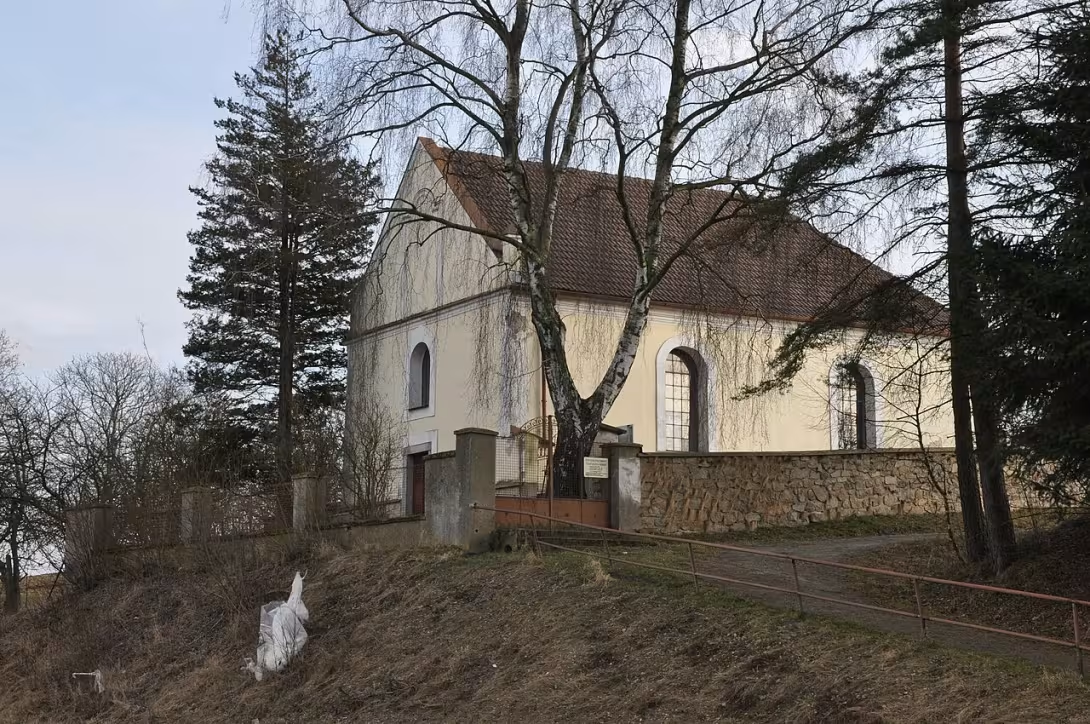
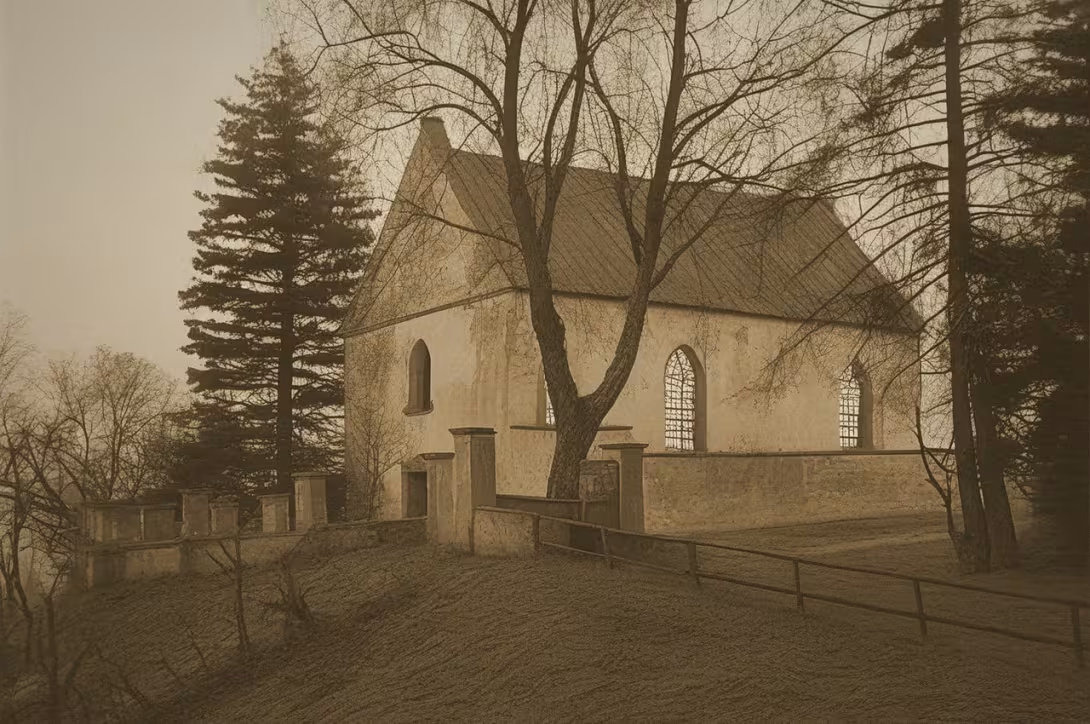
The historical appearance on the left is an AI-generated visualisation and serves as inspiration only.
Historical milestones
- 1788
- The church was consecrated and began regular services.
- 1881
- Interior renovations were completed to mark the centenary of the Tolerance Patent.
Architectural development
Construction of the church began in 1787 and was completed within a year, utilizing local resources such as wood from nearby forests. Initially serving as a simple prayer house with minimalistic features, it underwent significant interior renovations by its centenary in 1881. Further restoration took place between 1990 and 1991 under the guidance of then-pastor Zdeněk Soušek.
Historical events
1781: Antonín Kubeš informs locals about the Tolerance Patent, leading to the establishment of an Evangelical congregation in Strměchách.
1788: The church is consecrated and begins regular services with Jan Szalatnay as its first pastor.
1867: The Strměchách congregation becomes independent from Moravči.
2000: The congregation is renamed Pelhřimov-Strměchy due to demographic changes.
Points of interest
- The Evangelical Church in Strměchách was initially constructed using wood sourced from local forests, highlighting the community's resourcefulness and reliance on nearby natural resources for building materials.
- Before the church was built, religious services were conducted in a barn owned by sedlák Vaverka, illustrating how the Protestant congregation adapted to their circumstances by utilizing available structures for worship.
- Jan Szalatnay st., the first pastor of the Evangelical Church in Strměchách, initially did not speak Czech. Despite this language barrier, he became an influential figure within the community and served as pastor until 1874.
- The church underwent a significant interior renovation by its centenary in 1881, reflecting both the growth of the congregation and their commitment to maintaining and enhancing their place of worship over time.
- In 2000, due to demographic changes, the congregation was renamed Pelhřimov-Strměchy, signifying an adaptation to shifting community dynamics while preserving its historical roots.
Guide
This guide is narrated by a synthetic voice generated by artificial intelligence.
Show guide text
This text was created by artificial intelligence and has not been editorially reviewed. It may contain inaccuracies.
Welcome to the historic Evangelical Church in Strměchách, a cherished cultural monument nestled in the picturesque Vysočina Region of the Czech Republic. As you stand here, take a moment to appreciate this serene structure that quietly tells stories from centuries past.
The church's origins are deeply rooted in the religious and social transformations of its time. Constructed shortly after the issuance of the Tolerance Patent in 1781, it emerged as a beacon for the local Protestant community, which had grown significantly by the late 19th century. This period marked an era of newfound freedom for religious expression, setting the stage for the church's establishment.
As you look around, notice the simplicity and elegance that define its architecture. The church was consecrated in 1788, beginning a legacy of regular services that continue to this day. By 1881, it underwent interior renovations to commemorate the centenary of the Tolerance Patent, adding layers to its historical narrative.
This place is intertwined with several notable figures who have contributed to its rich history. Antonín Kubeš, Jan Szalatnay st., and Pavel Jan Jelen are among those whose stories are woven into the fabric of this community's past.
A fascinating aspect of the church's construction is its use of wood sourced from local forests. This choice highlights the resourcefulness of the community and their reliance on nearby natural resources for building materials, a testament to their connection with the land.
Before the church was built, religious services were conducted in a barn owned by someone in the area, showcasing the humble beginnings from which this sacred site evolved.
As you continue your exploration, I invite you to immerse yourself in the atmosphere and history that envelops this remarkable place. There is much more to discover within its walls and beyond. Thank you for joining me on this journey through time at the Evangelical Church in Strměchách. Enjoy every moment of your visit!
Tips for visitors
The best time to visit the Evangelical Church in Strměchách is during late spring or early autumn when the weather is pleasant, and the surrounding Vysočina landscape is particularly beautiful with blooming flowers or colorful foliage. This period also tends to be less crowded, allowing for a more peaceful experience. Additionally, visiting on weekdays can provide an even quieter atmosphere compared to weekends.
The church is accessible by various modes of transport; however, for the most current routes and schedules, checking a local travel planner online before your visit is recommended.
When visiting the Evangelical Church in Strměchách, it's wise to bring comfortable walking shoes as you may want to explore the surrounding area. Given its rural location, weather can change quickly, so carrying a light raincoat or umbrella might be beneficial. Also, consider bringing water and snacks if planning an extended stay.
For photography enthusiasts, the best spots for capturing the church are from the front where natural lighting is optimal during early morning or late afternoon hours. The soft light at these times can enhance the architectural details of the building. Additionally, exploring nearby paths might offer unique perspectives and compositions with the beautiful Vysočina landscape as a backdrop.
In terms of family-friendly activities, Strměchách itself offers a tranquil environment suitable for children to explore outdoors. Within a 30-minute drive, you can visit other cultural sites or natural attractions in the Vysočina Region that provide educational and recreational opportunities for families. Always check local resources for any specific events or programs tailored for children.
Frequently asked questions
Can the monument be visited?
Religious buildings are usually open mainly during services; at other times a visit is normally arranged with the parish or the operator. We have not verified specific times.
Where is the monument?
Location: Strměchy, Kraj Vysočina. The map on this page shows the exact spot.
Why is the monument protected?
It is listed in the Central List of Cultural Monuments of the Czech Republic as a cultural monument (register no. 17377/3-3295).
Businesses nearby
Do you run a restaurant, accommodation, shop, museum, rental, wellness or other visitor service near this monument? Show yourself directly to the people heading to it — this is how they will see you in the app and on the web:
Accommodation nearby
Themed route
Tematická výletní trasa ve Strměchách
1. Evangelický kostel ve Strměchách (Kostel)
Proč stojí za návštěvu: Tento historický evangelický kostel je architektonickou perli v obci Strměchy, známý svou jednoduchou, ale působivou barokní stavbou. Navštívte ho pro pochopení kulturního a náboženského dědictví regionu Vysočina.
2. Místní fara ve Strměchách
Proč stojí za návštěvu: Fara, nacházející se v blízkosti kostela, nabízí pohled na historické architektonické prvky a sloužila jako centrum komunity po staletí. Je ideálním místem pro ty, kdo chtějí hlubší vhled do duchovního života obce.
3. Nádvoří kostela
Proč stojí za návštěvu: Nádvoří je klidným místem pro odpočinek a reflektaci, kde si můžete užít venkovního prostoru s výhledem na kostel. Je to ideální místo pro fotografování nebo jen pro chvíli relaxace.
4. Park poblíž evangelického kostela
Proč stojí za návštěvu: Park nabízí příjemnou zelenou prostor pro procházky a poslouchání klidného venkovského života. Je to perfektní místo pro ty, kteří chtějí si užít přírodní krásy okolní oblasti.
5. Místní tradiční restaurace
Proč stojí za návštěvu: Po prozkoumání historických míst využijte příležitosti prozkoumat místní gastronomii. Tato restaurace nabízí autentické jídlo z regionu, což je skvělý způsob, jak zakončit svůj výlet s chutným příchutím.
Tato trasa umožňuje návštěvníkům prozkoumat kulturní a historické aspekty Strměch, zatímco si užívají klidné venkovské prostředí.
Seasonal recommendations
Spring: Visiting the Evangelical Church in Strměchy during spring offers a unique experience as nature awakens around this historic site. The surrounding landscape bursts into life with blooming flowers and fresh greenery, creating a picturesque backdrop for your visit. This season is characterized by mild weather, making it ideal for leisurely exploration without the need for heavy clothing. However, be mindful of occasional rain showers that can add a charming mist to the scenery but may also lead to slippery paths. The church's architecture stands out beautifully against the vibrant spring colors, and with fewer visitors compared to summer, you'll have a more tranquil experience. It’s advisable to visit in the morning when the light is soft and illuminates the intricate details of the church.
Summer: Summer brings lively energy to Strměchy, making it an excellent time for those who enjoy exploring historical sites amidst nature's full splendor. The long daylight hours allow for extended visits, but be prepared for larger crowds, especially during peak tourist season in July and August. Wearing comfortable clothing and sunscreen is essential due to the warm weather, while a hat or sunglasses can provide additional protection from the sun. Early morning visits are recommended to avoid the midday heat and maximize your time enjoying the church's serene atmosphere without feeling rushed. The lush greenery surrounding the church enhances its historical charm, offering plenty of opportunities for outdoor photography.
Autumn: Autumn in Strměchy is a feast for the senses, with vibrant foliage painting the landscape in rich hues of red, orange, and yellow. This season offers a magical atmosphere as the natural beauty complements the historic architecture of the Evangelical Church. The cooler temperatures make it comfortable to explore without overheating, though layers are advisable as evenings can become chilly. While visitor numbers decrease compared to summer, there's still enough activity to enjoy community events or local markets that might be taking place in the area. Early afternoon is often the best time for visits, as the light softens and enhances the warm colors of both nature and stone.
Winter: Winter transforms Strměchy into a serene and quiet haven, with snow blanketing the landscape and adding a touch of enchantment to the Evangelical Church. The cold weather demands warm clothing, including hats, gloves, and insulated layers, to ensure comfort during your visit. Shorter daylight hours mean that planning is crucial; arriving early allows you to make the most of the available light while enjoying the peacefulness that winter brings. Although the church may have reduced opening times, the stillness of this season provides a unique opportunity to appreciate its architecture without distractions. Keep in mind that some paths might be slippery due to ice or snow, so cautious walking is advised.
Visualizations and artistic views


The visualisations are generated by artificial intelligence and serve as inspiration.
Photos from the area
Real photos taken near the monument


Zdroj a licence jsou uvedeny u každého snímku.
Tips from visitors
No tips yet. Be the first!
Log in and add your tip.
Sources and literature
Photos: Ben Skála, Benfoto / CC BY-SA 3.0 — Wikimedia Commons. The author and licence also appear when you hover over the image.
Faktickým podkladem tohoto textu byl článek na Wikipedii, jehož autory jsou přispěvatelé Wikipedie. Článek je dostupný pod licencí CC BY-SA 4.0.
Location on the map

Příběhy a pověsti
Legendy, pověsti a příběhy spjaté s touto památkou
Příběh: evangelický kostel ve Strměchách
Bylo to v pondělí ráno, kdy Martin zjistil, že jeho život je tak napjatý, jako tenká nitka přes most plné řeky. Vrata kostela ve Strměchách se otevřely před …
Číst příběh
Pověst: evangelický kostel ve Strměchách
Traduje se, že v prosinci roku 1781 přišel do Strměch muž unavený cestou, s prachovým šátkem přes ramena a vzrušením v očích, jaké mívají jen ti, kdo nesou z…
Číst příběhFotografie návštěvníků
Zatím žádné fotografie. Buďte první, kdo přidá fotografii z návštěvy!
Log in a přidejte svou fotografii nebo hodnoťte.
Za ověřenou návštěvu v aplikaci získáte víc bodů — poznáme podle GPS, že jste na místě.
Reviews and comments