



fara (Město) Parish house
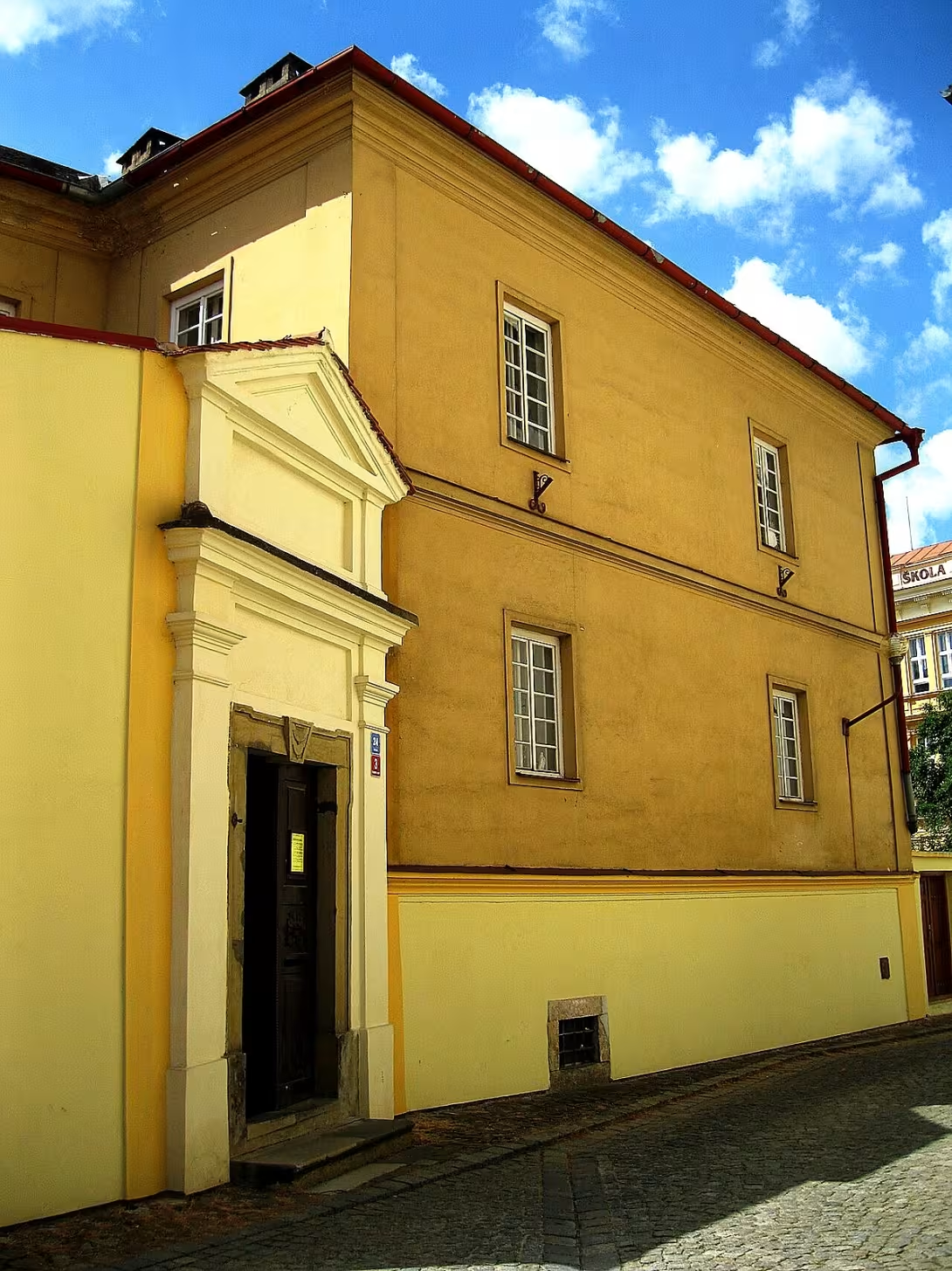
Fara in Moravian Třebová is a protected monument located inside the city walls and serves as a seat of the Roman Catholic parish. Its history dates back to the second half of the 16th century when it was remodeled after the city fire in 1541. This rectory is remarkable by its architectural transformation from the original medieval structure to the contemporary classical style, resulting from several fires and subsequent reconstructions. Its proximity to the parish church of the Assumption of the Virgin Mary increases its historical and cultural importance.
The formation of the rectory is closely linked to the dramatic events that shaped the urban landscape. After the 1541 fire, the original medieval building was remodeled. This period is characteristic of the spread of Renaissance style in Bohemia and Moravia, which reflects the wider cultural trends of the time. In the following Baroque period the rectory was further modified; In particular, a vault in the eastern part of the building was added.
Architecturally, the rectory is a single-storey brick building with a prismatic shape. There is a cordon ledge between the floor and the ground floor, while the floor and the valb roof separate the crown profiled ledge. The windows are divided into ten tables, with the exception of the north side, where smooth champagne was used. The entrance to the building is through the portal extension. There is a garden and orchards between the south wall and the city walls.
The history of the rectory was enriched with classical modifications that took place after another great fire in 1844. These changes contributed to its present appearance and architectural structure.
Today, the parish is not only a protected building, but also a living center of parochial life. Its history and architectural value make it an interesting destination for visitors interested in the cultural heritage of the region. If they visited it, they can not only enjoy a beautiful view of its classicist elements, but also feel connected to the history of this area.
Fara in Moravian Třebob is a reminder of the city's resilience and adaptability. Its architecture bears witness to the rich cultural traditions that have evolved for centuries. For those who want to explore the history and spiritual life of the region, visiting this rectory is a necessary experience.
Historical milestones
- 1541
- The city fire led to a Renaissance rebuilding of the rectory.
- 1844
- The big fire caused the classicist modifications to the building.
Architectural development
The originally medieval building was remodeled in the second half of the 16th century when changes occurred after the city fire in 1541. During the Baroque period a vault was created in the eastern part of the building. The latest modifications were classical and took place after the fire in 1844.
Historical events
- 1541
- After the city fire, the rectory was remodeled.
- 1844
- Fara went through some classic modifications after another big fire.
Points of interest
- The rectory is a protected monument located inside the city walls and serves as a seat of the Roman Catholic parish. - Its history dates back to the second half of the 16th century when it was remodeled after the city fire in 1541. - Fara has undergone architectural transformation from the original medieval design to the contemporary classical style thanks to several fires and reconstructions. - The formation of the rectory is connected with dramatic events that shaped the urban landscape, especially through the spread of Renaissance style in Bohemia and Moravia. - Classicist modifications after the Great Fire in 1844 contributed to its contemporary appearance and architectural structure.
Guide
Show guide text
This text was created by artificial intelligence and has not been editorially reviewed. It may contain inaccuracies.
Welcome to Moravian Trebova, a city with rich history and beautiful monuments. You are standing in front of one of the most important buildings of this location - a rectory that boasts its distinctive prismatic shape and one-story construction. Its walled facade with a cordon ledge between the floor and the ground floor will attract your attention, as well as ten tables dividing the windows on the north side. The Fara is located within the city walls, near the Church of the Assumption of the Virgin Mary, and is a protected monument serving as the seat of the Roman Catholic parish.
Let's dive into the history of this building. The rectory was established in the second half of the 16th century when it was remodeled after the great fire of the city in 1541. This tragic incident led to changes not only in the architecture of the rectory, but also in the structure of the city itself. Later, in 1844, another big fire caused the classicist modifications of the building, which gave her the appearance of a new color and characteristics.
Now look up at the crown profiled ledge separating the floor from the valbic roof. This detail is a reminder of the architectural changes that the Faroese building has undergone over the years. Note also the elegant distribution of window windows into ten tables - which is the result of 19th century modifications.
Although the particular architects and historical figures associated with this parish are unknown, its presence in the city's castles shows long-term spiritual and community importance. The Fara was and remains the center of religious life that adapted to change in time.
The interesting thing about this building is its ability to survive and adapt after two big fires. It is a testament to the resilience and lasting importance that the Faroe building occupied for the inhabitants of Moravian Třebová.
Let yourself now dive into other parts of the city. Every corner of this place has its own story waiting to be discovered. I hope your tour of the vicar of Moravian Treb was enlightening and inspiring. When we meet again in other historic corners of our country.
Tips for visitors
The best time to visit the rectory in the city is autumn or spring when the weather is pleasant and the light is ideal for photography. These seasons offer a beautiful atmosphere and mild temperatures, making the visit a comfortable experience.
It is appropriate to use cars or public transport to access the parish.
When you visit, bring a hat or a parasol to protect you from the sun. It is also good to have a camera with you to capture beautiful architecture and surrounding environment. In winter, you remember a warm suit because temperatures can be low.
Photography of the rectory offers the best results from the Church of the Assumption of the Virgin Mary. The morning light is ideal for capturing the details and color of the building. The garden around the rectory can also be an interesting place for photography.
The church of the Assumption of the Virgin Mary is located in the vicinity of the rectory, which is suitable for exploring. This church offers beautiful interiors and historical elements that you can enjoy during your visit. For families with children it is a place suitable for a short walk and exploring history.
Frequently asked questions
Can the monument be visited?
This is a residential or farm building, not a museum with opening hours. Please view it from public space and respect the owners' privacy. We have no information about access to the interior.
Where is the monument?
Location: Město. The map on this page shows the exact spot.
Why is the monument protected?
It is listed in the Central List of Cultural Monuments of the Czech Republic as a cultural monument (register no. 1000126477).
Businesses nearby
Do you run a restaurant, accommodation, shop, museum, rental, wellness or other visitor service near this monument? Show yourself directly to the people heading to it — this is how they will see you in the app and on the web:
Nearby
Fara se nachází uvnitř městských hradeb a v blízkosti farního kostela Nanebevzetí Panny Marie.
Accommodation nearby
Themed route
Thematic cruise route: Fara and surroundings in the city
1. Fara (Město)
Type: Historical building
Why is worth a visit: This rectory is a key part of the city's face and offers a view of the architectural style that reflects the history of the site. Its location inside the walls adds interest to those interested in urban history.
2. Parish Church of the Assumption of the Virgin Mary
Type: Church
Why is it worth visiting: This church is not only a spiritual centre but also an architectural treasure. Its rich history and artistic decoration attract visitors who want to explore the spiritual and cultural aspects of the city.
3. City Castles
Type: Historical walls and entrances
Why is it worth a visit: Walk around old city castles offers a look at the history of city defense. These structures witness the past and provide a unique view of the area and development of the city.
4. Cave rectory
Type: Historical courtyard
Why is it worth a visit: The reservoir is a place where you can enjoy the peace and beauty of old-fashioned architecture. It's the perfect place to relax between exploring other historical structures.
5. Tower of the rectory
Type: Historical tower
Why is worth a visit: The tower view offers a view of the entire Město and surrounding landscape. It is an ideal place for a photo and for those who want to enjoy a panoramic view.
This route allows visitors to explore the historical and cultural wealth of the City, focusing on key locations around the rectory.
Seasonal recommendations
Spring: During the spring season, the rectory in the City is enchanted by warm sunlight and the lively greenery of the surrounding trees and shrubs, which adds to its historical appearance a new beginning. The atmosphere is full of calm and moderation, making it an ideal holiday for those who want to enjoy natural beauty without excessive noise. It is recommended to visit in the morning or in the evening in order to monitor the changes of lighting on the facade and in the surrounding garden. Put on a comfortable suit with an adhesion shirt because temperatures can be medium to moderate.
Summer: Summer offers the most sunny days when the rectory is dazzled by long Western rays. This time of year is ideal for the knowledge of historical architecture in full beauty and full light. Although the temperature may be higher, it is recommended to visit the morning or evening when the air is colder. Put on light clothes and carry sunglasses and UV protective cream.
Autumn: Autumn brings a rectory in the city into an atmosphere full of colorful leaves that encapsulate a historic building in a marble palette. The sunlight is mild and temperatures are gradually decreasing, which means that the visit will be comfortable even in the middle of the day. It is recommended to visit in a quiet time when you can enjoy the peace and think about the history of the place. Put on your layered clothes to prepare for a sudden turn of weather.
Winter: Winter moons cover the rectory in the city with an atmosphere of peace and quiet. The cold light that falls on her facade gives the building a mystical touch, while the snow rain covers the surrounding area in a white blanket. The best time to visit is noon, when the sun dazzles and reveals the details of architecture. Wear warm clothes with leather helmets or a cup for your head to protect yourself from cold air.
Visualizations and artistic views

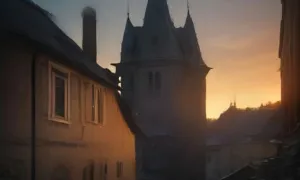
The visualisations are generated by artificial intelligence and serve as inspiration.
Photos from the area
Real photos taken near the monument

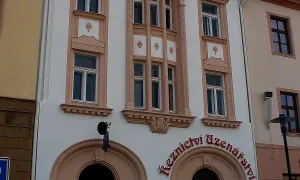
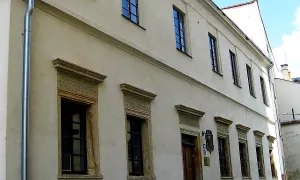
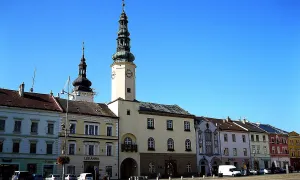
Zdroj a licence jsou uvedeny u každého snímku.
Tips from visitors
No tips yet. Be the first!
Log in and add your tip.
Sources and literature
Photos: Lehotsky / CC BY-SA 3.0 — Wikimedia Commons. The author and licence also appear when you hover over the image.
Faktickým podkladem tohoto textu byl článek na Wikipedii, jehož autory jsou přispěvatelé Wikipedie. Článek je dostupný pod licencí CC BY-SA 4.0.
Location on the map


Příběhy a pověsti
Legendy, pověsti a příběhy spjaté s touto památkou
Fotografie návštěvníků
Zatím žádné fotografie. Buďte první, kdo přidá fotografii z návštěvy!
Log in a přidejte svou fotografii nebo hodnoťte.
Za ověřenou návštěvu v aplikaci získáte víc bodů — poznáme podle GPS, že jste na místě.
Reviews and comments