






fara u sv. Vojtěcha, Praha Parish house
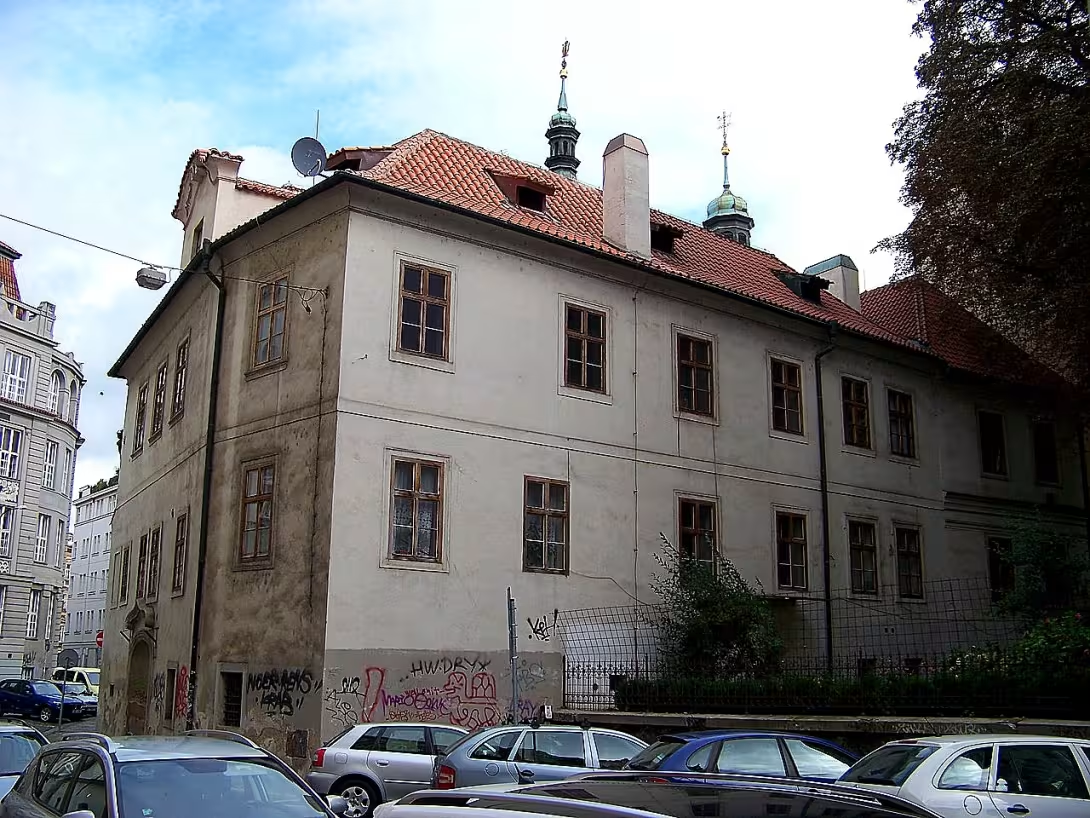
The Church of St. Vojtěch's parish house in Prague is a cultural monument with significant historical importance. Situated on Vojtěšská Street in the Nové Město district, this architectural gem evolved from Gothic and Renaissance origins to Baroque influences. First mentioned in 1367, it has been part of Prague's rich history since its construction alongside the Church of St. Vojtěch in the early 14th century.
The parish house emerged when Prague was becoming a cultural and political hub within Bohemia. The construction of new churches and related buildings like this parish house reflected Christianity's growing influence and contemporary architectural styles. Initially featuring Gothic and Renaissance elements, it underwent significant changes in 1786 under architect Antonín Holetschek, who introduced Baroque influences still visible today.
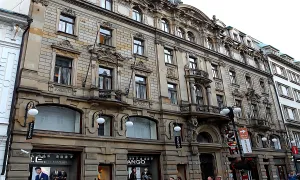
Architecturally, the parish house is a two-story structure with an irregular floor plan, comprising three wings covered by gabled roofs. The west wing has vaulted ground floors, while the east wing retains its original Gothic disposition and masonry across two tracts. Notably, it includes a grand hall adorned with an original wrought-iron balustrade and decorative wall paintings that create an illusionistic effect. This hall also houses a monumental staircase with a tiled stove and parquet flooring, adding to its historical charm.
Throughout its history, the parish house has seen various transformations, particularly in 1786 when it was rebuilt according to Holetschek's plans. The building now features original Baroque doors and illusionistic wall paintings that enhance its artistic appeal. One of its most intriguing aspects is Foerstrova Síň, named after composer Josef Bohuslav Foerster. This hall was inaugurated in 1959 to commemorate the centenary of Foerster's birth.
Today, the Church of St. Vojtěch's parish house remains a protected cultural monument and continues to be accessible for visitors interested in its historical and architectural significance. Its rich history, combined with unique artistic elements, makes it a worthwhile destination for those exploring Prague's heritage. Visitors are invited to experience this remarkable site that beautifully encapsulates the city's evolving architectural narrative.
Then and now
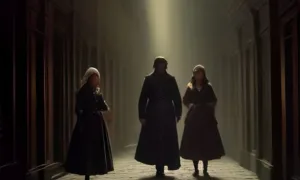
Drag the slider to compare how the landmark may have looked when it was built with the view today.
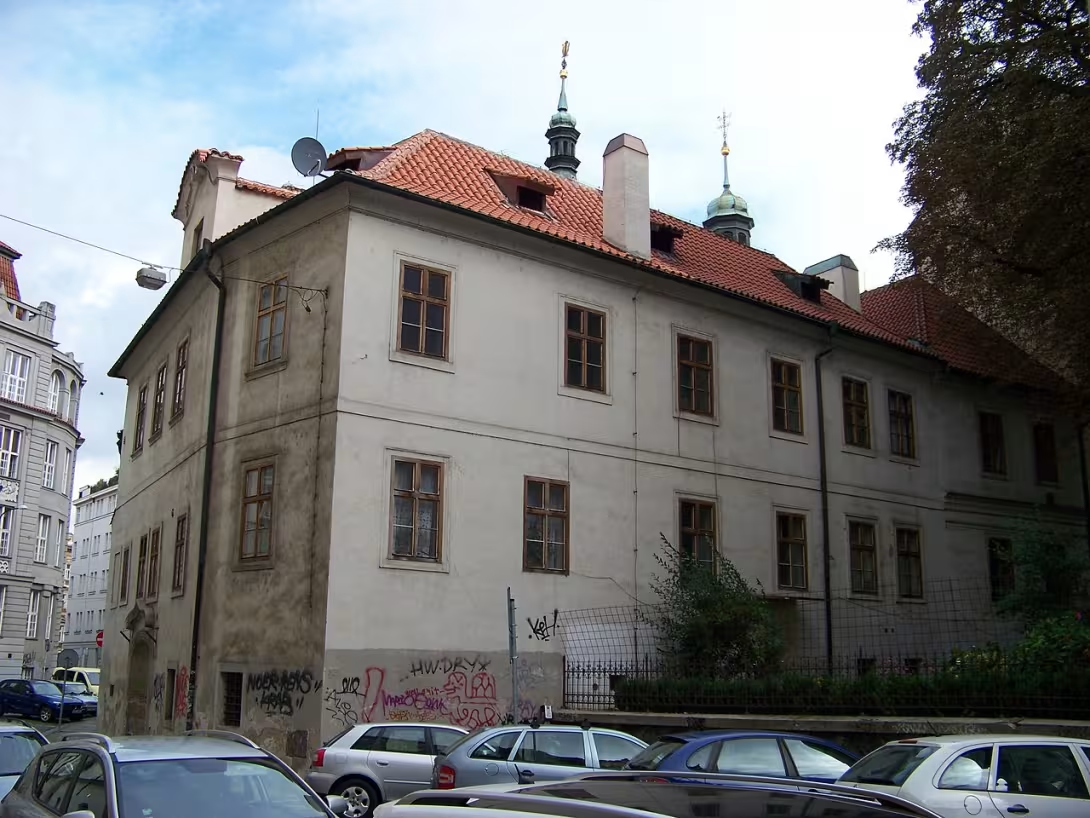
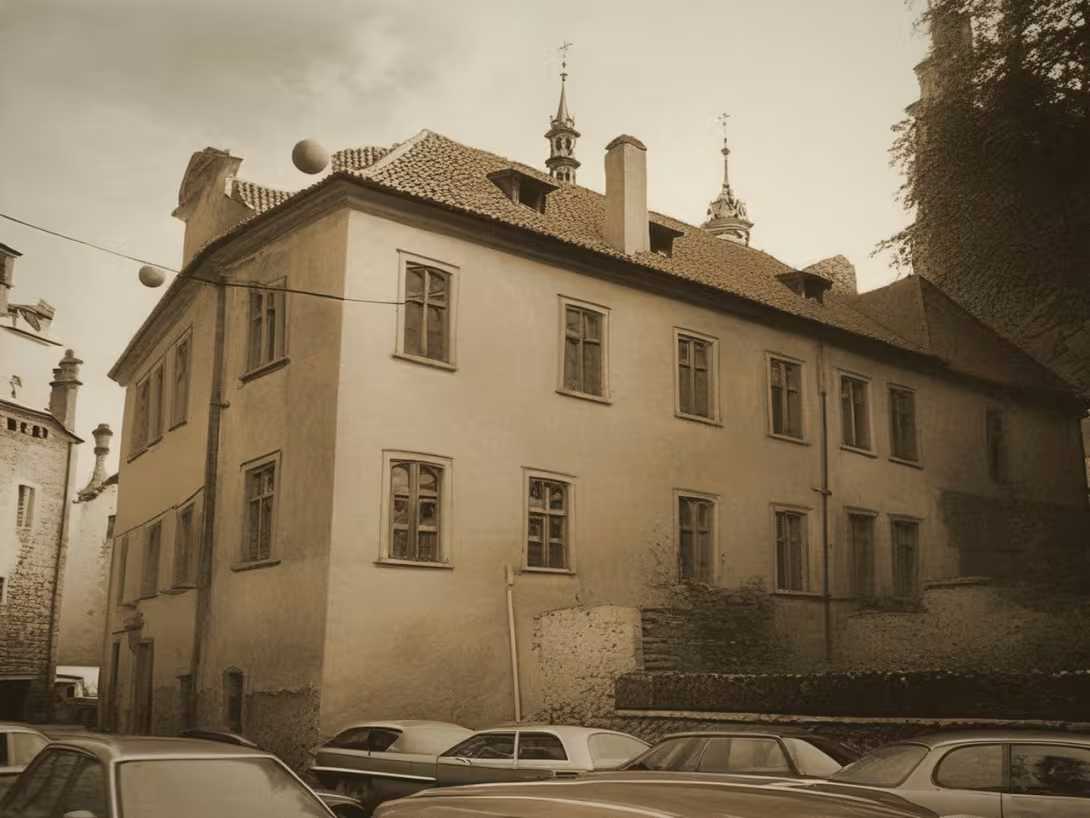
The historical appearance on the left is an AI-generated visualisation and serves as inspiration only.
Historical milestones
- 1367
- First mentioned at its current location.
- 1786
- Rebuilt according to plans by Antonín Holetschek.
Architectural development
The parish house has evolved through various architectural phases, initially featuring Gothic and Renaissance elements. In 1786, it was reconstructed under the guidance of architect Antonín Holetschek, introducing Baroque influences. The building's interior includes a grand hall with an original wrought-iron balustrade and decorative wall paintings, while its upper floors boast original tiled stoves and parquet flooring.
Historical events
First mentioned at its current location in 1367.
Rebuilt in 1786 according to plans by Antonín Holetschek.
Points of interest
- The parish house's transformation in 1786 under Antonín Holetschek introduced Baroque elements that replaced the original Gothic and Renaissance styles, reflecting a broader architectural shift during this period.
- Foerstrova Síň, named after composer Josef Bohuslav Foerster, was inaugurated in 1959 to mark his centenary. This hall highlights the cultural significance of music in Prague's history and its connection to local historical figures.
- The grand hall features an original wrought-iron balustrade and decorative wall paintings that create an illusionistic effect, showcasing the artistic innovation and craftsmanship prevalent during the Baroque period.
- Despite undergoing numerous renovations over the centuries, the east wing of the parish house retains its original Gothic disposition and masonry across two tracts, offering a rare glimpse into Prague's medieval architectural heritage.
- The building includes a monumental staircase with a tiled stove and parquet flooring, elements that not only add historical charm but also reflect the functional and aesthetic priorities of past eras in Prague.
Guide
This guide is narrated by a synthetic voice generated by artificial intelligence.
Show guide text
This text was created by artificial intelligence and has not been editorially reviewed. It may contain inaccuracies.
Welcome to the historic site of fara u sv. Vojtěcha in Prague's Nové Město district. As you stand here, take a moment to appreciate the cultural monument before you—the Church of St. Vojtěch's parish house. This building is not just an architectural marvel but also a testament to centuries of transformation and history.
Let us begin by exploring its origins and historical context. The parish house was first mentioned in 1367, marking its presence at this location for many generations. Fast forward to 1786, when the building underwent significant reconstruction under the guidance of architect Antonín Holetschek. This period brought a shift from Gothic and Renaissance styles to Baroque elements, reflecting broader architectural trends of that era.
Now, let's delve into the architecture itself. As you observe the structure today, notice how it seamlessly blends remnants of its original Gothic and Renaissance influences, particularly evident in the basement spaces. Holetschek’s redesign introduced a new layer of elegance with Baroque features, offering a fascinating glimpse into the architectural evolution over centuries.
While specific historical figures directly associated with this site remain largely unknown, the building itself tells many stories through its walls. The transformation led by Antonín Holetschek is one such tale, marking a pivotal moment in the parish house's history and contributing to its current grandeur.
A particularly intriguing aspect of this site is Foerstrova Síň, named after composer Josef Bohuslav Foerster. This hall adds another layer of cultural significance, inviting you to imagine the melodies that might have once filled these spaces.
As we conclude our brief journey through time and architecture, I invite you to continue exploring this remarkable site. Whether it's pondering the historical narratives or simply soaking in the atmosphere, there is much more to discover here. Thank you for joining me on this exploration of fara u sv. Vojtěcha—a true gem in Prague’s architectural heritage.
Businesses nearby
Do you run a restaurant, accommodation, shop, museum, rental, wellness or other visitor service near this monument? Show yourself directly to the people heading to it — this is how they will see you in the app and on the web:
Events nearby

Zdroj akcí: otevřená data měst a obcí ČR (Národní katalog otevřených dat) a kalendář akcí Národního památkového ústavu.
Accommodation nearby
Trips and activities nearby
Guided tours, tickets and activities nearby from GetYourGuide
Affiliate link: if you buy from the partner, we may receive a commission. The price for you does not change.
Search tours and activities →Themed route
Thematic Walking Tour: Nové Město and the Church of St. Vitus
1. Church of St. Vitus (Fara u sv. Vojtěcha) - Type: Historic Church - Why Visit: This beautiful church serves as a central spiritual landmark in Nové Město, showcasing stunning Gothic architecture and intricate frescoes. It's an ideal starting point to immerse yourself in the rich history of Prague's oldest town district.
2. Nové Město Square (Novoměstské náměstí) - Type: Historic Town Square - Why Visit: Located just a short walk from the church, this vibrant square is surrounded by historic buildings and lively cafes. It offers a glimpse into Prague's past with its preserved medieval structures and serves as a perfect spot for relaxation or people-watching.
3. St. James Church (Kostel svatého Jakuba) - Type: Historic Church - Why Visit: A short stroll from Nové Město Square, this church is renowned for its stunning Baroque architecture and impressive interior frescoes by Jan Hiebl. It's a must-see for art enthusiasts interested in the evolution of religious art in Prague.
4. Old Town Bridge Tower (Staroměstská mostecká věž) - Type: Historic Watchtower - Why Visit: Although slightly outside the immediate vicinity, this iconic tower is accessible via a brief walk across Charles Bridge. It offers panoramic views of Prague and provides historical insights into the city's medieval defenses.
5. Charles Bridge (Karlův most) - Type: Historic Bridge - Why Visit: Conclude your tour with a leisurely stroll along this iconic bridge, connecting Nové Město to Old Town. Admire the stunning baroque statues and enjoy the scenic views of the Vltava River, making it an unforgettable end to your journey through Prague's historic heart.
This thematic walking tour offers a blend of architectural beauty, historical significance, and cultural richness, providing visitors with a comprehensive experience of Nové Město and its surroundings.
Seasonal recommendations
Spring: The spring season at St. Vitus's Church in Prague offers a refreshing atmosphere as the city begins to bloom with vibrant colors and blossoming flowers, creating a picturesque backdrop for visitors. During this time, the church grounds are bathed in softer, warmer light that enhances the intricate Gothic architecture. As the weather becomes milder, it’s an ideal period for exploring without the summer crowds. Practical advice includes wearing layers as temperatures can fluctuate; mornings may be cool while afternoons warm up. Early visits are recommended to avoid larger groups of tourists and to fully appreciate the serene ambiance that spring brings.
Summer: Summer at St. Vitus's Church is characterized by long daylight hours, providing ample time for visitors to explore both the church’s interior and its surrounding grounds in Prague's historic New Town. The warm weather invites people to linger outside, enjoying the lush greenery and vibrant city life. However, this season also attracts a significant number of tourists, so it's wise to arrive early in the day to avoid long lines at popular sites. Light, breathable clothing is recommended for comfort during your visit, along with sunscreen and hats to protect against the sun.
Autumn: Autumn brings a unique charm to St. Vitus's Church as the foliage around Prague changes into stunning shades of red, orange, and gold. This natural spectacle creates an enchanting atmosphere that complements the Gothic architecture beautifully. The cooler temperatures make for comfortable exploration without the summer heat, though visitors should be prepared for occasional rain showers by bringing a light jacket or umbrella. Autumn is also less crowded than summer, allowing for a more relaxed experience.
Winter: Winter at St. Vitus's Church offers a magical and serene atmosphere as snowfall transforms Prague into a winter wonderland. The church’s Gothic spires stand out against the crisp blue skies, providing stunning photo opportunities. However, visitors should be prepared for shorter opening hours and potentially limited access to some areas due to weather conditions. Warm clothing is essential, including coats, hats, gloves, and scarves, to ensure comfort during your visit. Additionally, it’s advisable to check in advance for any special holiday events or changes in operation hours that might affect your plans.
Visualizations and artistic views


The visualisations are generated by artificial intelligence and serve as inspiration.
Photos from the area
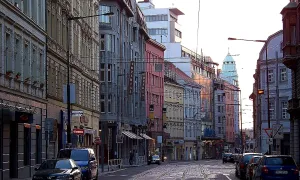
Real photos taken near the monument

Zdroj a licence jsou uvedeny u každého snímku.
Tips from visitors
No tips yet. Be the first!
Log in and add your tip.
Sources and literature
Photos: ŠJů (cs:ŠJů) / CC BY-SA 3.0 — Wikimedia Commons. The author and licence also appear when you hover over the image.
Faktickým podkladem tohoto textu byl článek na Wikipedii, jehož autory jsou přispěvatelé Wikipedie. Článek je dostupný pod licencí CC BY-SA 4.0.
Location on the map
More monuments – Nové Město
Show all in the municipality



Příběhy a pověsti
Legendy, pověsti a příběhy spjaté s touto památkou
Fotografie návštěvníků
Zatím žádné fotografie. Buďte první, kdo přidá fotografii z návštěvy!
Log in a přidejte svou fotografii nebo hodnoťte.
Za ověřenou návštěvu v aplikaci získáte víc bodů — poznáme podle GPS, že jste na místě.
Reviews and comments