






Františkánský klášter na Novém Městě Monastery
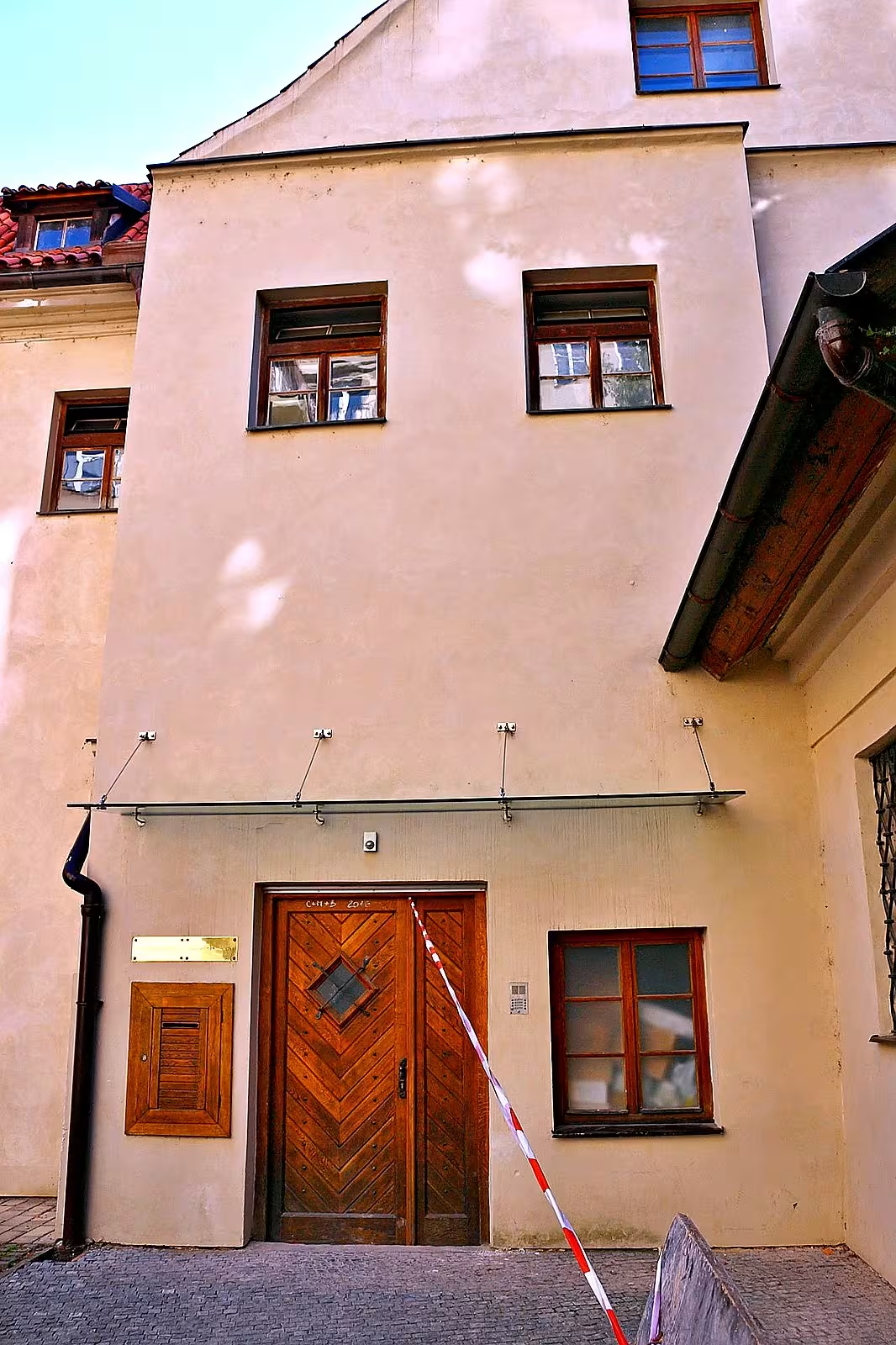
The Franciscan Monastery in New Town, Prague, is a historic site located between Wenceslas Square and Jungmann Square. Originally founded as a Carmelite convent in 1347, it has experienced significant transformations over time, including destruction during the Hussite Wars and subsequent reconstructions. The site is renowned for its garden, which serves as a popular gathering spot in central Prague.
The monastery's origins date back to the mid-14th century when it was established by the Carmelites, marking one of Bohemia's earliest religious institutions. This era was marked by political and religious upheaval, with mendicant orders like the Carmelites gaining prominence. Initially flourishing, the convent developed a large garden for cultivating medicinal herbs, flowers, and vegetables. However, it faced destruction in 1412 at the hands of Jerome of Prague and during the Hussite Wars, leading to periods of abandonment and reconstruction.
Architecturally, the monastery has seen several phases of rebuilding. After its initial establishment by the Carmelites, it was repurposed for the Franciscans in the early 17th century under Rudolf II's direction. The garden underwent a redesign in Baroque style during this period, featuring a chapel that added to the site's artistic elements.
Ownership and administration of the monastery have shifted over time. Initially held by the Carmelites until 1603, it was then transferred to the Order of Minor Friars (Franciscans). Significant contributions from Zdeněk Vojtěch z Lobkovic facilitated its reconstruction in 1604. The Franciscans faced challenges during their tenure, including a violent plunder in 1611 that resulted in the deaths of fourteen friars, who were later beatified in 2012.
Throughout its history, the monastery has witnessed key events and curiosities. It endured destruction by Jerome of Prague and the Hussite Wars, followed by periods of rebuilding and restoration. The Franciscans' efforts to revive religious life post-1620 included installing a large Baroque altar in the church between 1649 and 1651.
Today, Františkánský klášter na Novém Městě stands as an important cultural and historical site in Prague. The monastery's garden remains a cherished spot for relaxation amidst the bustling city center. Visitors can explore its rich history and architectural beauty, making it a worthwhile destination for those interested in Prague's religious heritage.
The Franciscan Monastery offers a unique glimpse into Prague's past, blending historical significance with serene natural beauty. Its enduring legacy invites exploration and appreciation from all who visit this remarkable site.
Then and now
Drag the slider to compare how the landmark may have looked when it was built with the view today.
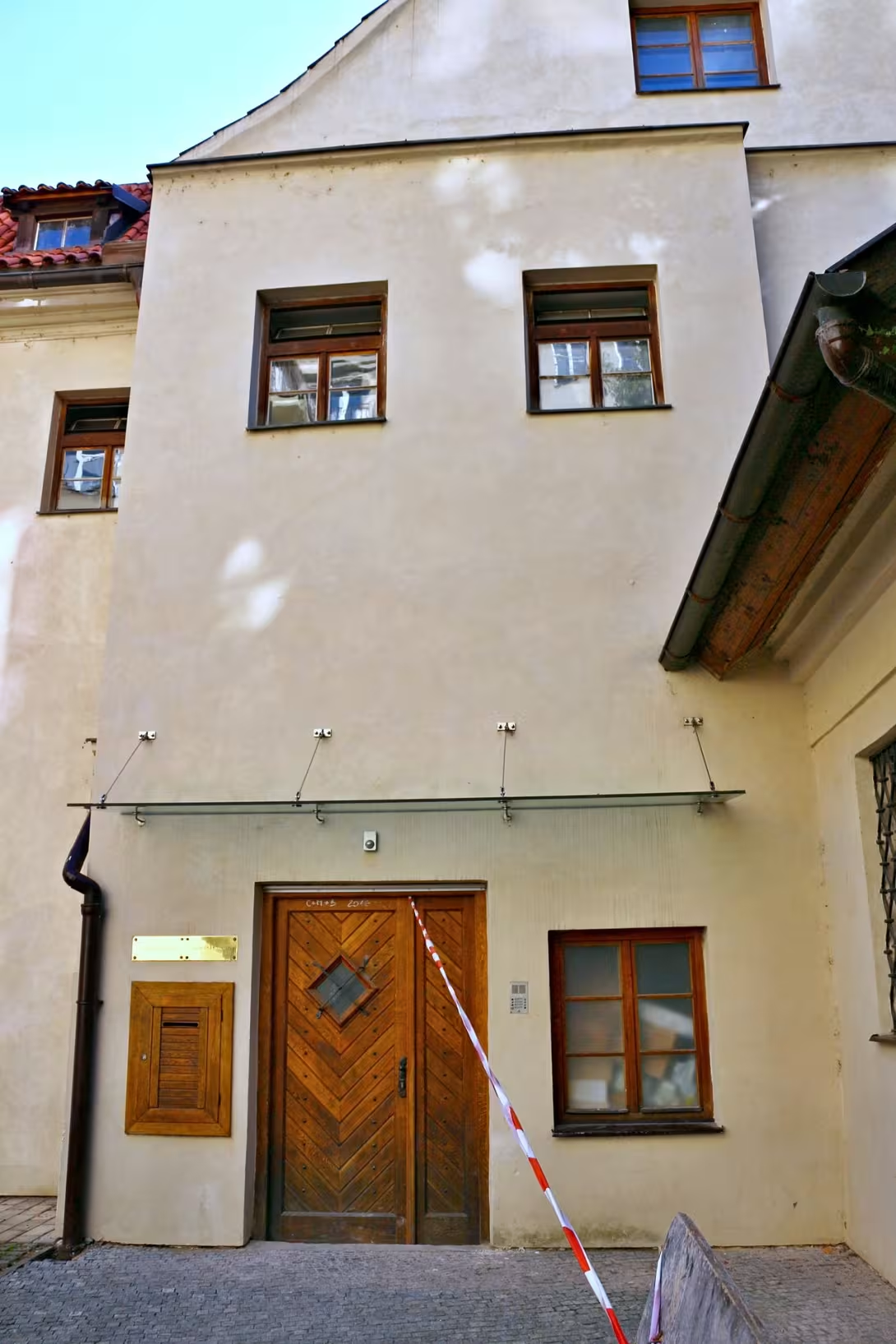
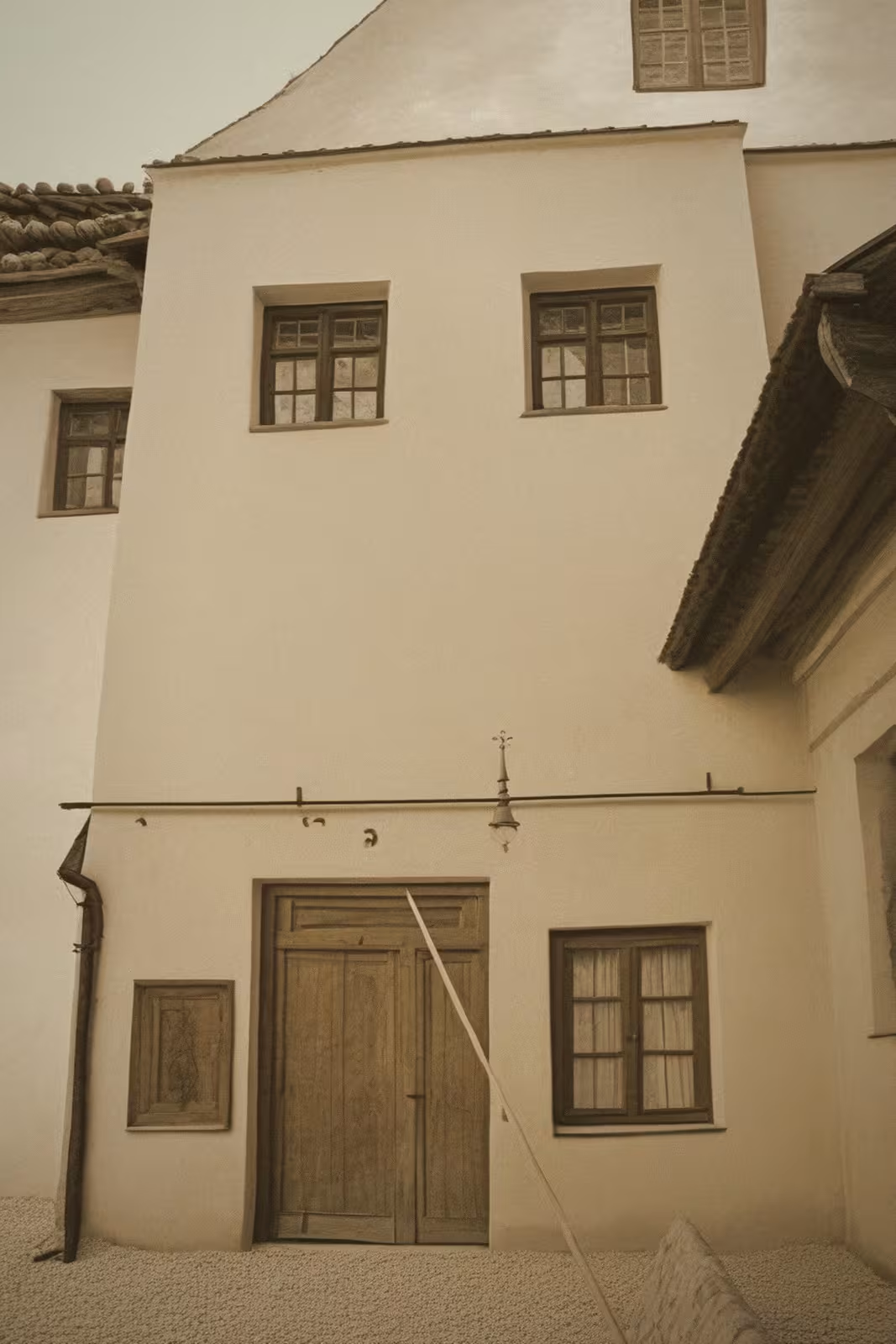
The historical appearance on the left is an AI-generated visualisation and serves as inspiration only.
Historical milestones
- 1347
- Foundation of the Carmelite convent.
- 1412
- Destruction by Jerome of Prague and Hussite forces.
- 1603
- Reconstruction initiated by Rudolf II for the Franciscans.
Architectural development
The monastery underwent several phases of destruction and reconstruction. Initially built by the Carmelites, it was later repurposed for the Franciscans in the early 17th century. The garden was redesigned in Baroque style during this period, featuring a chapel.
Historical events
Destruction by Jerome of Prague and the Hussite Wars in the early 15th century.
Reconstruction under Rudolf II in 1603, with significant contributions from Zdeněk Vojtěch z Lobkovic.
Owners
Carmelites (1347-1603)
Order of Minor Friars (Františkáni) from 1603
Points of interest
- The monastery's garden was originally designed to cultivate medicinal herbs, flowers, and vegetables, reflecting the Carmelites' focus on healing and self-sufficiency during its early years.
- In 1611, the Franciscans faced a brutal attack that resulted in the deaths of fourteen friars. These individuals were later beatified in 2012, highlighting their martyrdom and dedication to their faith amid political turmoil.
- The monastery's architectural evolution includes a significant Baroque redesign led by Zdeněk Vojtěch z Lobkovic in 1604, which introduced new artistic elements such as a chapel that enhanced its aesthetic appeal during the early 17th century.
- Despite suffering destruction at the hands of Jerome of Prague and during the Hussite Wars, the monastery was resiliently rebuilt multiple times, showcasing the enduring significance of religious institutions in Bohemia's history.
- The Franciscans installed a large Baroque altar between 1649 and 1651 as part of their efforts to restore and enhance religious life at the site after its tumultuous past, marking an important phase in the monastery’s cultural and spiritual revival.
Guide
This guide is narrated by a synthetic voice generated by artificial intelligence.
Show guide text
This text was created by artificial intelligence and has not been editorially reviewed. It may contain inaccuracies.
Welcome to the Františkánský klášter na Novém Městě, a captivating piece of history nestled in Prague's New Town between Wenceslas Square and Jungmann Square. As you stand here, take a moment to absorb the serene atmosphere surrounding this historic site. The monastery's presence is both imposing and inviting, with its intricate architecture whispering tales from centuries past.
The origins of this site trace back to 1347 when it was founded as a Carmelite convent. Over time, it has been a silent witness to significant historical events, including its destruction during the tumultuous Hussite Wars in 1412 by Jerome of Prague and his forces. Despite these challenges, the monastery rose again, reconstructed in 1603 for the Franciscans under the patronage of Rudolf II.
As you look around, notice how the architecture reflects resilience and adaptation through centuries. The layout and design elements speak to its varied past, from Carmelite beginnings to its current Franciscan identity. While specific architectural details remain unnamed due to historical obscurity, the essence of the place is palpable in every stone and pathway.
This site has been home to notable figures such as Jerome of Prague and Zdeněk Vojtěch z Lobkovic, each leaving their mark on its storied history. In 1611, a particularly brutal attack claimed the lives of fourteen friars, an event that underscores the turbulent times this monastery endured.
One fascinating aspect of the Františkánský klášter is its garden. Originally designed to cultivate medicinal herbs, flowers, and vegetables, it reflects the Carmelites' early focus on healing and self-sufficiency—a testament to their commitment to both spiritual and physical well-being.
As you continue your exploration, let yourself be drawn into the layers of history that this place holds. Each corner offers a new perspective, inviting you to delve deeper into its past. We encourage you to wander through its grounds, allowing the stories and spirits of those who walked here before to guide your journey.
Thank you for joining us on this tour of Františkánský klášter na Novém Městě. May your visit inspire a lasting curiosity about Prague's rich history. Safe travels as you continue to discover more wonders in this enchanting city.
Tips for visitors
The best time to visit the Františkánský klášter na Novém Městě is during the late spring or early fall months when the weather is pleasant, and the crowds are smaller compared to peak tourist seasons. Visiting in these months allows you to enjoy the monastery's architecture and gardens without the hustle of summer tourists. Additionally, the lighting during these times enhances the visual appeal of both the interior and exterior spaces.
For transportation, the monastery is easily accessible by public transport or on foot from major areas like Wenceslas Square and Jungmann Square.
When planning your visit, consider bringing comfortable walking shoes as you'll likely explore both the monastery grounds and nearby historical sites. A camera is also recommended for capturing the stunning architecture and intricate details of the monastery. Early morning or late afternoon visits are ideal for photography due to softer lighting conditions that highlight the building's features.
Nearby attractions within a 30-minute walk include Wenceslas Square, known for its vibrant atmosphere and shopping opportunities, and Jungmann Square, which offers a quieter setting with historical significance. Both areas provide additional cultural experiences and insights into Prague’s rich history.
For families with children, the monastery's peaceful gardens offer a great space to relax and explore. The surrounding area also has several family-friendly cafes where you can enjoy a meal or snack. While there are no specific activities for children within the monastery itself, the nearby squares provide opportunities for kids to engage with Prague’s history in an interactive way.
Frequently asked questions
Can the monument be visited?
Religious buildings are usually open mainly during services; at other times a visit is normally arranged with the parish or the operator. We have not verified specific times.
Where is the monument?
Location: Jungmannovo náměstí 751/19, Nové Město, Praha, Hlavní město Praha. The map on this page shows the exact spot.
Why is the monument protected?
It is listed in the Central List of Cultural Monuments of the Czech Republic as a cultural monument (register no. 39825/1-1048).
Businesses nearby
Do you run a restaurant, accommodation, shop, museum, rental, wellness or other visitor service near this monument? Show yourself directly to the people heading to it — this is how they will see you in the app and on the web:
Events nearby

Zdroj akcí: otevřená data měst a obcí ČR (Národní katalog otevřených dat) a kalendář akcí Národního památkového ústavu.
Nearby
Located between Wenceslas Square and Jungmann Square, the monastery is surrounded by significant historical sites in Prague's New Town.
Accommodation nearby
Trips and activities nearby
Guided tours, tickets and activities nearby from GetYourGuide
Affiliate link: if you buy from the partner, we may receive a commission. The price for you does not change.
Search tours and activities →Themed route
Thematic Walking Tour: The Heart of Prague's New Town
1. Františkánský klášter na Novém Městě (Monastery) - Type: Religious and Historical Site - Why Visit: Begin your journey at the Františkánský klášter, a stunning example of Baroque architecture nestled between Wenceslas Square and Jungmann Square. This monastery offers visitors a glimpse into Prague's rich religious history with its beautifully preserved interiors and serene atmosphere.
2. Wenceslas Square (Náměstí Václava Klause) - Type: Historical Urban Plaza - Why Visit: Just a short walk from the monastery, Wenceslas Square is one of Prague's most significant historical sites. Known for its vibrant energy and as a hub for political gatherings, it provides insight into the city’s dynamic past and present. The square also offers stunning views of the surrounding architecture.
3. Jungmann Square (Náměstí Janaáčkova) - Type: Cultural Square - Why Visit: Continuing from Wenceslas Square, Jungmann Square is a cultural gem that celebrates Czech history and literature. Named after the influential writer Josef Jungmann, this square features statues of notable figures and offers a peaceful retreat with its lush greenery and charming cafes.
4. Church of Our Lady before Týn (Kostel Panny Marie před Týnem) - Type: Gothic Church - Why Visit: Located near Jungmann Square, this iconic church is renowned for its impressive twin spires that dominate the skyline of Prague's Old Town. Its rich history and stunning architecture make it a must-see for anyone interested in exploring the city’s medieval past.
This tour offers a comprehensive exploration of Prague’s New Town, highlighting key historical and cultural sites within walking distance of each other.
Seasonal recommendations
Spring: The arrival of spring at the Františkánský klášter on Nové Město ushers in a vibrant atmosphere as nature awakens, with blossoming flowers and lush greenery surrounding the historic site. This season offers gentle sunlight that beautifully illuminates the intricate architectural details of the monastery, enhancing its historical charm. Visitors can enjoy relatively mild weather, making it an ideal time for leisurely exploration without the summer crowds. It's recommended to wear comfortable layers as temperatures can vary; a light jacket may be useful during cooler mornings or evenings. Arriving in the late morning allows you to bypass early bird tourists and fully appreciate the serene ambiance of this historic site.
Summer: Summer at Františkánský klášter is characterized by long, warm days that invite visitors to bask in the sunlit courtyards and shaded gardens. The season's vibrant atmosphere often includes outdoor events or performances, adding a dynamic layer to your visit. However, with summer being the peak tourist season, it’s advisable to arrive early in the morning to avoid large crowds and ensure a more tranquil experience. Lightweight clothing is recommended due to higher temperatures, along with sun protection such as hats and sunscreen. This period also offers extended visiting hours, allowing ample time to explore both the monastery's interior and its serene surroundings.
Autumn: Autumn transforms Františkánský klášter into a picturesque setting with warm hues of reds, oranges, and yellows adorning the landscape. The cooler temperatures create a cozy atmosphere perfect for leisurely strolls through the historic site. As daylight hours shorten, visitors can enjoy the soft, golden light that accentuates the monastery's architecture in a unique way. It’s an excellent time to visit as it offers fewer crowds compared to summer while still providing pleasant weather conditions. Wearing layers is advisable to accommodate fluctuating temperatures throughout the day, and carrying a light jacket for cooler evenings enhances comfort during your exploration.
Winter: Winter cloaks Františkánský klášter in a serene blanket of snow, offering a magical and tranquil atmosphere that contrasts with its usual vibrancy. The crisp air and shorter daylight hours create an intimate setting, ideal for those seeking peace away from the bustling city life. However, winter also brings challenges such as potential closures or reduced visiting hours due to inclement weather conditions. Visitors are advised to dress warmly in layers, including a heavy coat, gloves, and a hat, to stay comfortable while exploring. Arriving early is recommended not only to avoid any unexpected closures but also to enjoy the quietude of the site during its winter slumber.
Visualizations and artistic views


The visualisations are generated by artificial intelligence and serve as inspiration.
Photos from the area
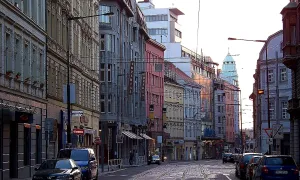
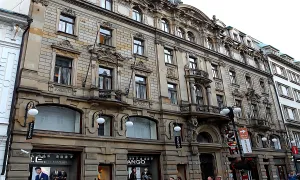
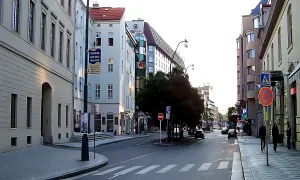
Real photos taken near the monument

Zdroj a licence jsou uvedeny u každého snímku.
Tips from visitors
No tips yet. Be the first!
Log in and add your tip.
Sources and literature
Photos: Thomas Quine / CC BY 2.0 — Wikimedia Commons. The author and licence also appear when you hover over the image.
Faktickým podkladem tohoto textu byl článek na Wikipedii, jehož autory jsou přispěvatelé Wikipedie. Článek je dostupný pod licencí CC BY-SA 4.0.
Location on the map
More monuments – Nové Město
Show all in the municipality


Příběhy a pověsti
Legendy, pověsti a příběhy spjaté s touto památkou

Fotografie návštěvníků
Zatím žádné fotografie. Buďte první, kdo přidá fotografii z návštěvy!
Log in a přidejte svou fotografii nebo hodnoťte.
Za ověřenou návštěvu v aplikaci získáte víc bodů — poznáme podle GPS, že jste na místě.
Reviews and comments