



Frumštejn Castle
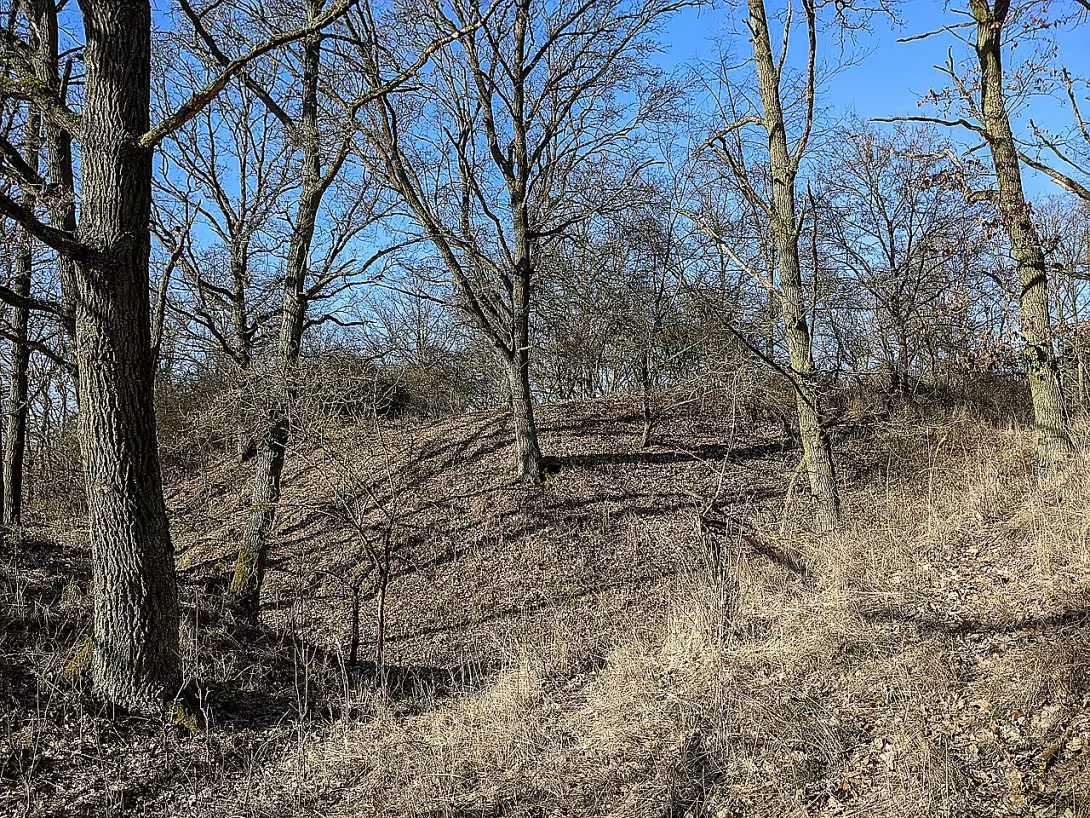
Frumštejn is a ruined castle located in the Czech Republic near the villages of Hunčice and Košetice. Established at the beginning of the 14th century by members of the Hroznatovci family, it stands as a testament to medieval fortification architecture. The site features remnants of its once formidable defenses, including a significant moat and rampart that are among the most visible remains today. Recognized for its historical significance, Frumštejn has been protected as a cultural monument since 1964.
The origins of Frumštejn date back to the early 14th century when it was founded by members of the Hroznatovci family during significant political changes under the Luxembourg dynasty in Bohemia. The castle's history is notably intertwined with the Hussite Wars, which occurred during King Jiří of Poděbrad's reign in the mid-15th century. This era was marked by religious and civil strife that influenced many noble families and their holdings.
Architecturally, Frumštejn had a rectangular core surrounded by substantial defensive features. The castle's defenses included a moat and rampart, which were expanded and reinforced with earth bastions on the northern and eastern sides in the 15th century. Although no structures from the original core have survived, these fortifications remain as significant remnants of its past grandeur.
Ownership of Frumštejn changed hands during turbulent times. Initially held by the Hroznatovci family, it later became associated with the lords of Frumštejn. During King Jiří of Poděbrad's reign, the castle was captured twice—first by royal forces and subsequently by Burjan z Gutštejna's troops. Following these events, Burjan integrated Frumštejn into his Všeruby estate.
The historical narrative of Frumštejn includes its first documented mention in 1457 as part of the possessions of the lords of Frumštejn. By 1521, it was noted as abandoned, marking the end of its active role in regional history. These events highlight the castle's involvement in significant political and military conflicts of its time.
Today, Frumštejn stands as a cultural monument with only its earthworks remaining visible to visitors. The site is situated on a plateau above the Košetický stream, offering picturesque landscapes that enhance its historical allure. Despite being largely in ruins, Frumštejn's remnants provide valuable insights into medieval fortification techniques and the turbulent history of Bohemia during the 14th and 15th centuries.
Visiting Frumštejn offers a unique opportunity to explore a piece of Czech history embedded within its landscape. The site invites visitors to reflect on the past lives that once thrived here, making it a worthwhile destination for those interested in medieval architecture and history.
Then and now
Drag the slider to compare how the landmark may have looked when it was built with the view today.
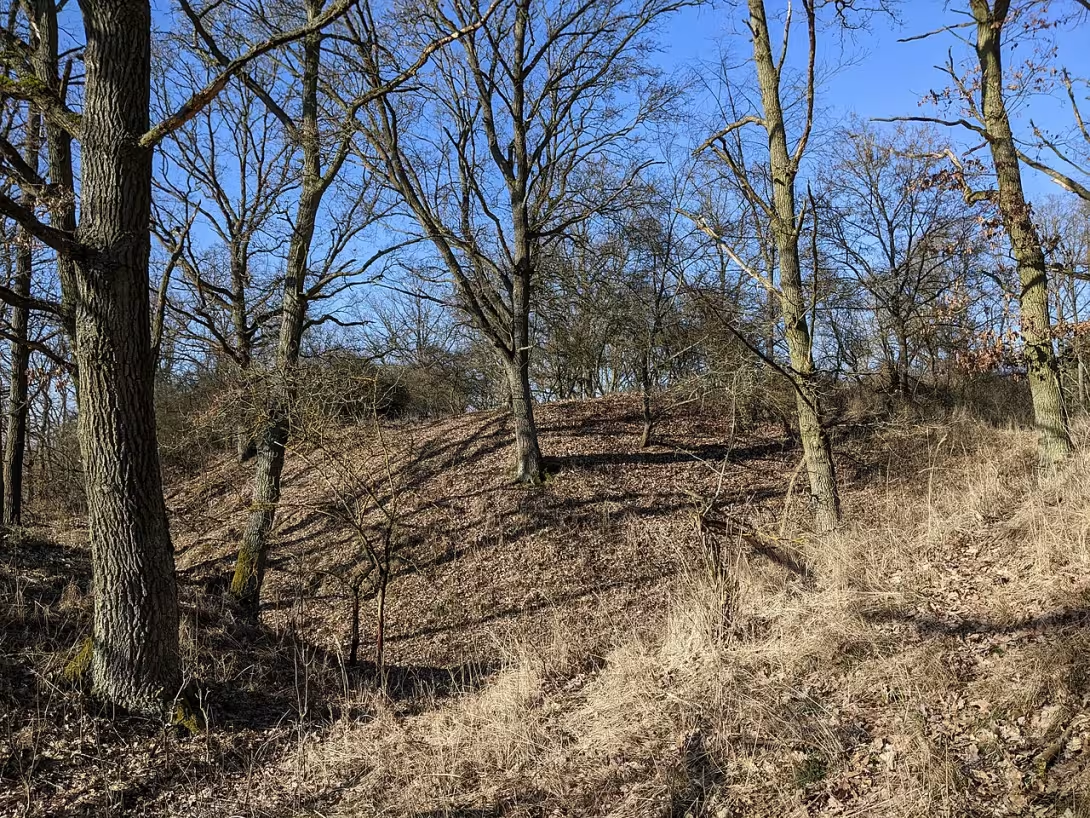

The historical appearance on the left is an AI-generated visualisation and serves as inspiration only.
Historical milestones
- c. 1300
- Founding of Frumštejn Castle by members of the House of Rosenberg.
- 1457
- First written mention of the castle as property of the lords of Frumštejn.
- c. 1460-1471
- During the reign of King George of Poděbrady, involvement in the Hussite Wars and changes in ownership of the castle.
- 1521
- Frumštejn Castle is recorded as abandoned.
- 1964
- The castle is protected as a cultural monument.
Architectural development
The core of the castle had a rectangular layout, surrounded by a substantial moat and rampart. In the 15th century, the rampart was partially expanded and reinforced with earth bastions on its northern and eastern sides. No structures from the original core have survived.
Historical events
The castle was first documented in 1457 as part of the possessions of the lords of Frumštejn.
It was captured twice during the reign of King Jiří of Poděbrad, once by royal forces and later by Burjan z Gutštejna's troops.
Owners
Initially owned by the Hroznatovci family, later associated with the lords of Frumštejn. Burjan z Gutštejna acquired it during conflicts under King Jiří of Poděbrad and integrated it into his Všeruby estate.
Points of interest
- Despite its current state as a ruin, Frumštejn was once part of the Všeruby estate after Burjan z Gutštejna captured it during King Jiří of Poděbrad's reign. This integration highlights how castles could shift roles from military strongholds to components of larger noble estates.
- The castle's moat and rampart, which are among its most visible remains today, were expanded in the 15th century with earth bastions on the northern and eastern sides. This adaptation reflects evolving medieval fortification strategies in response to changing warfare technologies and tactics.
- Although Frumštejn was first mentioned as part of the possessions of the lords of Frumštejn in 1457, by 1521 it had already been abandoned. Its rapid decline from an active noble possession to a deserted site underscores the volatile nature of political and military fortunes during that era.
- The Hroznatovci family, who founded Frumštejn at the beginning of the 14th century, were part of broader political changes under the Luxembourg dynasty in Bohemia. This connection illustrates how local noble families were influenced by larger dynastic shifts across Europe.
- Frumštejn's involvement in the Hussite Wars during King Jiří of Poděbrad's reign highlights its strategic importance amid religious and civil conflicts that shaped much of 15th-century Bohemia. The castle's capture by different factions reflects the intense struggle for power during this turbulent period.
Guide
This guide is narrated by a synthetic voice generated by artificial intelligence.
Show guide text
This text was created by artificial intelligence and has not been editorially reviewed. It may contain inaccuracies.
Welcome to the historic site of Frumštejn Castle, nestled in the scenic landscape near the villages of Hunčice and Košetice in the Czech Republic. As you stand here today, surrounded by the remnants of what was once a formidable stronghold, take a moment to absorb the serene yet haunting atmosphere that envelops this place. The most prominent features catching your eye are the significant moat and rampart—silent witnesses to centuries past.
Let's delve into the origins of Frumštejn Castle. Established at the dawn of the 14th century by members of the Hroznatovci family, this castle was born out of a need for defense and control in an era marked by territorial disputes and power struggles. It’s fascinating to think about how these early builders laid down stones that would endure through turbulent times.
As you explore further, notice the remnants of fortifications that stretch before you. The moat, though now dry, once served as a formidable barrier against invaders, while the rampart stands as a testament to medieval military architecture. These features are what remain most visible today, providing us with glimpses into the castle’s past grandeur.
Frumštejn Castle has been home to many historical figures and stories. The first written mention of the castle dates back to 1457 when it was recorded as property of the lords of Frumštejn. During the reign of King Jiří z Poděbrad, around 1460-1471, the castle played a role in the Hussite wars—a period marked by religious and political upheaval. It changed hands during these times, reflecting the shifting tides of power.
A particularly intriguing chapter in its history involves Burjan z Gutštejna. After capturing Frumštejn, he integrated it into the Všeruby estate, showcasing how castles could evolve from military bastions to integral parts of larger noble domains. This transition highlights the fluid nature of medieval politics and land ownership.
Despite being largely in ruins today, Frumštejn was officially recognized as a cultural monument in 1964, ensuring its preservation for future generations. While it may no longer stand tall, its legacy continues through these protected remnants that tell tales of resilience and transformation.
As you continue your exploration, let the atmosphere of this historic site inspire reflection on the passage of time and the stories etched into every stone. We invite you to discover more about Frumštejn Castle's past, imagining the lives once lived within its walls. Thank you for joining us on this journey through history.
Tips for visitors
The best time to visit Frumštejn is during late spring or early autumn, when the weather is pleasant for exploring outdoor ruins and the surrounding landscapes are lush with greenery or vibrant fall colors. These seasons offer comfortable temperatures and fewer crowds compared to summer, enhancing your experience of the picturesque plateau above the Košetický stream.
It's advisable to check current transportation routes online before your visit.
When visiting Frumštejn, it is recommended to bring comfortable walking shoes as there are uneven paths and steps leading up to and around the ruins. Also consider bringing water, sunscreen, and a hat for sun protection, especially during warmer months. A packed lunch or snacks can be useful if you plan to spend several hours exploring.
For photography enthusiasts, Frumštejn offers excellent opportunities with its dramatic backdrop of natural landscapes. The best light is typically found during the golden hours—shortly after sunrise and before sunset—when shadows are long and colors are warm. Popular spots for capturing the ruins include viewpoints that offer expansive views of the surrounding area.
Nearby attractions within a 30-minute drive or walk from Frumštejn include the charming villages of Hunčice and Košetice, where you can explore local history and enjoy scenic walks. For families with children, these areas provide opportunities for outdoor activities such as hiking trails that are suitable for all ages.
Frequently asked questions
Can the monument be visited?
This is a ruin. Such sites are often freely accessible, but some can only be visited with a guide or are closed for safety reasons. We have not verified the current situation – take care and respect any restrictions.
Where is the monument?
Location: Hunčice, Plzeňský kraj. The map on this page shows the exact spot.
Why is the monument protected?
It is listed in the Central List of Cultural Monuments of the Czech Republic as a cultural monument (register no. 22107/4-1248).
Businesses nearby
Do you run a restaurant, accommodation, shop, museum, rental, wellness or other visitor service near this monument? Show yourself directly to the people heading to it — this is how they will see you in the app and on the web:
Nearby
Frumštejn is situated on a plateau above the Košetický stream, surrounded by picturesque landscapes and near the villages of Hunčice and Košetice.
Accommodation nearby
Trips and activities nearby
Guided tours, tickets and activities nearby from GetYourGuide
Affiliate link: if you buy from the partner, we may receive a commission. The price for you does not change.
Search tours and activities →Themed route
Tematická výletní trasa kolem Frumštejna
1. Frumštejn (hrad)
Typ: Historická památka
Proč stojí za návštěvu: Frumštejn je jedinečný hrad postavený na ploché vyvýšenině nad Košetickým potokem, nabízející fascinující historii a výhledy. Jeho architektura přitahuje návštěvníky zájmem o středověkou obranu a krásnými panoramatickými výhledy na okolní krajinu.
2. Košetický potok
Typ: Přírodní prvek
Proč stojí za návštěvu: Tento potok, který tekne pod hradem Frumštejnem, nabízí mírné a klidné procházky. Je to ideální místo k relaxaci a užívání si přírodního prostředí, s možností pozorovat místní flóru a faunu.
3. Hunčice (vesnice)
Typ: Městská památka
Proč stojí za návštěvu: Hunčice je malebná vesnice s bohatou historií, která se nachází nedaleko Frumštejna. Je to skvělý příklad tradičního českého venkova a nabízí návštěvníkům možnost prozkoumat místní kulturu a architekturu.
4. Košetice (vesnice)
Typ: Městská památka
Proč stojí za návštěvu: Košetice, sousedící s Hunčicemi, je další malebnou vesnicí v okolí Frumštejna. Je známá svými historickými budovami a přátelským prostředím, což ji činí ideálním místem pro návštěvu po prozkoumání hradu.
5. Okolní krajinářské výhledy
Typ: Přírodní prvek
Proč stojí za návštěvu: Po cestách mezi Frumštejnem, Hunčicemi a Košeticemi si můžete užít pohledy na rozlehlou krajinu Plzeňského kraje. Tyto výhledy nabízejí klidné okamžiky pro pochopení krásy a rozmanitosti české přírody.
Tato trasa umožňuje návštěvníkům prozkoumat historii, kulturu a přírodu v oblasti Frumštejna a jeho okolí.
Seasonal recommendations
Spring: Visiting Frumštejn Castle ruins during spring offers a refreshing experience as nature begins to awaken. The landscape is adorned with vibrant wildflowers and budding trees, creating a picturesque backdrop for exploration. This season brings a gentle atmosphere, ideal for leisurely strolls through the grounds. As temperatures gradually rise, it's advisable to wear comfortable layers that can be adjusted throughout your visit. While springtime tends to draw fewer crowds than summer, arriving early in the morning allows you to enjoy the serene beauty of the ruins without disturbance.
Summer: Summer at Frumštejn Castle is characterized by lush greenery and warm sunshine, making it a popular time for visitors. The castle grounds are alive with activity as families and tourists alike take advantage of the extended daylight hours. With the increased foot traffic, planning your visit early in the day or later in the afternoon can help avoid peak times. Comfortable walking shoes and light clothing are recommended to navigate the terrain comfortably under the summer sun. Don't forget to bring water to stay hydrated as you explore the historic site.
Autumn: Autumn at Frumštejn Castle offers a stunning display of fall colors, with the surrounding landscape transformed into a tapestry of reds, oranges, and yellows. The cooler temperatures make for pleasant exploration, allowing visitors to appreciate the ruins without the summer heat. This season is ideal for photography enthusiasts seeking the perfect autumnal shot. As the days grow shorter, it's wise to plan your visit during daylight hours. Layered clothing will help you adjust to varying temperatures throughout the day.
Winter: Winter at Frumštejn Castle presents a unique charm as snow blankets the ruins, creating an enchanting and quiet atmosphere. The stark beauty of the landscape is accentuated by the contrast between the white snow and the ancient stones. While winter weather can be unpredictable, it's essential to dress warmly in layers, including waterproof outerwear if necessary. Be mindful that some areas may have limited access due to snow or ice, so check for any seasonal closures before your visit. Visiting during weekdays can also help you avoid larger crowds seeking a winter escape.
Visualizations and artistic views


The visualisations are generated by artificial intelligence and serve as inspiration.
Photos from the area
Real photos taken near the monument


Zdroj a licence jsou uvedeny u každého snímku.
Tips from visitors
No tips yet. Be the first!
Log in and add your tip.
Sources and literature
Photos: MartinVeselka / CC BY-SA 4.0 — Wikimedia Commons. The author and licence also appear when you hover over the image.
Faktickým podkladem tohoto textu byl článek na Wikipedii, jehož autory jsou přispěvatelé Wikipedie. Článek je dostupný pod licencí CC BY-SA 4.0.
Location on the map
More monuments – Hunčice
Show all in the municipality

Příběhy a pověsti
Legendy, pověsti a příběhy spjaté s touto památkou
Fotografie návštěvníků
Zatím žádné fotografie. Buďte první, kdo přidá fotografii z návštěvy!
Log in a přidejte svou fotografii nebo hodnoťte.
Za ověřenou návštěvu v aplikaci získáte víc bodů — poznáme podle GPS, že jste na místě.
Reviews and comments