






Haasova vila Villa
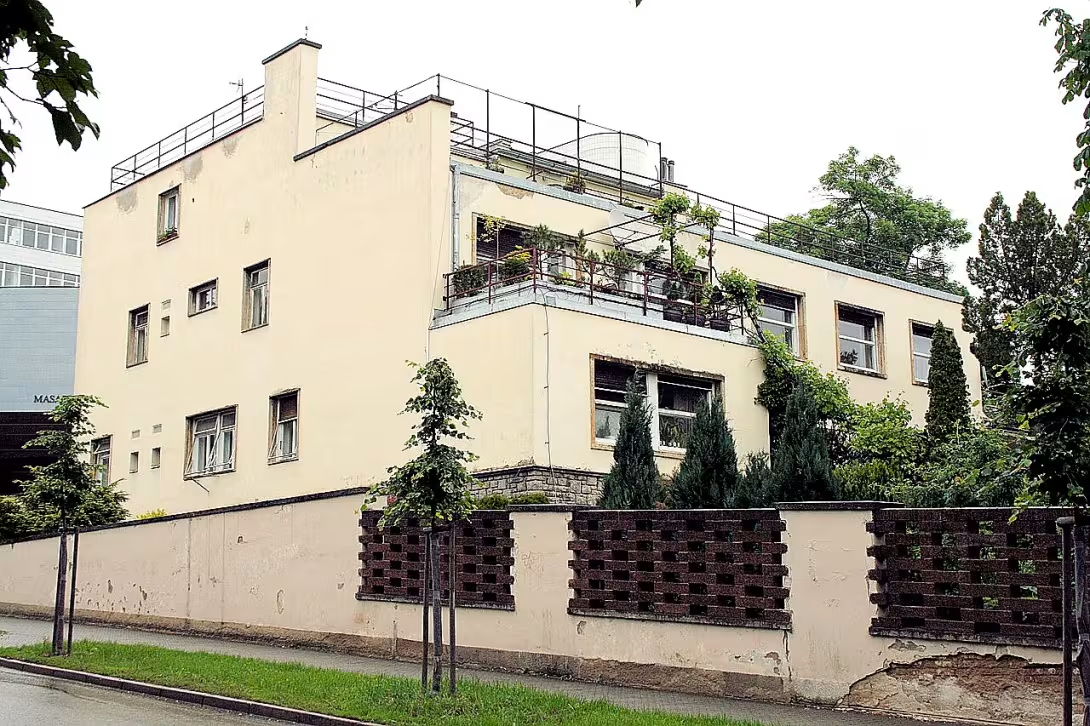
Haasova vila in Brno-Pisárky is a remarkable example of functionalist architecture from 1928-1930. It was built for the CEO of the Brno branch of the Anglo-Czechoslovak bank Gustav Haas. It is situated on the edge of the Pisárecka basin at the southern foot of the Yellow Hill, close to the other realization of the Brno architect Ernst Wiesner.
The villa was established during the first republic's boom, when Brno was one of the centres of European functionalism. The architecture of that time reflected the modernisation of society and the interest in rational use of space. The construction of Haas' villa was completed in 1930.
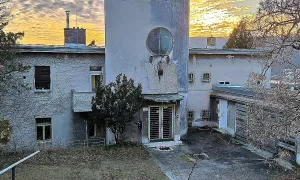
The villa consists of a two-story quad with a flat roof and attached lower blocks for auxiliary operations and garages. The exterior uses travertine window champagne and originally had grey blue façade. The obvious element is the spiral staircase leading from the terrace of the first floor in the courtyard of the house. Strong functionalist exterior design is disrupted only by travertine window shambas.
In contrast to the moderation of the exterior, the interior was equipped. The dining room on the ground floor was equipped with a decorative beam ceiling and parquet floor, wooden table, chairs and cutlery were made in a historic style. However, only a fraction of the interior equipment was preserved.
The villa was built for the Haas family, who abandoned it in 1939 because of its Jewish origins and emigrated to England. In 1948 the villa was nationalized and since 1955 it became the owner of the state and later the home administration of the Brno City National Committee. Since 2023, the building has been a cultural monument. The villa is currently divided into private apartments.
There is another realization of architect Wiesner, such as Stiassni Villa, Münz Villa and Neumark Villa in the vicinity of the villa.
The object is remarkable with its moderate architecture and specific nautical appearance. It is also remarkable in its history and present. Haasova vila is worth a visit because it offers a unique view of the development of architecture in the first republic and the life of the Haas family.
Then and now
Drag the slider to compare how the landmark may have looked when it was built with the view today.
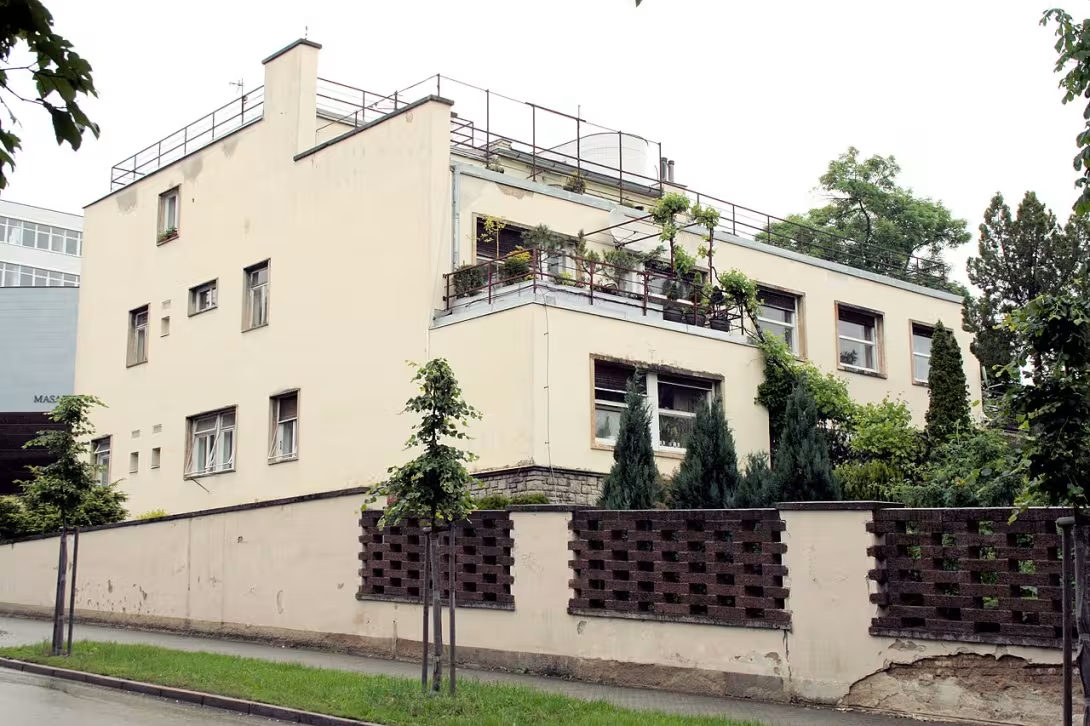
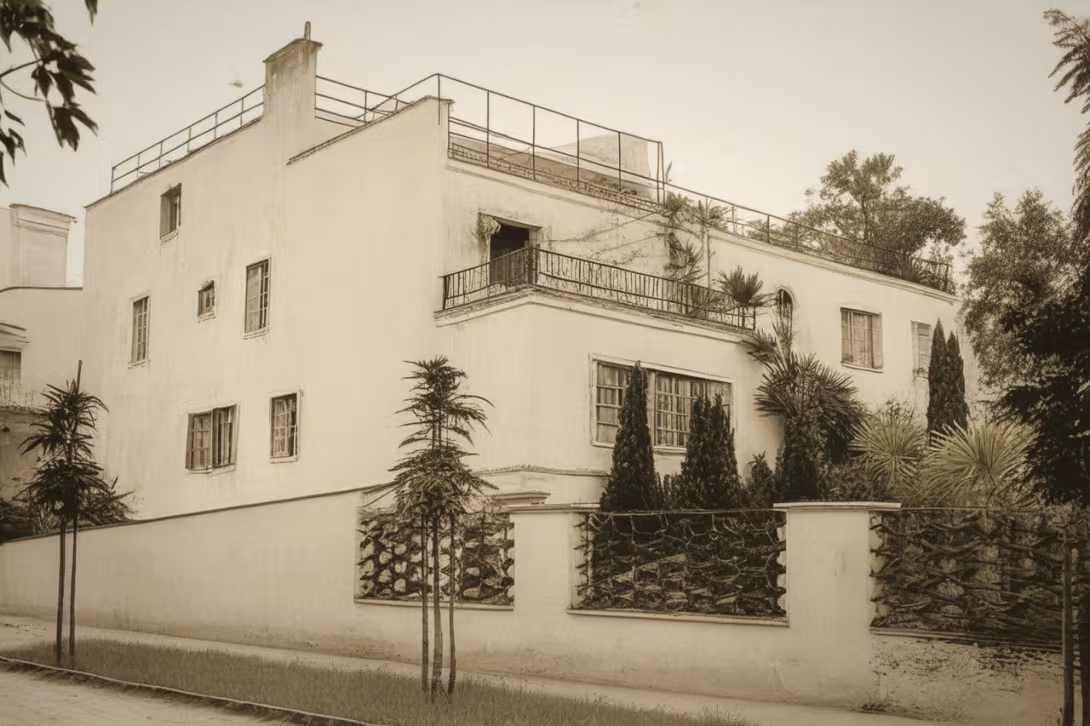
The historical appearance on the left is an AI-generated visualisation and serves as inspiration only.
Historical milestones
- 1928
- The beginning of the building of the villa.
- 1930
- Construction completion.
- 1939
- The Haas family emigration to England.
- 1948
- The nationalization of the villa.
- 2023
- A list of cultural monuments.
Architectural development
The building consists of a two-storey block with a roof and attached lower blocks for auxiliary operations and garages. The exterior uses travertine window champagne and originally had grey blue façade. The interior was equipped in contrast to the exterior in decorative historical style.
Historical events
1939: Leaving the house by the Haas family for Jewish origin and emigration to England. 1948: Nationalization of the villa. 2023: Announcement of the building by cultural monument.
Owners
Gustav Haas (1930-1939), State (since 1948), Home Administration of Brno City National Committee (since 1955), Privacy (currently).
Points of interest
The villa was built for the Haas family, who abandoned it in 1939 because of her Jewish background and emigrated to England. - The villa is remarkable with its modest architecture and specific nautical appearance. The villa is remarkable in its history and present. - The villa offers a unique view of the development of architecture in the first republic and the life of the Haas family. The villa has been a cultural monument since 2023.
Guide
Show guide text
This text was created by artificial intelligence and has not been editorially reviewed. It may contain inaccuracies.
Welcome to Haas's villa in Brno. You are facing a unique monument that boasts functionalist architecture from the early 1930s. The villa with its flat roof solution and terraces will welcome you with its nautical appearance, which is particularly remarkable for the eyes of a modern spectator. This architectural jewel now boasts recognition as a cultural monument and offers you a valuable view of the past.
Let's move back in time to understand how this villa came to be. In 1928, the foundation for the building was designed by the architect Ernst Wiesner. It was built for Gustav Haas, CEO of the Brno branch of the Anglo-Czechoslovak bank. The project was completed in 1930 and the Haas family settled in this elegant home, which was designed with the latest technical innovations of that time.
Look up at the moderate facade of the villa. Note the flat roof and terraces that supply the building with its unique nautical character. These elements not only decorate the exterior, but also reflect functional principles of architecture at the time, where each detail had its purpose and purpose.
The villa is connected to several key historical personalities. Gustav Haas, for which the villa was built, was one of the important members of the financial sphere of that time. His life and career are inextricably linked to this building. In 1939 due to its Jewish origin Gustav Haas emigrated with his family to England, which meant the beginning of a new chapter in the history of this monument. After World War II, in 1948, the villa was nationalized.
Now look at the interesting features of this villa: its history is a story of courage and adaptation. Although the Haas family left this house because of the tragic events of the 20th century, the villa remained a witness to the architectural art and history of this area.
By inviting you to further explore, I would like to thank you for visiting Haas' villa. I hope you have learned a lot during this guide about this historical monument and its stories. If you wish to explore more about the functionalist architectural style or other cultural monuments in Brno, you will be welcome. With God, and we wish your journey through history to be as illuminating as our guide to Haas's villa!
Tips for visitors
The best time to visit Haas's villa is during the spring or autumn months when the weather is pleasant and light ideal for photography.
It is advisable to bring a camera and a telescopic lens so that you can take quality photos of the facade and interior of the villa.
In the vicinity of Haas' villa stands the villa Stiassni, which is also an important functionalist monument. It's possible to look there during one visit.
It is advisable for families with children to visit villas nearby where children can have fun while learning something about architecture and history.
Frequently asked questions
Can the monument be visited?
This is a residential or farm building, not a museum with opening hours. Please view it from public space and respect the owners' privacy. We have no information about access to the interior. According to the heritage register restoration is under way, so access may be restricted.
Where is the monument?
Location: Pisárky, Jihomoravský kraj. The map on this page shows the exact spot.
Why is the monument protected?
It is listed in the Central List of Cultural Monuments of the Czech Republic as a cultural monument (register no. 1999995309).
Businesses nearby
Do you run a restaurant, accommodation, shop, museum, rental, wellness or other visitor service near this monument? Show yourself directly to the people heading to it — this is how they will see you in the app and on the web:
Events nearby


Zdroj akcí: otevřená data měst a obcí ČR (Národní katalog otevřených dat) a kalendář akcí Národního památkového ústavu.
Nearby
Vila stojí na jižním úpatí Žlutého kopce v blízkosti dalších realizací architekta Wiesnera, jako jsou vila Stiassni, Münzova vila či vila Neumark.
Accommodation nearby
Trips and activities nearby
Guided tours, tickets and activities nearby from GetYourGuide
Affiliate link: if you buy from the partner, we may receive a commission. The price for you does not change.
Search tours and activities →Themed route
Thematic cruise route around Haas's villa
1.Haasova vila (villa) This architectural pearl stands at the southern foot of the Yellow Hill and is one of the most famous works by architect Adolf Wiesner. It is a great example of modern architecture in the late 19th century that combines elegant design with functionality. The villa is famous for its unique construction and historical significance.
2. Villa Stiassni (villa) About 10 minutes' walk from Haas's villa is Villa Stiassni, another work by Wiesner. This villa is an example of its ability to integrate modern architectural elements into the rural environment. It's the perfect place for those who want to understand the development of Wiesner's architecture.
3. Münz Villa (Villa) After visiting Vil Stiassni you can go to Münz's villa, which is also near Haas' villa. This villa represents another aspect of Wiesner's architectural art and its ability to adapt design to individual needs of clients.
4. Villa Neumark (villa) The final point of the route is Villa Neumark, which is located close to the other Wiesner realization. This villa demonstrates its innovative approach to architecture and its integration into the natural environment, which is an ideal conclusion for those who want to understand the overall impact of Wiesner's work on the region.
This route offers a view of one of the most important architects of his time and his influence on the local architectural landscape.
Seasonal recommendations
Spring: In spring the Haasova vila gets a new shine when flowers and trees start to green. The sun rays illuminate the architectural beauty of the villa and its surroundings are full of life. For visitors this period offers a quieter atmosphere than in summer peak time. It is recommended to visit morning or evening to enjoy mild temperatures and natural light without excessive crowds. A good idea is to wear clothes suitable for a mild period of the year, such as hats or light jackets.
Summer: In the summer season, Haasova vila offers a full miracle of nature. Green garden and flowers in bloom form an ideal background for photography and relaxation on outdoor platforms. However, it is important to remember that there are considerable crowds in the main summer period. We recommend you visit in the early afternoon or evening to avoid peak hours and enjoy milder temperatures. Remember the sun's protective creme and light clothes for comfortable walks.
Autumn: In autumn the Haasova vila becomes melancholic beauty when leaves fall and colour the surrounding landscape. The sunlight is less intense, which gives the atmosphere a romantic touch. This period is ideal for a quiet tour without too many crowds. We recommend wearing warmer clothes and maybe even shoes suitable for muddy sidewalks, because autumn can sometimes be wet.
Winter: In winter, Haasova vila offers a calm atmosphere when the surrounding area is covered with snow and trees are free. Lighting can be specially adapted for winter visits, which gives the villa a magical look. We recommend wearing warm clothes such as fur jackets and hats, and visiting in the morning or evening for milder temperatures.
Visualizations and artistic views


The visualisations are generated by artificial intelligence and serve as inspiration.
Photos from the area
Real photos taken near the monument


Zdroj a licence jsou uvedeny u každého snímku.
Tips from visitors
No tips yet. Be the first!
Log in and add your tip.
Sources and literature
Photos: Martin Strachoň / CC BY-SA 3.0 — Wikimedia Commons. The author and licence also appear when you hover over the image.
Faktickým podkladem tohoto textu byl článek na Wikipedii, jehož autory jsou přispěvatelé Wikipedie. Článek je dostupný pod licencí CC BY-SA 4.0.
Location on the map
More monuments – Pisárky
Show all in the municipality
Příběhy a pověsti
Legendy, pověsti a příběhy spjaté s touto památkou

Fotografie návštěvníků
Zatím žádné fotografie. Buďte první, kdo přidá fotografii z návštěvy!
Log in a přidejte svou fotografii nebo hodnoťte.
Za ověřenou návštěvu v aplikaci získáte víc bodů — poznáme podle GPS, že jste na místě.
Reviews and comments