



Hanavský pavilon Building
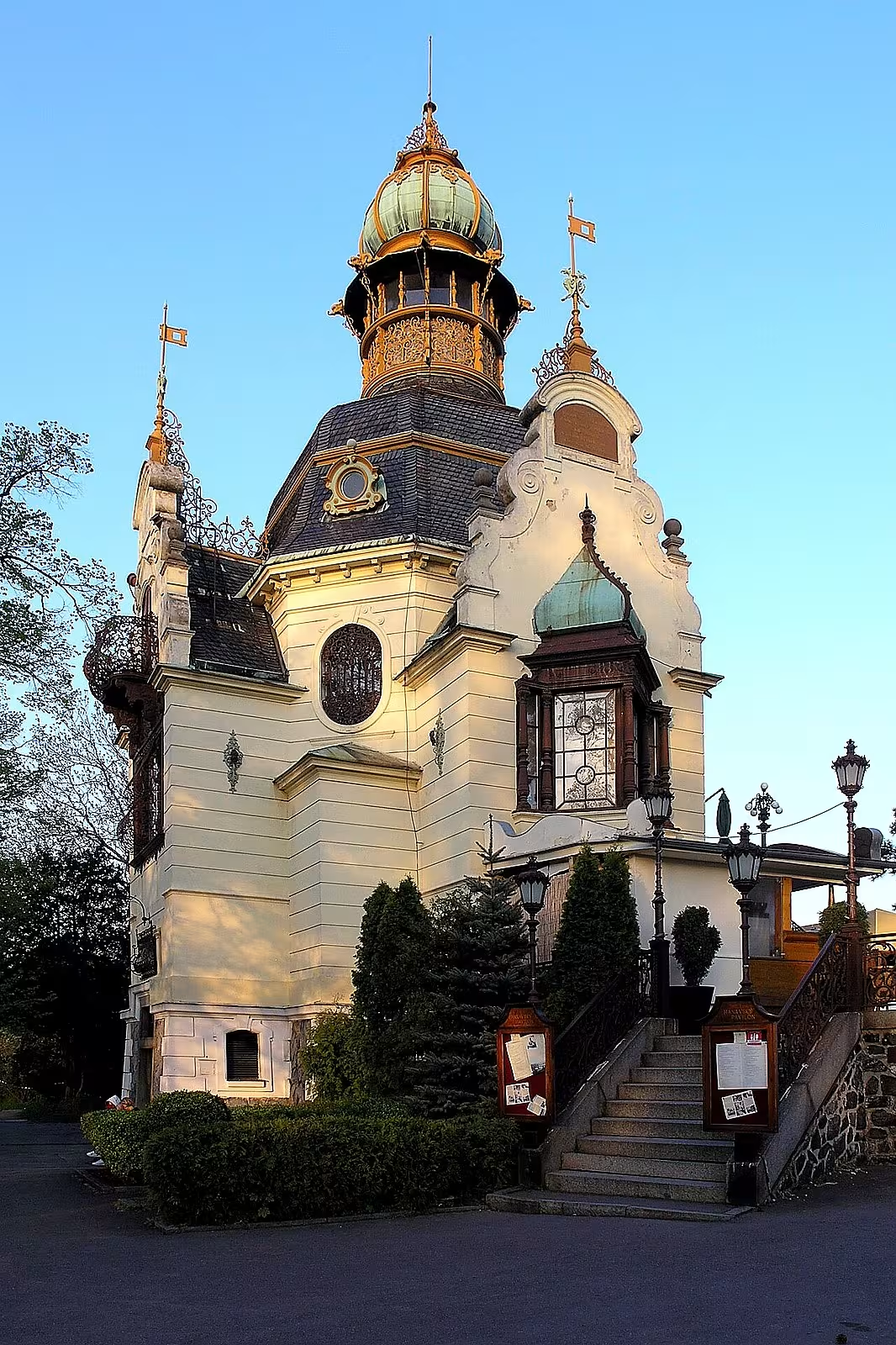
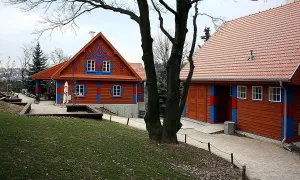
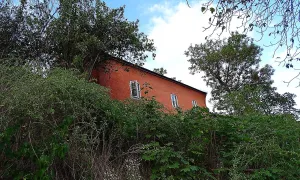
Hanavský pavilon is a distinctive Neo-Baroque building from 1891, located in the Letenské orchards in Prague 7. The building combines cast iron construction with raked masonry and serves as a sightseeing restaurant. It is an important technical monument and dominant of the Prague panorama when viewed by Vltava.
The construction was created as a representative pavilion of Komárovský ironworks for the Jubilee Earth Exhibition in 1891. The name is derived from the owner of the hardware factory, Prince Wilhelm Hanavski. The pavilion dates back to the end of the 19th century, when industrial expansion and the era of historism culminated in the Czech countries, for which it was typical to combine older styles with modern technical possibilities of cast iron.
The architectural design was developed by Otto Haiser and Josef Hercík, decorative details designed by artist Zdeněk Emanuel Fiala. The construction of the building is cast iron, the foundations are stone and brick, the circumferential wall is paved with concrete and richly glazed. The equipment includes granite stairs and concrete terrace. Although it is an important technical monument, it is not the oldest cast iron construction in Prague; This primacy belongs to the hall and platform of the Masaryk railway station from 1862.
Originally, the pavilion was the property of Komárovský ironworks, but after the exhibition the Prince Hanavský donated it to the city of Prague. Subsequently, the object was dismantled and moved to its current location in Letenské orchards. The original entry pair of pylons with statues Antonín Procházky and František Hergesel, as well as the lunette bed with the floral inscription SALVE, were not restored.
In the course of the 20th century, the pavilion underwent two challenging reconstructions in 1967 and 1987. These interventions included restoration of individual parts and replacement of damaged elements. However, the second reconstruction deviated from the original state in some details. The shale roofing was removed, the abrasion of rounded transverse window frames and the replacement of original cast iron candelabra for large-scale types. A modern grate was also installed in front of the basement staircase.
Currently, the pavilion works as a sightseeing restaurant. Thanks to its location in the vicinity of Kramářová Villa and its location in Letenské orchards, it offers panoramic views of Prague. The building remains a valuable proof of technical maturity and aesthetic sensations of the end of the 19th century and the visit to this place allows direct contact with the history of Prague's exhibition.
Then and now
Drag the slider to compare how the landmark may have looked when it was built with the view today.
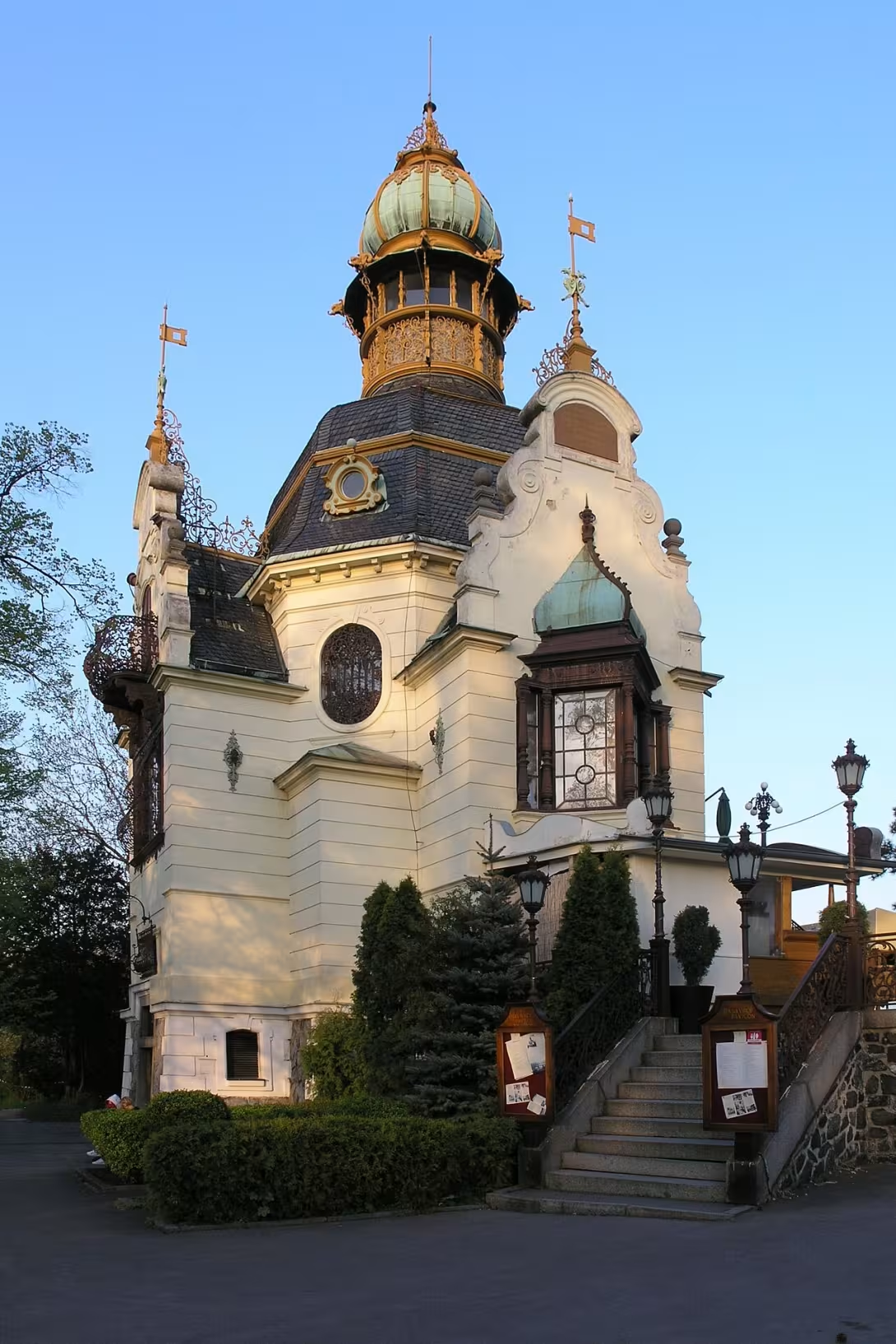
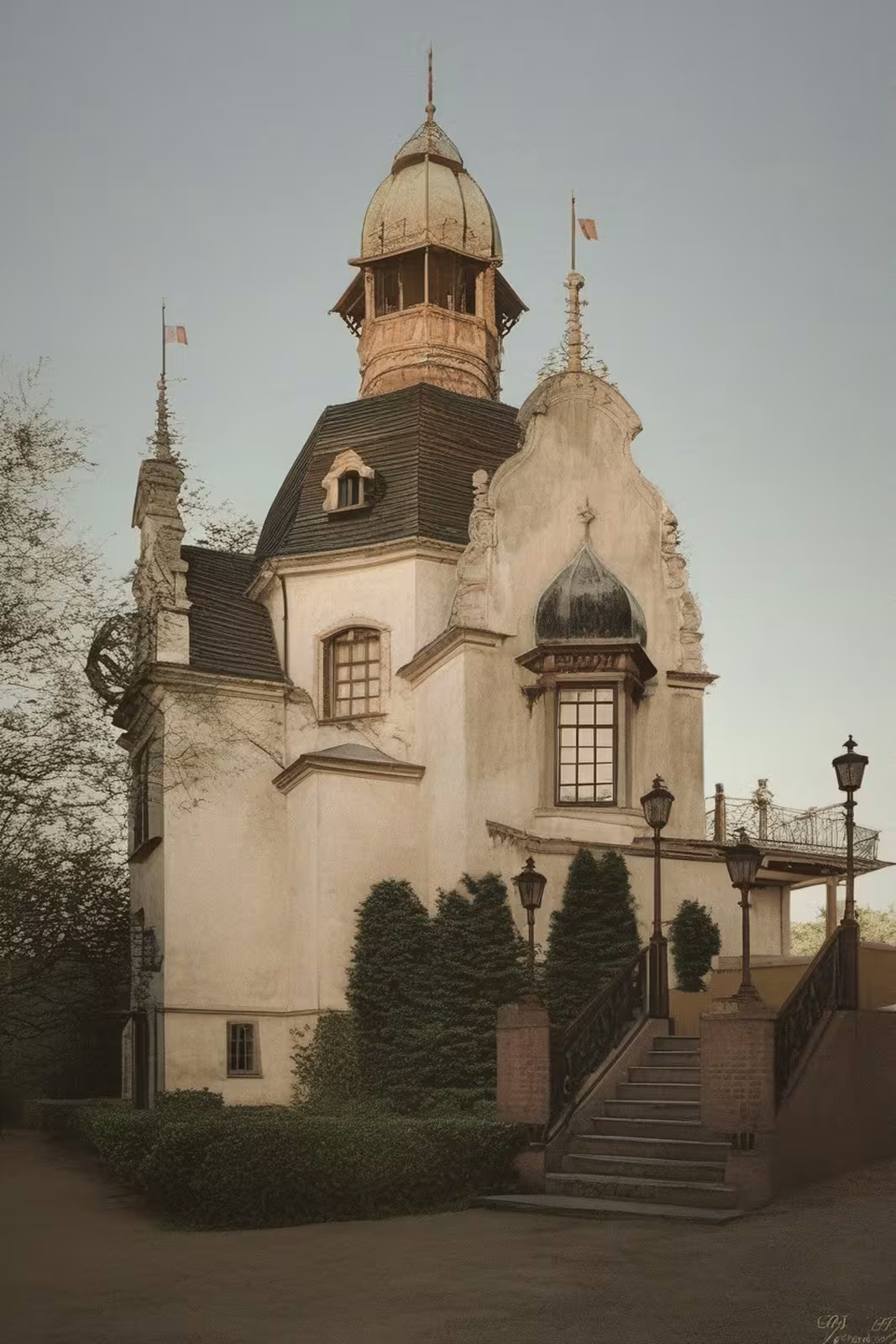
The historical appearance on the left is an AI-generated visualisation and serves as inspiration only.
Historical milestones
- 1891
- A pavilion for the Jubilee Earth Exhibition.
- 1967
- First demanding reconstruction and restoration.
- 1987
- Second reconstruction associated with modifications of the construction details.
Architectural development
The construction uses cast iron construction with stone and brick foundations. The perimeter wall is covered in concrete and richly glazed. During the 20th century, the pavilion underwent two major reconstructions that changed some of the original details, such as roofing roofing or window frames.
Historical events
1891: Presentation of the pavilion at the Jubilee Earth Exhibition. 1967 and 1987: Difficult reconstruction and restoration of the building.
Owners
Originally Komárovský ironworks, subsequently donated to the city of Prague.
Points of interest
- Hanavský pavilon is a significant Neo-Baroque building from 1891. - The object combines cast iron construction with raked masonry. - The construction was created as a representative pavilion for the Jubilee Earth Exhibition in 1891. The name is derived from the owner of the ironworks at the time, Prince Wilhelm Hanavsky. The construction of the building is cast iron, the foundation is stone and brick. - Originally, the pavilion was the property of the Komárovský ironworks. - Subsequently, the object was dismantled and moved to its current location in the Letenské orchards. - During the 20th century, the pavilion underwent two challenging reconstructions. - Nowadays, the pavilion works as a sightseeing restaurant.
Guide
Show guide text
This text was created by artificial intelligence and has not been editorially reviewed. It may contain inaccuracies.
Welcome to the Letenské orchard in Prague 7, where you are now in front of one of the most famous historical monuments of the city - Hanava Pavilion. This Neo-Baroque object is likely to fascinate you with its architectural beauty and interesting features, which it carries with it for over a century.
Hanavský pavilon was originally built in 1891 as a representative object for the Jubilee Earth Exhibition. This exhibition was a saloon in honor of the 100th anniversary of the first Congress of the Czech Regional Association and was a spectacular performance of modern art, technology and culture. The pavilion you see today is the result of two renovations - the first took place in 1967 and the second in 1987. These adjustments helped to preserve its historical and aesthetic values.
Take a look up the pavilion, which is built from a unique combination of cast iron elements and a raked stone wall. This construction can surprise you with its rugged and elegant. The cast iron was an innovative material at the time, which made it possible to create complex and finely produced decorations, while the dam added solidarity and durability to the building.
The monument also has a connection with the historical personality of Wilhelm Hanavský, then owner of Komárovský Ironworks. On his behalf, the pavilion is named, which underlines the links between industrial activity and the cultural development of the period.
The interesting thing is that after the end of the Jubilee exhibition, the pavilion was not left in its original place. It was dismantled and then moved to the Letenské orchards, where it serves today as a sightseeing restaurant. This relocation process is an exceptional example of preserving the historical monument and adapting it to new purposes.
Now that you have learned of the origin and architectural features of the Hanava Pavilion, I can invite you to explore other parts of the Leten orchards. This park offers countless beauty and attractions that you should not miss.
Thank you for your attention to this historic place and I hope you will be interested in the next part of your visit. Have a nice day!
Tips for visitors
The best time to visit is during the late afternoon or at sunset, when the sun rays perfectly illuminate the decorative cast iron construction of the pavilion and offer a unique view of the panorama of the historic centre. Take with you comfortable shoes for walks in the adjacent park and camera, as the pavilion terrace provides one of the best views on Prague bridges and the Vltava River. For photography we recommend using natural light in the evening, when reflections from river level and illuminated Prague Castle in the background become an ideal background. For families with children, the location is ideal thanks to large Letenské orchards, which offer plenty of space for movement, and the vicinity of other interesting places such as Kramářová villa or the prospect towards Prague Castle.
Frequently asked questions
Can the monument be visited?
The building is in use (offices, a school, shops and the like). The interior is generally accessible only during operating hours and tours are not usually offered; we have not verified the details. You can see the exterior from the street.
Where is the monument?
Location: Praha 7, Hlavní město Praha. The map on this page shows the exact spot.
Why is the monument protected?
It is listed in the Central List of Cultural Monuments of the Czech Republic as a cultural monument (register no. 1000152650_0002). It is protected as part of a larger listed ensemble.
Businesses nearby
Do you run a restaurant, accommodation, shop, museum, rental, wellness or other visitor service near this monument? Show yourself directly to the people heading to it — this is how they will see you in the app and on the web:
Events nearby

Zdroj akcí: otevřená data měst a obcí ČR (Národní katalog otevřených dat) a kalendář akcí Národního památkového ústavu.
Nearby
Kramářova vila, Letenské sady, řeka Vltava, Pražský hrad.
Accommodation nearby
Trips and activities nearby
Guided tours, tickets and activities nearby from GetYourGuide
Affiliate link: if you buy from the partner, we may receive a commission. The price for you does not change.
Search tours and activities →Themed route
Thematic cruise route from Prague 7
1.Hanavský pavilon - Type: historical building - Why it is worth a visit: This small but elegant architectural post in Letenské orchards is famous for its unique construction and beautiful park environment. It is ideal for those who enjoy quiet moments on the green meadow overlooking the Vltava River.
2. Flight Sets - Type: park - Why is it worth visiting: Letenské sets are one of the oldest and most diverse city parks in Prague. They offer beautiful rooms for relaxation, food in the air or movement on paved pavement between old trees and flowering gardens.
3. Kramer's Villa - Type: historical building - Why is it worth visiting: This villa is a reminder of Czech romanticism and famous poet Josef Kajetán Tyl. Its architecture and historical importance are the reason why it deserves the attention of visitors.
4. River Vltava - Type: natural environment - Why is it worth a visit: The view of the river from Letenské orada is one of the most beautiful views in Prague. It is an ideal place to relax and watch light change during the day, which brings peace and tranquility.
5. Prague Castle - Type: historical monuments - Why is it worth a visit: Although Prague Castle is not part of the direct surroundings of Hanava Pavilion, its view from the Letenské orchards is unforgettable. The castle is a symbol of Czech history and culture and offers a view of the whole Prague.
This route combines quiet spaces with historical monuments, making it ideal for those who want to know the cultural wealth and natural beauty of the village Praha 7.
Seasonal recommendations
In spring the pavilion will be surrounded by awakened nature and the first flowers that give the place a fresh look. The soft spring light will highlight the architectural details of the construction. We recommend you take a lighter jacket and visit the memory in the morning when there is a quieter atmosphere.
The summer season brings rich green trees and bright sun that illuminates the whole area. There are many more visitors in the season, so it is best to come first thing in the morning to avoid crowds. Choose light, breathable clothes and don't forget the sun protection.
Autumn turns the surroundings into a colourful paradise thanks to golden leaves, which creates a romantic and a little melancholy mood. The ideal time for visiting is late afternoon, when the low sun pleasantly hits the facade. Practical will be waterproof shoes and a warm sweater.
In winter, the construction works in contrast to naked branches and freezing air very elegantly and quietly. In advent time, there is a special peace. Don't forget to wear very warm clothes and watch the shortened opening times that are typical for cold months.
Visualizations and artistic views


The visualisations are generated by artificial intelligence and serve as inspiration.
Photos from the area
Real photos taken near the monument

Zdroj a licence jsou uvedeny u každého snímku.
Tips from visitors
No tips yet. Be the first!
Log in and add your tip.
Sources and literature
Photos: Matěj Baťha / CC BY-SA 2.5 — Wikimedia Commons. The author and licence also appear when you hover over the image.
Faktickým podkladem tohoto textu byl článek na Wikipedii, jehož autory jsou přispěvatelé Wikipedie. Článek je dostupný pod licencí CC BY-SA 4.0.
Location on the map
More monuments – Praha 7
Show all in the municipality
Příběhy a pověsti
Legendy, pověsti a příběhy spjaté s touto památkou

Fotografie návštěvníků
Zatím žádné fotografie. Buďte první, kdo přidá fotografii z návštěvy!
Log in a přidejte svou fotografii nebo hodnoťte.
Za ověřenou návštěvu v aplikaci získáte víc bodů — poznáme podle GPS, že jste na místě.
Reviews and comments