






Herburský klášter Monastery
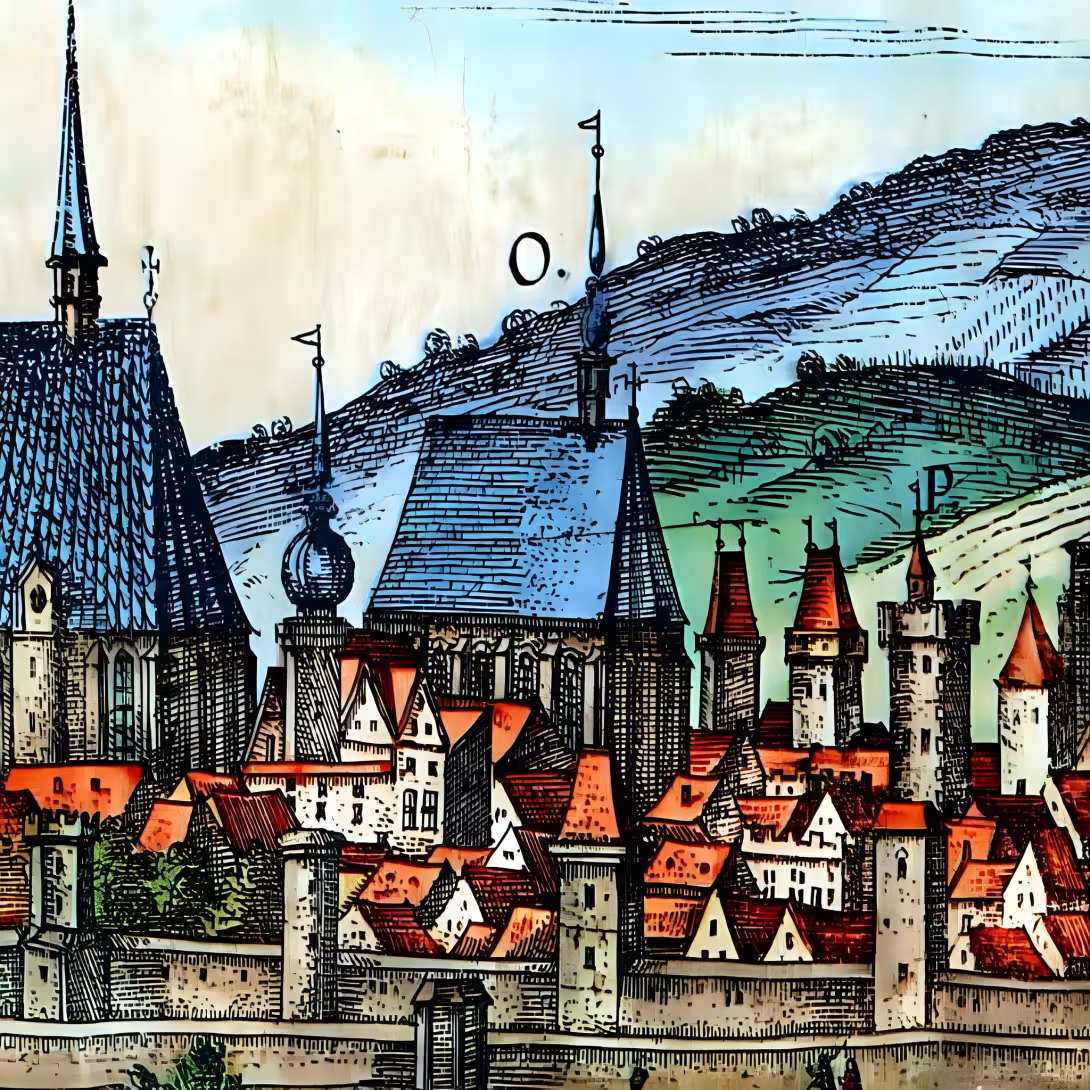
The Herburský Klášter, also known as Cella sanctae Mariae or Cella castitatis, is a historically significant site in Brno's northeastern historic center. Founded around 1240 by Oldřich Niger, this medieval convent transitioned from Augustinian to Dominican oversight under Pope Innocent IV's decree in 1248. The complex included the Church of the Assumption of the Virgin Mary and played a vital role in Brno’s spiritual life until its dissolution in 1578 when it was acquired by the Jesuits, who transformed it into their college.
The origins of Herburský Klášter are rooted in the religious fervor of the 13th century. Established around 1240 by Oldřich Niger, a devout Brno citizen, the convent initially followed Augustinian rules. By 1241, its existence was documented, and it became an integral part of Brno's spiritual landscape. The convent’s name derives from Herburga, its first prioress, who led the community under Augustinian guidance until Pope Innocent IV transferred oversight to the Dominican Order in 1248. This transition reflected broader medieval trends where monastic orders played pivotal roles in religious and social life.
Architecturally, Herburský Klášter underwent significant transformations throughout its history. Initially established as a convent, it was destroyed by fire in 1279 and subsequently rebuilt over the following decades. The complex's architecture evolved further when Jesuits acquired the site in 1578, transforming it into their college. This period saw modifications including the construction of a new church that incorporated elements from the original structure. A notable architectural discovery during early 20th-century renovations was a late Gothic three-aisled choir from the mid-13th century, which was later integrated into the exterior wall of a side chapel.
Ownership and administration of Herburský Klášter saw dramatic changes over its history. Initially founded by Oldřich Niger, it came under Dominican oversight in 1248. The convent's fortunes fluctuated, with significant events such as fires in 1279 and 1500 leading to repeated reconstructions. By the late 16th century, economic and moral challenges led to a decline in its monastic community. In 1578, Emperor Rudolf II decided that the complex would be transferred to the Jesuits, following suggestions from Olomouc Bishop Jan Grodecký. This transition marked the end of its existence as a convent.
Key events at Herburský Klášter include its establishment in 1241 under Augustinian rules and its transition to Dominican oversight in 1248. The complex faced destruction by fire in 1279, necessitating reconstruction efforts that continued into the late 13th century. By the end of the 16th century, economic difficulties led to its dissolution, with Jesuits acquiring it in 1578 and transforming it into a college. These events highlight the dynamic history of the site, reflecting broader socio-religious changes over several centuries.
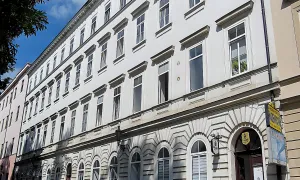
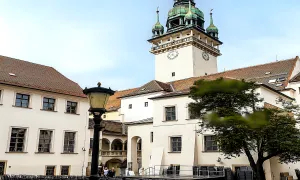
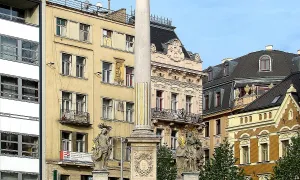
Today, the site of Herburský Klášter is located within Brno's historic center, now occupied by streets named Jezuitské, Beethovenova, Dvořákova, and Mozartova. While much of the original complex was demolished in the early 20th century during urban renovations, its historical significance remains evident through remnants like the late Gothic choir discovered during these renovations. The site offers a glimpse into Brno's rich monastic history and its evolution over time.
Herburský Klášter stands as a testament to the religious and architectural transformations that have shaped Brno’s historic landscape. Its story, from a devout convent to a Jesuit college, reflects broader medieval trends in monastic life and urban development. Visitors are invited to explore this site, where history is etched into the very streets of Brno's vibrant city center, offering insights into its past and enduring legacy.
Then and now
Drag the slider to compare how the landmark may have looked when it was built with the view today.
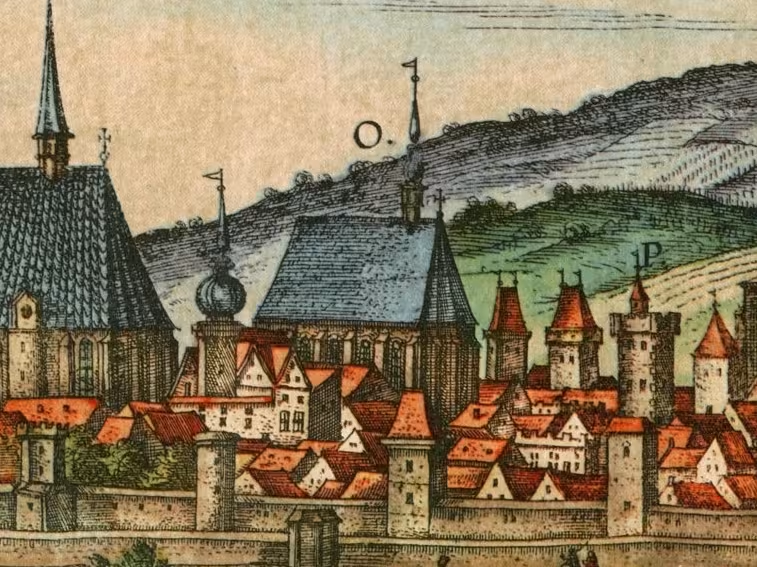
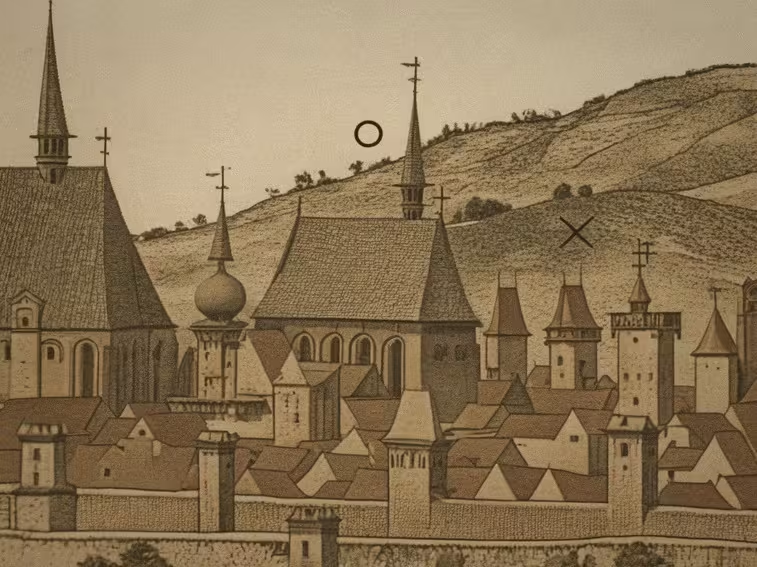
The historical appearance on the left is an AI-generated visualisation and serves as inspiration only.
Historical milestones
- 1241
- The convent was established under Augustinian rules.
- 1248
- Transitioned to Dominican oversight by Pope Innocent IV's decree.
- 1279
- The complex was destroyed by fire and subsequently rebuilt.
- 1578
- Acquired by the Jesuits, leading to its transformation into a college.
Architectural development
The Herburský Klášter underwent significant architectural changes throughout its history. Initially established as a convent, it was destroyed by fire in 1279 and rebuilt over the following decades. In the late 16th century, Jesuits acquired the site and transformed it into their college, leading to further modifications including the construction of a new church that incorporated parts of the original structure.
Historical events
Established as a convent in 1241 under Augustinian rules.
Transitioned to Dominican oversight in 1248.
Destroyed by fire and rebuilt in the late 13th century.
Dissolved and acquired by Jesuits in 1578.
Owners
Founded by Oldřich Niger around 1240
Dominican Order from 1248
Jesuit Order from 1578
Points of interest
- The Herburský Klášter is named after Herburga, its first prioress, who led the community under Augustinian rules before transitioning to Dominican oversight in 1248. This reflects how individual figures could influence monastic history and naming conventions.
- During early 20th-century renovations, a late Gothic three-aisled choir from the mid-13th century was discovered at Herburský Klášter. Remarkably, this architectural element was integrated into the exterior wall of a side chapel, showcasing how historical layers can be preserved within modern structures.
Guide
This guide is narrated by a synthetic voice generated by artificial intelligence.
Show guide text
This text was created by artificial intelligence and has not been editorially reviewed. It may contain inaccuracies.
Welcome to the historic site of Herburský Klášter, or as it's known, Cella sanctae Mariae and Cella castitatis, nestled in Brno-město within the Jihomoravský kraj. As you stand before this remarkable piece of history, take a moment to absorb its serene presence—a testament to centuries past.
The story of Herburský Klášter begins around 1240 with Oldřich Niger, a devout citizen whose vision brought about the establishment of this convent under Augustinian rules. This spiritual haven was initially guided by the principles of Augustine, reflecting a commitment to community and learning. However, in 1248, it underwent a significant transformation when Pope Innocent IV decreed its transition to Dominican oversight—a change that would shape its future path.
As you gaze upon this site today, imagine the architectural evolution from its medieval origins through various reconstructions, notably after a devastating fire in 1279. The complex once included the Church of the Assumption of the Virgin Mary, which played an integral role in its spiritual life. While specific architects remain unknown, the legacy of their work is evident in the enduring structure that stands before you.
Herburský Klášter owes much to influential figures like Herburga, its first prioress, whose leadership under Augustinian rules set a foundation for the convent's early years. The name itself honors her, highlighting how individual contributions can leave an indelible mark on history. Over time, notable personalities such as Václav I., Inocenc IV., Jiří Grodecký, and Rudolf II. have been associated with this site, each adding to its rich tapestry.
One intriguing aspect of Herburský Klášter is its transformation in the late 16th century when it was acquired by the Jesuits in 1578. This transition marked a new chapter as the convent evolved into a college, reflecting broader changes within religious and educational landscapes.
As you continue your exploration, let yourself be drawn to the stories etched into every stone—stories of faith, resilience, and transformation. I invite you to delve deeper into this fascinating site, discovering its hidden narratives and contemplating the lives that once moved through these spaces.
Thank you for joining me on this journey through time at Herburský Klášter. May your visit inspire curiosity and a deeper appreciation for the layers of history surrounding us.
Businesses nearby
Do you run a restaurant, accommodation, shop, museum, rental, wellness or other visitor service near this monument? Show yourself directly to the people heading to it — this is how they will see you in the app and on the web:
Events nearby


Zdroj akcí: otevřená data měst a obcí ČR (Národní katalog otevřených dat) a kalendář akcí Národního památkového ústavu.
Nearby
Located in the northeastern part of Brno's historic center, the site of Herburský Klášter is now occupied by streets named Jezuitské, Beethovenova, Dvořákova, and Mozartova. The area retains historical significance with remnants of its past structures.
Accommodation nearby
Trips and activities nearby
Guided tours, tickets and activities nearby from GetYourGuide
Affiliate link: if you buy from the partner, we may receive a commission. The price for you does not change.
Search tours and activities →Themed route
Herburský Klášter Thematic Walking Tour
1. Jezuitské Street: Begin your journey on this street, which is part of the historical fabric once belonging to the Herburský Klášter. As you walk along Jezuitské, take in the architectural remnants and imagine the vibrant monastic life that once thrived here. This area serves as a reminder of Brno's rich history and offers an intriguing starting point for your exploration.
2. Beethovenova Street: Continue to Beethovenova Street, named after the famous composer Ludwig van Beethoven. While primarily known for its cultural significance in music, this street also connects you with the historical layers of the area. The proximity to the former monastery site provides a unique blend of artistic and historical exploration.
3. Dvořákova Street: Next, head towards Dvořákova Street, named after Antonín Dvořák, another renowned composer. This street offers an opportunity to reflect on the cultural heritage that has influenced Brno over the centuries. As you walk here, consider how the artistic legacy of these composers parallels the historical significance of the Herburský Klášter.
4. Mozartova Street: Conclude your tour on Mozartova Street, named after Wolfgang Amadeus Mozart. This street not only celebrates musical history but also ties back to the monastic past of the area. As you end your journey here, take a moment to appreciate how the streets around the former Herburský Klášter site have been transformed into cultural landmarks that continue to honor Brno's historical and artistic legacy.
This thematic tour allows you to explore the rich history and cultural significance surrounding the Herburský Klášter, offering insights into both its past and present.
Seasonal recommendations
Spring: The arrival of spring at the site of the Brno-Židenice Monastery is marked by a vibrant transformation as nature awakens. Cherry blossoms and other flowering trees create a picturesque backdrop, casting delicate shadows over the ruins that whisper tales of the past. This season offers softer light, ideal for capturing the serene beauty of the monastery's remnants. As temperatures gradually rise, visitors should dress in layers to accommodate fluctuating weather conditions. While crowds are generally manageable, arriving early can provide a more tranquil experience before larger groups gather.
Summer: Summer at the Brno-Židenice Monastery is characterized by long days filled with warm sunlight that illuminates the historic ruins, enhancing their architectural details. The lush greenery surrounding the site creates an inviting atmosphere for exploration and relaxation. This season sees increased foot traffic as people flock to enjoy the outdoors, so it's advisable to visit early in the morning or later in the afternoon to avoid peak times. Comfortable walking shoes and light clothing are recommended, along with sun protection such as hats and sunscreen.
Autumn: The autumn months bring a rich tapestry of colors to the Brno-Židenice Monastery, as leaves turn vibrant shades of red, orange, and gold. This seasonal shift creates an enchanting atmosphere that complements the historic ambiance of the site. Cooler temperatures make for pleasant walking conditions, though visitors should be prepared with warmer layers as the days shorten. The tranquil setting is perfect for photography enthusiasts looking to capture the ruins against a colorful backdrop. While crowds diminish compared to summer, weekends can still attract more visitors.
Winter: Winter at the Brno-Židenice Monastery offers a quiet and reflective experience as snow blankets the ruins, creating a serene and almost mystical landscape. The stark beauty of the site is accentuated by the crisp winter air and softer light conditions. Visitors should dress warmly in layers to handle the cold temperatures, and be prepared for shorter opening hours due to daylight constraints. This season provides an opportunity to explore the monastery with fewer crowds, allowing for a more intimate connection with its history. Snowshoes or sturdy boots are recommended for navigating potentially slippery paths.
Visualizations and artistic views


The visualisations are generated by artificial intelligence and serve as inspiration.
Photos from the area
Real photos taken near the monument


Zdroj a licence jsou uvedeny u každého snímku.
Tips from visitors
No tips yet. Be the first!
Log in and add your tip.
Sources and literature
Fotografie: Joris Hoefnagel / Public domain, rozlišení zvýšeno umělou inteligencí — Wikimedia Commons. The author and licence also appear when you hover over the image.
Faktickým podkladem tohoto textu byl článek na Wikipedii, jehož autory jsou přispěvatelé Wikipedie. Článek je dostupný pod licencí CC BY-SA 4.0.
Location on the map
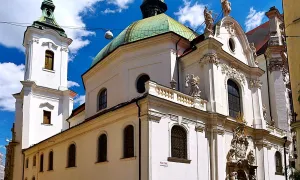
Příběhy a pověsti
Legendy, pověsti a příběhy spjaté s touto památkou
Příběh: Herburský klášter
Bylo to v pondělí ráno, kdy Martin zjistil, že vůně starých pergamenů je silnáji než obvykle, jak se objevil v chladné témnotě klášterní knihovny. Stín přech…
Číst příběh
Pověst: Herburský klášter
Podle místní pověsti, jež se v Brně šeptem předávala po staletí, byl herburský klášter místem, kde se modlitba proplétala se samotným kamenem zdí a kde první…
Číst příběhFotografie návštěvníků
Zatím žádné fotografie. Buďte první, kdo přidá fotografii z návštěvy!
Přihlaste se a přidejte svou fotografii nebo hodnoťte.
Za ověřenou návštěvu v aplikaci získáte víc bodů — poznáme podle GPS, že jste na místě.
Reviews and comments