






Horka Chateau
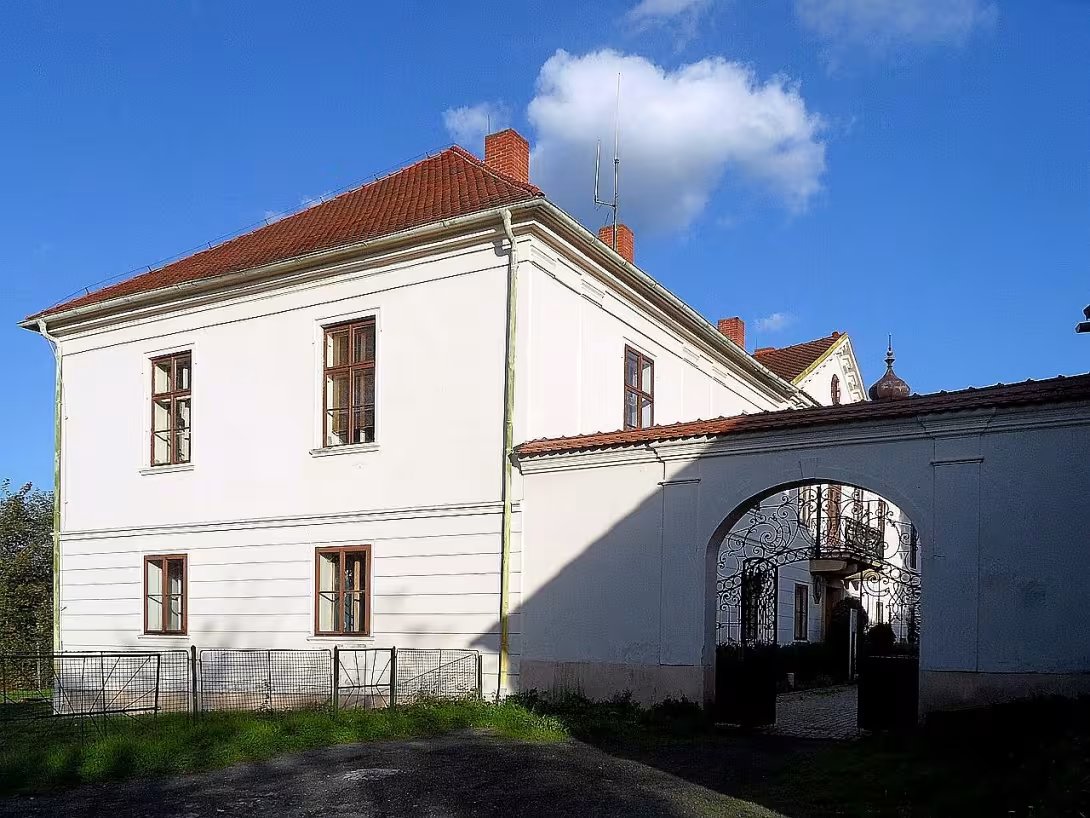
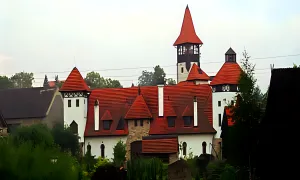
Horka Chateau is located in Horka II village, within the scenic Central Bohemian Region of the Czech Republic. It exemplifies architectural evolution from a fortress to baroque elegance and later neoclassical refinement. Originally built by Oldřich Malovec in the late sixteenth century as a fortress for a small noble estate, it transformed into a baroque chateau between 1765 and 1770. This period marked significant architectural development, further enhanced with neoclassical modifications after 1845 under Josef Štangler. Today, Horka Chateau is both a cultural monument and the seat of the local municipal office.
The origins of Horka Chateau date back to the late sixteenth century when Oldřich Malovec established it as a fortress during a time of religious and political changes across Europe, including the aftermath of the Protestant Reformation. At that time, the Czech lands were part of the Holy Roman Empire under Habsburg rule. The chateau served as a stronghold for its noble owners, reflecting the turbulent era in which it was built.
Architecturally, Horka Chateau underwent significant transformations mirroring broader European trends. Initially constructed as a fortress, its conversion into a baroque chateau between 1765 and 1770 introduced new stylistic elements, including a chapel dedicated to Saint Joseph with roccoco interior decorations. Neoclassical modifications after 1845 under Josef Štangler influenced the current appearance of the façades, showcasing an evolution in architectural tastes over time.
Ownership of Horka Chateau has seen several notable figures throughout its history. After Oldřich Malovec's initial construction, it passed through various hands including Jan z Malovic a na Štěpánově, Mikuláš Řísnický, Maria Anna Lukavecká, rozená Pešíková z Komárova, and Vidun Obytecký z Obytec. In 1748, František Antonín Ragersdorf took ownership, followed by Jan Adolf Trauttmansdorff. The chateau remained with Josef Štangler's descendants until 1949, marking a long lineage of stewardship that has contributed to its preservation and historical significance.
Throughout its history, Horka Chateau has witnessed key events shaping its legacy. Its transformation into a baroque chateau with the addition of a chapel dedicated to Saint Joseph between 1765 and 1770 stands out as pivotal in its architectural development. Later, from 1971 to 1974, it underwent extensive renovation and became the seat of the local national committee, reflecting its ongoing importance within the community.
Today, Horka Chateau is accessible to visitors who wish to explore its rich history and architectural beauty. As a cultural monument, it offers insights into the evolution of noble estates in Central Europe from fortresses to baroque chateaux with neoclassical influences. Its current role as the seat of the local municipal office underscores its continued relevance to the community of Horka II.
Horka Chateau's journey through time—from a sixteenth-century fortress to a baroque and later neoclassical masterpiece—highlights its architectural and historical significance. It stands not only as a monument to the past but also as an active participant in the present, inviting visitors to explore its storied halls and appreciate its enduring legacy within the Czech Republic's cultural landscape.
Then and now
Drag the slider to compare how the landmark may have looked when it was built with the view today.
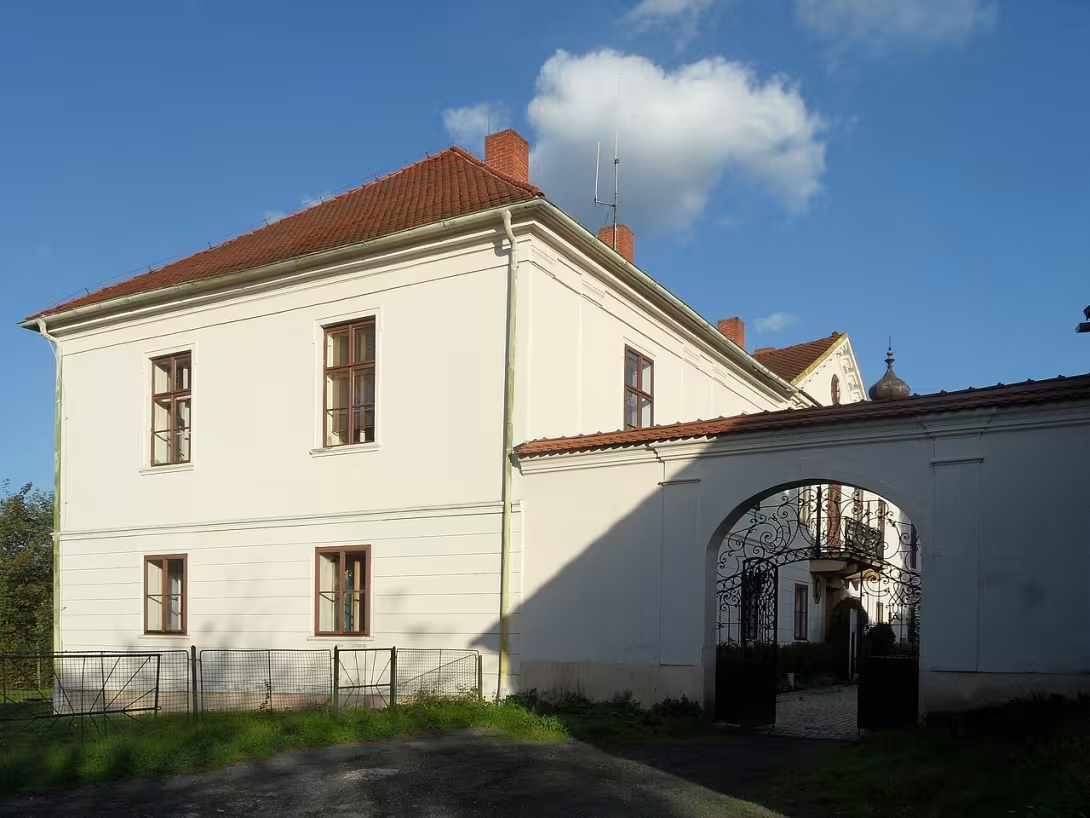
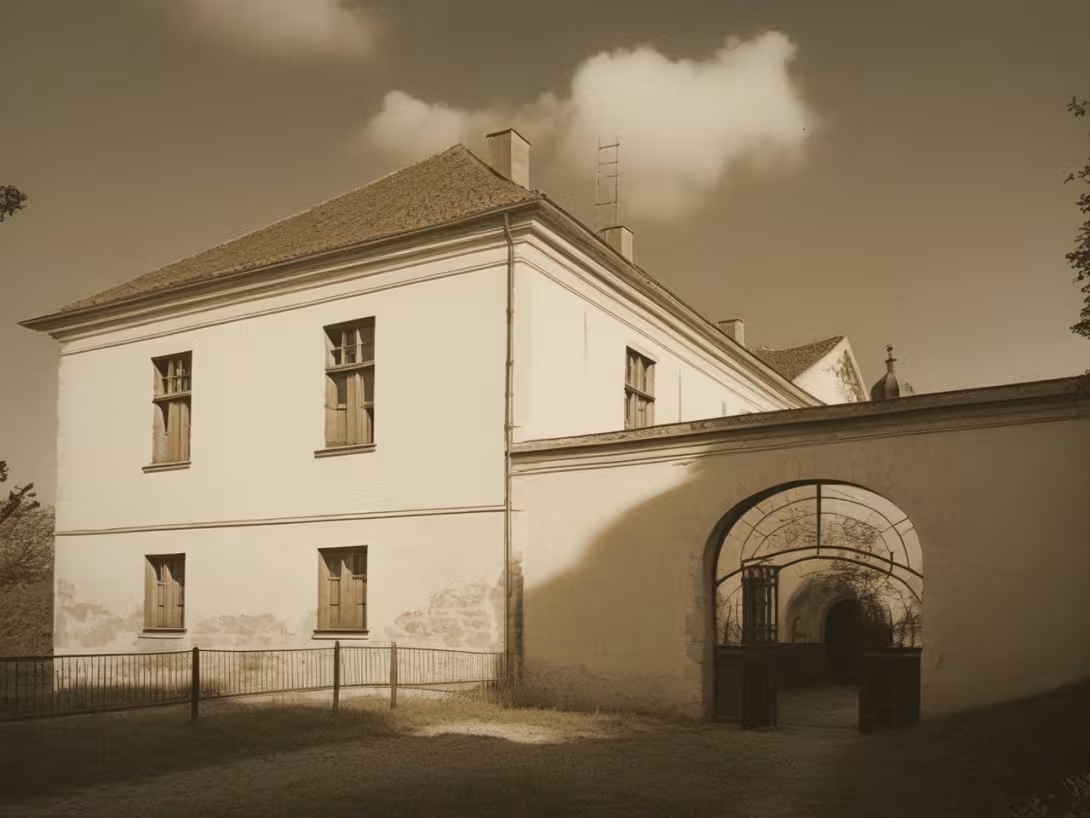
The historical appearance on the left is an AI-generated visualisation and serves as inspiration only.
Historical milestones
- 1578
- First written mention of the fortress.
- 1765-1770
- Transformation into a baroque chateau with chapel addition.
Architectural development
The original fortress built by Oldřich Malovec in the late sixteenth century was transformed into a baroque chateau between 1765 and 1770. A chapel dedicated to Saint Joseph was added during this period, featuring roccoco interior decorations. Neoclassical modifications were made after 1845 under Josef Štangler, which influenced the current appearance of the façades.
Historical events
The fortress was built by Oldřich Malovec in the late sixteenth century.
In 1765-1770, it was transformed into a baroque chateau with a chapel dedicated to Saint Joseph.
In 1971-1974, the chateau underwent extensive renovation and became the seat of the local national committee.
Owners
Oldřich Malovec z Malovic (late 16th century)
Jan z Malovic a na Štěpánově
Mikuláš Řísnický (1629)
Maria Anna Lukavecká, rozená Pešíková z Komárova († 1642)
Vidun Obytecký z Obytec (1642)
František Antonín Ragersdorf (1748)
Jan Adolf Trauttmansdorff
Josef Štangler's descendants (until 1949)
Points of interest
- Horka Chateau's chapel dedicated to Saint Joseph is adorned with rococo interior decorations, a style known for its ornate and elaborate designs that reflect the artistic tastes of the 18th century. - The chateau underwent significant architectural transformations mirroring broader European trends, evolving from a fortress into a baroque structure and later adopting neoclassical elements, showcasing changing aesthetic preferences over centuries.
- In 1971 to 1974, Horka Chateau experienced extensive renovations and transitioned to become the seat of the local national committee, highlighting its adaptability and continued relevance in serving community functions beyond its historical role.
- The chateau's ownership included a notable lineage of stewards such as František Antonín Ragersdorf and Jan Adolf Trauttmansdorff, whose management contributed significantly to its preservation and historical legacy over the years.
- Despite being initially built during a period marked by religious and political upheaval in Europe following the Protestant Reformation, Horka Chateau has endured through centuries as a testament to resilience and architectural evolution.
Guide
This guide is narrated by a synthetic voice generated by artificial intelligence.
Show guide text
This text was created by artificial intelligence and has not been editorially reviewed. It may contain inaccuracies.
Horka Castle is located southeast of Zruč nad Sázavou, on the edge of a slope above the Sázava valley. Today it houses the municipal office and is protected as a cultural monument.
On the site of present-day Horka II village stood the village of Sloupná. In 1553, Pavel Malovec of Malovic purchased it. After his death, it passed to his eldest son Oldřich. He converted the old farmstead into a manor farm and built a fortress next to it. The first written mention of it dates from 1578. Because of its location above the valley, it was called Horka nad Sloupnou for over a hundred years.
The Malovec family held Horka for several more decades. One of them, Pavel, died in 1595 from an injury he suffered in a brawl at a feast at Libodřice fortress. In 1616, the estate was acquired by the Řísničtí from Řísnice. In less than thirty years it was purchased by Limír Vidun Obytecký of Obytec and attached to the Soutice estate. The fortress thus lost its role as a manor seat and began to decay.
Horka became the seat of a small estate with three villages again in 1748. Seventeen years later, Jan Adolf Trauttmansdorff purchased it. Under him, between 1765 and 1770, the old fortress was rebuilt into a Baroque castle. According to a description from 1759, it was a rectangular building with a stone ground floor, a wooden upper floor, and a shingle roof. In 1845, Josef Štangler purchased the castle and it belonged to his descendants until 1949. Between 1971 and 1974 it underwent extensive repairs. Then it housed the local national committee and a library, and there were also a pub and apartments.
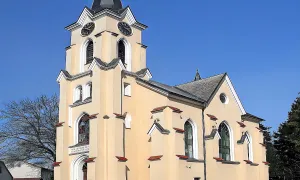
The castle's present appearance comes from the neoclassical modifications that Josef Štangler had carried out after 1845. Above the main entrance is his family's coat of arms. The single-storey building has seven window axes. The main façade is emphasized by a central risalit with a balcony, topped with a triangular pediment, called a tympanum. On the opposite side is a terrace supported by columns. The ground floor has vaulted ceilings, while the upper floor has flat ceilings.
A chapel of Saint Joseph was added to the eastern side of the building in 1769. Its Rococo interior is decorated with wall paintings. The main altar is dedicated to Saint Joseph, the side altar to Saint John of Nepomuk. The perimeter wall with two gates is also protected as a monument. The buildings of the adjoining farmyard are in poor condition.
Tips for visitors
The best time to visit Horka Chateau is during the late spring or early autumn months, when the weather is pleasant for exploring the surrounding landscapes along the Sázava River. This period offers vibrant natural scenery and typically fewer crowds, allowing visitors to fully appreciate the baroque architecture of the chateau and its historical significance. The mild temperatures are ideal for walking around the area and enjoying outdoor activities.
Public transportation options include buses that connect nearby towns such as Zruč nad Sázavou to Horka II. For those traveling by car, ensure you have a map or GPS device handy, as the village is located in a scenic but less urbanized area.
When visiting Horka Chateau, it's recommended to bring comfortable walking shoes, especially if you plan to explore the chateau grounds and surrounding areas. A hat, sunscreen, and water are also advisable due to the outdoor nature of the visit. Additionally, carrying a camera or smartphone will allow you to capture the picturesque views along the Sázava River and the architectural details of the baroque structure.
For photography enthusiasts, some of the best spots for capturing Horka Chateau include viewpoints overlooking the river where natural light enhances the chateau's features during sunrise or sunset. The play of shadows and colors at these times can create stunning images. Be mindful of other visitors when setting up shots to ensure everyone has a chance to enjoy the scenery.
Nearby attractions within a 30-minute drive from Horka Chateau include the historical town of Zruč nad Sázavou, known for its charming streets and cultural heritage sites. The area around the Sázava River offers opportunities for nature walks and picnics. For families with children, these locations provide a mix of history and outdoor activities that can be enjoyed together.
Frequently asked questions
Can the monument be visited?
Some buildings of this kind are open for guided tours, others serve another purpose or are privately owned. We have not verified whether and when this monument is open – please ask the operator.
What are the opening hours and admission?
We have not verified the opening hours or admission. Current information is published by the operator.
Where is the monument?
Location: Horka II, Středočeský kraj. The map on this page shows the exact spot.
Why is the monument protected?
It is listed in the Central List of Cultural Monuments of the Czech Republic as a cultural monument (register no. 34826/2-991).
Businesses nearby
Do you run a restaurant, accommodation, shop, museum, rental, wellness or other visitor service near this monument? Show yourself directly to the people heading to it — this is how they will see you in the app and on the web:
Nearby
Horka Chateau is located near Zruč nad Sázava, in the scenic region of Central Bohemia. The area features natural landscapes along the Sázava River and other historical sites within a five-kilometer radius.
Accommodation nearby
Trips and activities nearby
Guided tours, tickets and activities nearby from GetYourGuide
Affiliate link: if you buy from the partner, we may receive a commission. The price for you does not change.
Search tours and activities →Themed route
Thematic Route: Exploring Horka Chateau and Its Surroundings
1. Horka Chateau (Zámek) - Type: Historical Chateau - Why Visit: Nestled near Zruč nad Sázava, Horka Chateau is a quintessential example of Central Bohemian architecture. Visitors are drawn to its well-preserved structure and the panoramic views it offers over the surrounding landscapes along the Sázava River. The chateau's history and architectural details provide an immersive experience into the region’s past.
2. Sázava River (Řeka) - Type: Natural Landscape - Why Visit: Located within a short distance from Horka Chateau, the Sázava River is renowned for its picturesque scenery and tranquil environment. The riverbanks are perfect for leisurely walks or picnics, offering visitors a chance to connect with nature while enjoying the serene flow of the water. Its proximity to historical sites enhances the cultural richness of the area.
3. Zruč nad Sázava (Město) - Type: Town - Why Visit: Just a few kilometers from Horka Chateau, Zruč nad Sázava is a charming town known for its vibrant local culture and historical significance. The town provides an excellent opportunity to explore traditional Bohemian architecture and enjoy local cuisine in quaint cafes and restaurants. Its proximity to the chateau makes it a convenient stop on any cultural tour of Central Bohemia.
This route offers a balanced exploration of both natural beauty and historical heritage, providing visitors with a comprehensive experience of the region surrounding Horka Chateau.
Seasonal recommendations
Spring: Visiting Horka Chateau during spring offers a unique experience as the landscape awakens with vibrant colors and fresh blossoms, creating an enchanting atmosphere that complements the historical architecture. The soft natural light enhances the beauty of the chateau grounds, making it ideal for photography enthusiasts. Visitors should be prepared for occasional rain showers, so wearing layers and carrying a waterproof jacket is advisable. This season often sees moderate crowds as families take advantage of school holidays to explore cultural sites.
Summer: Summer at Horka Chateau is marked by long daylight hours that illuminate the chateau's intricate details, providing an excellent opportunity for guided tours or leisurely strolls through its lush gardens. The warm weather invites visitors to enjoy outdoor activities and picnics amidst the scenic surroundings. However, this is also peak tourist season, so arriving early in the day can help avoid larger crowds. Comfortable walking shoes and light clothing are recommended due to the heat.
Autumn: Autumn brings a stunning display of autumn foliage, painting Horka Chateau's landscape with rich hues of red, orange, and gold. The cooler temperatures create a cozy atmosphere perfect for exploring the chateau grounds at a leisurely pace. This season often sees fewer visitors compared to summer, offering a more tranquil experience. Layered clothing is essential as the weather can be unpredictable, with chilly mornings and warmer afternoons.
Winter: Winter transforms Horka Chateau into a picturesque scene of snow-covered landscapes and frosty air, providing a magical backdrop for those who appreciate historical sites in serene settings. The shorter days mean that visiting hours are limited, so planning your visit during daylight is crucial to fully enjoy the experience. Visitors should dress warmly with thermal layers, hats, gloves, and sturdy boots to navigate potentially icy paths comfortably. Winter also tends to see fewer tourists, allowing for a more intimate exploration of the chateau's history.
Visualizations and artistic views


The visualisations are generated by artificial intelligence and serve as inspiration.
Photos from the area
Real photos taken near the monument


Zdroj a licence jsou uvedeny u každého snímku.
Tips from visitors
No tips yet. Be the first!
Log in and add your tip.
Sources and literature
Photos: Stribrohorak / CC BY-SA 3.0 — Wikimedia Commons. The author and licence also appear when you hover over the image.
Faktickým podkladem tohoto textu byl článek na Wikipedii, jehož autory jsou přispěvatelé Wikipedie. Článek je dostupný pod licencí CC BY-SA 4.0.
Location on the map

Příběhy a pověsti
Legendy, pověsti a příběhy spjaté s touto památkou
Fotografie návštěvníků
Zatím žádné fotografie. Buďte první, kdo přidá fotografii z návštěvy!
Log in a přidejte svou fotografii nebo hodnoťte.
Za ověřenou návštěvu v aplikaci získáte víc bodů — poznáme podle GPS, že jste na místě.
Reviews and comments