



Horní Nové Město Settlement
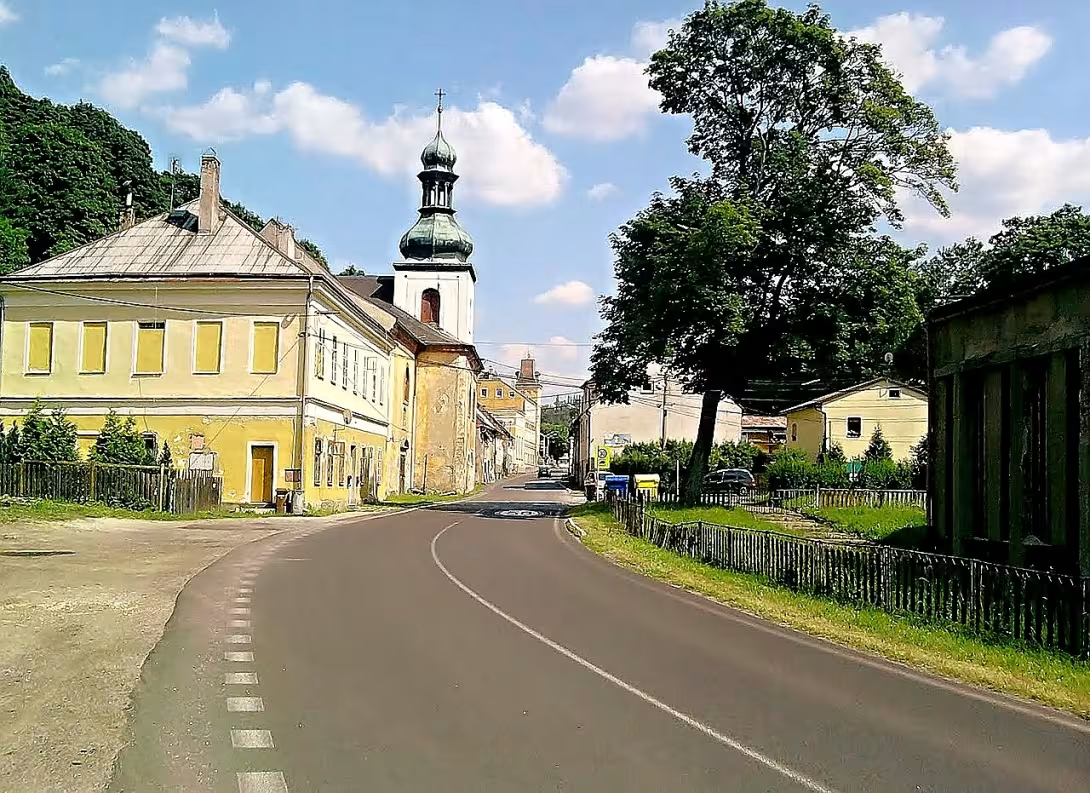
Horní Nové Město is a historically significant settlement located in Prague's New Town area, specifically within the obec of Nové Město. This southern part of Prague's New Town is notable for its unique development and transformation over centuries. It borders Václavské náměstí to the north, separating it from Dolní Nové Město, while also adjoining Starý Město, Smíchov, Vyšehrad, Nusle, and Vinohrady. The area's central point is Karlovo náměstí, formerly known as Dobytčí trh. Historically, Horní Nové Město had its own district court until 1926.
The origins of Horní Nové Město trace back to the medieval period when it was less densely populated compared to its northern counterpart. During this time, the area featured gardens and vineyards within city walls, along with churches and monasteries arranged symbolically in a cross pattern. This layout reflects an intentional design that added both aesthetic and spiritual significance to the region. The symbolic arrangement of religious structures suggests a deliberate effort to imbue the area with meaning beyond its physical boundaries.
Architecturally, Horní Nové Město underwent significant changes from its medieval origins. Initially characterized by sparse development, it later experienced extensive transformation during Prague's urban renewal at the end of the 19th century. This period marked a shift towards modernization and industrialization across Europe, which was reflected in the area’s architectural evolution. The urban renewal led to new constructions along the Vltava River, replacing historical sites with contemporary buildings. Notable transformations included the disappearance of unique locations such as Podskalí with its watchtower and the Svatováclavské prison, alongside changes to other landmarks like Břežská skála and Hrádek Václava IV.
Throughout its history, Horní Nové Město has seen dramatic shifts in ownership and administration. While specific names or events are not detailed, the area's transition from a medieval settlement with symbolic religious structures to a modern urban space highlights significant changes over time. The late 19th-century urban renewal was particularly transformative, reshaping the landscape and altering its historical fabric.
Key events in Horní Nové Město’s history include its development during the medieval period and the major transformations at the end of the 19th century. These changes were part of Prague's broader urban renewal efforts, which aimed to modernize the cityscape along the Vltava River. The area's evolution from a sparsely populated region with gardens and vineyards to a densely constructed urban space reflects broader trends in European industrialization and modernization.
Today, Horní Nové Město stands as a testament to Prague’s dynamic history and its ability to adapt and transform over centuries. Visitors can explore the area's rich historical context, marked by both medieval origins and significant 19th-century changes. The proximity of the Vltava River adds scenic value, making it an attractive destination for those interested in urban history and architecture. Horní Nové Město is worth visiting not only for its historical significance but also for its role in illustrating the broader narrative of Prague's development as a major European city.
In reflecting on its value, Horní Nové Město offers a unique glimpse into the past while showcasing the impact of modernization on urban landscapes. It invites visitors to explore and appreciate the layers of history embedded within its streets and structures. Whether drawn by historical curiosity or architectural interest, Horní Nové Město is a compelling destination that captures the essence of Prague's enduring legacy.
Historical milestones
- The area was less densely populated in the medieval period compared to its northern counterpart.
Architectural development
Horní Nové Město experienced significant architectural changes from its medieval origins, characterized by sparse development and symbolic religious structures. The late 19th-century urban renewal led to extensive construction along the riverbank, replacing historical sites with modern buildings.
Historical events
In the medieval period, Horní Nové Město was less densely populated compared to its northern counterpart, featuring gardens and vineyards within city walls.
The end of the 19th century marked a significant transformation with Prague's urban renewal, leading to new constructions along the Vltava River.
Points of interest
- Horní Nové Město was originally less densely populated than its northern counterpart, featuring gardens and vineyards within city walls during the medieval period. This unique layout included churches and monasteries arranged in a symbolic cross pattern, reflecting an intentional design to add both aesthetic and spiritual significance.
- Until 1926, Horní Nové Město had its own district court, indicating it was once a distinct administrative entity with its governance separate from other parts of Prague's New Town. This historical detail highlights the area’s former autonomy within the city's broader structure.
- The symbolic arrangement of religious structures in a cross pattern during the medieval period suggests that there may have been an effort to imbue Horní Nové Město with spiritual and cultural meaning, beyond its physical boundaries. This design choice reflects the importance placed on religion and symbolism in urban planning at the time.
- During Prague's urban renewal at the end of the 19th century, unique historical sites such as Podskalí with its watchtower and the Svatováclavské prison were replaced by new constructions along the Vltava River. This transformation marked a significant shift in the area’s architectural identity from medieval to modern.
- The late 19th-century urban renewal not only reshaped Horní Nové Město's landscape but also altered its historical fabric, reflecting broader European trends of industrialization and modernization. These changes were part of Prague's effort to modernize the cityscape along the Vltava River, transforming it from a sparsely populated region into a densely constructed urban space.
Guide
This guide is narrated by a synthetic voice generated by artificial intelligence.
Show guide text
This text was created by artificial intelligence and has not been editorially reviewed. It may contain inaccuracies.
Upper Nové Město is the southern part of Prague's Nové Město. It is separated from Lower Nové Město by Václavské náměstí. It further borders Staré Město, Smíchov, Vyšehrad, Nusle, and Vinohrady. Its centre is Karlovo náměstí, which was formerly called the cattle market. Until 1926, Upper Nové Město had its own district court.
The northern part was densely built up already in the Middle Ages. The southern part closer to Vyšehrad, however, remained relatively sparsely built up for a long time into the modern era. Within the fortifications there were gardens and vineyards, but also churches and monasteries. It is possible that they were deliberately and symbolically arranged in the shape of a cross. It was precisely in this area that the university quarter of Albertov later emerged.
The entire territory along the Vltava changed fundamentally from the end of the nineteenth century. After Josefov, it was the largest area of Prague's urban renewal. New embankments and new buildings grew up and much of the original disappeared. The distinctive Podskalí with the raftsmen's Výtoň disappeared. The Svatováclavská prison, which was a landmark above the river, also disappeared. Along with it, the Břežská skála on which the prison stood disappeared, as well as the Hrádek Václava Čtvrtého. Almost all of Zderaz changed, the water mills near Žofín disappeared, and the Vojtěšská quarter was also transformed.
Tips for visitors
The best time to visit Horní Nové Město is during the late spring or early fall when the weather is mild, and the crowds are smaller compared to peak summer months. During these times, you can enjoy pleasant temperatures that make walking through the historic streets comfortable. Additionally, the natural light is ideal for photography, capturing the vibrant colors of the architecture without the harsh shadows typical of midday sunlight.
Visitors are encouraged to use public transport or park at designated areas outside the immediate vicinity and walk or take a short ride into the neighborhood. Always check for the latest routes and schedules using an online transit planner.
When visiting Horní Nové Město, it's advisable to wear comfortable walking shoes as you'll likely be exploring on foot. Given Prague's variable weather, bringing layers is wise so you can adjust to changing temperatures throughout the day. A small backpack or bag for essentials like water, snacks, and a map of the area can enhance your visit.
For photography enthusiasts, some of the best spots in Horní Nové Město include its charming streets lined with historic buildings and the scenic views along the Vltava River. Early morning or late afternoon light provides soft illumination that highlights architectural details. Capturing images from various angles around significant landmarks can yield stunning results.
Nearby, within a 30-minute walk or short public transport ride, are notable areas such as Starý Město (Old Town), known for its iconic Astronomical Clock and Gothic architecture; Smíchov, offering modern attractions like the Dancing House; Vyšehrad, with its historic castle and panoramic views of Prague; Nusle, a vibrant area with contemporary art installations; and Vinohrady, famous for its lively café culture. Each offers unique experiences complementing your visit to Horní Nové Město.
Families visiting Horní Nové Město will find it a delightful exploration spot for children interested in history and architecture. Interactive elements like historic plaques or guided tours can engage younger visitors, while the area's cafes and restaurants provide opportunities for family breaks. Exploring nearby parks or riverside paths can offer leisurely activities suitable for all ages.
Frequently asked questions
Can the monument be visited?
This is a structure in a public space that can usually be seen from outside free of charge. We have not verified that this particular one is freely accessible.
Where is the monument?
Location: Nové Město, Hlavní město Praha. The map on this page shows the exact spot.
Businesses nearby
Do you run a restaurant, accommodation, shop, museum, rental, wellness or other visitor service near this monument? Show yourself directly to the people heading to it — this is how they will see you in the app and on the web:
Nearby
Surrounding Horní Nové Město are notable areas such as Starý Město, Smíchov, Vyšehrad, Nusle, and Vinohrady. The Vltava River flows nearby, adding to the area's scenic landscape.
Accommodation nearby
Themed route
Thematic Walking Tour: Discovering Horní Nové Město and Its Surroundings
1. Horní Nové Město Sídliště (Residential Complex) Begin your journey at the heart of this architectural marvel, the Horní Nové Město residential complex. Designed by Karel Prager and built in the 1970s, it is a prime example of socialist modernist architecture. Explore its unique design elements that reflect both functionality and aesthetic appeal, making it an essential stop for those interested in architectural history.
2. Vltava River (Natural Landscape) A short walk from Horní Nové Město will bring you to the scenic banks of the Vltava River. This iconic river offers a tranquil setting and picturesque views, perfect for a leisurely stroll or a moment of reflection. The proximity to such natural beauty enhances the charm of the surrounding urban landscape.
3. Starý Město (Old Town) Continue your exploration by heading towards Starý Město. This historic area is known for its rich history and vibrant atmosphere, with cobblestone streets and charming architecture that transport visitors back in time. The Old Town's blend of cultural heritage and modern life makes it a must-visit destination.
4. Vyšehrad (Historic Fortification) Next, make your way to the historic hilltop fortress of Vyšehrad. This site offers panoramic views of Prague and is steeped in history, with its origins dating back to the 10th century. The area's beautiful gardens and the iconic St. Martin’s Cathedral are highlights that provide insight into Prague's medieval past.
5. Smíchov (Urban District) Conclude your tour in the bustling district of Smíchov. Known for its lively atmosphere, Smíchov offers a mix of modern amenities and historical sites. Visit its vibrant markets, enjoy local cuisine, or simply soak up the dynamic energy of this urban neighborhood as you wrap up your thematic exploration.
This tour provides an enriching experience through architectural wonders, natural beauty, and historic landmarks, all within a short distance from each other in Prague's diverse landscape.
Seasonal recommendations
Spring: The arrival of spring in Horní Nové Město brings a refreshing transformation, with blossoming flowers and lush greenery adorning the historic site. The gentle warmth of the sun casts a soft glow on the architectural details, enhancing their beauty. This is an ideal time for nature lovers to explore the area as the landscape bursts into vibrant colors. Visitors should be prepared for occasional showers, so carrying a light raincoat or umbrella is advisable. While the crowds are generally moderate during this season, arriving early in the morning can provide a more peaceful experience before the day’s visitors arrive.
Summer: Summer in Horní Nové Město offers an energetic atmosphere as the days lengthen and temperatures rise, making it perfect for exploring the open spaces around the historical site. The warm sunlight highlights the intricate details of the architecture, creating stunning visual effects. This is also a time when local festivals may occur, adding to the vibrant cultural experience. Due to increased visitor numbers during this peak season, planning your visit early in the morning or late afternoon can help avoid crowds. Dressing in light, breathable clothing and wearing comfortable shoes are practical tips for enjoying long hours of exploration.
Autumn: Autumn transforms Horní Nové Město into a picturesque setting with its rich tapestry of reds, oranges, and yellows. The cooler temperatures make it an ideal time to stroll through the historic site without the summer heat, while the changing foliage adds a magical touch to the ambiance. This season often sees fewer visitors compared to summer, allowing for a more relaxed visit. Wearing layers is recommended as the weather can be unpredictable, with crisp mornings and warmer afternoons. Carrying a light jacket or sweater will ensure comfort throughout your exploration.
Winter: Winter cloaks Horní Nové Město in a serene blanket of snow, creating a fairy-tale atmosphere that enhances its historic charm. The muted colors of the architecture contrast beautifully against the white landscape, offering unique photographic opportunities. This season typically sees fewer visitors, providing a quieter and more intimate experience. However, it is important to dress warmly with coats, hats, gloves, and scarves to stay comfortable in the cold weather. Be mindful that some facilities may have reduced hours during this time, so checking opening times in advance is advisable.
Visualizations and artistic views


The visualisations are generated by artificial intelligence and serve as inspiration.
Tips from visitors
No tips yet. Be the first!
Log in and add your tip.
Sources and literature
Faktickým podkladem tohoto textu byl článek na Wikipedii, jehož autory jsou přispěvatelé Wikipedie. Článek je dostupný pod licencí CC BY-SA 4.0.
More monuments – Nové Město
Show all in the municipality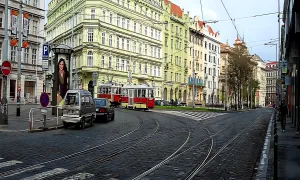


Příběhy a pověsti
Legendy, pověsti a příběhy spjaté s touto památkou

Fotografie návštěvníků
Zatím žádné fotografie. Buďte první, kdo přidá fotografii z návštěvy!
Log in a přidejte svou fotografii nebo hodnoťte.
Za ověřenou návštěvu v aplikaci získáte víc bodů — poznáme podle GPS, že jste na místě.
Reviews and comments