



Horní zámek v Benešově nad Ploučnicí Chateau
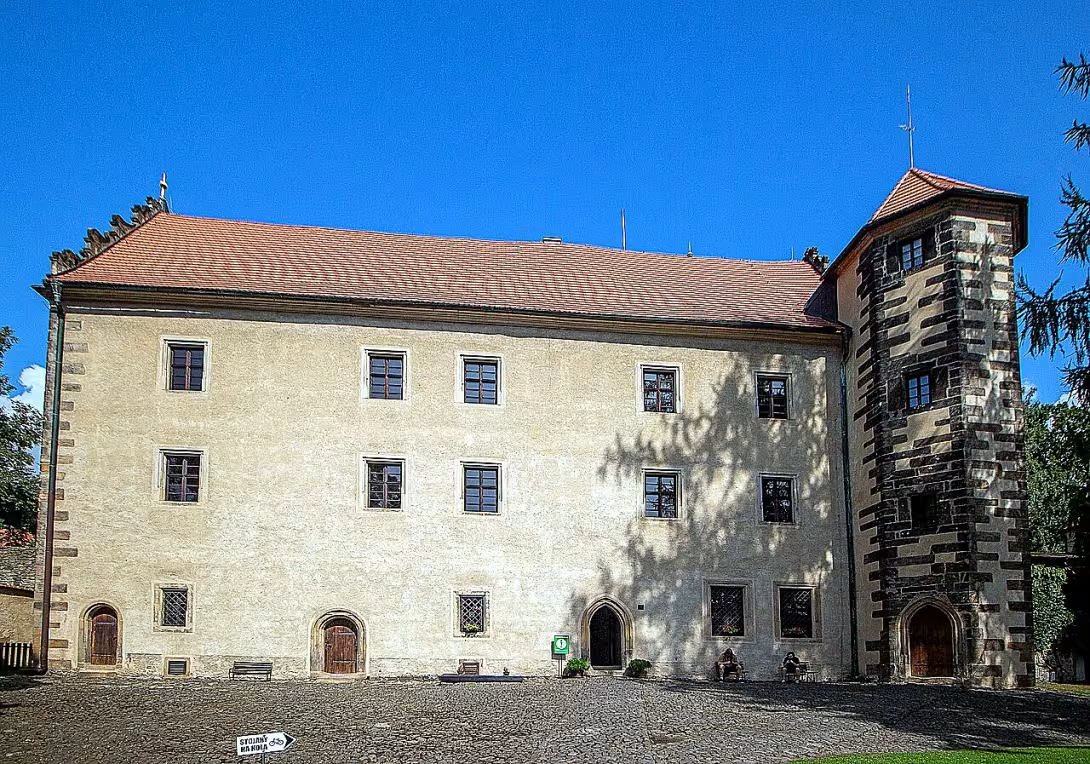
Horní zámek in Benešov nad Ploučnicí is the oldest part of a historical complex in the northern Bohemian town. Constructed between 1522 and 1524, this Renaissance castle blends Gothic and Saxon Renaissance architectural styles. Over the centuries, it has served residential and administrative purposes, reflecting significant cultural and political developments in early 16th-century Bohemia.
The origins trace back to Benedikt ze Salhausenu, who began construction using materials from an older structure. This period saw Renaissance ideas spreading across Europe, influencing regional architecture and culture. Initially featuring late Gothic elements, the castle underwent major renovations after a fire in 1571, introducing Saxon Renaissance features.
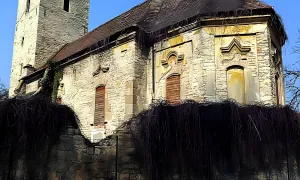
Architecturally, Horní zámek has a rectangular layout with a round tower on the northwest side and a polygonal stair tower on the southeast corner. Its exterior includes smooth facades adorned with corner armature, gabled roofs, and ornate portals. Inside, visitors can admire cross vaults from the late Gothic period and 16th-century ornamental ceilings.
Ownership transitioned through several noble families, starting with Benedikt ze Salhausenu. The Kinskýs and Thun families later acquired it as a summer residence. These shifts reflect broader political changes as various noble houses vied for influence during this era.
Throughout its history, Horní zámek has witnessed significant events, including transformative renovations after the 1571 fire that reshaped its architectural identity. Its strategic location near the town hall and within a complex of six other historical buildings underscores its regional importance.
Today, Horní zámek is open to the public with guided tours lasting about 30 to 45 minutes. These tours offer insights into the interiors' craftsmanship and include visits to a gallery and tourist information center. The castle remains a testament to northern Bohemia's architectural ingenuity and historical significance.
Visiting Horní zámek provides a unique glimpse into Czech history, where Renaissance influences meld with Gothic traditions. Its preservation as a national cultural monument ensures future generations can appreciate its enduring legacy. Whether drawn by its architectural beauty or intrigued by its storied past, a visit promises an enriching experience.
Then and now
Drag the slider to compare how the landmark may have looked when it was built with the view today.
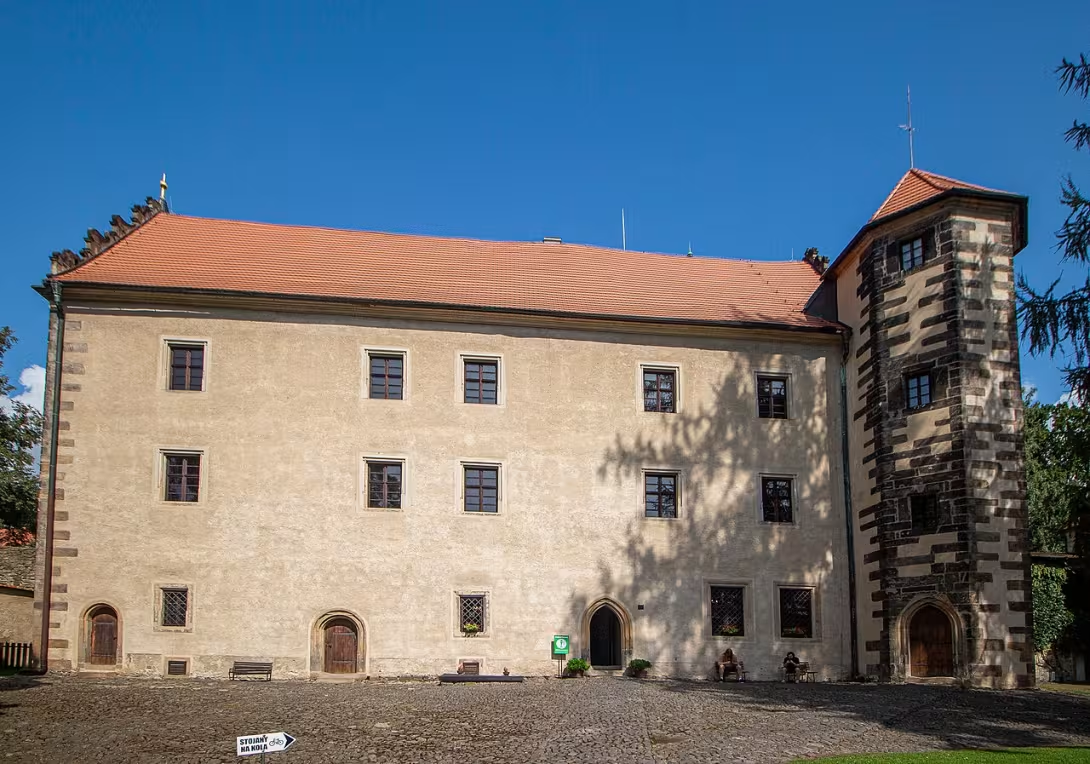

The historical appearance on the left is an AI-generated visualisation and serves as inspiration only.
Historical milestones
- 1522
- Construction began by Benedikt ze Salhausenu.
- 1543
- Renovation in late Gothic style.
- 1571
- Renovated after a major fire in Saxon Renaissance style.
Architectural development
The castle was originally built using materials from an older structure and later renovated to incorporate elements of late Gothic and Saxon Renaissance styles. It features a rectangular layout with a round tower on the northwest side and a polygonal stair tower on the southeast corner.
Historical events
Construction completed between 1522-1524 by Benedikt ze Salhausenu.
Renovated in Saxon Renaissance style after a fire in 1571.
Owners
Initially owned by Benedikt ze Salhausenu, followed by the Kinskýs and Thun families who used it as a summer residence.
Points of interest
- One lesser-known fact about Horní zámek is that its construction utilized materials from an older structure, reflecting a common practice of the time where new buildings were often erected on or with remnants of previous ones. This reuse of materials not only saved resources but also subtly connected different historical periods within the same architectural space.
- An intriguing legend associated with the castle involves the mysterious disappearance of a noble family’s heir after a grand ball held in the 17th century. It is said that he ventured into one of the less-explored parts of the castle and was never seen again, leading to various local tales about hidden passages or secret rooms within the complex.
- A surprising architectural detail is the presence of both Gothic and Saxon Renaissance elements despite the primary construction period being in the early 16th century. This blend showcases how transitional styles can coexist, with the late Gothic features like cross vaults harmoniously integrated alongside the ornate ceilings from the Saxon Renaissance era.
- The castle's strategic location near the town hall highlights its importance not just as a noble residence but also as a center of regional governance and administration. Its proximity to other historical buildings emphasizes how interconnected the urban landscape was, with each structure playing a role in the socio-political fabric of northern Bohemia during that time.
- Despite numerous ownership changes, one constant has been the castle’s resilience through events like the 1571 fire, which led to significant renovations. This adaptability is reflected in its ability to maintain architectural integrity and historical significance despite such transformative events, ensuring it remains a key cultural monument today.
Guide
This guide is narrated by a synthetic voice generated by artificial intelligence.
Show guide text
This text was created by artificial intelligence and has not been editorially reviewed. It may contain inaccuracies.
Horní zámek is the oldest part of the castle complex in Benešov nad Ploučnicí. Together with it, it forms an area of six other historic buildings. Horní zámek is located behind the town hall, on the north side of náměstí Míru square. The entire complex belongs to the state and is managed by the National Heritage Institute. In 2001, Dolní and Horní zámek, the buildings with descriptive numbers 44 and 54, the Starschedel House and the Konojed House were declared a national cultural monument.
The castle was built by Benedict of Salhausen between 1522 and 1524. He used the masonry of an older building. In 1543, the castle was reconstructed in the late Gothic style. In 1571, a major fire struck the town and the castle then underwent renovation in the Saxon Renaissance style. After the lords of Salhausen, the Kinský and Thun families acquired the Benešov estates and with them the castle. However, they used it only as a summer residence.
The building has a rectangular floor plan. On the northwest side stands a round old tower, and on the southeast corner rises a multi-sided staircase tower with stone cladding. The Gothic ground floor connects to the later built Wartenberg House. The façade is smooth, with stone cladding reinforcing the corner. Pointed entrance portals and rectangular windows with beveled frames are decorated with interlaced bars. The castle is covered with a pitched roof, and on the west and east parts of the façade are Renaissance gables with pilasters.
The ground floor served practical purposes, the first floor contained living quarters. From there, a covered corridor led to the neighboring Church of the Birth of the Virgin Mary. The first floor is decorated with cross vaulting and a late Gothic rectangular portal with interlaced bars. On the second floor, two rooms have Renaissance coffered ceilings from the sixteenth century with painted ornaments. Semicircular portals connect the rooms.
The courtyard is enclosed by a wall with two portals. One is semicircular with interlaced bars. The other is Renaissance, with relief decoration, a voluted gable, and carved coats of arms.
Frequently asked questions
Can the monument be visited?
Some buildings of this kind are open for guided tours, others serve another purpose or are privately owned. We have not verified whether and when this monument is open – please ask the operator.
What are the opening hours and admission?
We have not verified the opening hours or admission. Current information is published by the operator. Official website: https://www.zamek-benesov.cz/cs/informace-pro-navstevniky/prohlidkove-okruhy/1593-horni-zamek
Where is the monument?
Location: č.p. 47, Benešov nad Ploučnicí, Ústecký kraj. The map on this page shows the exact spot.
Why is the monument protected?
It is listed in the Central List of Cultural Monuments of the Czech Republic as a national cultural monument (register no. 258). It is protected as part of a larger listed ensemble.
Businesses nearby
Do you run a restaurant, accommodation, shop, museum, rental, wellness or other visitor service near this monument? Show yourself directly to the people heading to it — this is how they will see you in the app and on the web:
Events nearby
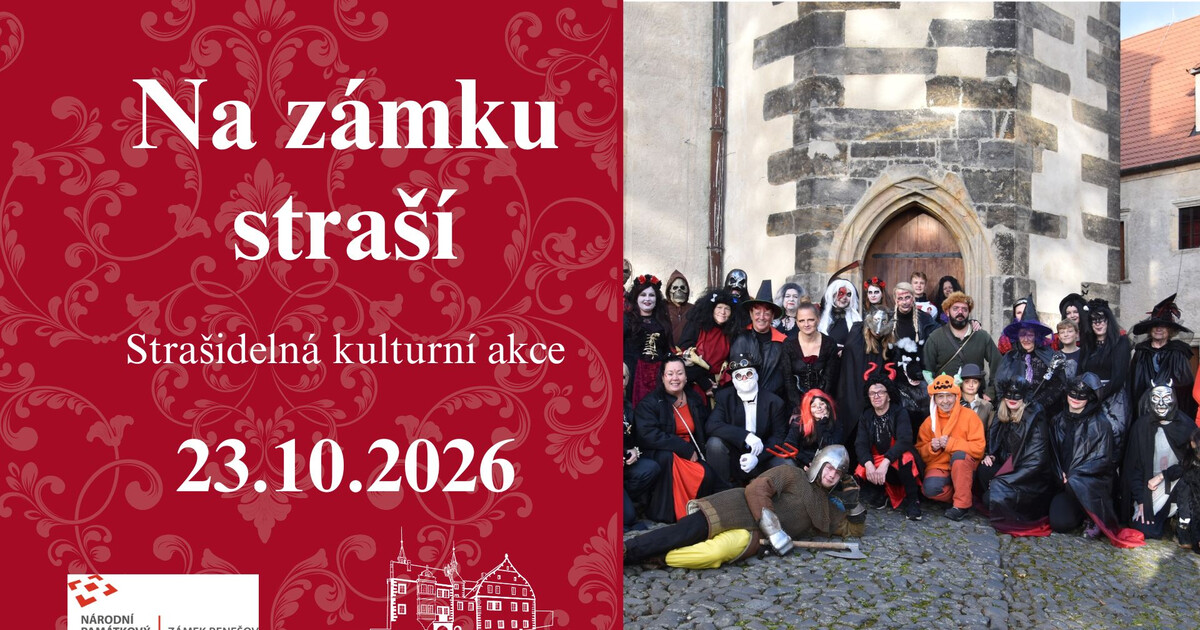
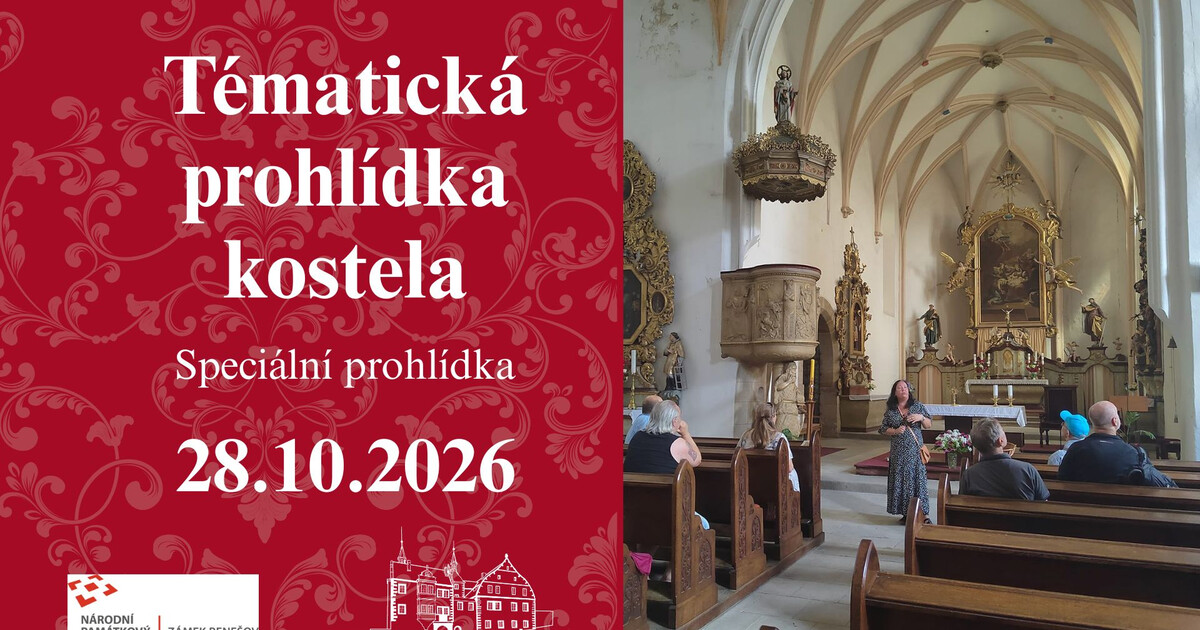
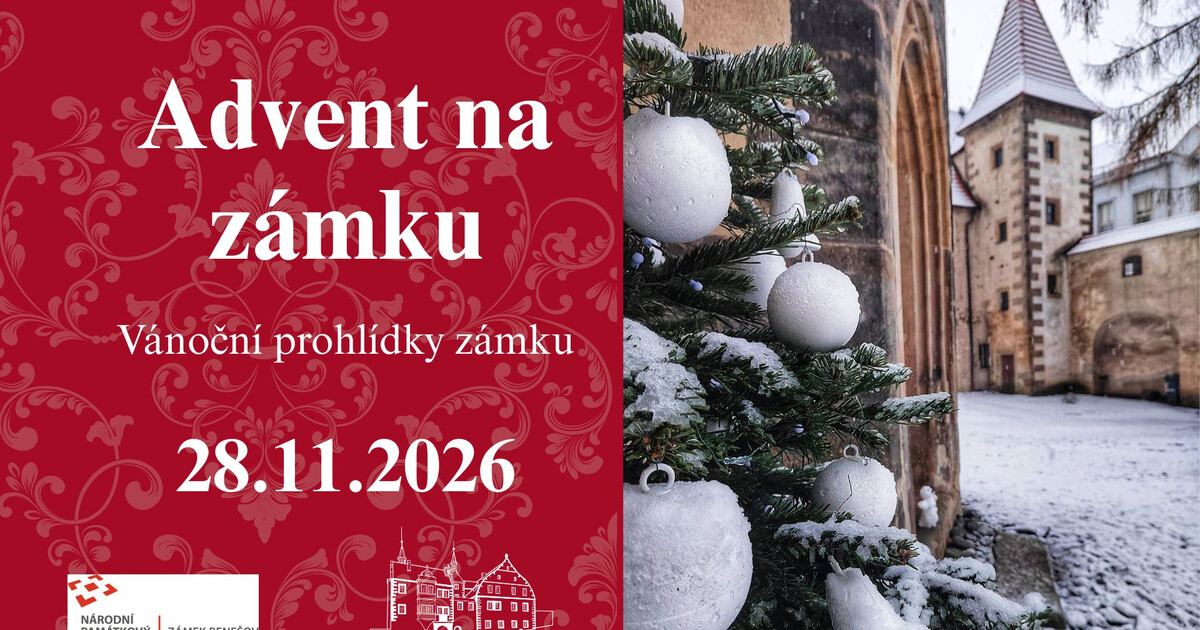
Zdroj akcí: otevřená data měst a obcí ČR (Národní katalog otevřených dat) a kalendář akcí Národního památkového ústavu.
Nearby
Located near the town hall in Benešov nad Ploučnicí, the castle is part of a larger complex that includes six other historical buildings. The area features scenic landscapes typical of northern Bohemia.
Accommodation nearby
Trips and activities nearby
Guided tours, tickets and activities nearby from GetYourGuide
Affiliate link: if you buy from the partner, we may receive a commission. The price for you does not change.
Search tours and activities →Themed route
Tematická výletní trasa: Hrad Horní zámek v Benešově nad Ploučnicí
1. Horní zámek (hrad)
Typ: Historické hradní areály
Proč stojí za návštěvu: Začněte svůj výlet u Horního zámku, který je nejen krásnou památkou architektury, ale také nabízí pohled na historii Benešova nad Ploučnicí. Zámek se pyšní bohatou historií a vynikajícím umístěním poblíž centra města, což ho činí ideálním začátkem pro objevování okolních zajímavostí.
2. Radnice (Town Hall)
Typ: Historický obecní úřad
Proč stojí za návštěvu: Odtud se vydávejte do centra města k radnici, která je nejen administrativním srdcem Benešova nad Ploučnicí, ale také architektonickým dílem. Její historie a design představují významnou součást kulturního dědictví obce.
3. Historické budovy (Complex of Historical Buildings)
Typ: Soubor historických stavb
Proč stojí za návštěvu: V okolí zámku se nachází soubor šesti dalších historických budov, které tvoří rozsáhlý komplex. Každá z těchto budov má svůj jedinečný charakter a příběh, což vám umožní hluboce ponořit se do historie a architektury Benešova nad Ploučnicí.
4. Severobohemské krajiny (Scenic Landscapes)
Typ: Přírodní panoramatický výhled
Proč stojí za návštěvu: Po prozkoumání historických budov si uvolněte a podíváte se na okolní krajiny typické pro severní Čechy. Tato oblast nabízí krásné pohledy, které dokončují vaši zkušenost s výletem tím nejlepším - přírodními a kulturními poklady spojenými dohromady.
Tato trasa vám umožní prozkoumat nejen samotný Horní zámek, ale také další historické a krajinné zajímavosti okolí Benešova nad Ploučnicí.
Seasonal recommendations
Spring: The arrival of spring at Horní zámek v Benešově nad Ploučnicí brings a vibrant display of blooming flowers and lush greenery, transforming the castle grounds into a picturesque setting. This season is perfect for enjoying the gentle warmth and fresh air as nature awakens. Visitors are advised to wear comfortable layers that can adjust to varying temperatures throughout the day. While springtime crowds are generally moderate, arriving early in the morning can ensure a more tranquil experience.
Summer: Summer at Horní zámek v Benešově nad Ploučnicí is characterized by long days and warm weather, making it ideal for exploring both the castle's interiors and its expansive outdoor areas. The lush gardens are particularly enchanting during this season, offering a perfect backdrop for leisurely strolls or picnics. Due to the peak tourist season, it’s recommended to visit early in the morning or later in the afternoon to avoid larger crowds. Light clothing is advisable, along with sun protection such as hats and sunscreen.
Autumn: Autumn offers a stunning transformation at Horní zámek v Benešově nad Ploučnicí, with its dramatic foliage of reds, oranges, and yellows creating a picturesque landscape. The cooler temperatures make it an ideal time for outdoor exploration without the discomfort of summer heat. Visitors should consider bringing a light jacket or sweater to stay comfortable as the days cool down. Although autumn is less crowded than summer, it's still wise to visit during weekdays if possible to enjoy a more peaceful experience.
Winter: Winter at Horní zámek v Benešově nad Ploučnicí presents a serene and magical atmosphere, with snow-covered grounds and festive decorations enhancing the castle’s historic charm. The shorter daylight hours mean that visits should be planned early in the day to make the most of the available light. Warm clothing is essential, including coats, hats, gloves, and thermal layers, to stay comfortable during your visit.
Visualizations and artistic views


The visualisations are generated by artificial intelligence and serve as inspiration.
Photos from the area
Real photos taken near the monument


Zdroj a licence jsou uvedeny u každého snímku.
Tips from visitors
No tips yet. Be the first!
Log in and add your tip.
Sources and literature
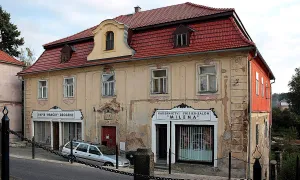
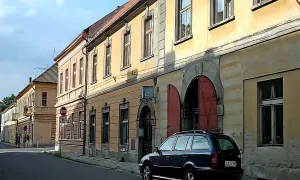
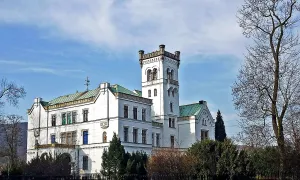
Photos: VitVit / CC BY-SA 4.0 — Wikimedia Commons. The author and licence also appear when you hover over the image.
Faktickým podkladem tohoto textu byl článek na Wikipedii, jehož autory jsou přispěvatelé Wikipedie. Článek je dostupný pod licencí CC BY-SA 4.0.
Location on the map


Příběhy a pověsti
Legendy, pověsti a příběhy spjaté s touto památkou
Příběh: Horní zámek v Benešově nad Ploučnicí
Bylo to v pondělí ráno, kdy Jan z Kynšperka narazil na stíny, které se náhle ztratily mezi sloupky a zdobenými schody Horního zámku. Chladný vítr nesl vůni p…
Číst příběh
Pověst: Horní zámek v Benešově nad Ploučnicí
Traduje se, že ze všech záhad, které Horní zámek v Benešově nad Ploučnicí za svá staletí pohltil, žádná nedala starousedlíkům více práce s vysvětlováním než …
Číst příběhFotografie návštěvníků
Zatím žádné fotografie. Buďte první, kdo přidá fotografii z návštěvy!
Log in a přidejte svou fotografii nebo hodnoťte.
Za ověřenou návštěvu v aplikaci získáte víc bodů — poznáme podle GPS, že jste na místě.
Reviews and comments