






Hrad pod Hrnčířem Castle
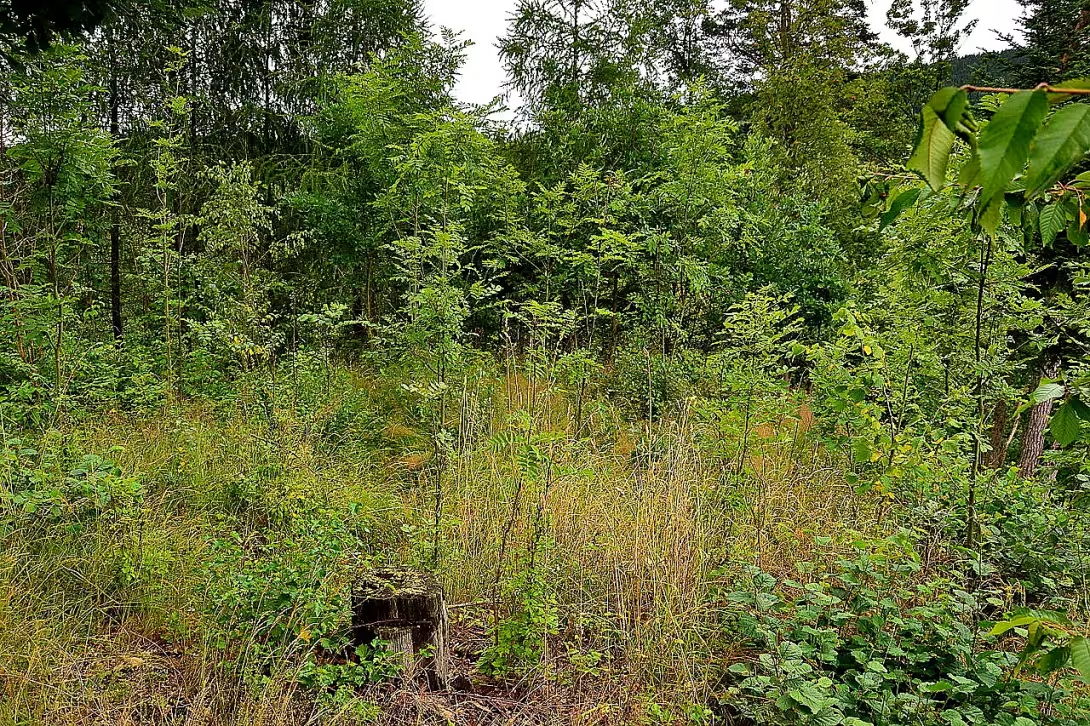
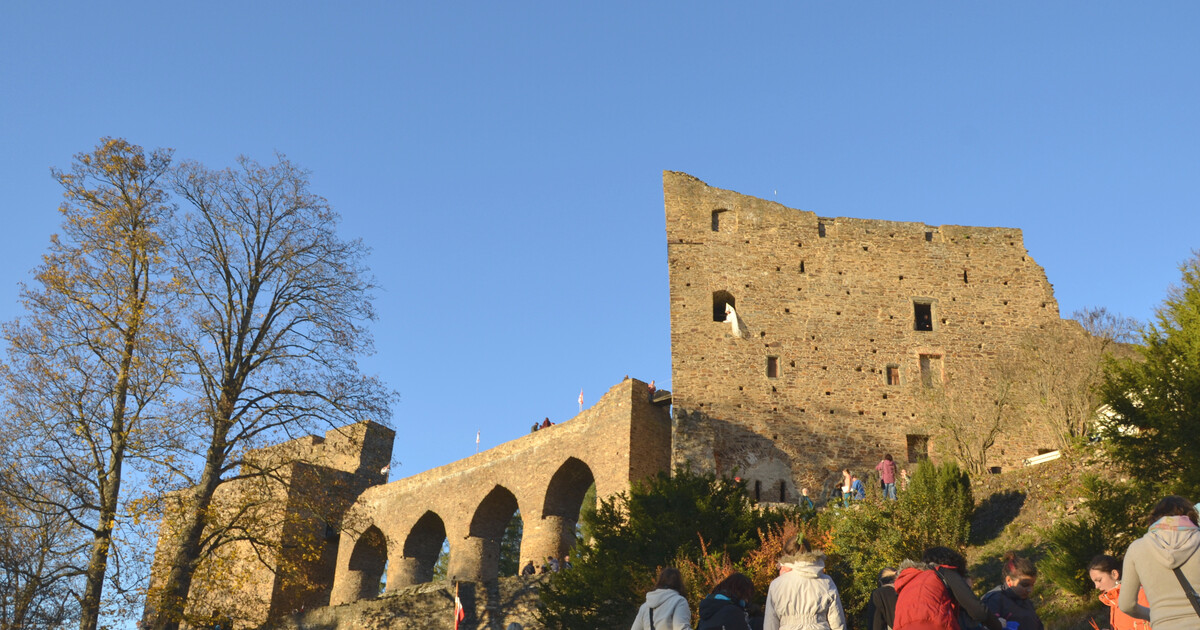
Hrad pod Hrnčířem is a ruin of medieval castle near Petrovice near Sušice in the Pilsen region of the Czech Republic. Located on a rocky edge of about 575 meters, it is equipped with fortifications remnants from the middle of the 13th century. The strategic location of the site indicates its role as an energy base when Susicko was temporarily separated from the Czech Principality. Despite its historical significance, no written record specifically mentions this castle.
The origin and context of Hrad pod Hrnčířem are mysterious due to lack of direct documents. But archaeological findings suggest that it originated in the mid-13th century. Historical sources suggest that its construction could have been influenced by political shifts, when Susicko was temporarily separated from the Czech Principality as a dowry for Přemysk's daughter Svatava. This context includes regional noble families such as the number of Bogen and later Wittelsbachs, could play a role in its establishment. The castle probably served as a strategic counterbalance to another nearby fortress, which strengthened the authority of local rulers during this politically dynamic era.
In architecture, Hrad pod Hrnčířem is classified as a temporary lock with mainly wooden structure. Its construction included a two-piece arrangement protected by wide moats. The remains of the buildings are visible in the form of pits and moats, which shows defensive features typical of medieval fortifications. The west side represented an access point guarded by a wide moat, leading to the first part where the building tracks were found as a pit. The second ditch protected the castle's core, although there are no clear remains of the buildings.
Owners and administrative data remain largely speculative due to the lack of written records. However, it is assumed that after Susicko was reintegrated into the coronation countries in 1273, both Hrad pod Hrnčířem and his counterpart were quickly abandoned. This suggests a short period of significance, followed by a rapid decline, which reflects the temporary nature of many medieval fortifications influenced by the shift in the political landscape.
Key events associated with Hrad pod Hrnčířem are derived rather than documented. The construction of the castle during politically unstable times suggests its role in regional power struggles. Its abandonment shortly after the reintegration of Sushick into the Czech Republic underlines the temporary nature of such structures, often linked to the fate and misfortune of their patrons.
Today, Hrad pod Hrnčířem is proof of medieval fortifications and complex political history of the region. The ruins are accessible directly from the road across the Volšovka River, even if there is no marked tourist path. This lack of formal access routes adds an element of adventure to visitors trying to explore this historic place. Despite its remote location and limited availability, Hrad pod Hrnčířem offers a unique view of the past, making it a valuable destination for interested people in medieval history and architecture.
The value of Hrad pod Hrnčířem lies not only in its architectural remains, but also in the ability to produce historical stories of power, politics and regional identity. Its preservation as a cultural monument since 1976 ensures that future generations can appreciate this piece of Czech heritage. Visitors are invited to explore this interesting place where history whispers through stones and landscapes that offer views to the ancient era.
Then and now
Drag the slider to compare how the landmark may have looked when it was built with the view today.
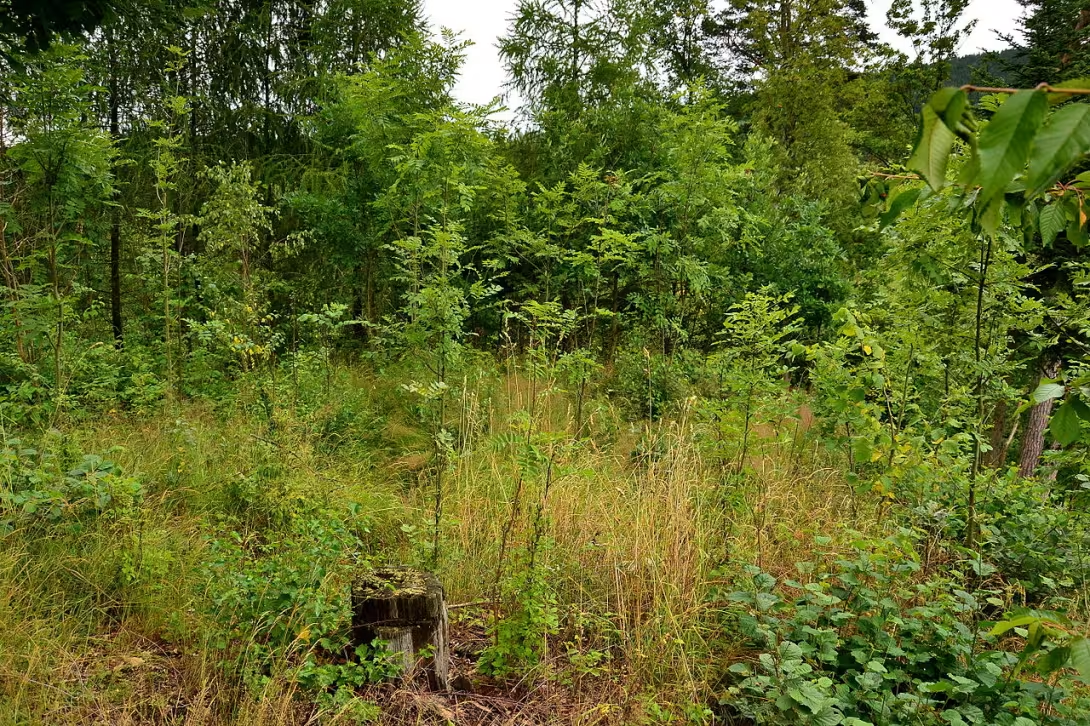
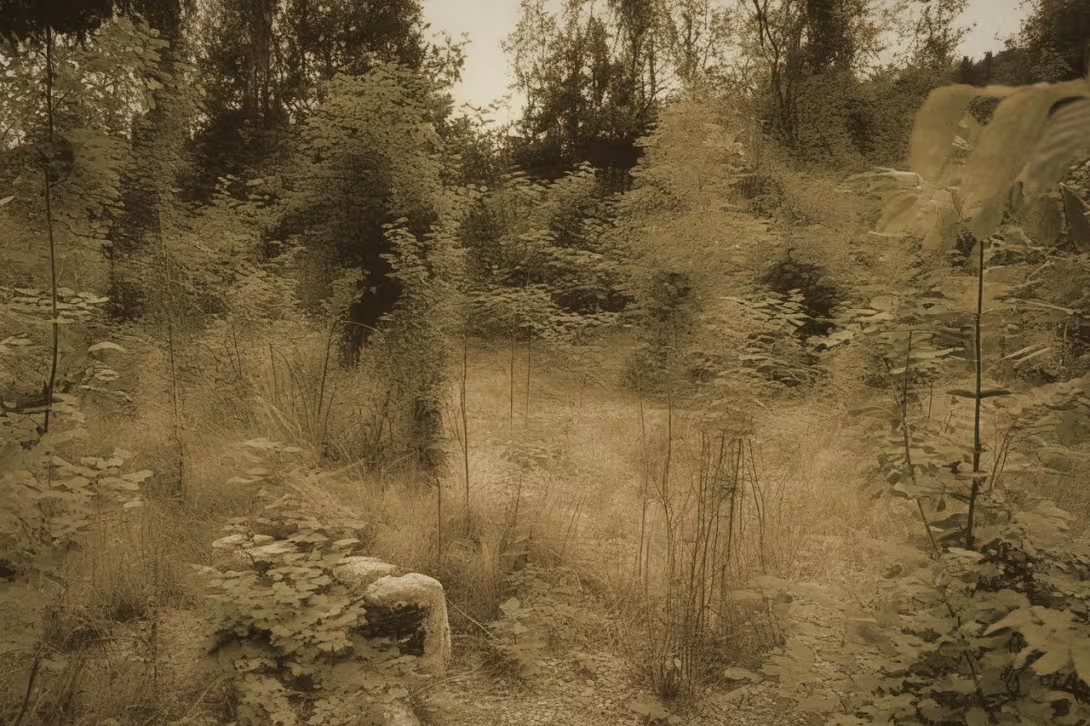
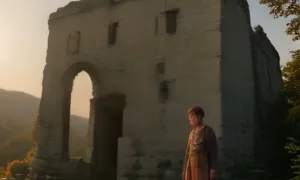
The historical appearance on the left is an AI-generated visualisation and serves as inspiration only.
Historical milestones
- around 1250
- Establishing a castle during a political log in Susick.
- 1273
- Susicko reintegrated into the crown lands, which led to the use of the castle.
Architectural development
Hrad pod Hrnčířem is classified as a temporary lock with predominantly wooden structure. It represented a two-part arrangement protected by wide moats, with the remains of buildings found in the form of pits and moats.
Historical events
The castle was built in the middle of the 13th century at a time when Susicko was temporarily separated from the Czech Principality as a dowry for Přemysk's daughter Svatava.
After Susicko was reintegrated into the coronation countries in 1273, both Hrad pod Hrnčířem and his counterpart were quickly abandoned.
Points of interest
- Despite its historical significance, Hrad pod Hrnčířem is shrouded in secrecy due to the absence of specific written records that mention it. This lack of documentation allowed historians to rely on archeological evidence and regional context to gather his story.
- The strategic position of the castle suggests that it was a power base during a unique period when Susicko was temporarily separated from the Czech Principality, which may have served as a dowry for Přemysl's daughter Svatava. This political maneuver highlights the complex links between marital allies and territorial control in medieval Europe.
- Hrad pod Hrnčířem is an example of a transitional castle with mostly wooden structures that reflect architectural trends of their time. Its design included defensive elements such as wide trenches and pits, typical of fortifications aimed at averting intruders in the mid-13th century.
- The rapid decline of the site after Susicko was reintegrated into the coronation countries in 1273 underlines how medieval castles were often closely linked to the property of their patrons. This transitional nature reflects the wider structure of construction and abandonment on the basis of a changing political landscape.
- Hrad pod Hrnčířem today offers a unique view of medieval fortification techniques, but remains relatively unavailable due to lack of marked tourist paths. It adds an element of adventure to those who are trying to explore its ruins, which is located directly by the road through Volšovka current.
Guide
This guide is narrated by a synthetic voice generated by artificial intelligence.
Show guide text
This text was created by artificial intelligence and has not been editorially reviewed. It may contain inaccuracies.
Welcome to the historic site Hrad pod Hrnčířem, the loving ruin of the medieval castle, which is located near Petrovice near Susic in the charming Plzeňský kraj of the Czech Republic. As you stand here, take a moment to absorb your surroundings - the rocky excavation on which this ancient structure lies, grows about 575 meters above the sea and offers breathtaking views throughout the landscape.
The origin of Hrad pod Hrnčířem is deeply linked to political shifts in Susick in the mid-13th century. Around 1250, in the midst of these stormy times, the castle was founded as a strategic power base. Its construction coincided with a short period of time when Susicko found itself temporarily separated from the coronation countries - a period of considerable shocks and changes.
As you explore this site today, your view is drawn to the remains of the fortifications that speak of his past. The architecture of the castle may be in ruins, but it still has an undeniable presence, with fragments of walls and foundations pointing to its earlier grandeur. These elements encourage you to imagine a time when knights could roam these lands and defend their fortress.
While the specific historical data associated with Hrad pod Hrnčířem remain covered in secrecy due to the absence of detailed written records, the strategic importance of the site is undeniable. Historians rely on archaeological findings and regional context to combine their story - a puzzle that adds an interesting layer of your visit.
One of the most fascinating aspects of this ruins of the castle is this mystery - the lack of concrete documentation left many interpretations and imagination. This absence of written records creates a sense of mystery, encourages visitors like yourself to dig deeper into history and speculate on the lives that once lived here.
When you finish the Hrad pod Hrnčířem survey, think about the stories inside these ancient stones. The site calls for another discovery, which calls for you to explore not only his physical remains, but also the rich history tapestry that he represents. Thank you for joining us on this journey through time. We hope your visit was educational and inspiring. Safe travels as you continue your adventure in this remarkable area.
Tips for visitors
The best time to visit Hrad pod Hrnčířem is at the end of spring or early autumn when the weather is mild, and the surrounding nature is particularly lively. During these seasons, you can enjoy clear sky for shooting and comfortable temperatures for exploring ruins. In addition, a visit outside the top summer months helps to avoid larger crowds, allowing a more peaceful experience.
Parking at Hrad pod Hrnčířem is available near the road across the Volšovka River, which provides comfortable access to the site. For those who prefer public transport, you can reach the nearby area by bus or train and then continue on foot or local taxi service. It is advisable to check the current transport options in advance for a smooth journey.
When visiting Hrad pod Hrnčířem, it is recommended to bring comfortable walking shoes because the terrain around the ruins can be uneven. Hats, sunscreen and water are necessary due to limited shade in place. In addition, consider bringing binoculars if you are interested in bird watching or exploring distant views from rocky crevices.
For photographic enthusiasts, the best places in Hrad pod Hrnčířem include the eastern and western sides of ruins where natural light is optimal during sunrise and sunset. The altitude provides a unique perspective for capturing panoramic images of the surrounding landscape. Early morning visits are ideal to avoid hard midday shadows.
Near attractions within 30 minutes include a picturesque area around Jiříčná, which offers picturesque views and opportunities for nature walks. Families with children could also look forward to exploring the local landscape or visiting surrounding villages known for their traditional architecture and cultural heritage.
Businesses nearby
Do you run a restaurant, accommodation, shop, museum, rental, wellness or other visitor service near this monument? Show yourself directly to the people heading to it — this is how they will see you in the app and on the web:
Events nearby
Zdroj akcí: otevřená data měst a obcí ČR (Národní katalog otevřených dat) a kalendář akcí Národního památkového ústavu.
Nearby
The ruins are located near the border between Petrovice and Jiříčná cadastral areas. The site is accessible directly from the road across the river Volšovka, but lacks marked tourist trails.
Accommodation nearby
Themed route
Thematic cruise route: Hrad pod Hrnčířem and its surroundings
1. Hrad pod Hrnčířem (castle) - Type: Historical breakdown - The reason is worth the effort: This wall's possession offers a uniform command on the history of the region. Despite its crumbling state, it is also possible to present a hard celebration and strategic significance of the castle, which boasted the advantageous position of the poor Volšovka.
2. Volšovka stream - Type: Natural element - Why is it worth the effort: Walk along the stream offers a peaceful and pleasant experience where you can move on to the wild water supply. The stream was used as a vital element for the castle and the surrounding organization, which will provide a historical context.
3. Boundary between Petrovice and Jiříčná cadastral territories - Type: Geographic and administrative Boundary - The region offers interesting ground on the history of local territorial decisions. The border between Petrovice and Jiřice resettlement, as the administrative structures formed in the past.
4. Highway Head to Castle - Type: Infrastructural element - Why it is worth the effort: A distance that leads to change is an important link from the historic and present industrial region. It offers a mean contribution to the castle and the possibility of draining the surrounding countryside.
This route will guide you through the history, nature and administration of the structure of the castle area under Pottery, which allows the decomposition of its extent in the past.
Seasonal recommendations
Spring: The castle castle under Hrnčíř's castle in the spring period, the one-sided enterprise was led to a divorced green landscape, which is a historic Russia. The atmosphere is calm and ancillary, with mild temperatures that can be used to support the ruins. In addition, Member States may decide to comply with the conditions laid down in this Regulation. The Practical Council for Determination intends to use new shoes for the Choze on uneven terrain and lying siege, which refers to the end of the year with this flat or solid because spring conditions can be used. Despite the minority inflows of people, it is advisable to pass early in the morning in order to be at least possible to enjoy calm and mild sunlight.
Summer: In the summer Hrad pod Hrnčířem is published in a popular destination for the own resources found by the leak from summer heat. Long days of promising times when you can get more extensive terrain and use the natural beauty of the surrounding forests and fields. Summer transfer of the high-rise intensity, so transport will soon cross over to the castle to be able to wipe out with salty time. A wet and tracky sign that it is persistent to have a sun-protected cow on itself, lying clothing and state drinking water for hydration of the extracted material. Despite the heat of a pleasant summer of the possibility of good-faith states, which are called the afternoons and cold relief.
Autumn: Autumn at the Castle under Potnčíř represents some common production, which are forest leaves in the circumstances promote the landscape in a lively palette of gold, ore and orange shades. This seasonal change brings magic and romance to the atmosphere of the old paws, which is the more ideal place for leisure or photo trips. The climate is usually mine with cold evenings, so it is advisable to replace yourself with the weather and this figure from winter clothes or flat. Despite diminishing weather in the late autumn, it is still good to arrive early, because beautiful sunny days can quickly stabilize the cool cloud.
Winter: The winter national value of the Castle under the potter offers a completely remote experience where peace and quiet recount over state authorities. When the sky is clear, snow may appear on the castle, with an idyllic space for a corner crooked escape destination. The sunny light of the winter day is clear and my glow of maturation in a beautiful but cold light. Embroidery fur should be adapted by moving to another place that could be affected by the time period. Opening hours may be at risk that it is advisable to inform yourself in advance and ensure the best experience in this quiet and quiet period of the year.
Visualizations and artistic views


The visualisations are generated by artificial intelligence and serve as inspiration.
Photos from the area
Real photos taken near the monument

Zdroj a licence jsou uvedeny u každého snímku.
Tips from visitors
No tips yet. Be the first!
Log in and add your tip.
Sources and literature
Fotografie: Petr Kinšt / CC BY-SA 4.0 — Wikimedia Commons. The author and licence also appear when you hover over the image.
Faktickým podkladem tohoto textu byl článek na Wikipedii, jehož autory jsou přispěvatelé Wikipedie. Článek je dostupný pod licencí CC BY-SA 4.0.
Location on the map

Příběhy a pověsti
Legendy, pověsti a příběhy spjaté s touto památkou
Fotografie návštěvníků
Zatím žádné fotografie. Buďte první, kdo přidá fotografii z návštěvy!
Přihlaste se a přidejte svou fotografii nebo hodnoťte.
Za ověřenou návštěvu v aplikaci získáte víc bodů — poznáme podle GPS, že jste na místě.
Reviews and comments