






Hrad Přibyslav Castle
Přibyslav Castle was built on a rocky promontory above the Sázava River in the first half of the 13th century, during the era of silver mining. The construction was most likely initiated by Přibyslav of Polná. The fortress stood east of the church, in a completely different location from where the current chateau was later built.
A key turning point was the onset of the Hussite Wars. At the time, the castle was owned by Čeněk of Ronov, who joined the opponents of the Hussites and participated in the massacre of the Taborites in Chotěboř in 1421. Three years later, in 1424, the Hussites, led by the legendary general Jan Žižka, arrived at Přibyslav and besieged the castle. After its capture, the town was burned down. Jan Žižka died during the siege itself—a dramatic event that became one of the pivotal moments of the Hussite Wars. Another siege occurred in 1431, this time by the Austrian Duke Albert, which proved unsuccessful for the besiegers.
The Hussite battles left the castle heavily damaged. Although it was still partially habitable at the beginning of the 16th century, it gradually fell into ruin. Local people dismantled stones from its walls to use them for repairing their houses. In town records, the site was later referred to as "At the Deserted Castle." The last mention in historical sources dates back to 1515; by 1547, the castle is explicitly described as deserted.
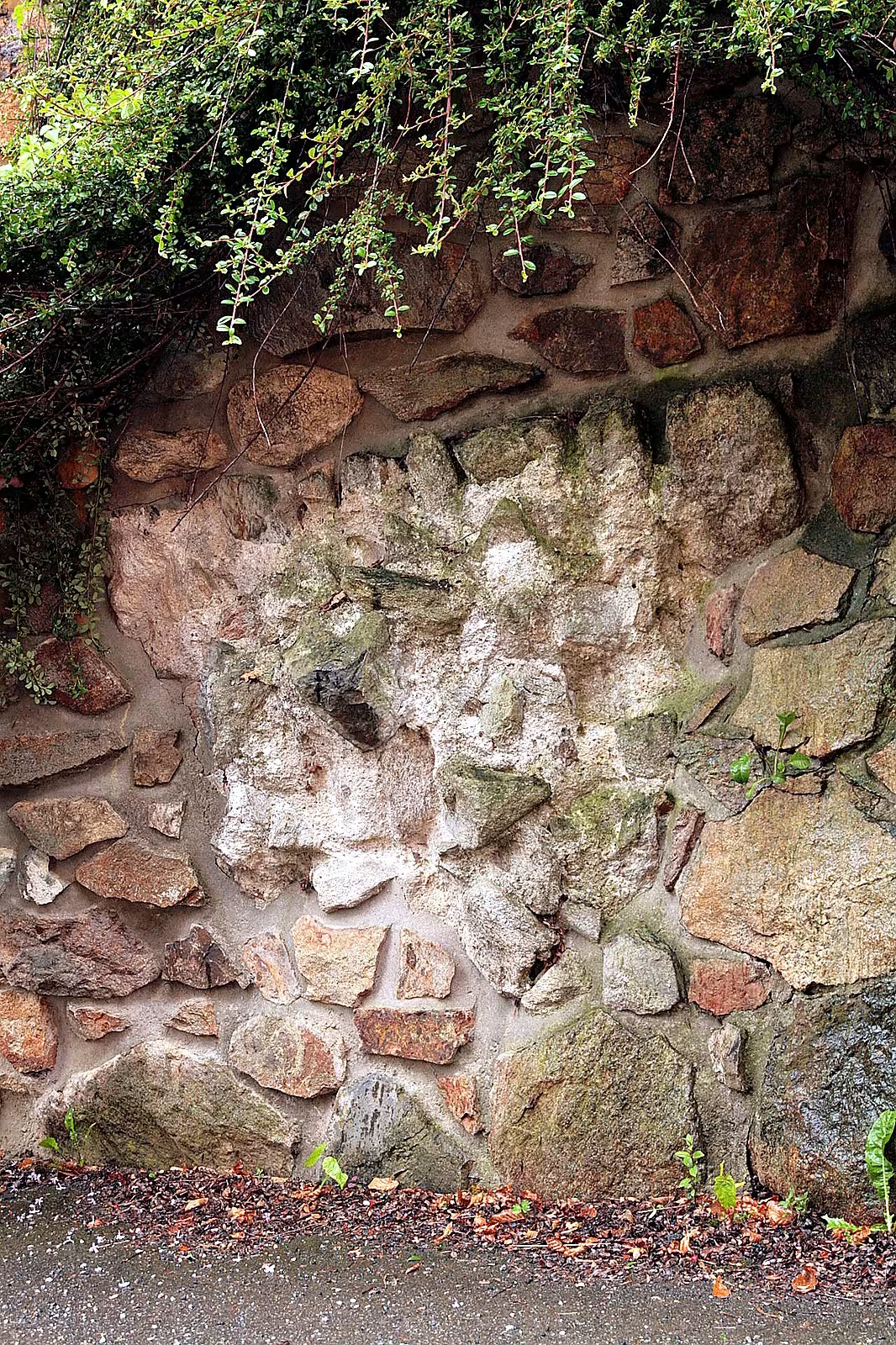
The architectural form of the castle is unknown. It originally stood in the area of today's Vyšehrad Street, and its front moat likely ran through Husova Street. The only surviving remains—fragments of masonry near plot 134/II—were damaged in 2002 during the construction of an access road and partially removed.
Přibyslav Castle has now completely vanished. Visitors walking along Vyšehrad Street can imagine where the medieval fortress once stood, witnessing the Hussite Wars before eventually fading into history.
Historical milestones
- 1424
- The fortress was besieged and captured by Jan Žižka.
- 1431
- The fortress was unsuccessfully besieged by Austrian Duke Albrecht.
Architectural development
The exact architectural details of Hrad Přibyslav are unknown. It stood on a rocky island above the Sázava River, with its main ditch likely running along Husova Street. The last known mention in records was in 1515, and by 1547 it was described as abandoned.
Historical events
In the early 13th century, Hrad Přibyslav was constructed for silver mining purposes.
During the Hussite Wars in 1424, Jan Žižka besieged and captured the fortress.
Owners
Initially built by Přibyslav z Polné, ownership later passed to Čeněk z Ronova during the Hussite Wars.
Points of interest
- Hrad Přibyslav was built in the first half of the 13th century during a period of silver mining, likely initiated by Přibyslav z Polné. – During the Hussite Wars, Čeněk z Ronova owned the castle and participated in the massacre at Chotěboř in 1421. In 1424, Jan Žižka led Hussites to besiege the castle; he died during this siege, marking a significant event in the wars. – After being captured by the Hussites, Přibyslav was burned down. Another unsuccessful siege occurred in 1431 by Austrian Duke Albrecht. – Despite surviving into the early 16th century, the castle fell into disrepair as locals dismantled its stones for repairs. By 1547, it was described as abandoned. – The original structure of Hrad Přibyslav is unknown; it once stood where Vyšehrad street is now, with a moat likely running along Husova ulice. Only fragments remain at parcel 134/II, damaged in 2002 during construction.
Guide
This guide is narrated by a synthetic voice generated by artificial intelligence.
Show guide text
This text was created by artificial intelligence and has not been editorially reviewed. It may contain inaccuracies.
Welcome to the historic site of Hrad Přibyslav. As you stand here today, take a moment to simply breathe in the atmosphere of this place. You are looking at the enduring remnants of a medieval fortress, a site that has watched the passing of centuries from its commanding position. Even in its current state as a ruin, there is an undeniable sense of strength and purpose radiating from these stones. Notice how the landscape itself seems to protect the site, with the rugged terrain and the presence of the Sázava River nearby creating a natural sense of isolation and defense. As you prepare to explore, let your mind move past the modern world and step back into a time of knights, silver, and great religious upheaval.
To understand why this fortress was built in such a strategic location, we must travel back to the early 13th century. This was a period of immense transformation for the region, driven by a burgeoning economy and the discovery of precious resources. During this time, silver mining was becoming a dominant force, bringing wealth and influence to the area. It was within this context of prosperity and expansion that the foundations of Hrad Přibyslav were laid. It is widely believed that the construction was initiated by a man named Přibyslav z Polné, a figure whose name remains forever etched into the identity of this place. The fortress was not merely a residence; it was a statement of power, built to secure the wealth generated by the silver mines and to provide a stronghold in a landscape that was rapidly changing. The choice to build upon this rocky island above the Sázava River was a masterstroke of medieval engineering, utilizing the natural geography to create a site that was as difficult to reach as it was important to hold.
As you turn your attention to the ruins before you, I invite you to observe the way the stone integrates with the natural environment. While the grand halls and soaring roofs of the past have long since vanished, the very bones of the fortress remain. Look closely at how the masonry clings to the uneven surfaces of the rock. You can see how the builders did not fight against the terrain, but rather worked in harmony with it, using the elevation and the steepness of the island to enhance their defensive capabilities. Even without the complete walls, you can perceive the layout of a site designed for survival. Notice the textures of the weathered stone and the way the shadows fall across the remaining structures. The architecture here was dictated by the harsh realities of medieval life—the need for visibility, the need for protection, and the need to control the movement of people and goods along the river and through the valley. It is a landscape of strategic necessity.
The history of Hrad Přibyslav is not merely one of stone and mortar, but one of intense human drama and conflict. As we move forward in time, the peaceful era of silver-driven growth gave way to the violent turbulence of the Hussite Wars. This was a period that would test the strength of every fortress in the land, and Hrad Přibyslav was no exception. During these years, the castle was under the control of Čeněk z Ronova, a powerful and influential figure who was deeply entwined in the political and religious struggles of the era. His involvement in the events surrounding the massacre at Chotěboř in 1421 marks him as a man of significant, and perhaps controversial, impact. The ownership of this castle meant being at the very epicenter of a storm that was reshaping the Bohemian lands.
The tension reached a dramatic climax in 1424. The legendary Hussite commander, Jan Žižka, led his forces toward these very walls. The siege of Hrad Přibyslav was a defining moment in the castle's history. The clash between the forces defending the fortress and the advancing Hussite army was a testament to the site's strategic importance. Ultimately, the fortress was captured by Jan Žižka's forces, a turning point that signaled the shifting tides of power in the region. But the story did not end there. The site remained a prize worth fighting for, even after the Hussite victory. In 1431, the Austrian Duke Albrecht attempted to besiege the fortress, seeking to reclaim control, but his efforts were unsuccessful. These repeated attempts to take the stronghold underscore just how vital this position remained, even as the medieval world began to transition into something new.
There is a fascinating duality to this place that invites deeper reflection. Hrad Přibyslav began its life as a symbol of economic prosperity, a monument to the silver mining boom that enriched the land. Yet, it is most remembered as a theater of war, a place where the ideologies of the Hussite movement collided with the established powers of the time. It is a place where wealth and violence, stability and upheaval, are inextricably linked. As you look at the ruins, consider the mystery of how a site built to protect riches became a place of such profound conflict. One can almost imagine the contrast between the quiet, industrious atmosphere of the early 13th century and the thunderous, chaotic energy of the sieges that followed.
As you continue your walk through the site, I encourage you to explore the area at your own pace. Let the silence of the ruins speak to you. Feel the weight of the history that resides in these stones and the river that continues to flow steadily below. Hrad Přibyslav is a place where the past is not just remembered, but felt. Thank you for joining me on this journey through time. Please, enjoy the rest of your visit and the remarkable views offered by this historic landscape.
Tips for visitors
The best time to visit Hrad Přibyslav is during the late spring or early autumn months, when the weather is mild and pleasant for exploring outdoor sites like this historical ruin. These seasons offer comfortable temperatures and typically fewer crowds, allowing you to enjoy the scenic views of the Sázava River and surrounding landscape without the summer heat or winter chill. Additionally, visiting during these times often means better lighting conditions for photography, capturing the beauty of the ruins against a clear sky.
Parking and transportation options are convenient for visitors traveling by car or public transport. There is parking available near the site, making it accessible for those driving to Přibyslav. For those preferring public transport, you can reach the area via regional bus services; however, it's advisable to check current routes and schedules in advance using a transportation search tool. The proximity of Hrad Přibyslav to residential areas means that local roads are well-maintained, facilitating easy access.
When visiting Hrad Přibyslav, consider bringing comfortable walking shoes as the terrain around the ruins can be uneven. A hat and sunscreen are recommended if you're planning a visit during warmer months, while layers or a light jacket might be necessary for cooler weather. Since there is no on-site café or shop, it's wise to bring water and snacks to enjoy during your exploration of the site.
For photography enthusiasts, some of the best spots at Hrad Přibyslav include viewpoints that capture the ruins against the backdrop of the Sázava River. Early morning light can provide a soft glow on the rocky island where the fortress is located, creating dramatic and picturesque scenes. The play of shadows during late afternoon also offers unique opportunities for capturing the historical essence of the site.
Nearby attractions within 30 minutes include the historic town center of Přibyslav itself, which offers charming architecture and local shops to explore. Additionally, visitors can venture to nearby silver mines that once surrounded the fortress, providing a glimpse into the area's rich mining history. These sites offer educational insights for families with children interested in learning about medieval life and industry.
Frequently asked questions
Is Hrad Přibyslav open to the public?
Yes, Castle Přibyslav is open to the public. The tour may be all year, but the best time is from April to October.
How do I get to the place by car / public transport?
You can get by car or public transport to the city of Přibyslav and then walk to the castle gates. Parking is possible near the castle.
How much is the entrance fee and is it paid on the spot?
Payment is made directly at the castle gates.
Is the tour suitable for children and seniors?
Yes, the tour of castle Přibyslav is also suitable for families with children. Seniors we recommend to prepare comfortable shoes and comfortable clothes.
How long does the tour take?
The tour of the castle Přibyslav takes approximately 1-2 hours, depending on the speed of visitors.
What are the opening times and booking is required?
Hrad Přibyslav is available throughout the year from 9: 00 to 17: 00. Reservation is not necessary, but we recommend preparing a tour plan in advance.
What's interesting in the immediate vicinity?
In the immediate vicinity of the castle Přibyslav there are several historical buildings and cultural monuments of the city Přibyslav. We recommend a tour of the city with its historical buildings and cultural heritage.
For kids
Imagine going back to the past, when the Czech Kingdom was still young and strong. The city of Přibyslav was the castle where the warriors and warriors lived. And among them was castle Přibyslav, the strongest fortress in the region.
It's like the door to your past opened up and you can see it all happening. Hrad Přibyslav was like glass bottles that contained secrets and mysticism. There were warriors who fought for freedom and rights, there were kings who ruled the whole kingdom.
Businesses nearby
Do you run a restaurant, accommodation, shop, museum, rental, wellness or other visitor service near this monument? Show yourself directly to the people heading to it — this is how they will see you in the app and on the web:
Nearby
The site is located near the Sázava River and was historically surrounded by silver mines. Today, it lies within a residential area in Přibyslav.
Accommodation nearby
Themed route
Hrad Přibyslav (zřícenina) Type: Castle Ruin This is the primary highlight of the tour, offering a glimpse into the medieval past of the region. The site is historically significant as it was once surrounded by silver mines, making it a key location for understanding the local economic history.
Sázava River Type: Natural Landmark Located near the castle ruins, this river provides a scenic backdrop and a peaceful environment for reflection. Its proximity to the historical site adds to the atmospheric quality of the visit, connecting the man-made structure with the natural landscape.
Residential Area of Přibyslav Type: Urban Environment Today, the castle lies within this residential zone, allowing visitors to see how the historical landmark integrates into the modern daily life of the town. Walking through these streets offers a direct contrast between the ancient ruins and the contemporary community that surrounds them.
Historical Silver Mining Zone Type: Historical Site While the active mining operations are long gone, the area retains its identity as a former mining region. Exploring the vicinity helps visualize the industrial heritage that once defined the economy of Přibyslav, adding depth to the historical narrative of the castle.
This thematic route focuses exclusively on the immediate surroundings and the historical context provided by the source material. It begins at the castle ruins, moves to the nearby Sázava River for a natural pause, and then explores the residential streets and the broader historical mining context of the town. The itinerary is designed to be compact, as all points are located in close proximity to one another within the town of Přibyslav. Visitors can easily walk between these points, experiencing the transition from historical ruins to the living town and the natural riverbank. The route emphasizes the unique combination of medieval architecture, natural beauty, and industrial history that characterizes this specific location in the Vysočina region. By sticking to these specific elements, the tour remains focused and authentic, avoiding any fabricated or distant attractions. The logical order allows for a smooth flow from the main historical site to its immediate natural and urban context, ensuring a coherent and informative experience for any traveler interested in the local heritage of Přibyslav.
Seasonal recommendations
Spring: Visiting Hrad Přibyslav during spring offers a unique opportunity to witness the castle's ruins emerging from winter dormancy, surrounded by blooming wildflowers and lush greenery that frame the ancient stones in vibrant colors. The gentle warmth of the season encourages longer daylight hours, making it ideal for exploring the site without rushing. Visitors should be prepared for occasional showers typical of spring weather; therefore, wearing layers is advisable. Early morning visits are recommended to enjoy the serene atmosphere before larger crowds arrive.
Summer: Summer at Hrad Přibyslav brings a lively atmosphere as the ruins bask in long daylight hours and warm sunshine, creating perfect conditions for exploring and taking in panoramic views of the Vysočina region from its heights. The lush landscape is at its peak, making it an ideal time for photography enthusiasts. However, summer also attracts more visitors, so arriving early can help avoid the crowds. Comfortable walking shoes and sun protection are essential due to the increased activity and exposure.
Autumn: Autumn transforms Hrad Přibyslav with a stunning display of fall foliage that casts a golden hue over the ruins, offering breathtaking views against the backdrop of the Vysočina countryside. The cooler temperatures make for comfortable exploration without the summer heat. As daylight hours shorten, it's wise to plan your visit earlier in the day to fully appreciate the site's beauty. Layered clothing is recommended to adjust to varying temperatures throughout the day.
Winter: Winter offers a mystical experience at Hrad Přibyslav, with snow-covered ruins creating an enchanting landscape that seems straight out of a fairy tale. The shorter days and colder weather mean fewer visitors, allowing for a more intimate exploration of the site. However, it's important to dress warmly in layers and wear sturdy boots for navigating the potentially icy paths. Early morning visits are advisable not only to avoid crowds but also to catch the soft light that enhances the ruins' ethereal beauty during this season.
Visualizations and artistic views


The visualisations are generated by artificial intelligence and serve as inspiration.
Photos from the area
Real photos taken near the monument

Zdroj a licence jsou uvedeny u každého snímku.
Tips from visitors
No tips yet. Be the first!
Log in and add your tip.
Sources and literature
Fotografie: Martin Strachoň / CC BY-SA 3.0 — Wikimedia Commons. The author and licence also appear when you hover over the image.
Faktickým podkladem tohoto textu byl článek na Wikipedii, jehož autory jsou přispěvatelé Wikipedie. Článek je dostupný pod licencí CC BY-SA 4.0.
Location on the map

Příběhy a pověsti
Legendy, pověsti a příběhy spjaté s touto památkou
Fotografie návštěvníků
Zatím žádné fotografie. Buďte první, kdo přidá fotografii z návštěvy!
Přihlaste se a přidejte svou fotografii nebo hodnoťte.
Za ověřenou návštěvu v aplikaci získáte víc bodů — poznáme podle GPS, že jste na místě.
Reviews and comments