






Jezdecká socha Jana Žižky z Trocnova Statue
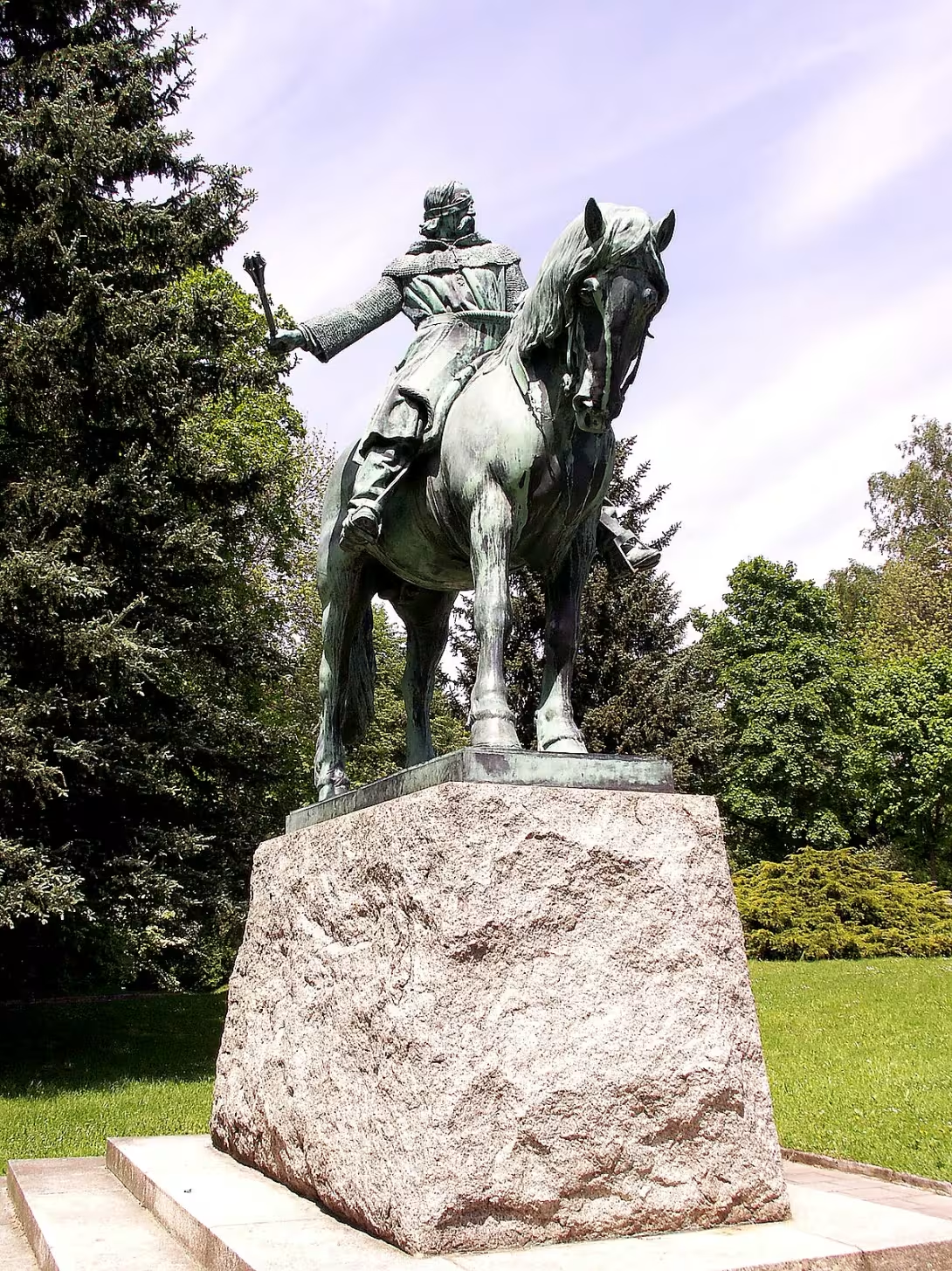
The equestrian statue of Jan Žižka in Přibyslav stands as a modern tribute to one of Czech history's most celebrated military leaders. Located south of the town’s castle and overlooking the Sázava River, this monument was created by sculptor Bohumil Kafka in 1935 and unveiled in 1957. It commemorates Jan Žižka's pivotal role during the Hussite Wars, reflecting his enduring legacy as a symbol of Czech resilience and leadership.
Efforts to honor Jan Žižka began in the early 20th century with the establishment of a society dedicated to building a monument in his name. By 1931, Bohumil Kafka was commissioned for this task. He consulted extensively with experts to ensure historical accuracy regarding elements such as horse breed, attire, and armor. This meticulous attention to detail resulted in multiple smaller models before completing the final version.
Architecturally, the statue exemplifies a modern era style, distinct from its larger counterpart on Prague's Vítkov Hill. Standing at 290 cm tall with a length of 300 cm, it is significantly smaller but no less impactful. Kafka’s dedication to historical precision in depicting Jan Žižka and his steed underscores the artistic form of this monument.
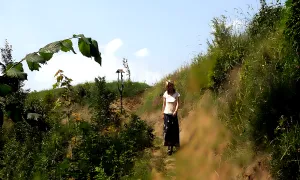
Since its unveiling on September 22, 1957, the statue has remained an integral part of Přibyslav's cultural landscape. It is situated within a scenic park by the Sázava River, enhancing its visual appeal and accessibility to visitors. The area also features a trail named after Roman Podrázský, adding further interest for those exploring the region.
Today, the equestrian statue of Jan Žižka continues to be a significant cultural landmark in Přibyslav. Its historical context as part of Czechoslovakia's pre-World War II era and its connection to other monuments dedicated to Jan Žižka across the country highlight its importance. Visitors are drawn not only by its artistic merit but also by its scenic location, making it a worthwhile destination for those interested in Czech history and culture.
The statue stands as a testament to Jan Žižka's enduring legacy and serves as an invitation to explore the rich historical tapestry of Přibyslav. Its presence offers both locals and tourists alike a chance to reflect on the past while enjoying the natural beauty surrounding this remarkable monument.
Then and now
Drag the slider to compare how the landmark may have looked when it was built with the view today.
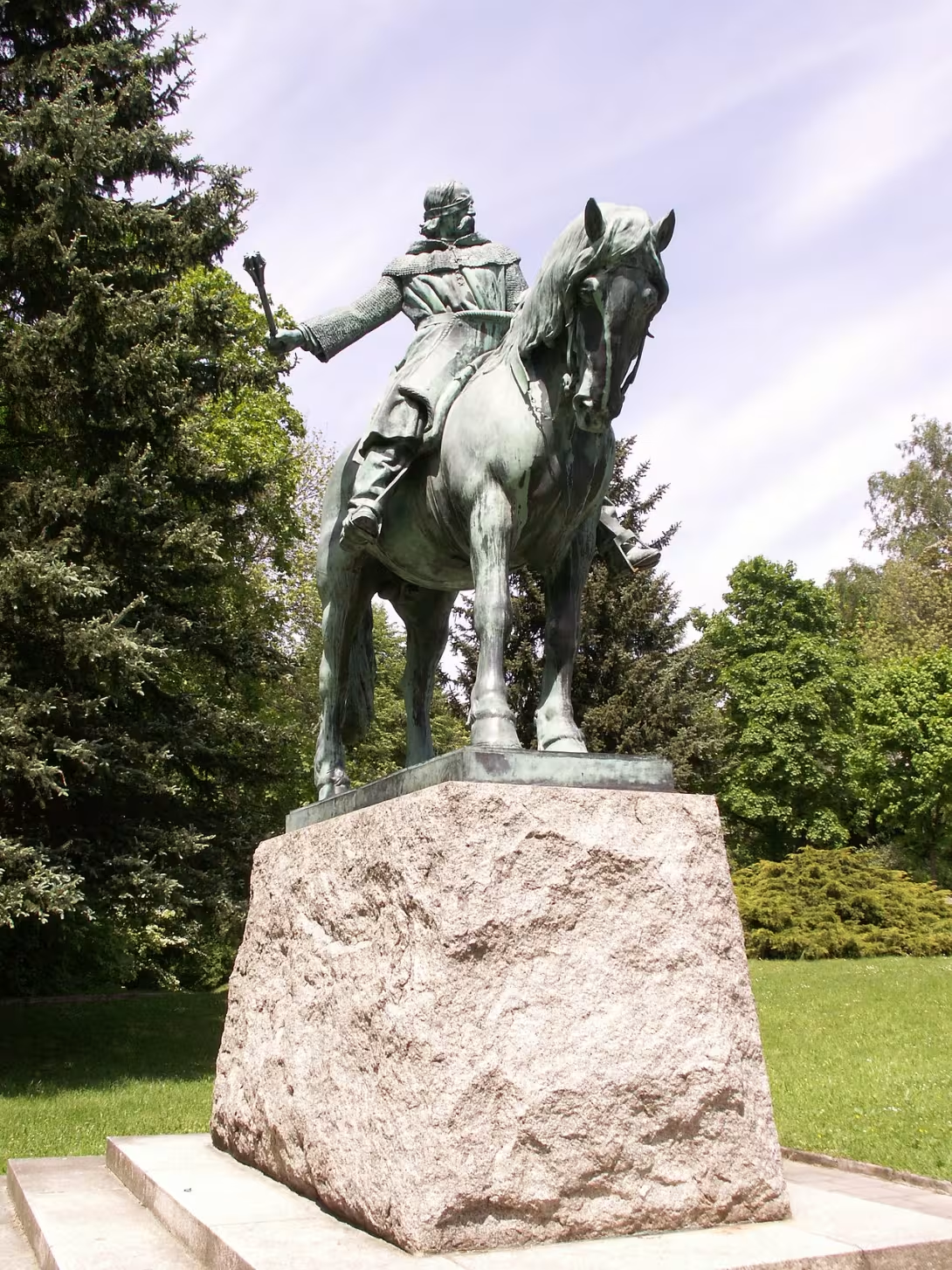
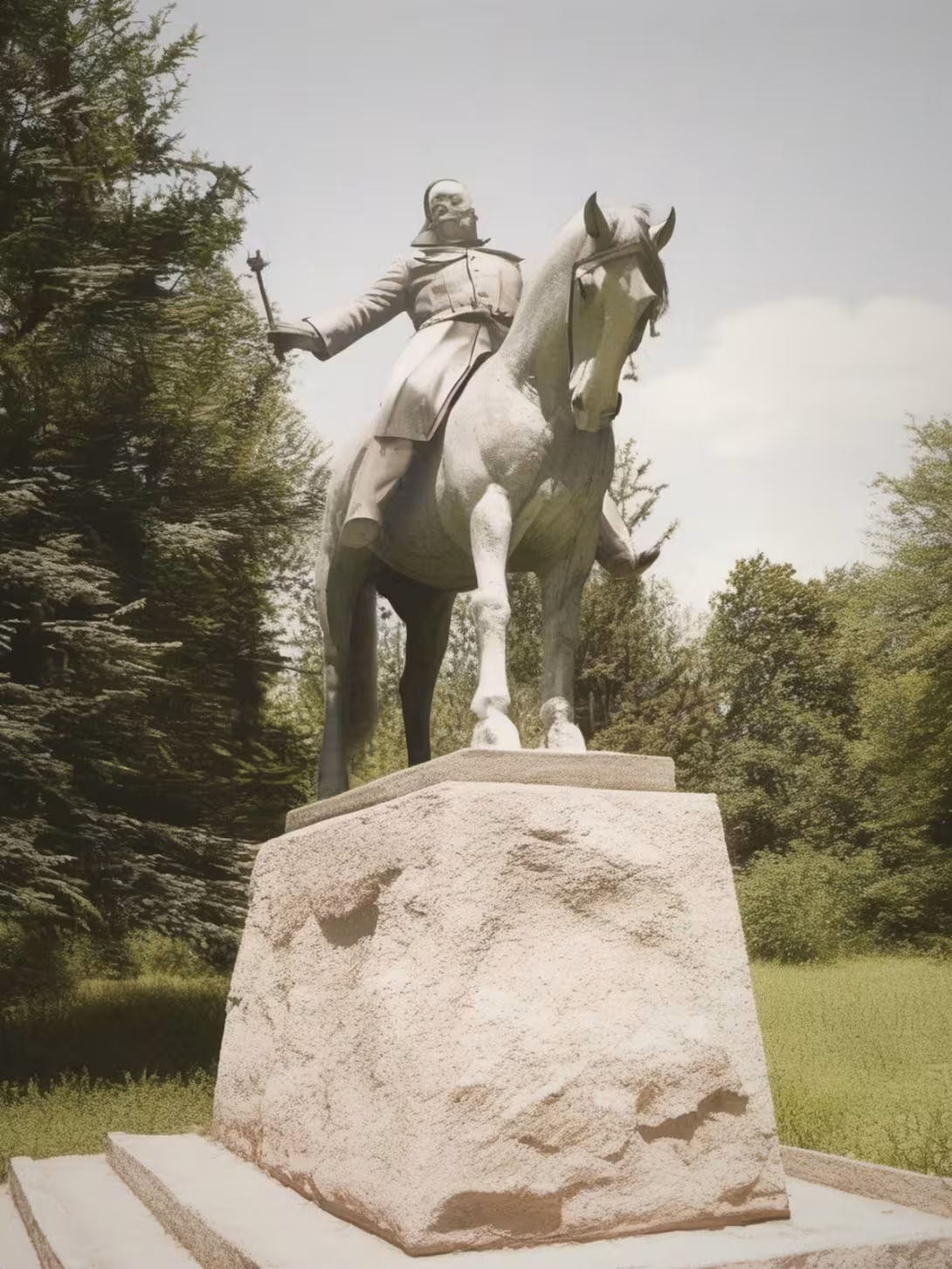
The historical appearance on the left is an AI-generated visualisation and serves as inspiration only.
Historical milestones
- 1935
- Creation of the equestrian statue of Jan Žižka by Bohumil Kafka.
- 1957
- The statue was unveiled in Přibyslav.
Architectural development
The statue's creation involved detailed consultation by sculptor Bohumil Kafka regarding historical accuracy of elements such as horse breed, attire, and armor. Multiple smaller models were crafted before the final version.
Historical events
1931: Bohumil Kafka was commissioned to create the statue, involving consultations with experts on historical details.
1957: The statue was unveiled in Přibyslav.
Guide
This guide is narrated by a synthetic voice generated by artificial intelligence.
Show guide text
This text was created by artificial intelligence and has not been editorially reviewed. It may contain inaccuracies.
The equestrian statue of Jan Žižka z Trocnova stands in Přibyslavina on the Vysočina region, south of the castle, in a park above the Sázava river. A nature trail by Roman Podrázský runs around it.
The story of the Přibyslavina statue is closely connected to the famous monument on Prague's Vítkov. In 1882, the Association for the Construction of the Žižka Monument on Žižkov was established. The association received many proposals for the shape of the monument, but for a long time it did not select any of them. Only in 1931 did it call upon the sculptor Bohumil Kafka to undertake the work.
Kafka took great care over the appearance of the work. He consulted with experts on many details, such as which breed of horse to choose, what the period equipment and weapons looked like, or what the horse harnesses were like. During his work, he also created a series of smaller models.
One of these models is probably precisely the statue in Přibyslavina. It was created in 1935. It is 290 centimetres high and 300 centimetres long. Compared to the Prague statue on Vítkov, which measures 9 metres in height and 9 metres and 60 centimetres in length, this is a much smaller version.
In Přibyslavina, the monument was ceremoniously unveiled on 22 September 1957, that is, seven years after Kafka's statue was unveiled on Vítkov.
Tips for visitors
The best time to visit the equestrian statue of Jan Žižka is during late spring or early autumn, when the weather is mild and pleasant for walking around the park by the Sázava River. During these months, you can enjoy the lush greenery and blooming flowers in the surrounding area, enhancing your experience. Additionally, visiting on a weekday might offer a quieter atmosphere compared to weekends.
Frequently asked questions
Can the monument be visited?
This is a structure in a public space that can usually be seen from outside free of charge. We have not verified that this particular one is freely accessible.
Where is the monument?
Location: Přibyslav, Kraj Vysočina. The map on this page shows the exact spot.
Why is the monument protected?
It is listed in the Central List of Cultural Monuments of the Czech Republic as a cultural monument (register no. 1000158901).
Businesses nearby
Do you run a restaurant, accommodation, shop, museum, rental, wellness or other visitor service near this monument? Show yourself directly to the people heading to it — this is how they will see you in the app and on the web:
Nearby
The statue is located south of Přibyslav's castle in a park by the Sázava River. The area features a trail named after Roman Podrázský.
Accommodation nearby
Themed route
Trasa: Jezdecká socha Jana Žižky z Trocnova a okolí
1. Jezdecká socha Jana Žižky z Trocnova - Socha Stands out for its unique architecture and symbolic significance, making it worth visiting. The Jan Žižka of Trocnov equestrian statue is one of the most famous and beautiful in the Czech Republic.
2. Park u Sázavy - Park Worth visiting for its peaceful atmosphere and stunning views of the Sázava River. The park features a statue of Jan Žižka of Trocnov and offers tranquil walks under trees.
3. Trasa Romana Podrázského - Cycling Worth visiting for its unique route that winds along the Sázava River, offering beautiful views of the surrounding landscape. The trail is suitable for cycling and hiking.
Seasonal recommendations
Jaro In the spring season, the special atmosphere around the equestrian statue of Jan Žižka z Trocnova is influenced by the soft sunlight creating interesting lighting effects on the sculpture. Practical tips: The best time to visit is early in the morning or late afternoon to avoid crowds of tourists coming for nature walks. Don't forget to wear hiking boots and comfortable clothing, as the green grass and flowers haven't yet bloomed.
Léto During the main summer season, there are naturally more tourists who want to see the statue of Jan Žižka z Trocnova. The atmosphere is relaxed, and sunny weather creates pleasant conditions for sightseeing. Practical tips: Arrive early to avoid crowds, and don't forget to bring a sun hat and sunscreen. If you want to take photos, use the time before or after peak visitation to capture quality shots.
Podzim In autumn, the area around the statue of Jan Žižka z Trocnova is covered in fall colors, creating beautiful photogenic scenes. Practical tips: The best time to visit is before or after rain to avoid tourists coming for nature walks. Don't forget hiking boots and comfortable clothing, as the green grass and leaves haven't yet fallen.
Zima In winter, the statue of Jan Žižka z Trocnova is surrounded by a calm winter atmosphere creating interesting contrasts. Practical tips: The best time to visit is early in the morning or late afternoon to avoid tourists coming for winter walks. Don't forget warm clothing and boots, as it's cold and there may be snow.
Visualizations and artistic views


The visualisations are generated by artificial intelligence and serve as inspiration.
Photos from the area
Real photos taken near the monument


Zdroj a licence jsou uvedeny u každého snímku.
Tips from visitors
No tips yet. Be the first!
Log in and add your tip.
Sources and literature
Photos: BíláVrána / CC BY-SA 3.0 — Wikimedia Commons. The author and licence also appear when you hover over the image.
Faktickým podkladem tohoto textu byl článek na Wikipedii, jehož autory jsou přispěvatelé Wikipedie. Článek je dostupný pod licencí CC BY-SA 4.0.
Location on the map
Příběhy a pověsti
Legendy, pověsti a příběhy spjaté s touto památkou
Fotografie návštěvníků
Zatím žádné fotografie. Buďte první, kdo přidá fotografii z návštěvy!
Log in a přidejte svou fotografii nebo hodnoťte.
Za ověřenou návštěvu v aplikaci získáte víc bodů — poznáme podle GPS, že jste na místě.
Reviews and comments