






Kostel Narození svatého Jana Křtitele (Přibyslav) Church
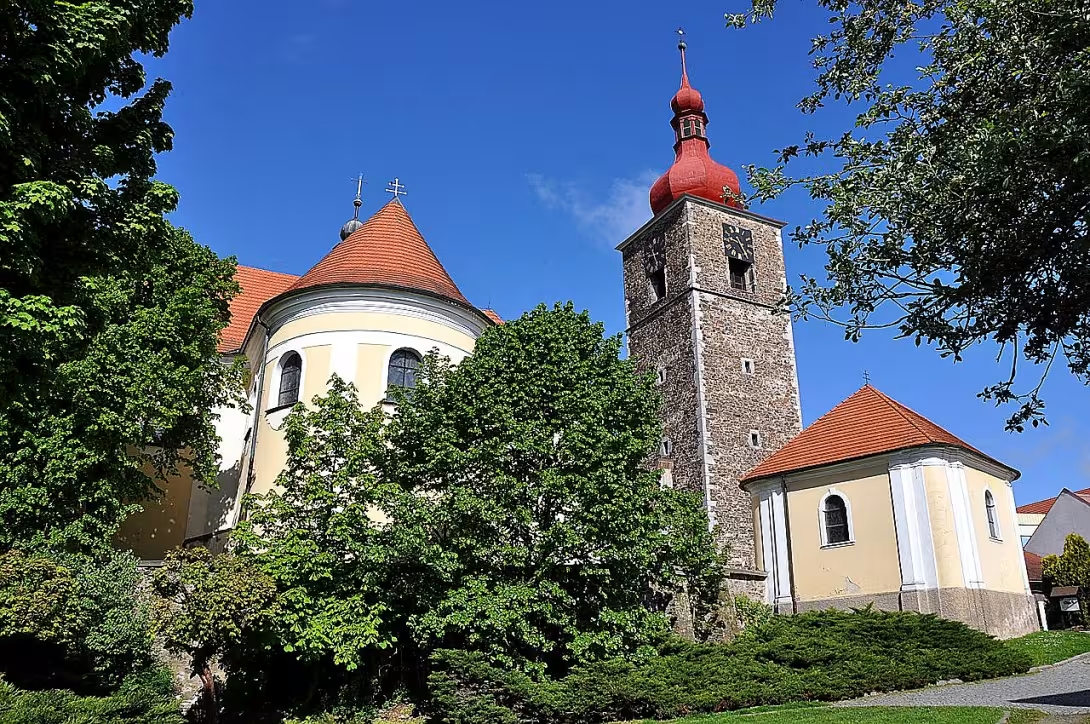
The Church of the Nativity of Saint John the Baptist in Přibyslav is a notable Baroque structure at the heart of this historic town. Its current form dates back to 1750, following a decision by Karel Maxmilián z Ditrichštejn. The church and its adjacent tower are protected as cultural monuments due to their historical significance. This site stands out for its architectural evolution from an earlier Gothic church to the Baroque splendor it exhibits today.
The origins of this monument trace back to around 1265 when a smaller, Gothic-style church was first established in Přibyslav. Over time, this original structure suffered significant damage during the Hussite Wars, particularly at the hands of Jan Žižka's forces. By the mid-18th century, under Karel Maxmilián z Ditrichštejn's ownership, a decision was made to replace the dilapidated church with a new Baroque edifice. The cornerstone for this transformation was laid on April 1, 1750, and by 1753, the church had been consecrated, marking its completion.
Architecturally, the Church of the Nativity of Saint John the Baptist is distinguished by its cross-shaped nave and gable roofs. A prominent feature within its interior is the family crest of the Ditrichštejns, adorned with wine pruning hooks, reflecting their noble lineage. The western facade boasts niches housing statues of Saint John Nepomucene and Saint John the Baptist, adding to the church's artistic allure.
Ownership and administration of the church have seen significant figures, notably Karel Maxmilián z Ditrichštejn, who played a pivotal role in its Baroque transformation. Throughout its history, the church has witnessed dramatic events, such as the devastating fire of 1767 that severely damaged both the church and the adjacent Gothic tower. Despite these challenges, restoration efforts have been undertaken to preserve its historical integrity.
Key events in the church's timeline include the first mention of its defensive tower in 1497, highlighting its strategic importance within Přibyslav's fortifications. The fire of 1767 stands out as a pivotal moment that tested the resilience of this monument and its community. In more recent history, the church underwent significant restoration efforts, including the installation of new bells named Maria and Jan in 1994.
Today, the Church of the Nativity of Saint John the Baptist remains an accessible site for visitors interested in exploring Přibyslav's rich cultural heritage. Its architectural beauty and historical significance make it a compelling destination for those keen to delve into the town's past. The church continues to be a testament to the enduring legacy of its founders and the community that has preserved it through centuries.
Visiting this monument offers a unique opportunity to connect with the historical narrative of Přibyslav, providing insights into the architectural and cultural developments that have shaped this region. Its preservation as a cultural monument ensures that future generations can appreciate its beauty and significance, making it an essential stop for anyone exploring the Czech Republic's historical landscape.
Then and now
Drag the slider to compare how the landmark may have looked when it was built with the view today.
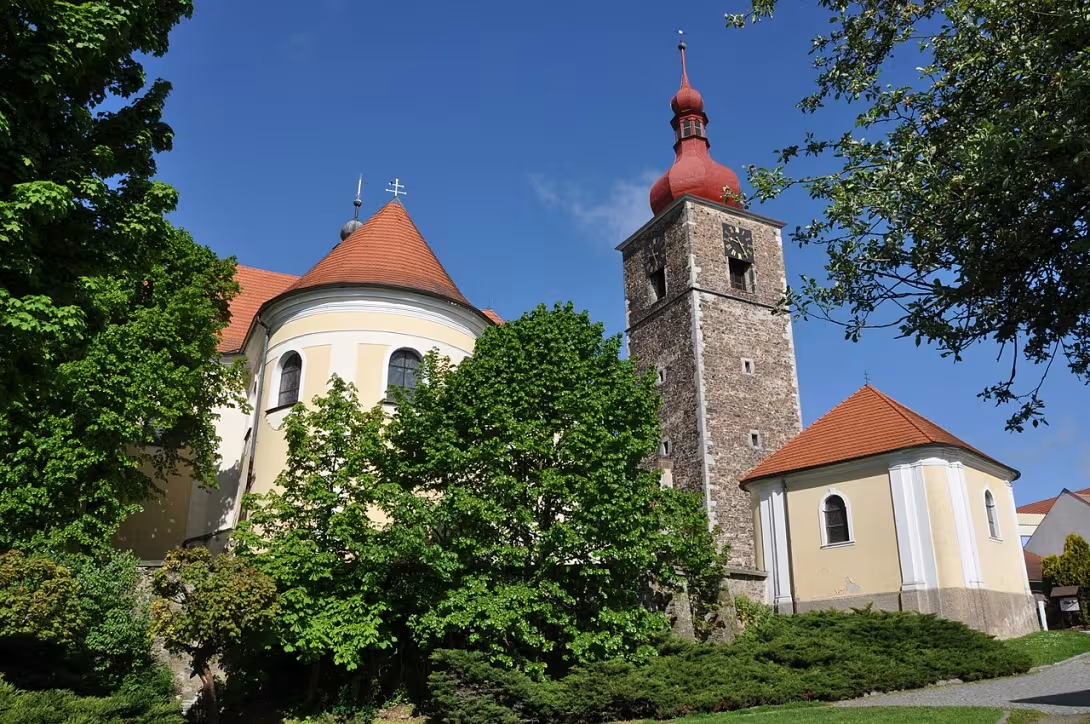
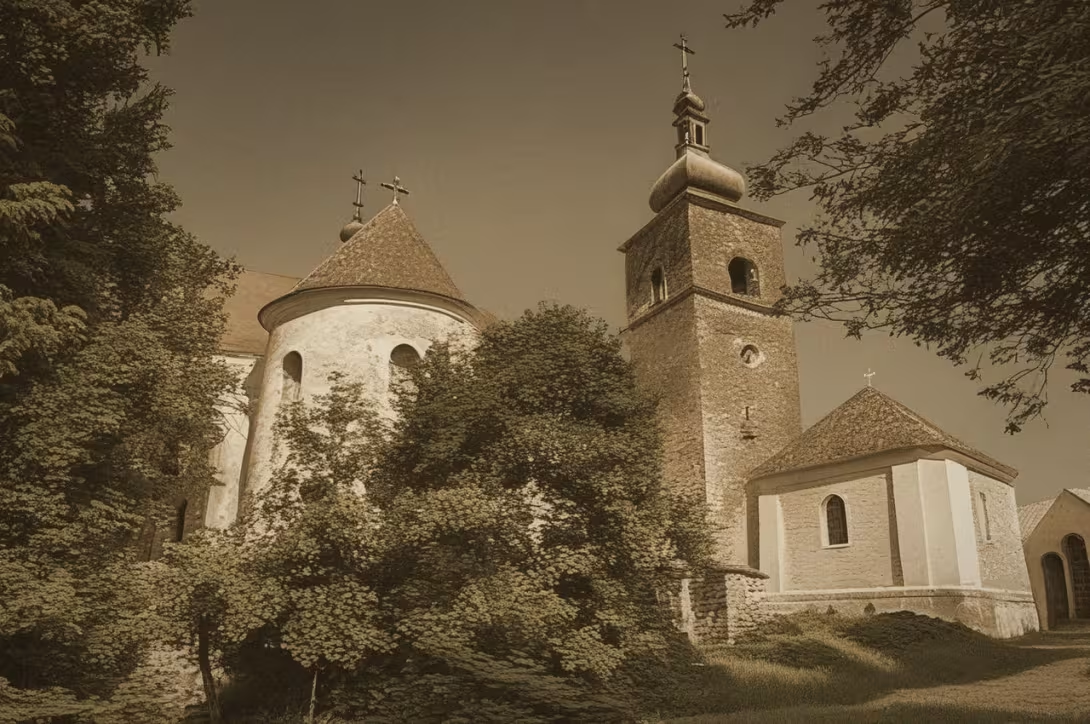
The historical appearance on the left is an AI-generated visualisation and serves as inspiration only.
Historical milestones
- 1265
- Establishment of the original Gothic church.
- 15th century
- First mention of the defensive tower in 1497.
- 1750
- Laying of cornerstone for Baroque transformation.
- 1753
- Consecration and completion of the church.
- 1767
- Devastating fire damaging church and tower.
- 1994
- Installation of new bells named Maria and Jan.
Architectural development
The original church was built in the Gothic style but was significantly smaller than today's building. It suffered damage during the Hussite Wars. In 1750, a new baroque church replaced it, with its cornerstone laid on April 1 and consecration occurring in 1753. The interior underwent restoration by A. Sucharda in 1891.
Historical events
- 1497
- First mention of the tower, originally part of a defensive structure.
- 1767
- A fire severely damaged both the church and the adjacent Gothic tower.
Points of interest
- The Church of the Nativity of Saint John the Baptist originally began as a smaller Gothic church around 1265, which was significantly damaged during the Hussite Wars by Jan Žižka's forces, illustrating its turbulent history even before its Baroque transformation.
- A unique feature within the church is the family crest of the Ditrichštejns, adorned with wine pruning hooks, reflecting their noble lineage and connection to viticulture, which adds a personal historical touch to the structure.
- The devastating fire of 1767 not only damaged the church but also severely impacted the adjacent Gothic tower, marking it as a pivotal event that tested the resilience of both the monument and its community in Přibyslav.
- In more recent history, the church underwent significant restoration efforts, including the installation of new bells named Maria and Jan in 1994, highlighting ongoing preservation efforts to maintain its historical integrity.
- The first mention of the church's defensive tower dates back to 1497, emphasizing its strategic importance within Přibyslav’s fortifications and suggesting a dual role as both a place of worship and defense.
Guide
This guide is narrated by a synthetic voice generated by artificial intelligence.
Show guide text
This text was created by artificial intelligence and has not been editorially reviewed. It may contain inaccuracies.
Welcome to the Church of Narození svatého Jana Křtitele in Přibyslav, a remarkable testament to both history and architecture nestled within this charming part of Vysočina. As you stand here, take a moment to absorb your surroundings: before you is a stunning baroque structure that has stood the test of time since its transformation in 1750. Its elegant form rises against the skyline, inviting you to explore its rich past.
The origins of this sacred site date back to 1265 when an original Gothic church was established here. This early structure witnessed turbulent times, notably during the Hussite Wars, when it suffered significant damage at the hands of Jan Žižka's forces—a testament to its resilience and historical significance even before its transformation.
Fast forward to the mid-18th century, a pivotal moment arrived in 1750 when Karel Maxmilián z Ditrichštejn decided on a bold architectural shift. The cornerstone for what would become this baroque masterpiece was laid, marking the beginning of an era that would see the church take its current form by 1753. This period brought about significant changes, including a devastating fire in 1767 that left both the church and its adjacent tower damaged, adding layers to its storied history.
As you gaze upon the church now, notice the cross-shaped nave with gable roofs—a hallmark of baroque architecture. The prominent family crest of the Ditrichštejns adorning the structure serves as a reminder of the influential figures tied to this place. This architectural detail not only enriches the visual appeal but also connects us to the past patrons who played a crucial role in its history.
Karel Maxmilián z Ditrichštejn stands out among these historical personalities, his vision and patronage instrumental in the church's transformation into the baroque jewel we see today. His influence is palpable as you explore the intricacies of this architectural wonder.
One intriguing aspect of this site is its enduring legacy through time. The installation of new bells named Maria and Jan in 1994 adds a contemporary layer to its historical narrative, bridging centuries with their resonant tones that echo through Přibyslav.
As we conclude our brief journey through the history and architecture of this iconic church, I invite you to continue exploring its surroundings, perhaps delving deeper into the stories etched within its walls. Thank you for joining me on this auditory tour, and may your visit here leave a lasting impression as rich and enduring as the church itself.
Tips for visitors
The best time to visit the Church of the Nativity of Saint John the Baptist in Přibyslav is during late spring or early autumn, when the weather is pleasant for exploring both the church and its surrounding landscape. These seasons offer comfortable temperatures and fewer crowds, allowing you to enjoy the baroque architecture and historical ambiance without the summer rush. Additionally, visiting during these times provides opportunities to see local flora in bloom, enhancing your experience of the picturesque setting.
Parking and transportation options for reaching Přibyslav are convenient. There is parking available nearby, making it accessible by car. For those preferring public transport, the area can be reached via regional bus services. It's advisable to check current routes and schedules online before traveling to ensure a smooth journey. The proximity of other historical sites in the vicinity also makes Přibyslav an ideal stop on a broader tour of the Vysočina region.
When visiting, it is recommended to bring comfortable walking shoes as you may wish to explore not only the church but also its surroundings, including the preserved graves from the former cemetery. A camera or smartphone for photography is advisable, as well as a light jacket in case of variable weather conditions. Additionally, carrying water and snacks can enhance your visit, especially if you plan to spend several hours exploring.
For capturing the best photographs of the church, aim for early morning or late afternoon when the natural light is soft and warm, casting beautiful shadows that highlight the baroque details of the structure. The exterior offers a stunning backdrop against the landscape, while the interior provides opportunities to capture the intricate design elements. Exploring different angles can yield unique perspectives, especially around the church's entrance and facade.
Nearby attractions within 30 minutes include other historical sites in Přibyslav that offer insights into local history and architecture. The preserved graves from its former cemetery provide a glimpse into the past, adding depth to your understanding of the area’s heritage. Exploring these nearby sites can complement your visit to the church, making for a fulfilling day trip through the region's rich cultural landscape.
For families with children, visiting the Church of the Nativity of Saint John the Baptist in Přibyslav can be both educational and enjoyable. The historical significance of the site offers learning opportunities about baroque architecture and local history. To keep younger visitors engaged, consider incorporating a scavenger hunt focused on architectural features or historical facts. Additionally, planning your visit to coincide with any local events or workshops can provide interactive experiences for children.
Businesses nearby
Do you run a restaurant, accommodation, shop, museum, rental, wellness or other visitor service near this monument? Show yourself directly to the people heading to it — this is how they will see you in the app and on the web:
Nearby
Přibyslav is surrounded by a landscape that includes other historical sites such as the preserved graves from its former cemetery. The area offers insights into local history and architecture.
Accommodation nearby
Themed route
Tematická výletní trasa: Historické a architektonické památky Přibyslava
1. Kostel Narození svatého Jana Křtitele (Přibyslav) - Typ: Kostel - Proč stojí za návštěvu: Tento kostel je architektonickým důkazem historie Přibyslava, nabízejícím pohled na gotickou a barokní architekturu. Je to nejen místo modlitby, ale také centrum kulturního dědictví obce.
2. Zachované hroby z bývalého hřbitova - Typ: Historická lokalita - Proč stojí za návštěvu: Tyto starobylé hroby poskytují poutavý vhled do minulosti obce a jejích obyvatel. Jsou důležitým prvkem místní historie, který ukazuje na tradice a změny v oblasti počasí let.
3. Nádvoří kostela - Typ: Architektonické nádvoří - Proč stojí za návštěvu: Nádvoří představuje klidné místo pro relaxaci a reflektaci, nabízející krásný pohled na kostel. Je to ideální místo k procházce a užívání si venkovního prostoru s historickým významem.
4. Věž kostela - Typ: Architektonická struktura - Proč stojí za návštěvu: Věž nabízí nejen pohled na celou obec, ale také je výjimečným příkladem gotické architektury. Je to ideální místo pro ty, kteří chtějí získat nový pohled na Přibyslav a jeho okolí.
Tato trasa nabízí kompaktní průzkum historických a architektonických památek v obci Přibyslav, což umožňuje návštěvníkům hluboce se ponořit do její bohaté minulosti.
Seasonal recommendations
Spring: Visiting the Church of the Nativity of St. John the Baptist in Přibyslav during spring offers a unique experience as nature awakens around this historical site. The surrounding landscape bursts into life with vibrant wildflowers and lush greenery, providing an enchanting backdrop for your visit. This period often sees fewer tourists than summer, allowing for a more peaceful exploration of the church's architectural beauty. Early mornings are particularly magical, with soft light illuminating the intricate details of the structure. It is advisable to wear comfortable walking shoes as you may want to explore nearby trails and parks that highlight spring's natural splendor.
Summer: Summer in Přibyslav brings long days filled with warm sunshine, making it an ideal time for visitors to fully appreciate the Church of the Nativity of St. John the Baptist. The lush greenery around the church is at its peak, creating a picturesque setting that enhances the historical ambiance. However, this season also attracts larger crowds, especially during midday when temperatures are highest. To avoid the heat and long lines, consider visiting early in the morning or later in the afternoon. Light clothing and sun protection are recommended to ensure a comfortable experience as you explore both the church's interior and its beautiful surroundings.
Autumn: Autumn transforms Přibyslav into a tapestry of warm colors, with the Church of the Nativity of St. John the Baptist standing as a serene focal point amidst the changing landscape. The cooler temperatures create a cozy atmosphere perfect for leisurely walks around the area, allowing visitors to enjoy the church's architecture against a backdrop of golden leaves and crisp air. This season typically sees fewer tourists compared to summer, offering a quieter experience. Layered clothing is advisable to accommodate fluctuating temperatures throughout the day, ensuring you remain comfortable as you explore.
Winter: Winter in Přibyslav offers a serene and magical setting for visiting the Church of the Nativity of St. John the Baptist. The church's stone facade takes on a different character under a blanket of snow, while shorter days mean that lighting is softer and more atmospheric during your visit. This season often sees reduced foot traffic, providing an intimate experience to appreciate the historical site in tranquility. However, it is important to dress warmly with layers, as temperatures can be quite cold. Additionally, check opening hours as they may vary due to winter conditions, ensuring you plan your visit accordingly for a memorable experience amidst the quiet beauty of Přibyslav's winter landscape.
Visualizations and artistic views


The visualisations are generated by artificial intelligence and serve as inspiration.
Photos from the area
Real photos taken near the monument


Zdroj a licence jsou uvedeny u každého snímku.
Tips from visitors
No tips yet. Be the first!
Log in and add your tip.
Sources and literature
Fotografie: Ben Skála, Benfoto / CC BY-SA 3.0 — Wikimedia Commons. The author and licence also appear when you hover over the image.
Faktickým podkladem tohoto textu byl článek na Wikipedii, jehož autory jsou přispěvatelé Wikipedie. Článek je dostupný pod licencí CC BY-SA 4.0.
Location on the map




Příběhy a pověsti
Legendy, pověsti a příběhy spjaté s touto památkou

Fotografie návštěvníků
Zatím žádné fotografie. Buďte první, kdo přidá fotografii z návštěvy!
Přihlaste se a přidejte svou fotografii nebo hodnoťte.
Za ověřenou návštěvu v aplikaci získáte víc bodů — poznáme podle GPS, že jste na místě.
Reviews and comments