






Hrzánský palác Palace
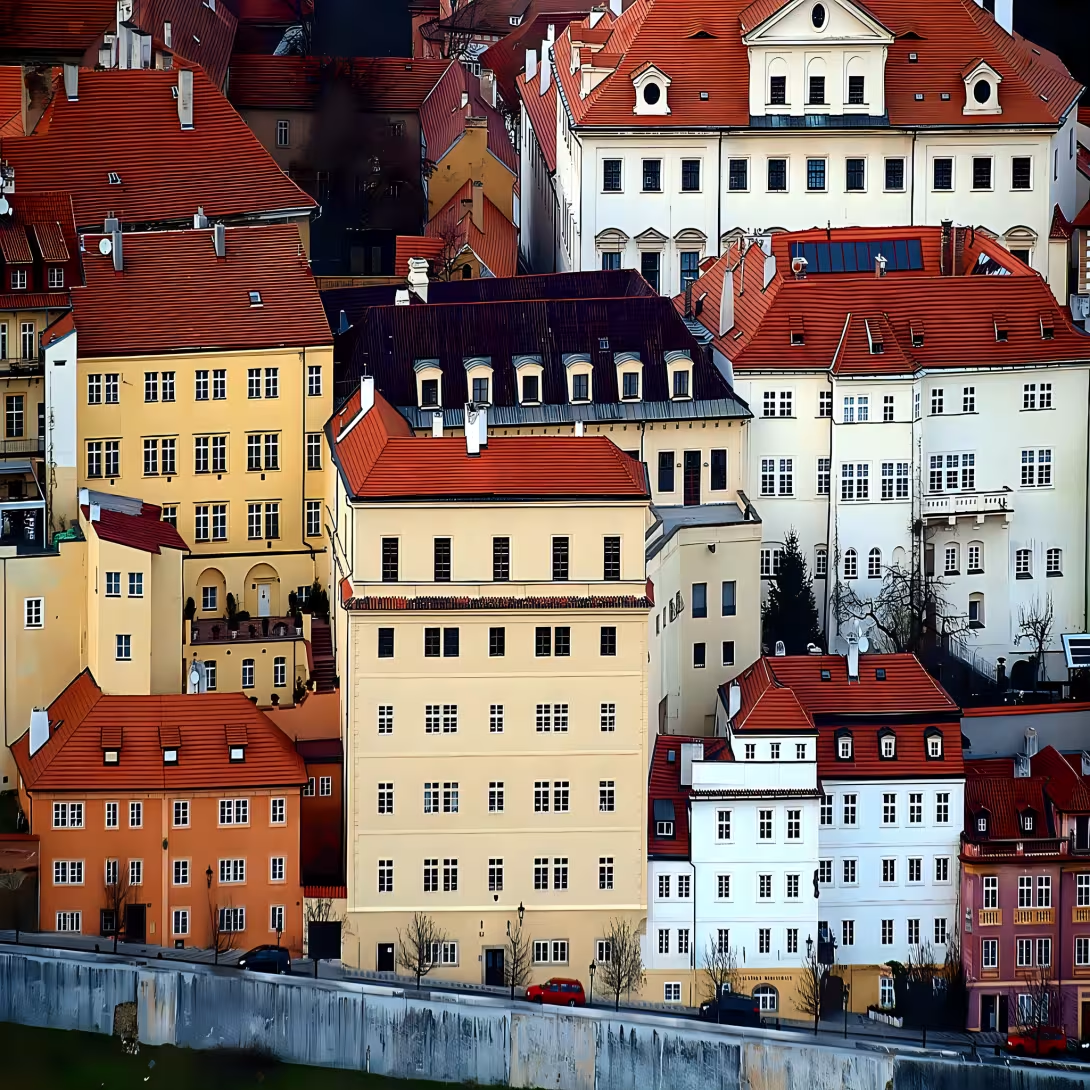
Hrzánský Palác is an important architectural complex located in Prague's historic Hradčany district, between Hradčanské náměstí and Loretánské náměstí. Originally a Gothic house from the 14th century, it has evolved into its current Baroque form, incorporating Renaissance influences along the way. The palace has served various roles—from noble residence to diplomatic venue—highlighting its significance in Prague's cultural and political landscape.
The origins of Hrzánský Palác date back to the 14th century as a Gothic house owned by the Svatovítská kapitula. Ownership changed hands among notable figures such as Petr Parléř, Jindřich z Plavna, and Adam starší ze Šternberka, each contributing to its architectural evolution. In the late 17th century, Zikmund Valentin hrabě Hrzán z Harasova acquired it, initiating changes that shaped its Baroque identity.
Architecturally, the palace is notable for its strategic location on steep terrain, resulting in a two-story northern facade and a more imposing five-story southern section. The current Baroque facade facing Loretánská Street was established in the 18th century under František Kazimír Strachovský ze Strachovic's direction, who added stucco work and Rococo supraportas. This period also saw the addition of a coat of arms representing the proboštství svatého Víta.
Throughout its history, Hrzánský Palác has had numerous owners, each leaving their mark on its structure and purpose. Notable figures include Vilém Albrecht Kolovrat-Krakovský, who expanded it in 1657, and Oldřich Desiderius Pruskovský z Pruskova, who added a floor and restructured it during the Renaissance period. In 1756, the palace became part of the Metropolitní kapitula svatého Víta's holdings.
Key events at Hrzánský Palác include an archaeological exploration by Ferdinand Engelmüller in 1918, which provided further historical insights. Post-1949, it served as a diplomatic venue for the Ministry of Culture and later the government of Czechoslovakia, showcasing socialist realism art such as Adolfa Zábranského's sgraffito "Vítání Rudé armády."
Today, Hrzánský Palác serves as a representation space for the Czech Republic's government, including the Prime Minister's office. It is managed by Úřad vlády ČR and remains an important site for both its historical significance and contemporary political functions. Visitors to Prague can explore this architectural gem, appreciating its rich history and enduring legacy in Hradčany.
Hrzánský Palác stands as a testament to the dynamic history of Prague, offering insights into the city's architectural evolution and cultural heritage. Its storied past and current role make it a must-visit for anyone interested in exploring Czech history and architecture.
Then and now
Drag the slider to compare how the landmark may have looked when it was built with the view today.
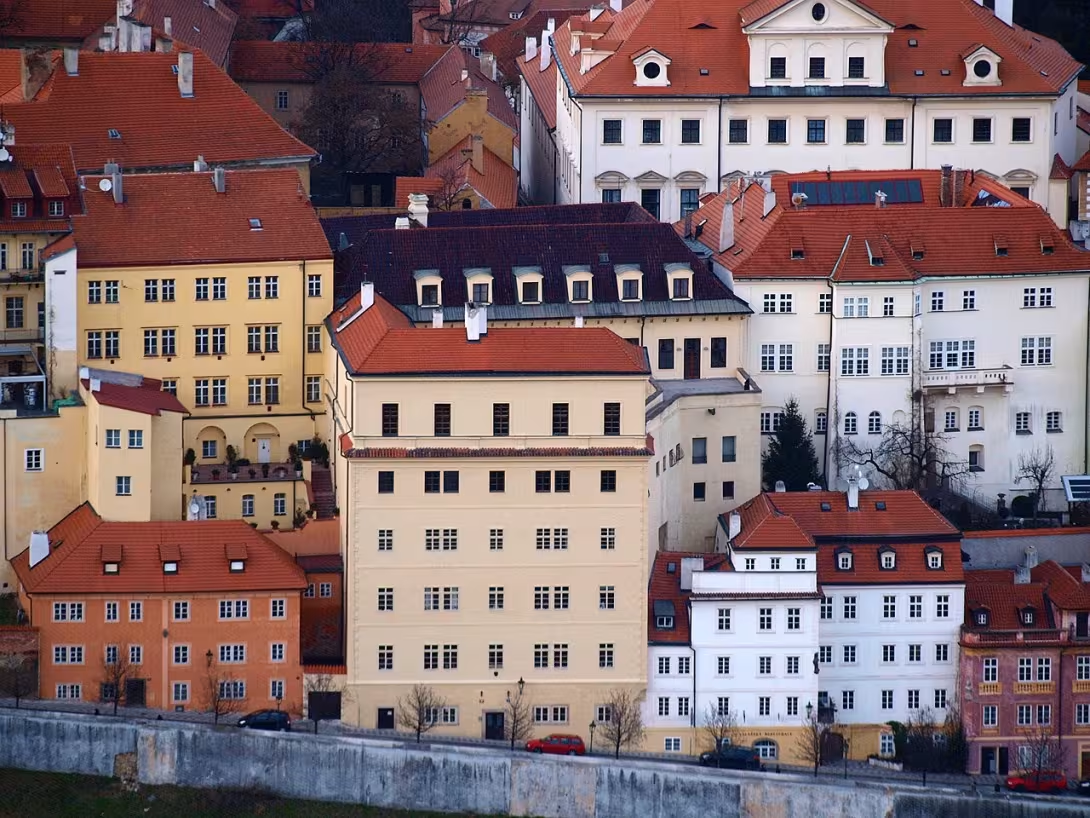

The historical appearance on the left is an AI-generated visualisation and serves as inspiration only.
Historical milestones
- 14th century
- The original Gothic house belonged to the Svatovítská kapitula.
- 1657
- Vilém Albrecht Kolovrat-Krakovský expanded the property towards Úvoz.
- 1756
- The palace became part of the Metropolitní kapitula svatého Víta's holdings.
Architectural development
The palace began as a Gothic house in the 14th century. Over time, it evolved through Renaissance and Baroque styles, with significant contributions from architects like Oldřich Desiderius Pruskovský z Pruskova who added a floor and restructured the building. The current baroque facade facing Loretánská Street was established in the 18th century.
Historical events
In the late 17th century, Zikmund Valentin hrabè Hrzàn z Harasova acquired the property and initiated significant architectural changes.
In 1918, an archaeological exploration was conducted by Ferdinand Engelmüller, leading to further historical insights.
Owners
Svatovítská kapitula (14th century)
Hensling (císařský vrátný)
Petr Parléř
Jindřich z Plavna (1510–1554)
Jindřich Mikuláš z Lobkovic († 1582)
Adam starší ze Šternberka (1588–1600)
Oldřich Desiderius Pruskovský z Pruskova (1570–1618)
Vilém Albrecht Kolovrat-Krakovský (1657–1688)
Zikmund Valentin hrabě Hrzán z Harasova (1656–1726)
Metropolitní kapitula svatého Víta (1756 onwards)
Points of interest
- The Hrzánský Palác's architectural evolution reflects the influence of its various owners, including Petr Parléř, a renowned Gothic architect known for his work on St. Vitus Cathedral.
- In 1918, Ferdinand Engelmüller conducted an archaeological exploration at the palace, uncovering artifacts and insights that deepened understanding of Prague’s medieval past.
- The palace's Baroque facade, facing Loretánská Street, features Rococo supraportas, a decorative element uncommon in many European palaces from the same period, highlighting its unique architectural blend.
- During the Renaissance period, Oldřich Desiderius Pruskovský z Pruskova added an extra floor and restructured the palace, showcasing how adaptive reuse was practiced even centuries ago to meet contemporary needs.
- The sgraffito "Vítání Rudé armády" by Adolfa Zábranského adorns the palace's walls, serving as a reminder of its role in promoting socialist realism art during Czechoslovakia’s post-war era.
Guide
This guide is narrated by a synthetic voice generated by artificial intelligence.
Show guide text
This text was created by artificial intelligence and has not been editorially reviewed. It may contain inaccuracies.
Welcome to the historic Hrzánský Palác, a remarkable architectural gem nestled in Prague's vibrant district of Hradčany. As you stand here between Hradčanské náměstí and Loretánské náměstí, take a moment to absorb the grandeur before you. The palatial façade, with its intricate details, invites you into centuries of history.
The story of this palace begins in the 14th century as a Gothic house belonging to the Svatovítská kapitula. Over time, it evolved through various architectural styles, reflecting the tastes and influences of its diverse owners. In 1657, Vilém Albrecht Kolovrat-Krakovský expanded this property towards Úvoz, marking a significant transformation in its history. By 1756, the palace became part of the Metropolitní kapitula svatého Víta's holdings, further embedding it into the fabric of Prague’s ecclesiastical and cultural life.
As you gaze upon the palác today, notice how its architecture tells a story of transformation. The blend of Gothic origins with Renaissance and Baroque influences is evident in its design elements. Although specific architects are not known, figures like Petr Parléř have left their mark here; his influence as a renowned Gothic architect can be seen, particularly given his work on St. Vitus Cathedral nearby.
The Hrzánský Palác has been touched by many notable historical personalities. Adam starší ze Šternberka and Oldřich Desiderius Pruskovský z Pruskova are among those who have shaped its legacy. Zikmund Valentin hrabě Hrzán z Harasova, too, played a significant role in the palác's storied past.
One intriguing aspect of this palace is its archaeological significance. In 1918, Ferdinand Engelmüller conducted an exploration here, uncovering artifacts that offer glimpses into its layered history. These discoveries add depth to our understanding of the site and invite us to imagine the lives once lived within these walls.
As you continue your journey through Hradčany, let the stories and architectural wonders of Hrzánský Palác inspire a deeper exploration of Prague’s rich heritage. Thank you for joining me today, and I hope this experience has enriched your appreciation of this historical masterpiece.
Tips for visitors
The best time to visit Hrzánský Palác is during the late spring or early fall when the weather is pleasant, allowing you to comfortably explore both the palác and its surroundings. These seasons offer a balance of good light for photography and fewer crowds compared to peak tourist months in summer. The area around Prague Castle often hosts cultural events during these times, enhancing your visit with local traditions and performances.
Transportation to Hrzánský Palác is convenient by both public transport and car. It's advisable to check current transportation options online before your visit for any updates or changes.
When visiting Hrzánský Palác, consider bringing comfortable walking shoes as you'll likely explore on foot. A camera is recommended to capture the stunning architecture and surrounding views, especially during golden hour when the light beautifully illuminates the Gothic elements of the palác. Don't forget a water bottle and perhaps an umbrella or raincoat, depending on the weather forecast.
For photography enthusiasts, some of the best spots include the front facade of Hrzánský Palác for its intricate details and symmetry, and the gardens near Loretánské náměstí for vibrant greenery contrasting with historical architecture. Early morning or late afternoon light provides a soft glow that enhances textures and shadows.
In addition to Hrzánský Palác itself, nearby attractions within a 30-minute walk include Prague Castle, offering breathtaking views of the city, and Loretánské náměstí with its beautiful Baroque church. These sites provide a deeper dive into Prague's rich history and architectural diversity.
Families with children will find Hrzánský Palác an engaging visit, especially when exploring the surrounding areas like Letná Park for some outdoor fun or the National Museum for interactive exhibits. Ensure to plan breaks during your visit to keep younger visitors comfortable and engaged.
Frequently asked questions
Can the monument be visited?
Some buildings of this kind are open for guided tours, others serve another purpose or are privately owned. We have not verified whether and when this monument is open – please ask the operator.
What are the opening hours and admission?
We have not verified the opening hours or admission. Current information is published by the operator.
Where is the monument?
Location: Loretánská 177/9, Hradčany, Praha, Hlavní město Praha. The map on this page shows the exact spot.
Why is the monument protected?
It is listed in the Central List of Cultural Monuments of the Czech Republic as a cultural monument (register no. 39775/1-1018).
Businesses nearby
Do you run a restaurant, accommodation, shop, museum, rental, wellness or other visitor service near this monument? Show yourself directly to the people heading to it — this is how they will see you in the app and on the web:
Events nearby

Zdroj akcí: otevřená data měst a obcí ČR (Národní katalog otevřených dat) a kalendář akcí Národního památkového ústavu.
Nearby
Hrzánský palác is located near significant landmarks such as Prague Castle and Loretánské náměstí. The area is rich in cultural heritage with numerous historical buildings.
Accommodation nearby
Trips and activities nearby
Guided tours, tickets and activities nearby from GetYourGuide
Affiliate link: if you buy from the partner, we may receive a commission. The price for you does not change.
Search tours and activities →Themed route
Thematic Walking Tour: Hrzánský Palace and Its Cultural Environs
1. Hrzánský Palace - Type: Baroque palace - Why Visit: Begin your journey at the Hrzánský Palace, a stunning example of late Baroque architecture located in Prague 1. This historic building offers insight into the opulent lifestyle of its past residents and serves as a cultural landmark with its intricate façade and elegant interiors.
2. Loretánské náměstí - Type: Square - Why Visit: A short walk from Hrzánský Palace, Loretánské náměstí is an enchanting square known for its beautiful Baroque fountain and the Church of Our Lady Victorious. The area exudes a serene atmosphere, making it perfect for appreciating the blend of art and history that characterizes Prague's Old Town.
3. Church of Our Lady Victorious (Kostel Panny Marie Vítězné) - Type: Baroque church - Why Visit: Located within Loretánské náměstí, this church is a masterpiece of Baroque architecture in Prague. Its stunning interior and the famous statue of Our Lady Victorious make it a must-see for those interested in religious art and history.
4. Prague Castle - Type: Historic castle complex - Why Visit: A short walk from Loretánské náměstí, Prague Castle is one of the largest castle complexes in Europe and offers panoramic views of the city. While not within the immediate vicinity of Hrzánský Palace, its proximity makes it a logical extension to explore the rich tapestry of history that defines this area.
5. Jesuit Church (Kostel Ježíšova) - Type: Baroque church - Why Visit: Adjacent to Prague Castle, the Jesuit Church is renowned for its opulent interiors and impressive frescoes by Karel Škréta. It provides a deeper understanding of the religious and cultural influences that have shaped this historic district.
This tour offers a comprehensive exploration of Hrzánský Palace's immediate surroundings, highlighting the area’s architectural beauty and historical significance.
Seasonal recommendations
Spring: Visiting Hrzánský Palace during spring offers a delightful experience as the surrounding gardens burst into life with blooming flowers and lush greenery, creating a vibrant atmosphere that complements the historic architecture. The gentle warmth of the season makes it perfect for leisurely strolls through the palace grounds. Visitors should wear layers to accommodate fluctuating temperatures and plan their visit during weekdays or early mornings to avoid crowds as spring is a popular time for tourists.
Summer: Summer at Hrzánský Palace provides an opportunity to enjoy the site under clear blue skies, with the lush gardens offering a refreshing escape from the city's hustle. The long daylight hours allow visitors to explore both the palace and its surroundings thoroughly. Due to high tourist traffic during this peak season, it is advisable to arrive early in the morning to avoid crowds and ensure a more relaxed visit. Light clothing and sun protection are essential to stay comfortable.
Autumn: Autumn brings a magical transformation to Hrzánský Palace with warm hues of red, orange, and yellow adorning the landscape, offering picturesque views that enhance the historical charm of the site. The cooler temperatures make it an ideal time for walking tours without the summer heat. Visitors should dress warmly in layers as the weather can be unpredictable. This season tends to have fewer tourists, providing a quieter experience.
Winter: Winter at Hrzánský Palace offers a serene and enchanting atmosphere with snow-covered gardens adding a touch of fairy-tale beauty to the historic site. The shorter days mean that visitors should plan their visit during daylight hours, as opening times may be reduced in winter. Warm clothing is essential to stay comfortable during this chilly season, and it's advisable to check for any special events or holiday-themed decorations that might enhance the experience.
Visualizations and artistic views


The visualisations are generated by artificial intelligence and serve as inspiration.
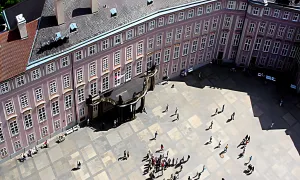
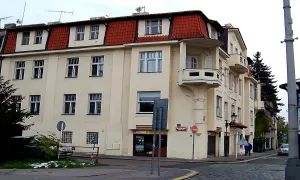
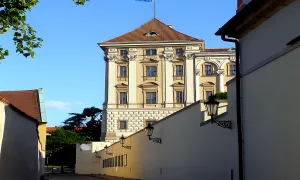
Photos from the area
Real photos taken near the monument

Zdroj a licence jsou uvedeny u každého snímku.
Atmosphere of the place
This atmospheric visualisation of the place and period was generated by artificial intelligence. It is not real footage of the location.
Tips from visitors
No tips yet. Be the first!
Log in and add your tip.
Sources and literature
Photos: VitVit / CC BY-SA 3.0, rozlišení zvýšeno umělou inteligencí — Wikimedia Commons. The author and licence also appear when you hover over the image.
Faktickým podkladem tohoto textu byl článek na Wikipedii, jehož autory jsou přispěvatelé Wikipedie. Článek je dostupný pod licencí CC BY-SA 4.0.
Location on the map

Příběhy a pověsti
Legendy, pověsti a příběhy spjaté s touto památkou
Fotografie návštěvníků
Zatím žádné fotografie. Buďte první, kdo přidá fotografii z návštěvy!
Log in a přidejte svou fotografii nebo hodnoťte.
Za ověřenou návštěvu v aplikaci získáte víc bodů — poznáme podle GPS, že jste na místě.
Reviews and comments