



Husitská č.p. 191/47 House
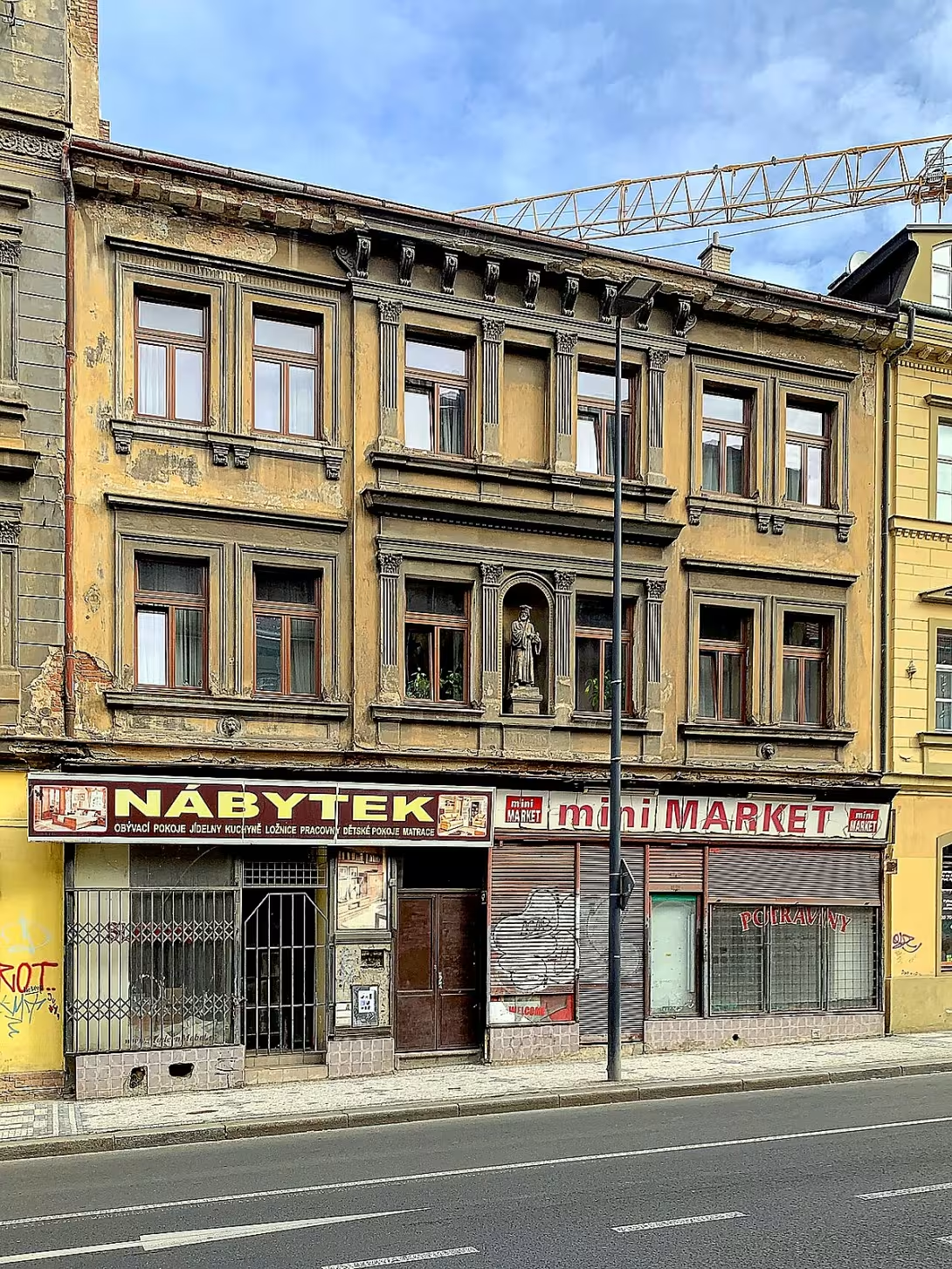
The House of Jan Husi from Husinka in Žižkov, standing in Hussite Street under the number of descriptive 191 / 47, is one of the first Neo-Renaissance tenement houses in this Prague suburb. It was built in 1869 and its importance lies mainly in the fact that it bears the name of Jan Husa and on his facade is a statue of the master of Husinka by Franz Joseph Heidelberg. This statue is considered the first statue of Hus in Bohemia.
The house was built by Karel Hartig, later the first mayor of Žižkov and an important Czech patriot. Hartig had the building built for his mother-in-law Maria Stome, serving both as an apartment and as a commercial purpose. Zizkov was going through a rapid development associated with the industrialization and urbanization of Prague at the time. The Neo-Renaissance style, which was applied in this house, was typical of the Czech architecture of the second half of the nineteenth century and reflected efforts to restore national identity.
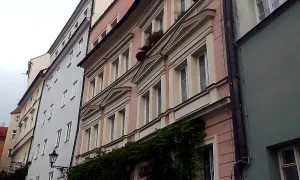
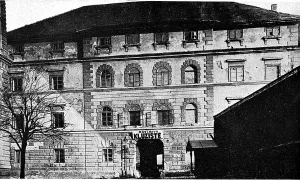
It is an architectural house with a six-story facade, divided symmetrically. In the central axis of the facade there is a niche with Jan Hus statue on the pedestal. The entrance door is located in the third axis from the left, and a half-circle staircase is connected to the entrance corridor. The house has a basement, the ground floor is preserved by rolled vaults, and originally the toilets were placed on the balcony. In 1890 a storey extension was added, which extended the original available house.
The property and utility fate of the house is linked to several important personalities. After the original builder the house became the place of operation of the pharmacy U Koruna, which was founded by Alois Valenta. In the yard of the house he set up a bath bath which later Zdeněk Frič converted into workshops with Art Nouveau parterre. Further adjustments took place in the 1990s and early twentieth century.
Among the key events are the location of the first Hus statue in Žižkov. Statue by Franz Joseph Heidelberg is not only an artistic work but also a symbolic expression of patriotic and Hussite ideals. Another interesting thing is the original location of the toilets on the bunk, which was unusual at the time. The house is not a cultural monument, but it is located in the Vinohrad, Žižkov and Vršovice area.
Today, the house is part of private property and is not open to the public. Nevertheless, it is worth paying particular attention from a historical point of view. The facade and statue of Jan Hus are a testament to the development of Zizkov and Czech national culture in the nineteenth century. The surrounding area of the house offers other examples of historical architecture and monuments. The house recalls how Žižkov evolved from the suburbs in the modern urban district, and how the commercial and cultural interests of the then society intertwined.
Then and now
Drag the slider to compare how the landmark may have looked when it was built with the view today.
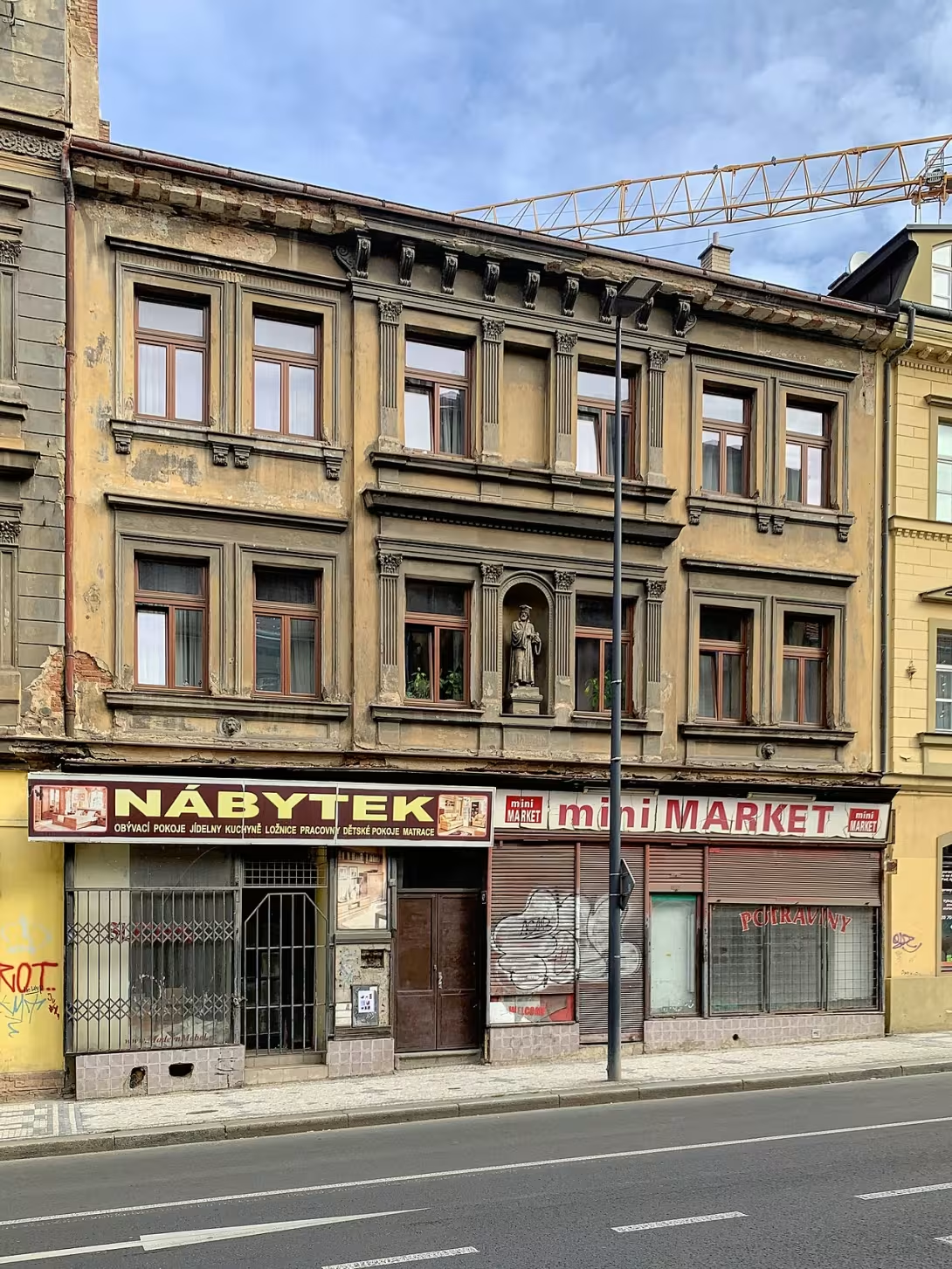

The historical appearance on the left is an AI-generated visualisation and serves as inspiration only.
Historical milestones
- 1869
- Built the original part of the house in a neo-Renaissance style for the mother-in-law Karl Hartig, one of the first houses in Žižkov
- 1890
- A storey extension has been added
- 1900
- Establishment of bath baths in the yard, operated by pharmacist Alois Valentou
- 1910
- Rebuilding the spa into workshops with Art Nouveau parterre
Architectural development
In 1869 the original two-storey house was built in a neo-Renaissance style. In 1890, a storey extension was added. In 1900, a bathtub spa operation was set up in the yard, which in 1910 converted Zdeněk Frič into a workshop with Art Nouveau parterre. In 1997 and 2005 there were further modifications.
Owners
Private property (specific owners are not listed, the house is not a cultural monument, but falls under the area of monument protection)
Points of interest
- The house is one of the first Neo-Renaissance tenement houses in Žižkov, built in 1869.
- The first statue of Jan Hus in Bohemia, created by Franz Joseph Heidelberg, is located on the front of the house.
- The house was originally used as an apartment for business purposes, built for the mother-in-law Karl Hartig, later the first mayor of Žižkov.
- In the house, the toilets were originally placed on the bunk, which was unusual at the time.
- In 1890 a storey extension was added, which extended the original available house.
Guide
Show guide text
This text was created by artificial intelligence and has not been editorially reviewed. It may contain inaccuracies.
Welcome to this historic house, which stands as a witness to change and life on Zizkov! You are standing in front of one of the first Neo-Renaissance tenement houses on this Prague district, built in 1869. In front of you is a brick facade with a typical breakdown, which immediately tells you about the time when the house was built. Notice how his face differs from the surrounding buildings - the architecture here is like a time capsule that will take you back to the past.
This house was built for the mother-in-law of Karl Hartig, one of the first builders in Žižkov. Hartig was not only an architect but also the owner of this house, who originally served as an apartment for his family. The facade with its six-axis fragmentation and the statue in the niche in the middle axis is typical of the neo-Renaissance style, which was very popular at the time. The statue you see is the first statue of Jan Hus in Bohemia - created by sculptor František Josef Heidelberg. Its location above the entrance gives the house a special character and reminds us of the important personality of Czech history.
Let's move a little closer to the details. Look at the facade of the house - its breakdown and symmetry are typical of neo-Renaissance architecture. Note how windows are arranged and how the facade develops to height. Some elements of the original layout, such as rolled vaults, have been preserved in the interior, which provide a special atmosphere for places. These details are proof of how carefully the house was originally designed and built.
Now pay attention to what happened in this house after its construction. At the beginning of the twentieth century, there was a bath bath that was run by the pharmacist Alois Valenta. These baths were later converted into Art Nouveau parterre workshops, indicating the variability in the use of this space. The house thus carried a trail of different functions - from housing to business.
One of the most interesting personalities connected to this house was Zdeněk Frič, who probably stayed here. His presence gives the place another layer of history and reminds us that people who influenced Czech culture and society lived and formed here.
The interesting thing is that this house is one of the first Neo-Renaissance tenement houses in Žižkov. Its existence shows how this part of Prague developed and how the first larger and more representative buildings began to be built here. The statue of Jan Hus over the entrance is also a unique element that gives the house a distinctive character and reminds us of the importance of this historical character.
So there is a place in front of you that has a trail of life stories and functions. It is a house that tells about changes that have taken place in Prague for centuries. If you like how this house connects the past to today, you can go on another tour of Zizkov. This neighborhood is full of similar historical pearls that can bring you closer to its rich history. Thank you for taking the time to visit this place today - let its atmosphere bring you inspiration and joy.
Tips for visitors
The best time to visit this Hussite house is in the summer months when the weather is pleasant and the facade of the house radiates sunlight, which highlights details such as the statue of Jan Hus in the niche. In the morning or in the afternoon, when there are not too many tourists, it is ideal for a peaceful tour and taking photos without disturbing shadows. In winter, the visit is interesting for studying the historical appearance of the house in a different light, but watch out for frozen pavement in the surroundings.
The sunlight reveals the details of the facade and sculpture, in the morning and afternoon there are fewer crowds, the winter atmosphere adds historical context.
It is recommended to use public transport such as trams or buses that travel on Zizkov.
When visiting, wear comfortable shoes, because the pavements in the area can be uneven. I also recommend a small laptop or mobile with a map so that you can easily find other interesting places around. If you are planning to photograph, take a lens with a smaller focus, which allows you to capture the overall appearance of the house and the facade details. Don't forget the sun cream if you visit the place in the summer months.
Comfort and equipment will facilitate inspection and photography, sun protection is important during the summer.
Photography is best taken in bright daylight, when the facade of the house shows lively colors and the statue of Jan Husa is well lit. The best places for images are in front of the house where you can see the overall architecture, and also from the angle that captures the statue in the niche. Avoid shooting in the direct sun because it can cause strong shadows and bulkhead details. If you want to capture interiors, please inform yourself in advance of the rules for shooting inside.
Bright light and the right angle improve the quality of photos, direct sun can damage details.
There are several interesting places within a 30-minute radius of this house. You can visit the Zizkov cemetery, which is about a kilometre away, and offers a quiet atmosphere with historic tombstones. Vinohrady cemetery, about two kilometers away, is famous for its distinguished personalities and beautiful garden. The Vinohradská garden, located about 1.5 km from the house, is ideal for relaxing and walking in nature. The historical centre of Prague, about five kilometres away, is of course another interesting destination with a rich history and architecture.
These places are suitable for extending the visit and deepening the knowledge of history and nature.
The visit to this house is interesting for families with children thanks to its historical importance and the opportunity to become acquainted with the times of Hussite wars. Children can be intrigued by the statue of Jan Hus and the story related to it. It is possible to visit the Zizkov cemetery in the surroundings where children can walk and observe various tombstones. The Vinohradská Garden offers space for short walks and rest. It can be interesting for children of older age to visit the historical centre of Prague, where there are many museums and interactive exhibitions.
History and nature in the surroundings attract children to discover and learn the game.
Frequently asked questions
Can the monument be visited?
This is a residential or farm building, not a museum with opening hours. Please view it from public space and respect the owners' privacy. We have no information about access to the interior.
Where is the monument?
Location: Praha, Hlavní město Praha. The map on this page shows the exact spot.
Why is the monument protected?
It is listed in the Central List of Cultural Monuments of the Czech Republic as a cultural monument (register no. 1000120940).
Businesses nearby
Do you run a restaurant, accommodation, shop, museum, rental, wellness or other visitor service near this monument? Show yourself directly to the people heading to it — this is how they will see you in the app and on the web:
Events nearby

Zdroj akcí: otevřená data měst a obcí ČR (Národní katalog otevřených dat) a kalendář akcí Národního památkového ústavu.
Nearby
V okruhu několika kilometrů se nachází Žižkovský hřbitov (asi 1 km), Vinohradský hřbitov (asi 2 km), Vinohradská zahrada (asi 1,5 km) a historické centrum Prahy (asi 5 km).
Accommodation nearby
Trips and activities nearby
Guided tours, tickets and activities nearby from GetYourGuide
Affiliate link: if you buy from the partner, we may receive a commission. The price for you does not change.
Search tours and activities →Themed route
Thematic cruise route: Around the Hussite House in Prague
1. Hussite House No. 191 / 47 This historical object is an important monument to Czech history, where Jan Hus lived and worked. It is a typical example of medieval architecture with Gothic elements and important for understanding the Hussite movement. The visit here allows you to know the environment of important personalities and their influence on Czech culture.
2. Žižkov cemetery There is a Zizkov cemetery nearby, where Jan Zizka is buried. This historical cemetery is full of monuments, including monuments and sculptures that remind you of prominent figures from the past. It's interesting to explore his ancient architecture and memories of the Hussite warriors.
3. Vinohrady Garden The Vinohradská Garden is nearby, which is a beautiful example of historical gardens in Prague. Here you can see old trees that have grown already in Hussite times, and relax in a quiet environment. It is an ideal place to relax after visiting historical monuments.
4. Vinohrady cemetery On the edge of the circuit is the Vinohradská cemetery, which is famous for its beautiful tombstones and monuments. This cemetery is important for understanding the cultural heritage of Prague and offers the opportunity to explore interesting historical monuments.
5. Historical Centre of Prague Finally, within a five-kilometer radius of the house is the historical centre of Prague, where you can visit famous monuments such as Old Town Square or Kampa. Here you can explore medieval buildings and learn more about the history of Prague, which is associated with the Hussite movement.
Seasonal recommendations
Spring At this time, life in nature manifests itself - blooming trees, green meadows and warm sun create a pleasant atmosphere. The monument is suitable for walks when it is advisable to wear light clothes with long sleeves to protect itself from cold wind weather. The best time to visit is in the morning when there are fewer people and it is pleasantly cold.
Summer In the main summer season there is warm, sunny weather, but also abundance of visitors. It is recommended to come before noon to avoid crowds. Suitable clothing includes light clothes, hat and sunglasses. Also suitable for wearing sunscreen and suitable shoes for walking.
Autumn At this time nature will dress up in golden and red colors, creating a magical atmosphere. It is advisable to dress warmer for a visit because it is cold and windy. The best time to visit is in the late afternoon when there are fewer people and is pleasantly warm.
Winter In Advent Time, the atmosphere is quiet and Christmas, with lights on and Christmas spirit. In winter it is advisable to dress in warm and dense suits because it is often cold and wet. The monument is opened for a shorter time, so it is good to know about the current conditions.
Visualizations and artistic views


The visualisations are generated by artificial intelligence and serve as inspiration.
Photos from the area
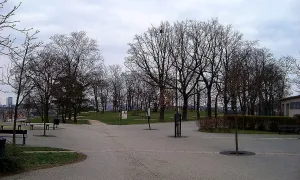
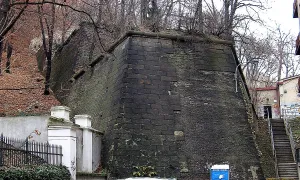
Real photos taken near the monument


Zdroj a licence jsou uvedeny u každého snímku.
Tips from visitors
No tips yet. Be the first!
Log in and add your tip.
Sources and literature
Photos: Xyzabec / CC BY-SA 4.0 — Wikimedia Commons. The author and licence also appear when you hover over the image.
Faktickým podkladem tohoto textu byl článek na Wikipedii, jehož autory jsou přispěvatelé Wikipedie. Článek je dostupný pod licencí CC BY-SA 4.0.
Location on the map
Příběhy a pověsti
Legendy, pověsti a příběhy spjaté s touto památkou
Fotografie návštěvníků
Zatím žádné fotografie. Buďte první, kdo přidá fotografii z návštěvy!
Log in a přidejte svou fotografii nebo hodnoťte.
Za ověřenou návštěvu v aplikaci získáte víc bodů — poznáme podle GPS, že jste na místě.
Reviews and comments