






Jince Chateau
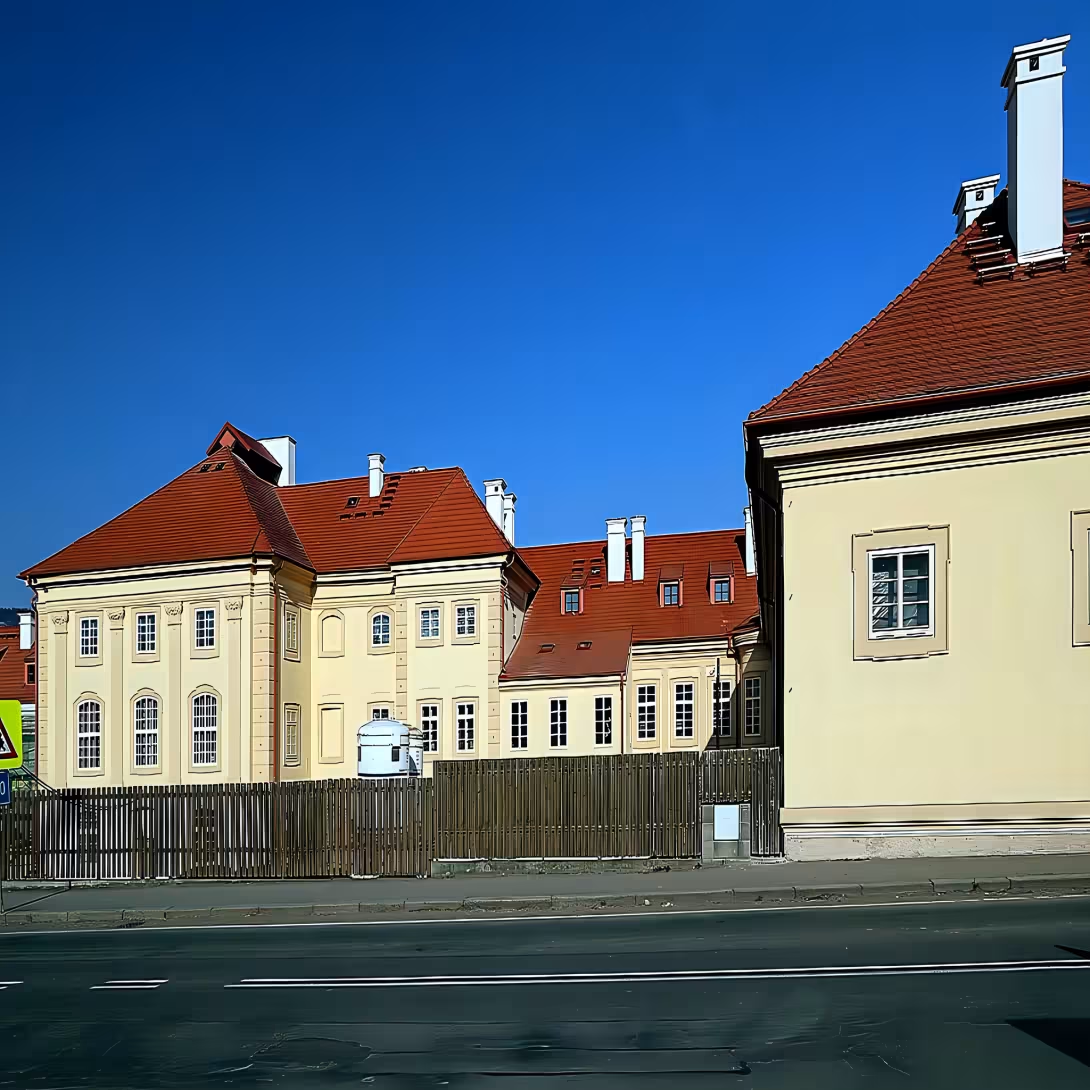
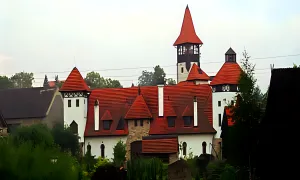
Jince Chateau is located in the town of Jince within Středočeský kraj. It stands as a testament to architectural evolution and historical significance. Originally built as a fortress in the 14th century, it transformed into a Renaissance and Baroque chateau over time before being repurposed as a brewery in the 19th century. Today, this site is recognized as a protected cultural monument, reflecting its rich heritage and enduring legacy.
The origins of Jince Chateau trace back to the medieval period when it was established as a fortress. Historical records indicate that Bořita Bořitovic z Jinec resided there in 1352. Ownership passed through various hands over time, including Eliška, widow of Jan z Jinec, and Zdeněk z Běškovic during the late 14th century. The chateau's architectural journey began with its transformation into a Renaissance structure by the Vratislav family from Mitrovic in the mid-17th century. This period marked significant changes as the fortress was converted into a more elaborate residence, reflecting the evolving tastes and needs of its owners.
Architecturally, Jince Chateau showcases elements typical of both Renaissance and Baroque styles. Initially built as a medieval fortress, it underwent substantial modifications between 1654 and 1706 to adopt early Baroque aesthetics. Further renovations in the late 17th and early 18th centuries enhanced its grandeur, with significant additions made to the southern wing between 1766 and 1771. The chateau's design includes vaulted ceilings, remnants of which were preserved at the Příbram museum after a fire in 1964. In the 18th century, sculptures and vases commissioned by Matyáš Schönherr adorned the chateau park, adding to its artistic allure.
Ownership of Jince Chateau has seen dramatic shifts over the centuries. The Vratislav family from Mitrovic played a pivotal role in its transformation during their tenure from 1648 to 1806. Their influence is evident in the architectural enhancements that transitioned the fortress into a Renaissance and Baroque chateau. Following financial difficulties, the estate was sold, marking the end of an era for the Vratislav family's stewardship.
Throughout its history, Jince Chateau has witnessed various events that underscore its significance. Initially serving as a medieval stronghold, it evolved to meet the needs of its aristocratic owners. The transformation into a brewery in the 19th century marked another chapter in its storied past, reflecting broader economic and social changes. Despite these shifts, the chateau remains an emblem of historical continuity and adaptation.
Today, Jince Chateau stands as a monument to its multifaceted history. Although currently unused, it offers visitors a glimpse into the architectural and cultural transformations that have shaped the region over centuries. Its status as a protected cultural monument underscores its importance, making it a worthwhile destination for those interested in exploring the rich tapestry of Czech heritage.
Jince Chateau invites exploration and reflection on its storied past. Visitors can appreciate its architectural beauty and historical significance, gaining insight into the lives and times that have shaped this remarkable site. As a testament to resilience and transformation, Jince Chateau remains an enduring symbol of cultural legacy in the heart of Central Bohemia.
Then and now
Drag the slider to compare how the landmark may have looked when it was built with the view today.
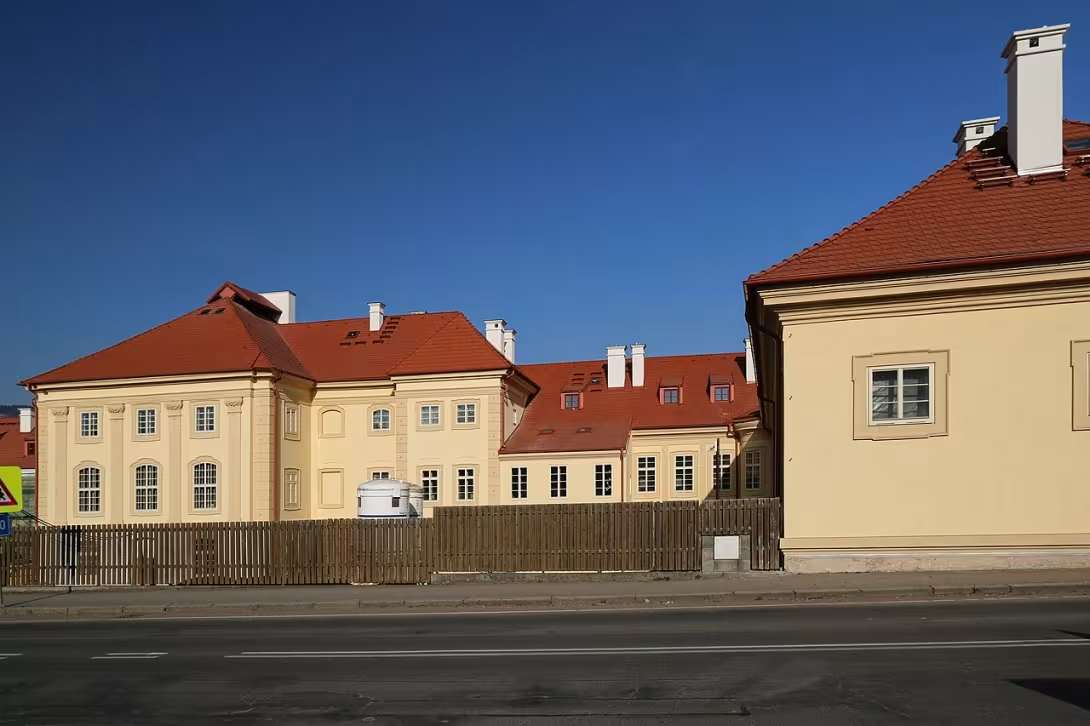

The historical appearance on the left is an AI-generated visualisation and serves as inspiration only.
Historical milestones
- 1352
- Bořita Bořitovic z Jinec resided at the fortress.
- 1401
- King Václav IV. mortgaged Jince to Milot z Podole.
- 1648
- Jince was acquired by Václav Vratislav z Mitrovic.
Architectural development
Jince Chateau began as a medieval fortress, later transformed into a Renaissance structure by the Vratislav family. In the late 17th to early 18th centuries, it underwent further modifications to adopt Baroque style elements. The chateau's architectural evolution includes significant additions and renovations over several centuries.
Historical events
The chateau was originally a fortress in the 14th century.
Converted into a Renaissance and Baroque chateau by the Vratislav family from Mitrovic.
Transformed into a brewery in the 19th century.
Owners
Bořita Bořitovic z Jinec (1352)
Eliška, vdova po Janovi z Jinec (1362)
Jan z Jinec (1380)
Zdeněk z Běškovic (late 14th century)
Václav IV. (1401-1419)
Milot z Podole (1406)
Jan ze Ctěnic and Barboře (early 15th century)
Pešíkové z Komárova (16th century)
Ctibor Malovec z Chýnova (1602-1614)
Jiří Malovec z Chýnova (1623)
Václav Vratislav z Mitrovic (1648-1806)
Points of interest
- In 1964, a fire destroyed much of Jince Chateau's interior, but the vaulted ceilings were salvaged and preserved at the Příbram museum, providing valuable insights into its architectural history.
- The chateau park was once adorned with sculptures and vases commissioned by Matyáš Schönherr in the 18th century, adding a unique artistic dimension to the estate's landscape that reflected the cultural tastes of the era.
- Despite its transformation from a fortress to a brewery, Jince Chateau maintained elements of both Renaissance and Baroque architecture, showcasing an unusual blend of styles uncommon for many other historical buildings in the region.
- Zdeněk z Běškovic, who owned the chateau during the late 14th century, was part of its early history before it underwent significant architectural changes centuries later under the Vratislav family's influence.
- The transition from a medieval stronghold to a brewery in the 19th century marked Jince Chateau as one of the few historical sites that adapted to industrial uses while still preserving its cultural heritage.
Guide
This guide is narrated by a synthetic voice generated by artificial intelligence.
Show guide text
This text was created by artificial intelligence and has not been editorially reviewed. It may contain inaccuracies.
Welcome to the historic Jince Chateau, nestled in the charming town of Jince within Středočeský kraj. As you stand before this remarkable site, imagine stepping back into a time when fortresses dotted the landscape and noble families shaped history with their decisions. Today, the chateau stands not only as a testament to its storied past but also as a vibrant brewery, inviting visitors to explore both its rich heritage and unique present.
The origins of Jince Chateau trace back to the 14th century when it was initially constructed as a fortress by Bořita Bořitovic z Jinec. Over time, this stronghold evolved significantly under the stewardship of various noble families. In 1401, King Václav IV mortgaged Jince to Milot z Podole, marking an early shift in its ownership and influence. By 1648, it had come into the possession of Václav Vratislav z Mitrovic, a pivotal figure who would later transform the fortress into a Renaissance and then Baroque chateau.
As you wander around Jince Chateau, take a moment to appreciate its architectural journey. While specific architects remain unknown, the layers of history are evident in the structure's evolution from a medieval fortress to a grand residence reflecting Renaissance and Baroque influences. The vaulted ceilings within the chateau, which were salvaged after a devastating fire in 1964, offer a glimpse into this rich architectural tapestry. These ceilings now reside at the Příbram museum, providing invaluable insights into the chateau's storied past.
Throughout its history, Jince Chateau has been home to numerous notable figures. Bořita Bořitovic z Jinec, who first resided here, laid the foundation for a lineage of influential residents. Eliška, the widow of Jan z Jinec, and Zdeněk z Běškovic are among those whose lives intertwined with this historic site. Olbram III. ze Škvorce, Václav IV., and Milot z Podole also played significant roles in shaping its destiny.
One intriguing aspect of Jince Chateau is the 1964 fire that ravaged much of its interior. While it was a tragic event, it led to the preservation of the chateau's vaulted ceilings at the Příbram museum. This not only saved an architectural treasure but also provided a unique opportunity to study and appreciate the craftsmanship of the past.
As you continue your exploration, imagine walking through the chateau park once adorned with sculptures and vases commissioned by Matyáš Schönherr in the 19th century. Though many of these elements have long since vanished, their legacy endures in the stories and history they left behind.
We invite you to delve deeper into this fascinating site, where every corner holds a story waiting to be discovered. Whether you're drawn by its architectural marvels or intrigued by its historical narratives, Jince Chateau offers a captivating journey through time. Thank you for joining us on this exploration, and we hope your visit inspires further curiosity about the rich tapestry of history surrounding this remarkable chateau.
Tips for visitors
The best time to visit Jince Chateau is during late spring or early autumn when the weather is pleasant, allowing you to enjoy both the chateau grounds and the surrounding natural beauty without the crowds of peak tourist season. The mild temperatures are ideal for exploring the brewery tours and walking through nearby forests that were historically used for hunting.
Public transportation options include buses from nearby towns; however, specific routes can vary, so checking a local travel planner online before your visit is recommended. The chateau is accessible by car as well.
When visiting Jince Chateau, consider bringing comfortable walking shoes for exploring the grounds and forests around the area. A camera or smartphone with a good camera will be useful to capture the scenic views, especially in natural light during early morning or late afternoon when shadows add depth to photographs. Don't forget water and snacks if you plan on spending several hours at the site.
For photography enthusiasts, some of the best spots include the chateau's exterior where the architecture is most striking against the backdrop of the surrounding landscape. The golden hour—shortly after sunrise or before sunset—provides soft lighting that enhances the textures of the stone and foliage. Additionally, the nearby forests offer unique opportunities for capturing wildlife and nature shots.
In terms of what to see within a 30-minute drive from Jince Chateau, visitors can explore several charming villages in the region, each with its own historical sites and local breweries. These areas provide an opportunity to experience traditional Czech culture and cuisine. Families with children will appreciate these nearby attractions as they offer a variety of activities suitable for all ages.
Frequently asked questions
Can the monument be visited?
Some buildings of this kind are open for guided tours, others serve another purpose or are privately owned. We have not verified whether and when this monument is open – please ask the operator.
What are the opening hours and admission?
We have not verified the opening hours or admission. Current information is published by the operator.
Where is the monument?
Location: Slavíkova 1/1, Jince, Středočeský kraj. The map on this page shows the exact spot.
Why is the monument protected?
It is listed in the Central List of Cultural Monuments of the Czech Republic as a cultural monument (register no. 45299/2-2923).
Businesses nearby
Do you run a restaurant, accommodation, shop, museum, rental, wellness or other visitor service near this monument? Show yourself directly to the people heading to it — this is how they will see you in the app and on the web:
Events nearby
Zdroj akcí: otevřená data měst a obcí ČR (Národní katalog otevřených dat) a kalendář akcí Národního památkového ústavu.
Nearby
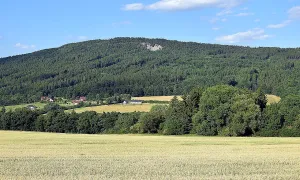
The surrounding landscape of Jince Chateau includes forests used historically for hunting. The area is rich in natural beauty with several villages nearby, contributing to its historical significance.
Accommodation nearby
Themed route
Thematic Tour Itinerary: The Enchanting Surroundings of Jince Chateau
1. Jince Chateau (Chateau) Begin your journey at the majestic Jince Chateau, a historical gem nestled in the heart of Středočeský kraj. This chateau, with its rich history and architectural beauty, offers visitors a glimpse into the past through its well-preserved structures and captivating stories. Explore the grand halls and picturesque gardens that have been meticulously maintained to reflect their former glory.
2. Surrounding Forests (Natural Area) Venture into the lush forests surrounding Jince Chateau, historically utilized for hunting by nobility. These woodlands offer a serene escape, inviting visitors to immerse themselves in nature's tranquility. The dense canopy and diverse flora provide an ideal setting for leisurely walks or picnics, allowing you to appreciate the area's natural beauty and historical significance.
3. Nearby Villages (Cultural Sites) Explore the charming villages that dot the landscape around Jince Chateau. These quaint settlements are steeped in history and culture, offering a glimpse into traditional Czech life. Visit local artisans or enjoy regional cuisine at village eateries to experience authentic hospitality. The proximity of these villages adds depth to your understanding of the region's historical context.
4. Castle Gardens (Park) Conclude your tour with a visit to the enchanting gardens of Jince Chateau. These meticulously designed landscapes showcase a variety of plant species and offer picturesque views that change with each season. The gardens are perfect for relaxation, photography, or simply enjoying a peaceful moment amidst nature's splendor.
This itinerary offers a comprehensive exploration of Jince Chateau and its immediate surroundings, providing insights into the region's historical and natural allure.
Seasonal recommendations
Spring: As spring breathes new life into the landscape surrounding Zámek Jince, visitors are greeted by a tapestry of blooming flowers and lush greenery that frame the chateau in vibrant hues. The soft light of longer days casts gentle shadows across the grounds, enhancing the serene atmosphere ideal for leisurely exploration. During this time, the chateau is often less crowded than in summer, making it an excellent opportunity to enjoy its beauty without the hustle and bustle. Visitors should consider wearing comfortable shoes suitable for walking on potentially damp grass and bring a light jacket as temperatures can still be cool.
Summer: Summer at Zámek Jince offers warm days filled with sunshine that illuminate the chateau's historical architecture, creating a picturesque setting perfect for photography enthusiasts. The grounds are alive with activity, hosting various cultural events that draw larger crowds, especially during peak tourist season in July and August. To fully enjoy your visit, it is advisable to arrive early in the morning or later in the afternoon to avoid the midday heat and crowds. Comfortable walking shoes, a hat, sunglasses, and sunscreen are essential for navigating the chateau grounds comfortably.
Autumn: The autumn months transform Zámek Jince into a breathtaking spectacle of fiery reds, oranges, and yellows as deciduous trees shed their leaves in preparation for winter. This seasonal shift creates a warm, inviting atmosphere that is both magical and reflective, offering a unique perspective on the chateau's historical charm. While the cooler temperatures make it an ideal time to explore without the summer heat, visitors should be prepared with layers of clothing to adapt to fluctuating weather conditions throughout the day.
Winter: Winter cloaks Zámek Jince in a serene blanket of snow, transforming its grounds into a quiet, almost ethereal landscape. The chateau's architecture is particularly striking against the stark white backdrop, and while some areas may be less accessible due to snow coverage, there is a unique charm to exploring the quieter corners during this season. Visitors should dress warmly with layers that can handle cold temperatures and potential wind chill.
Visualizations and artistic views


The visualisations are generated by artificial intelligence and serve as inspiration.
Photos from the area
Real photos taken near the monument


Zdroj a licence jsou uvedeny u každého snímku.
Tips from visitors
No tips yet. Be the first!
Log in and add your tip.
Sources and literature
Photos: IrenaKol / CC BY 4.0, rozlišení zvýšeno umělou inteligencí — Wikimedia Commons. The author and licence also appear when you hover over the image.
Faktickým podkladem tohoto textu byl článek na Wikipedii, jehož autory jsou přispěvatelé Wikipedie. Článek je dostupný pod licencí CC BY-SA 4.0.
Location on the map
Příběhy a pověsti
Legendy, pověsti a příběhy spjaté s touto památkou

Fotografie návštěvníků
Zatím žádné fotografie. Buďte první, kdo přidá fotografii z návštěvy!
Log in a přidejte svou fotografii nebo hodnoťte.
Za ověřenou návštěvu v aplikaci získáte víc bodů — poznáme podle GPS, že jste na místě.
Reviews and comments