






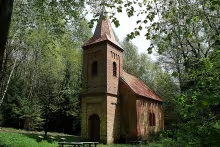
The Chapel of Our Lady of Sorrows in Soběslav is a baroque chapel located in the Svákova forest, about one kilometer west of the town. Initially built as a wooden structure by General Jan Theodor Rouvroy in 1763, it stands today as a testament to personal gratitude and historical events from the mid-18th century. This site is notable for its religious significance, architectural evolution, and surrounding natural beauty.
The chapel's origins trace back to April 1763 when General Jan Theodor Rouvroy, a distinguished military figure in Austrian service, arrived in Soběslav. After his wife suffered from long-term fever that conventional treatments could not alleviate, she miraculously recovered upon drinking water from a nearby spring and breathing fresh forest air. In gratitude for this recovery, which also led to her conversion from Lutheranism to Catholicism, Rouvroy commissioned the construction of a wooden chapel near the healing spring.
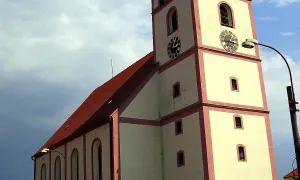
Architecturally, the original wooden chapel underwent significant transformation over the years. By 1865, a new stone structure replaced the initial building, with its foundation stone laid on July 9th and consecration following in 1867 by Soběslav's dean Martin Novák. The chapel was further enhanced in 1900 with the addition of a bell tower designed by František Roubal. In 1939, it received a new altar crafted by Břetislav Kafka from Červený Kostelec, incorporating an original image of Our Lady of Sorrows. The chapel's last major renovation occurred in 1999 when its roof was replaced.
Throughout its history, the Chapel of Our Lady of Sorrows has been surrounded by intriguing stories and developments. In 2014, a lookout tower standing at 13.5 meters tall was erected nearby to enhance visitors' experience. Additionally, in 2017, a Stations of the Cross path featuring 14 relief stations carved into stone blocks by sculptor Martin Mikula was established, beginning near a cross above a campsite and concluding at the chapel.
The site is enriched with historical context from its time within the Habsburg Monarchy during the mid-18th century. This period saw significant military and political changes in Bohemia due to conflicts like the War of Austrian Succession. The baroque style of the chapel reflects broader European artistic trends of that era, adding cultural depth to its religious significance.
Today, the Chapel of Our Lady of Sorrows remains a place of spiritual reflection and historical interest. Visitors can explore not only the chapel itself but also the surrounding Svákova forest and an ancient spring known for its healing properties since the 7th century. The area's remnants of fortifications add another layer to its historical allure.
The Chapel of Our Lady of Sorrows is a remarkable site that offers insight into personal devotion, architectural evolution, and regional history. Its serene setting in the Svákova forest invites visitors to appreciate both its spiritual significance and natural beauty. Whether drawn by its rich history or seeking a peaceful retreat, this chapel promises an enriching experience.
Historical milestones
- 1763
- General Jan Theodor Rouvroy commissioned a wooden chapel.
- 1865
- Foundation stone for the new stone structure laid on July 9th.
- 1867
- Consecration of the new stone chapel by dean Martin Novák.
- 1900
- Addition of a bell tower designed by František Roubal.
- 1939
- Installation of a new altar crafted by Břetislav Kafka.
- 1999
- Major renovation with roof replacement.
Architectural development
The Chapel of Our Lady of Sorrows underwent significant architectural development from its initial construction as a simple wooden chapel in 1763 to a more elaborate stone structure completed by 1867. The new chapel featured a bell tower added in 1900 and an altar installed in 1939, with the last major renovation occurring in 1999 when the roof was replaced.
Historical events
- 1763
- General Jan Theodor Rouvroy built a wooden chapel after his wife's miraculous recovery.
- 1865
- The foundation stone for the new stone chapel was laid, replacing the original wooden structure.
Points of interest
- The chapel was initially constructed as a wooden structure by General Jan Theodor Rouvroy in 1763, reflecting the personal gratitude he felt for his wife's miraculous recovery from a long-term fever after drinking water from a nearby spring.
- In an interesting twist of faith and architecture, the original wooden chapel underwent significant transformation over the years, culminating in a stone structure by 1865 and later enhancements like a bell tower in 1900 and a new altar in 1939, reflecting evolving architectural tastes and religious devotion.
Guide
Show guide text
Welcome to the enchanting Chapel of Our Lady of Sorrows in Soběslav, a serene sanctuary nestled within the lush embrace of the Svákova forest. As you stand here, surrounded by nature's tranquility, imagine stepping back in time to 1763 when this sacred site began its journey. The chapel before you is not just an architectural marvel but also a testament to faith and gratitude.
The story unfolds with General Jan Theodor Rouvroy, who, moved by a miraculous recovery of his wife from a long-term fever, commissioned the construction of this wooden chapel in 1763. Legend tells us that her health was restored after she drank water from a nearby spring and breathed in the fresh forest air—a gesture of gratitude that led to the birth of this sacred place.
As you look around, notice how the original wooden structure evolved into the magnificent stone chapel we see today. In 1865, the foundation stone for the new structure was laid, marking a significant transformation. By 1867, the stone chapel was consecrated by Dean Martin Novák, embedding deeper spiritual significance within its walls.
The architecture of this baroque chapel invites you to explore its details. While specific architects remain unknown, the craftsmanship speaks volumes about the era's dedication and artistry. The addition of a bell tower in 1900, designed by František Roubal, adds an elegant verticality that draws your gaze upward, enhancing the chapel’s presence amidst the forest.
As you continue to explore, take note of the new altar installed in 1939, crafted by Břetislav Kafka. This piece not only serves as a focal point for worship but also reflects the evolving artistic influences over time. The chapel's resilience is further highlighted by its major renovation in 1999, where even the roof was replaced to preserve this historical gem.
The Chapel of Our Lady of Sorrows carries with it stories of faith and transformation. It stands as a symbol of General Rouvroy’s enduring gratitude and the community's devotion that has been nurtured over centuries.
Now, let your imagination wander: consider how each stone might hold echoes of prayers past, or how the forest itself seems to keep watch over this sacred place. These stories are not just etched in history but also whispered by the winds through the trees surrounding you.
As we conclude our journey here, I invite you to linger a while longer, absorbing the serene atmosphere and reflecting on the rich tapestry of history that surrounds us. Whether you choose to explore further or simply sit and reflect, know that this chapel is more than just a structure—it’s a living testament to faith, gratitude, and community.
Thank you for joining me in this exploration. May your visit leave you with lasting memories and perhaps even inspire your own story of gratitude. Farewell, until we meet again amidst the whispers of history.
Tips for visitors
The best time to visit the Chapel of Our Lady of Sorrows is during late spring or early autumn when the weather is mild, and the surrounding Svákova forest is lush with greenery. These seasons offer a serene atmosphere for reflection and appreciation of nature's beauty. Additionally, visiting outside peak summer months can provide a more tranquil experience without large crowds.
Parking and transportation to the chapel are convenient. There are parking areas nearby where visitors can leave their cars. Public transport options are available as well; however, it is advisable to check current routes and schedules through a travel planner or local transit website for the most accurate information. The chapel's location within walking distance from Soběslav makes it easily accessible by foot.
When visiting the chapel, consider bringing comfortable walking shoes, especially if you plan on exploring the surrounding forest and ancient fortification remnants. A light jacket might be useful as temperatures can vary, particularly in the mornings or evenings. Additionally, a camera is recommended to capture the picturesque setting and historical architecture of the chapel.
Photography enthusiasts will find several spots around the chapel ideal for capturing its baroque beauty and natural surroundings. The best lighting conditions are typically during early morning or late afternoon when the sunlight creates soft shadows and highlights on the chapel's facade. Exploring different angles within the forest can also provide unique perspectives of the structure.
Nearby, visitors can explore remnants of an ancient fortification that adds historical depth to the area. This site is a short walk from the chapel and offers insights into the region’s past. For those interested in further exploration, the healing spring known for its properties since the 7th century is also worth visiting. Both sites are within a 30-minute walking distance from the chapel.
Businesses nearby
Do you run a restaurant, accommodation, shop, museum, rental, wellness or other visitor service near this monument? Show yourself directly to the people heading to it — this is how they will see you in the app and on the web:
Nearby
The chapel is surrounded by the Svákova forest and is located near a spring known for its healing properties since the 7th century. The area also features remnants of an ancient fortification, adding historical depth to the site.
Accommodation nearby
Themed route
Thematic Walking Tour: Soběslav and the Chapel of Our Lady of Sorrows
1. Chapel of Our Lady of Sorrows - Type: Religious Site - Why Visit: This charming chapel, nestled in the heart of the Svákova forest near a healing spring, offers visitors a serene environment steeped in history. Since the 7th century, this site has been renowned for its spiritual significance and the reputed healing properties of the nearby spring.
2. Svákova Forest - Type: Natural Area - Why Visit: Explore the lush greenery surrounding the chapel as you wander through the Svákova forest. This tranquil woodland provides a perfect backdrop for reflection and connection with nature, enhancing the spiritual experience at the chapel.
3. Ancient Fortification Remnants - Type: Historical Site - Why Visit: A short walk from the chapel leads to remnants of ancient fortifications that add historical depth to your visit. These ruins offer a glimpse into the past and invite contemplation on the region's rich history, complementing the spiritual journey at the chapel.
This tour offers a harmonious blend of spirituality, nature, and history, providing a unique experience in the picturesque setting of Soběslav.
Seasonal recommendations
Spring: Visiting the Chapel of Our Lady of Sorrows during spring offers a unique experience as nature awakens around this historic site. The surrounding landscape is adorned with blooming flowers and lush greenery, creating an enchanting atmosphere that enhances the chapel's serene beauty. This season often sees fewer visitors compared to summer, allowing for a more peaceful exploration. To fully enjoy your visit, wear comfortable walking shoes suitable for potentially muddy paths and bring a light jacket in case of cool breezes.
Summer: Summer is the peak season for visiting the Chapel of Our Lady of Sorrows, with long daylight hours providing ample time to explore the site under bright sunlight. The warm weather encourages outdoor activities, making it an ideal time to appreciate the chapel's architecture against a backdrop of vibrant nature. However, this popularity also means larger crowds, so plan your visit early in the day or later in the afternoon to avoid the busiest times. Light clothing and sun protection are recommended.
Autumn: Autumn brings a picturesque transformation to the Chapel of Our Lady of Sorrows as the foliage changes into rich hues of red, orange, and yellow. The cooler temperatures create a cozy atmosphere perfect for leisurely strolls around the chapel grounds. While visitor numbers start to decrease compared to summer, it's still advisable to check opening times as they may be shorter in this season. Layered clothing is recommended to accommodate varying temperatures throughout the day.
Winter: Winter offers a serene and tranquil visit to the Chapel of Our Lady of Sorrows, with snow often blanketing the landscape for a magical experience. The crisp air and shorter days create a unique atmosphere, though it's important to note that visiting hours may be reduced during this season. Fewer visitors mean less crowded conditions, allowing for a more intimate encounter with the chapel's historic charm. Dress warmly in layers and wear sturdy boots suitable for potentially icy or snowy paths.
Visualizations and artistic views

Vizualizace jsou generovány umělou inteligencí a slouží jako inspirace.


Tips from visitors
No tips yet. Be the first!
Log in and add your tip.
Location on the map

Příběhy a pověsti
Legendy, pověsti a příběhy spjaté s touto památkou
Reviews and comments