



kostel Narození Panny Marie (Pluhův Žďár) Church
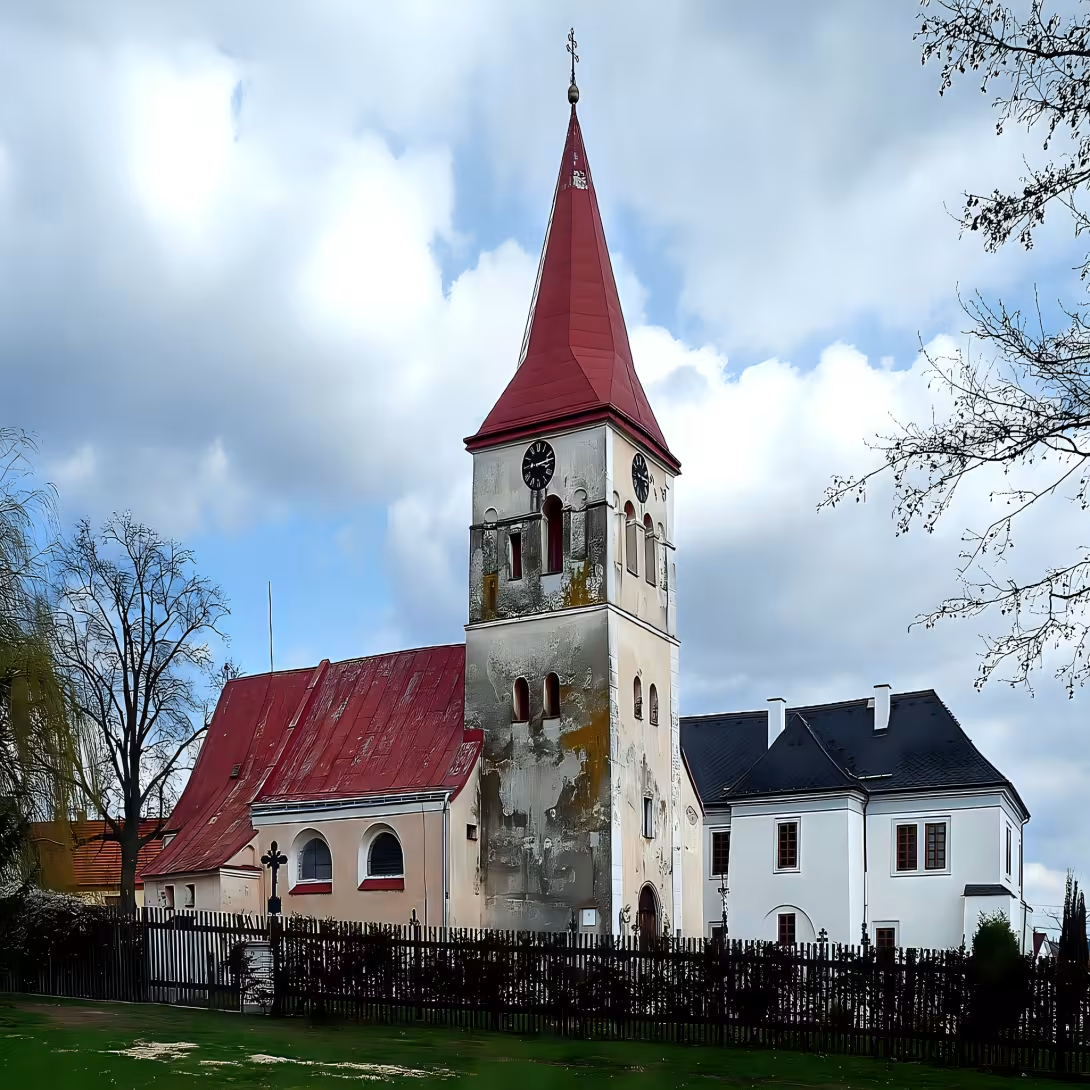
The church of the birth of the Virgin Mary in Pluhova Žďár is a filial church of the parish of Kardashov Řečice and a cultural monument of local importance. It was built in 1542 by gentlemen from Vojslác, a remarkable place that tradition considered a healing well. With this origin, the church is connected to a pre-Christian rural water cult, which often intertwined with later sacral topography in the Czech Republic.
The construction went through a major transformation in 1711, when a new temple boat was built to the church in a fully developed Baroque style. At the same time as this extension, the church tower was increased, which optically balanced the proportions of the entire building. He served as parish church of the parish Pluhův Žďár until the end of 2019 when his status changed.
Architecturally, the church retains its original Renaissance character. The presbytery is exceptionally oriented towards the north - this unusual orientation distinguishes it from a typical Central European solution and testifies to an individual construction solution from the 16th century. The presbytery is triangular, its windows are sharp and contain several preserved tombstones from the 16th and 18th centuries. The temple ship, built two centuries later, has a rectangular plan and is equipped with a flat ceiling. The church tower is designed as a prismatic building. The whole area is surrounded by a cemetery, which is partly surrounded by a wall.
The interior equipment dates back to the second half of the 19th century. The altar paintings were chosen and created by the artist Bedřich Kamarit. The painting on the main altar is based on the work of the famous Spanish master B. E. Murillo. The painting of St. Agnes is based on the painting of Josef Vojtěch Hellich. A valuable piece is the Baroque pulpit from the end of the 17th century, decorated by the late Gothic statue of the Virgin Mary with Jesus from the turn of the 15th and 16th centuries - one of the oldest architectural elements in the church.
The visit can be seen as a walk through layers of Gothic, Renaissance and Baroque in a single object. Presbyterium with its unusual northern orientation and a collection of tombstones from individual ages resemble the long history of this place as an obsession with local piety and memory.
Then and now
Drag the slider to compare how the landmark may have looked when it was built with the view today.
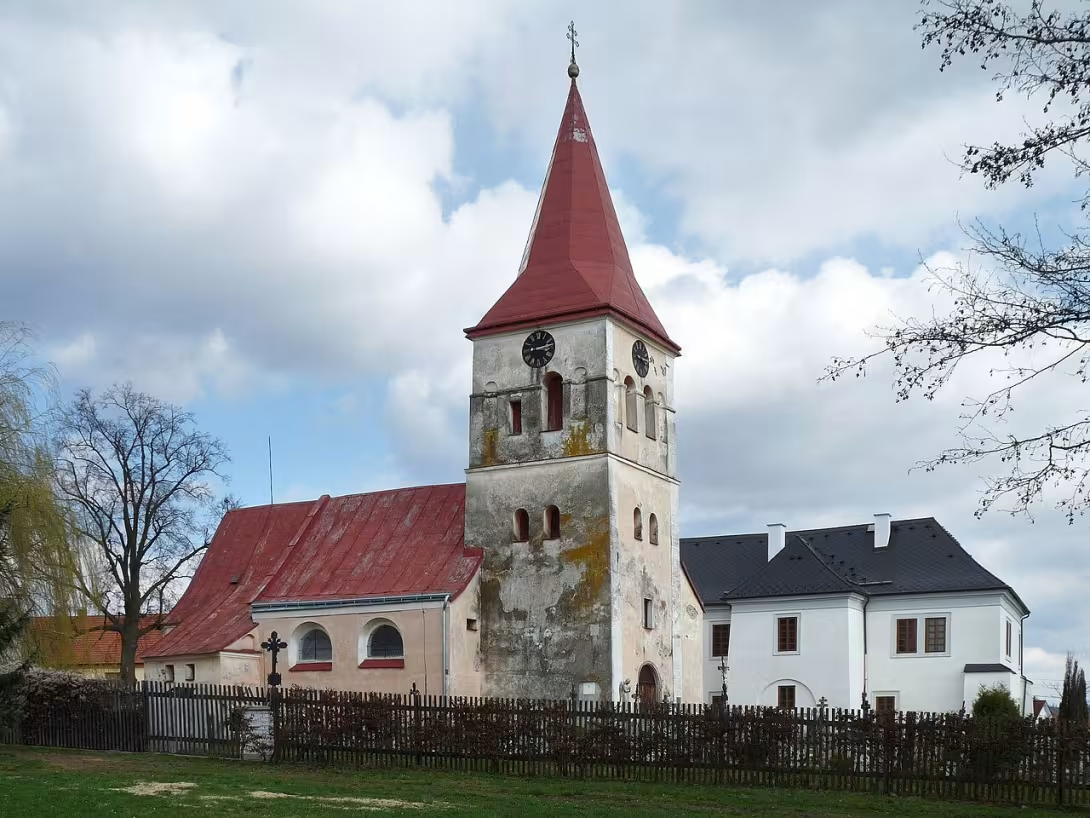

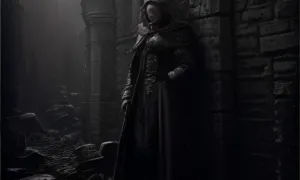
The historical appearance on the left is an AI-generated visualisation and serves as inspiration only.
Historical milestones
- 1542
- The position of the original Renaissance church above the healing well.
- 1711
- Adjust the temple ship in Baroque style and increase the church tower.
Architectural development
The church was originally built as a Renaissance building with a triangular presbytery turning north. In 1711 there were changes in Baroque style when the temple boat was built and the church tower was increased. The church equipment dates back to the second half of the 19th century.
Historical events
- 1542
- The position of the original Renaissance church above the healing well.
- 1711
- Adjust the temple ship in Baroque style and increase the church tower.
Owners
parish
municipality
Points of interest
- The church of the birth of the Virgin Mary in Pluhova Zdar was built in 1542 by gentlemen from Vojjlavic in a place considered to be a healing well, which shows a connection to a preChristian rural cult of water. - In 1711 a new temple boat was built to the church in a fully developed Baroque style and an increased church tower, which balanced the proportions of the entire building. - Presbytery has an unusual northern orientation that distinguishes the church from typical Central European solutions and shows an individual construction solution from the 16th century. - Interior equipment dates back to the second half of the 19th century, including altar paintings by Bedřich Kamarít and Baroque pulpit with late Gothic statue of the Virgin Mary. - The entire church area is partly surrounded by a cemetery wall, which adds to its historical significance.
Guide
This guide is narrated by a synthetic voice generated by artificial intelligence.
Show guide text
This text was created by artificial intelligence and has not been editorially reviewed. It may contain inaccuracies.
The Church of the Birth of the Virgin Mary in Pluhův Žďár is a cultural monument and a branch church of the Roman Catholic parish of Kardašova Řečice. Until the end of 2019 it was the parish church of the Pluhův Žďár parish.
It was built in 1542 by the lords of Vojslavice, above a healing spring. The originally Renaissance building underwent significant changes in 1711. At that time a Baroque church nave was added to it and the church tower was also heightened.
Unusual is the presbytery, that is the space around the main altar. It is exceptionally oriented towards the north. It has a three-sided apse and pointed windows. It contains several tombstones from the 16th and 18th centuries. The church nave has a rectangular floor plan and a flat ceiling. The tower is prismatic. Around the church extends a cemetery, partly enclosed by a boundary wall.
The church furnishings date from the second half of the 19th century. The altar paintings were created by Bedřich Kamarýt. The image on the main altar was created according to a model by the Spanish painter Murillo. The image of Saint Agnes is a copy of a work by Josef Vojtěch Hellích.
Older is the Baroque pulpit from the end of the 17th century. On its roof stands a late Gothic statue of the Virgin Mary with the Christ Child from the turn of the 15th and 16th centuries. It is therefore older than the church itself.
Tips for visitors
The best time to visit the Church of the Birth of the Virgin Mary in Pluho Zdar is the autumn period, when the surroundings are particularly charming and vegetation offers lively colors. This time also brings a calmer attendance, which allows a better tour.
When visiting the sights it is advisable to take sunglasses with you if you plan to take pictures at noon. It is also important to have a camera purse or a mobile phone with you.
For photographers, the church offers interesting places especially when capturing the sunset, when light creates beautiful shadows and illuminates baroque elements of the fasilia. Also remember to explore the interior with its rich frescos.
The chateau park offers beautiful pavements and is suitable for walking. It is an ideal place for families with children to relax in nature.
Frequently asked questions
Can the monument be visited?
Religious buildings are usually open mainly during services; at other times a visit is normally arranged with the parish or the operator. We have not verified specific times.
Where is the monument?
Location: Pluhův Žďár, Jihočeský kraj. The map on this page shows the exact spot.
Why is the monument protected?
It is listed in the Central List of Cultural Monuments of the Czech Republic as a cultural monument (register no. 14444/3-2097).
For kids
Imagine going back to the past. This is exactly what happened in Pluhův Žďár, where stands one of the most beautiful churches in Moravia - the Church of the Birth of the Virgin Mary.
This is around 1400. There's a narrow road around you and there's an amazing view of a Gothic church that looks like a dream. Imagine you're in some medieval novel and you're a hero.
Businesses nearby
Do you run a restaurant, accommodation, shop, museum, rental, wellness or other visitor service near this monument? Show yourself directly to the people heading to it — this is how they will see you in the app and on the web:
Events nearby
Zdroj akcí: otevřená data měst a obcí ČR (Národní katalog otevřených dat) a kalendář akcí Národního památkového ústavu.
Nearby
Pluhův Žďár
nature reserves
Accommodation nearby
Themed route
Thematic cruise route: Church of the Birth of the Virgin Mary (Pluhův Žďár)
1. Church of the Birth of the Virgin Mary - * Type: * Religious monument - * Why is it worth visiting: * This Baroque church is an architectural pearl of Pluhova Zdar. Its rich history and beautiful indoor equipment, including gazebo and fresco painting, attract visitors from all over the region. It is an ideal place for those who are interested in spiritual history and artistic value.
2. Municipal Office Pluhův Žďár - * Type: * Historical building - * Why is it worth visiting: * This building, located in the centre of the village, is an example of traditional urban architecture. Its elegant facade and historical importance as an administrative centre make it an interesting place to know today's life of the village.
3. Park by the church - * Type: * Green area - * Why is it worth visiting: * The park around the church offers a quiet stop for relaxing and exploring the natural environment. It is an ideal place to relax after exploring the church where you can enjoy beautiful flower gardens and quiet space.
4. Memorial of War Victims - * Type: * Memorial - * Why is it worth visiting: * This monument is dedicated to the memory of those who died in war conflicts. It is a place to reflect and worship monuments that offers a view of the historical tragedy and determination of the inhabitants of Pluho Zdar.
5. Local Market - * Type: * Business space - * Why is it worth a visit: * The local marketplace is a great place for experienced authentic products such as food and handicrafts. It is also a place where residents meet and share the history and traditions of the region.
This route offers a comprehensive view of Pluhův Žďár, combining spiritual, historical and cultural aspects of the village.
Seasonal recommendations
Spring: In spring, the Church of the Birth of the Virgin Mary in Pluho Zdar appears in the light of the golden and green shades that bring flowering shrubs and trees. The atmosphere is full of recovery and hope when everything around it wakes up from winter sleep. When visiting, it will be advisable to wear clothes for mild weather, because temperatures are usually medium and can change rapidly. The best time to visit is morning or evening when there are fewer people and you can enjoy a quiet moment in a pleasant atmosphere.
Summer: Summer offers the Church of the Birth of the Virgin Mary in Pluho Zdar the most sunlight and warmth, which increases its beauty. Green shrubs and trees are full of leaves and flowering plants add colored shine to the surroundings. This season it is recommended to visit the memory earlier in the day to avoid the highest temperatures and crowds of tourists. Don't forget your sunglasses and enough drinking. Hot clothes are suitable for morning cold, but during the day you may need to move to light clothes.
Autumn: In autumn, the Church of the Birth of the Virgin Mary in Pluho Zdar captures its colours when tree and bush leaves go from green to yellow, orange and red. The atmosphere is quieter and slightly cold, making autumn an ideal time for relaxation in beautiful nature. When you visit, wear clothes suitable for colder weather and don't forget to wear warm jackets because you may encounter cold calorific values in the morning and evening. The best times are usually early afternoons when the weather is pleasant and not so long shadows.
Winter: Winter visit to the Church of the Birth of the Virgin Mary in Pluho Zdar offers a unique view, where the monument appears in a snow coat or dazzling winter light. The atmosphere is calm and quiet, which creates a sense of relief from the excitement of other periods of the year. This season it is important to wear warm clothes, including fur hats and gloves, especially if you visit the church during cold winter days.
Visualizations and artistic views


The visualisations are generated by artificial intelligence and serve as inspiration.
Photos from the area
Real photos taken near the monument

Zdroj a licence jsou uvedeny u každého snímku.
Tips from visitors
No tips yet. Be the first!
Log in and add your tip.
Sources and literature
Photos: Czeva / CC BY-SA 3.0, rozlišení zvýšeno umělou inteligencí — Wikimedia Commons. The author and licence also appear when you hover over the image.
Faktickým podkladem tohoto textu byl článek na Wikipedii, jehož autory jsou přispěvatelé Wikipedie. Článek je dostupný pod licencí CC BY-SA 4.0.
Location on the map



Příběhy a pověsti
Legendy, pověsti a příběhy spjaté s touto památkou
Fotografie návštěvníků
Zatím žádné fotografie. Buďte první, kdo přidá fotografii z návštěvy!
Log in a přidejte svou fotografii nebo hodnoťte.
Za ověřenou návštěvu v aplikaci získáte víc bodů — poznáme podle GPS, že jste na místě.
Reviews and comments