



kaple Panny Marie Einsiedelnské Chapel
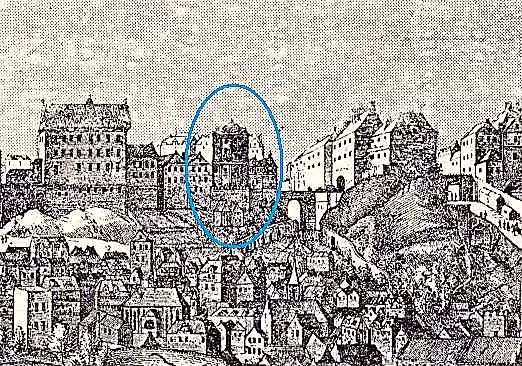
The Chapel of Our Lady of Einsiedeln in Prague 1 was a Baroque chapel built on the slope beneath Hradčanské Square. Commissioned by Ludmila Benigna von Sternberg in 1672 for the Theatine monastery in Malá Strana, it drew architectural inspiration from a similar chapel in Einsiedeln, Switzerland. Although now demolished, its foundation remains as part of a modern establishment. This site is notable not only for its historical significance but also for its transformation over time, reflecting broader cultural and social changes.
Commissioned during a period when Bohemia was experiencing a flourishing Baroque culture under the Habsburg Monarchy, the chapel exemplified increased patronage for religious art and architecture across Europe. The Theatine monastery, to which it belonged, played a significant role in Malá Strana's religious life until its dissolution in 1783.
Architecturally, the Chapel of Our Lady of Einsiedeln was a modest Baroque structure featuring an oblong nave, narthex, and small bell tower. Its design drew inspiration from the chapel in Einsiedeln, Switzerland, reflecting European influences on Bohemian architecture. The chapel's simplicity and elegance were characteristic of the Baroque style prevalent during its construction.
Ownership transitioned over time, initially belonging to the Theatine monastery until 1783. Following its dissolution, the chapel was abandoned and eventually underwent significant changes. By around 1970, part of the foundation had been repurposed for a café, marking a dramatic shift from its original religious function.
Key events include its commissioning by Ludmila Benigna von Sternberg in 1672 and its abandonment following the suppression of the Theatine order in 1783. Additionally, remnants of the chapel's artistic heritage survive nearby, including a statue of the Pieta and a sculpture of Saint Wenceslas from the early 20th century.
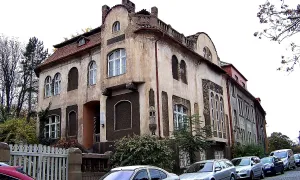
Today, while the original chapel no longer stands, its legacy endures through the preserved foundation integrated into a Starbucks café on Hradčanské Square. Visitors can explore this historical site, appreciating its connection to Prague's rich cultural tapestry and its transformation over centuries. The Chapel of Our Lady of Einsiedeln remains a testament to the dynamic history of Prague, inviting those interested in architecture, history, and culture to reflect on its enduring significance.
Then and now
Drag the slider to compare how the landmark may have looked when it was built with the view today.
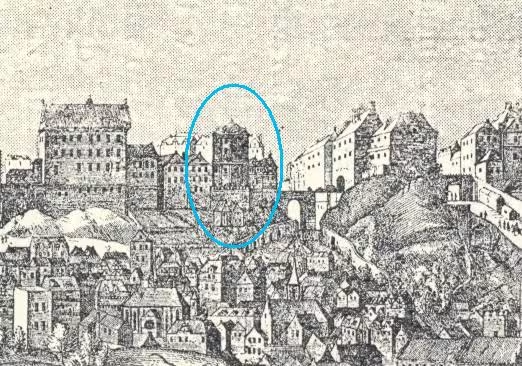

The historical appearance on the left is an AI-generated visualisation and serves as inspiration only.
Historical milestones
- 1672
- The chapel was founded by Ludmila Benigna von Sternberg.
- 1783
- Dissolution of the Theatine Monastery and abandonment of the chapel.
- circa 1970
- A part of the foundation was converted into a café.
Architectural development
The chapel was originally a modest baroque structure with an oblong nave, narthex, and bell tower. After its abandonment in 1783, it underwent significant changes, including demolition around 1970 when part of the foundation was repurposed for a café.
Historical events
1672: Commissioned and built by Ludmila Benigna von Sternberg.
1783: Abandoned following the suppression of the Theatine order.
Owners
Initially owned by the Theatine monastery until its dissolution in 1783; subsequently repurposed for various uses including a café.
Points of interest
- The chapel was commissioned by Ludmila Benigna von Sternberg, a notable figure in Bohemian aristocracy, who played a crucial role in promoting Baroque art and architecture during her time.
- Despite its modest size, the Chapel of Our Lady of Einsiedeln featured an intriguing architectural element: a small bell tower that was uncommon for chapels of similar scale in Prague, reflecting unique European influences.
- The chapel's connection to the Theatine order is significant; this religious community was known for their educational and reformative efforts across Europe, impacting not just Malá Strana but also broader ecclesiastical practices during the Baroque period.
- After its dissolution in 1783, parts of the chapel were repurposed into a café by around 1970. This transformation highlights the adaptive reuse of historical sites, blending modern commercial use with cultural heritage.
- Artistic remnants from the chapel's era, such as the nearby Pieta and Saint Wenceslas sculpture, survive today, offering glimpses into its original artistic environment despite the chapel itself being demolished.
Guide
This guide is narrated by a synthetic voice generated by artificial intelligence.
Show guide text
This text was created by artificial intelligence and has not been editorially reviewed. It may contain inaccuracies.
On a slope below the edge of Ke Hradu street, in the eastern part of Hradčanské náměstí, there once stood a chapel of Our Lady of Einsiedeln. It was a pilgrimage and monastic chapel on the ramp of Prague Castle. Today it no longer exists and is remembered only by the remains of its foundations.
The chapel was built in 1672 at her own expense by Countess Ludmila Benigna Šternberková. It served the Mala Strana monastery of the Theatines. When the order was dissolved in 1783, the chapel remained abandoned. According to available sources, it stood until 1791. An interesting question remains what structure on this site is captured in Sadler's prospect of Prague from 1607, that is from a time long before the chapel was founded.
The chapel had a single nave and was quite simple. It consisted of a rectangular nave, a narrower chancel and a small bell tower. Its form was based on the model of the chapel in Swiss Einsiedeln.
From the original building, mainly a multi-storey foundation platform and some smaller parts have been preserved. Around 1970, this foundation structure was converted into a bistro. Since 2013, a café has been located there. A reminder of the chapel is a column with a statue of Our Lady with the Crucified, a pietà, which stands before the entrance to the café. Not far from it is a statue of Saint Wenceslas from the beginning of the twentieth century, placed on a Baroque pedestal.
Tips for visitors
The best time to visit the Chapel of Our Lady of Einsiedeln is during late spring or early fall when the weather is pleasant, and there are fewer crowds compared to peak tourist seasons like summer. This timing allows for a more serene experience, enabling visitors to appreciate the baroque architecture without the hustle and bustle. Additionally, these periods often coincide with local cultural events that can enrich your visit.
Transportation to the chapel is convenient via public transit or by car. Public transportation, including buses and trams, provides easy access to Hradčanské Square.
When visiting the chapel, it is recommended to wear comfortable walking shoes as you may want to explore the surrounding area of Prague Castle and its historical sites. Bringing a camera or smartphone for photography is advisable, particularly if you plan to capture the intricate details of the baroque architecture. The best spots for photography are typically at dawn or dusk when the light enhances the chapel's features.
For families with children, visiting the Chapel of Our Lady of Einsiedeln can be an educational and enjoyable experience. Engage your kids by explaining the historical significance of the site and its architectural style. Nearby attractions within a 30-minute walk include Prague Castle itself, which offers various interactive exhibits that appeal to younger audiences. Additionally, the area around Hradčanské Square is perfect for a leisurely stroll or picnic.
Frequently asked questions
Can the monument be visited?
Religious buildings are usually open mainly during services; at other times a visit is normally arranged with the parish or the operator. We have not verified specific times.
Where is the monument?
Location: Hradčany, Hlavní město Praha. The map on this page shows the exact spot.
Businesses nearby
Do you run a restaurant, accommodation, shop, museum, rental, wellness or other visitor service near this monument? Show yourself directly to the people heading to it — this is how they will see you in the app and on the web:
Events nearby

Zdroj akcí: otevřená data měst a obcí ČR (Národní katalog otevřených dat) a kalendář akcí Národního památkového ústavu.
Nearby
The chapel was situated on Hradčanské Square, close to Prague Castle. The area features historical architecture and significant cultural landmarks.
Accommodation nearby
Trips and activities nearby
Guided tours, tickets and activities nearby from GetYourGuide
Affiliate link: if you buy from the partner, we may receive a commission. The price for you does not change.
Search tours and activities →Themed route
Thematic Walking Tour: The Legacy of the Virgin Mary of Einsiedeln Chapel
1. Hradčanské Square (Square) Begin your journey at Hradčanské Square, a historically rich area that once hosted the chapel dedicated to the Virgin Mary of Einsiedeln. This square is steeped in history and offers stunning views of Prague Castle. Its significance lies in its proximity to one of the most iconic landmarks of Prague, making it an ideal starting point for exploring the cultural heritage surrounding the former site of the chapel.
2. Prague Castle (Castle) A short walk from Hradčanské Square will bring you to the majestic Prague Castle. As one of the largest castle complexes in Europe, its historical architecture and significance as a political and cultural center make it an essential visit. The castle's history is intertwined with that of the chapel, offering insights into the religious and royal influences that shaped this area.
3. St. Vitus Cathedral (Cathedral) Located within Prague Castle grounds, St. Vitus Cathedral stands as a masterpiece of Gothic architecture. Its grandeur and historical importance are unparalleled, serving as the spiritual heart of the Czech nation. The cathedral's connection to the chapel through its religious significance provides a deeper understanding of the area's cultural landscape.
4. Old Royal Palace (Palace) Adjacent to St. Vitus Cathedral is the Old Royal Palace, another key component of Prague Castle. This palace has been a significant site for royal ceremonies and events throughout history. Exploring its halls offers insights into the lives of those who once resided here, including their spiritual practices linked to nearby chapels like that of the Virgin Mary of Einsiedeln.
5. Golden Lane (Street) Conclude your tour on Golden Lane, a charming cobblestone street within Prague Castle's grounds. Known for its picturesque houses and historical significance as home to alchemists in the past, this lane provides a unique glimpse into the everyday lives of those who lived and worked near the chapel. Its serene atmosphere offers a moment of reflection on the rich tapestry of history that surrounds you.
This thematic tour not only highlights the architectural beauty and historical depth of Prague's Old Town but also emphasizes the cultural and religious narratives interwoven with the legacy of the Virgin Mary of Einsiedeln Chapel.
Seasonal recommendations
Spring: Visiting the Kaple Panny Marie Einsiedelnské during spring offers a serene atmosphere as nature awakens around Prague 1. The blooming flowers and budding trees create a picturesque backdrop for exploring this historical chapel, enhancing its tranquil ambiance with soft natural light filtering through stained glass windows. This season sees moderate visitor numbers, making it an ideal time to appreciate the site without large crowds. It's advisable to wear comfortable layers as temperatures can vary; mornings may be cool while afternoons warm up. Early afternoon visits are recommended when the chapel is bathed in gentle sunlight, providing optimal lighting for photography and reflection.
Summer: The summer months bring vibrant energy to the Kaple Panny Marie Einsiedelnské, with long daylight hours allowing visitors to enjoy extended tours under clear skies. The lush greenery around Prague 1 adds a refreshing touch to the historic setting, though it's important to note that this is also the peak tourist season. To avoid large crowds, consider visiting early in the morning or later in the afternoon. Dressing in light, breathable clothing and wearing comfortable shoes are practical tips for navigating both the chapel’s interior and the surrounding areas comfortably.
Autumn: Autumn transforms the Kaple Panny Marie Einsiedelnské into a warm haven amidst the changing leaves of Prague 1. The golden hues of fall foliage create a stunning contrast against the chapel's architecture, offering a unique perspective during this season. Cooler temperatures make it a pleasant time to explore without the summer crowds, though visitors should be prepared for shorter days and earlier sunsets. Wearing layers is advisable as mornings can be brisk, but afternoons may remain mild. This is an excellent period for photography enthusiasts looking to capture the chapel in its autumnal splendor.
Winter: The winter season envelops the Kaple Panny Marie Einsiedelnské in a quiet, almost mystical atmosphere, with Prague 1's streets often blanketed in snow. The soft glow of lights inside the chapel provides a warm welcome against the crisp air outside, creating an intimate setting for reflection and appreciation of its historical significance. Visitor numbers tend to be lower during this time, offering a more personal experience. It is essential to dress warmly with layers, including hats and gloves, as temperatures can drop significantly. Planning your visit in the late morning or early afternoon ensures better lighting conditions inside the chapel, enhancing the beauty of its interior features.
Visualizations and artistic views


The visualisations are generated by artificial intelligence and serve as inspiration.
Photos from the area
Real photos taken near the monument


Zdroj a licence jsou uvedeny u každého snímku.
Tips from visitors
No tips yet. Be the first!
Log in and add your tip.
Sources and literature
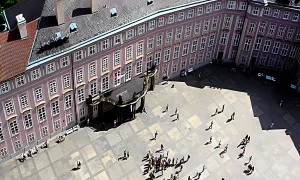
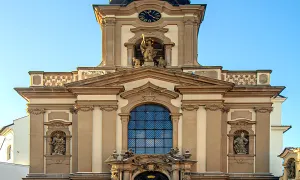
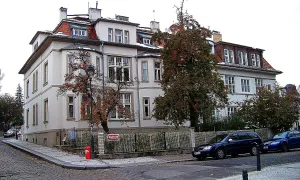
Photos: Dr.J. Kosina; Jiljí Sadeler (1607); Juandev (crop and drawing) / Public domain — Wikimedia Commons. The author and licence also appear when you hover over the image.
Faktickým podkladem tohoto textu byl článek na Wikipedii, jehož autory jsou přispěvatelé Wikipedie. Článek je dostupný pod licencí CC BY-SA 4.0.
Location on the map

Příběhy a pověsti
Legendy, pověsti a příběhy spjaté s touto památkou
Příběh: kaple Panny Marie Einsiedelnské
Bylo to v pondělí ráno, kdy Jindřich zjistil, že nemůže zapomenout na své činy z minulé noci. Sama myšlenka ho stáhla do temného údolí pocitu vinění, kde kaž…
Číst příběh
Pověst: kaple Panny Marie Einsiedelnské
Podle místní pověsti stojí za vznikem kaple na svahu pod Hradčanským náměstím příběh, který si pradávno vyprávěly ženy nosící vodu z Malé Strany nahoru ke Hr…
Číst příběhFotografie návštěvníků
Zatím žádné fotografie. Buďte první, kdo přidá fotografii z návštěvy!
Log in a přidejte svou fotografii nebo hodnoťte.
Za ověřenou návštěvu v aplikaci získáte víc bodů — poznáme podle GPS, že jste na místě.
Reviews and comments