



kaple svatého Antonína Paduánského (Vlčí Hora) Chapel
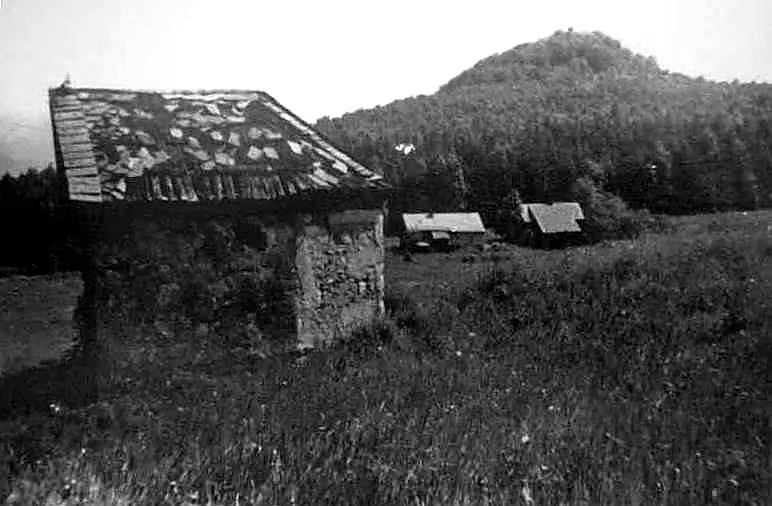
Objekt se nedochoval — na místě dnes nestojí. Následující text popisuje jeho historii, ne současnou návštěvu.
St. Anthony's Padua Chapel in Wolf Mountain is a small Baroque chapel built in 1721, located on the outskirts of the town near the Royal Lip. Despite its modest size and lack of windows, it played an important role in local religious traditions. The Johann Christoph Hesse Commission served as a contact point for the annual corpus Christi Day parade until World War II disrupted this tradition.
During the reign of Habsburg, which was created in the early 18th century, Czechs experienced cultural influences typical of the Baroque period, characterized by a spectacular and detailed artistic expression. The architecture of the chapel reflects these influences by simple elongated design with triangular closure and stitched roof. His entrance was semicircular with a stone frame, overarched by a triangular stake showing a niche with the image of Christ's resurrection. Pilasters decorated the facade in the corners, increasing his Baroque aesthetics.
The chapel remained in the care of the Hess family until the 20th century. But after World War II, it collapsed because of the movement of indigenous peoples. The annual procession, which began in St. Martin's Church in Brtně and ended in the Chapel of Žebranecký, ended during this period. In the coming years, neglect led to his deterioration, culmination in his destruction of students from a nearby school in the 1970s.
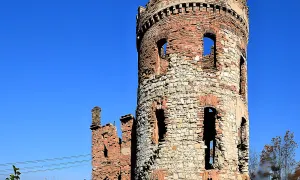
Today, the ruins are privately owned with the efforts of the city of Beautiful Lipa to obtain them in 2013. Despite the historical importance and role of local traditions, none of the original facilities survived. The site remains a testament to the cultural and religious history of the region.
Visit the ruins offers a view of the past and recognition for the role of the chapel in the community. While the physical structure is no longer standing, its legacy remains part of the rich tapestry of the Czech heritage. This monument invites you to think about historical stories that shaped Wolf Mountain and support the exploration of surrounding natural landscapes and cultural monuments in the Ústí Region.
Then and now
Drag the slider to compare how the landmark may have looked when it was built with the view today.
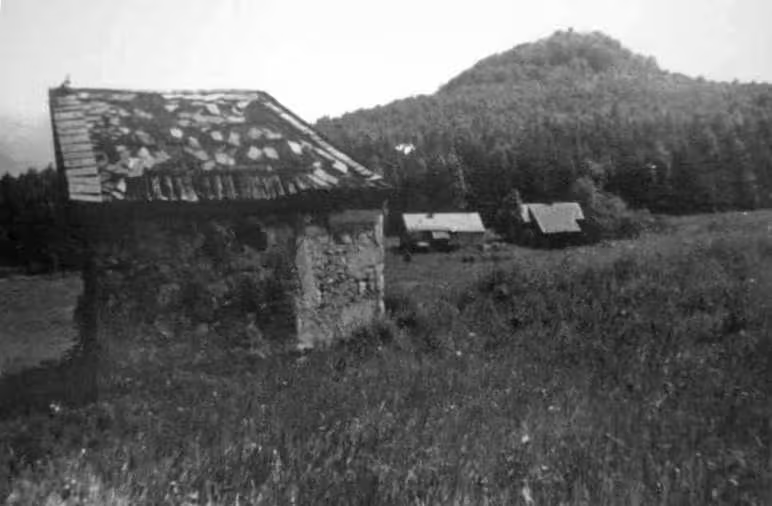
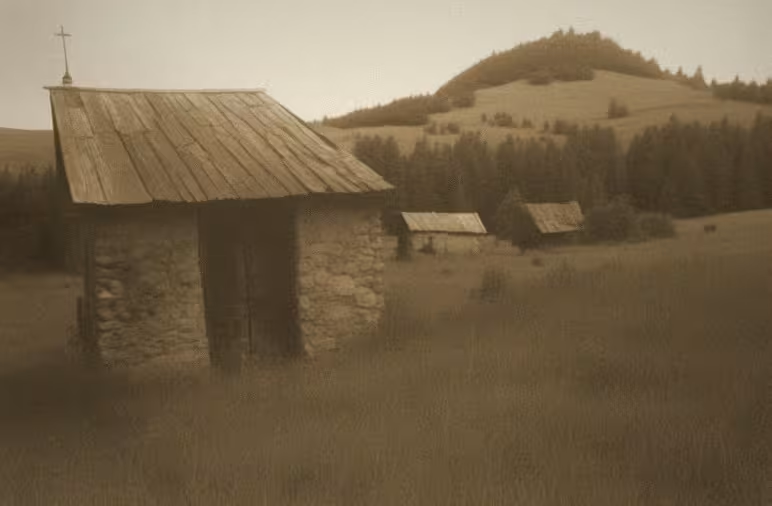
The historical appearance on the left is an AI-generated visualisation and serves as inspiration only.
Historical milestones
- 1721
- Construction of the chapel entered by Johann Christoph Hesse.
Architectural development
The chapel was built in baroque style with a simple elongated design with a triangular cap and stitched roof. The entrance had a semi-circular arch with a stone frame and the facade was decorated with pilasters in the corners. Over time, neglect led to his worsening, culmination in his destruction of students in the 1970s.
Historical events
In 1721 Johann Christoph Hesse entered the construction of the chapel on his property.
Chapel was the place for the annual parade of Corpus Christi Day until the invasion of World War II.
Owners
The chapel was originally maintained by the Hesse family until the 20th century. After World War II, she was embarrassed to move the indigenous people.
Points of interest
- St. Anthony's Chapel of Paduan was built without windows, which is unusual for Baroque architecture, which often emphasizes generous and complex details; this choice of design could reflect the modest origin of the chapel or specific functional needs.
- Despite its modest size, the chapel played a key role in local religious traditions by serving as the final destination of the annual parade from St. Martin's Church in Brtníky, highlighting its importance beyond the mere architectural presence.
- The destruction of the chapel of students in the 1970s is a significant reminder of how quickly historical sites can be lost due to neglect and vandalism, which underlines the importance of efforts to preserve cultural heritage.
- Although none of the original facilities survived, the link of the chapel continues due to its influence on local traditions and as part of Czech history, which shows how intangible heritage can persist even if physical structures do not.
- The town of Králová Lipa, which in 2013 sought to obtain ruins, reflects the growing awareness and recognition for the preservation of historical monuments, despite the previous period of neglect that led to its deterioration.
Guide
This guide is narrated by a synthetic voice generated by artificial intelligence.
Show guide text
This text was created by artificial intelligence and has not been editorially reviewed. It may contain inaccuracies.
On the edge of Vlčí Hory, which is today a local part of the town of Krásné Lípy, stood a small baroque chapel dedicated to Saint Anthony of Padua. It was built in 1721 and disappeared after the Second World War.
It was built by a bleacher named Johann Christoph Hesse on his plot of land near house number 100. The place was formerly called Hohe Stelle and belonged to the village of Vlčí Hora. The chapel was then cared for by the Hesse family all the way into the twentieth century.
The chapel also had its place in local customs. Every year on the Tuesday after the Ascension of the Lord, a procession would pass around it. It began at the Church of Saint Martin in Brtníky and ended at the Beggar's Chapel in Vlčí Hoře.
The Second World War and the displacement of the original inhabitants of the village interrupted this tradition and care of the chapel. After the war, no one looked after the building, it quickly deteriorated and its furnishings were stolen. The roof gradually fell apart. In the nineteen seventies, apprentices from a nearby vocational school in Zahradách damaged the chapel by battering its walls with a wooden battering ram. After that the chapel was demolished. The ruins are in private ownership and in 2013 the town of Krásná Lípa attempted to acquire them.
The chapel was not very large and had no windows. Its floor plan consisted of a rectangle with a three-sided apse. The entrance led into the facade and was finished with a semicircle, with stone framing. Above it was a triangular gable and in it a small niche with an image of the Resurrection of Christ, painted on wood. The corners of the facade were emphasized by vertical strips called pilasters. The roof had no tower and was covered with shingles.
Inside stood a wooden altar and there were a number of paintings, a crucifix and plaster statues. None of this furnishings were preserved.
Businesses nearby
Do you run a restaurant, accommodation, shop, museum, rental, wellness or other visitor service near this monument? Show yourself directly to the people heading to it — this is how they will see you in the app and on the web:
Nearby
The chapel is located near the Royal Lipa, it was part of a rural landscape that included traditional Czech villages. The area is famous for its natural beauty and proximity to other cultural monuments in the Ústí Region.
Visualizations and artistic views


The visualisations are generated by artificial intelligence and serve as inspiration.
Tips from visitors
No tips yet. Be the first!
Log in and add your tip.
Sources and literature
Photos: autor neuveden / Public domain — Wikimedia Commons. The author and licence also appear when you hover over the image.
Faktickým podkladem tohoto textu byl článek na Wikipedii, jehož autory jsou přispěvatelé Wikipedie. Článek je dostupný pod licencí CC BY-SA 4.0.
Location on the map
Příběhy a pověsti
Legendy, pověsti a příběhy spjaté s touto památkou
Fotografie návštěvníků
Zatím žádné fotografie. Buďte první, kdo přidá fotografii z návštěvy!
Log in a přidejte svou fotografii nebo hodnoťte.
Za ověřenou návštěvu v aplikaci získáte víc bodů — poznáme podle GPS, že jste na místě.
Reviews and comments