






kaple svatého Filipa Neri Chapel
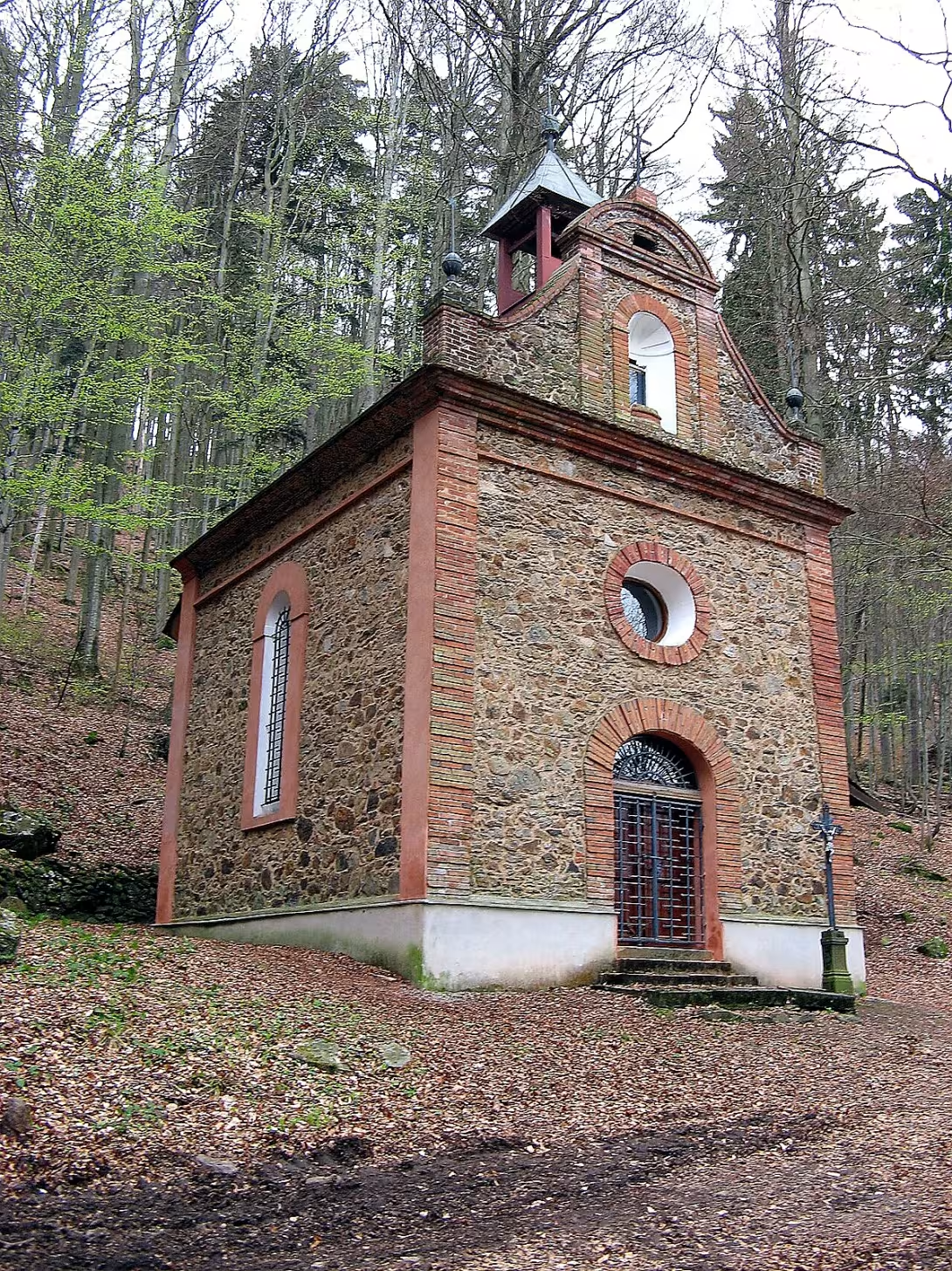
The Chapel of Saint Philip Neri, also known as Patriarcha, is a Roman Catholic chapel near Prachatice in the South Bohemian Region. Situated in a serene forest on Libín hill above St. Markéta's Spa, this tranquil retreat was completed in 1861. The chapel stands out for its historical significance and architectural simplicity, serving as both a spiritual haven and a testament to local devotion.
The origins of the Chapel date back to 1691 when Vojtěch Vilém Bylanský received permission to build an initial wooden structure dedicated to the Italian saint. This early chapel was replaced in 1803 by a brick building covered with shingles, reflecting evolving architectural practices and materials. In 1859, due to deterioration of the existing structure, a decision was made to construct a new chapel. Funded through donations from believers, this project culminated in the consecration of the current stone chapel on July 9, 1861.
Architecturally, the Chapel is characterized by its simple yet elegant design. It features a square plan with an apse and unrendered facades, constructed primarily from stone. Brick elements are evident in the portico and window frames, while the gabled roof is topped with a small tower. A notable feature outside the chapel is a 1928 iron crucifix mounted on a stone base.
Ownership of the chapel has remained with the town of Prachatice since its consecration. The chapel's history includes significant community involvement, particularly during its reconstruction in the late 19th century when a crossway leading to it was established by Anton Pachlhofer, then lessee of the nearby spa. This period also saw increased popularity among both believers and visitors drawn by a local spring reputed for its healing properties.
Today, the Chapel stands as a well-preserved historical monument, having undergone restoration between 1999 and 2004. Its serene location in the forested area south of Prachatice makes it an accessible site for those seeking spiritual reflection and natural beauty. Visitors are drawn to its peaceful ambiance and historical significance, making it a worthwhile destination for anyone interested in exploring the cultural heritage of South Bohemia.
The Chapel of Saint Philip Neri offers a unique glimpse into the region's past, blending architectural simplicity with rich local history. Its enduring presence invites visitors to appreciate both its spiritual significance and its role as a cherished community landmark.
Then and now
Drag the slider to compare how the landmark may have looked when it was built with the view today.
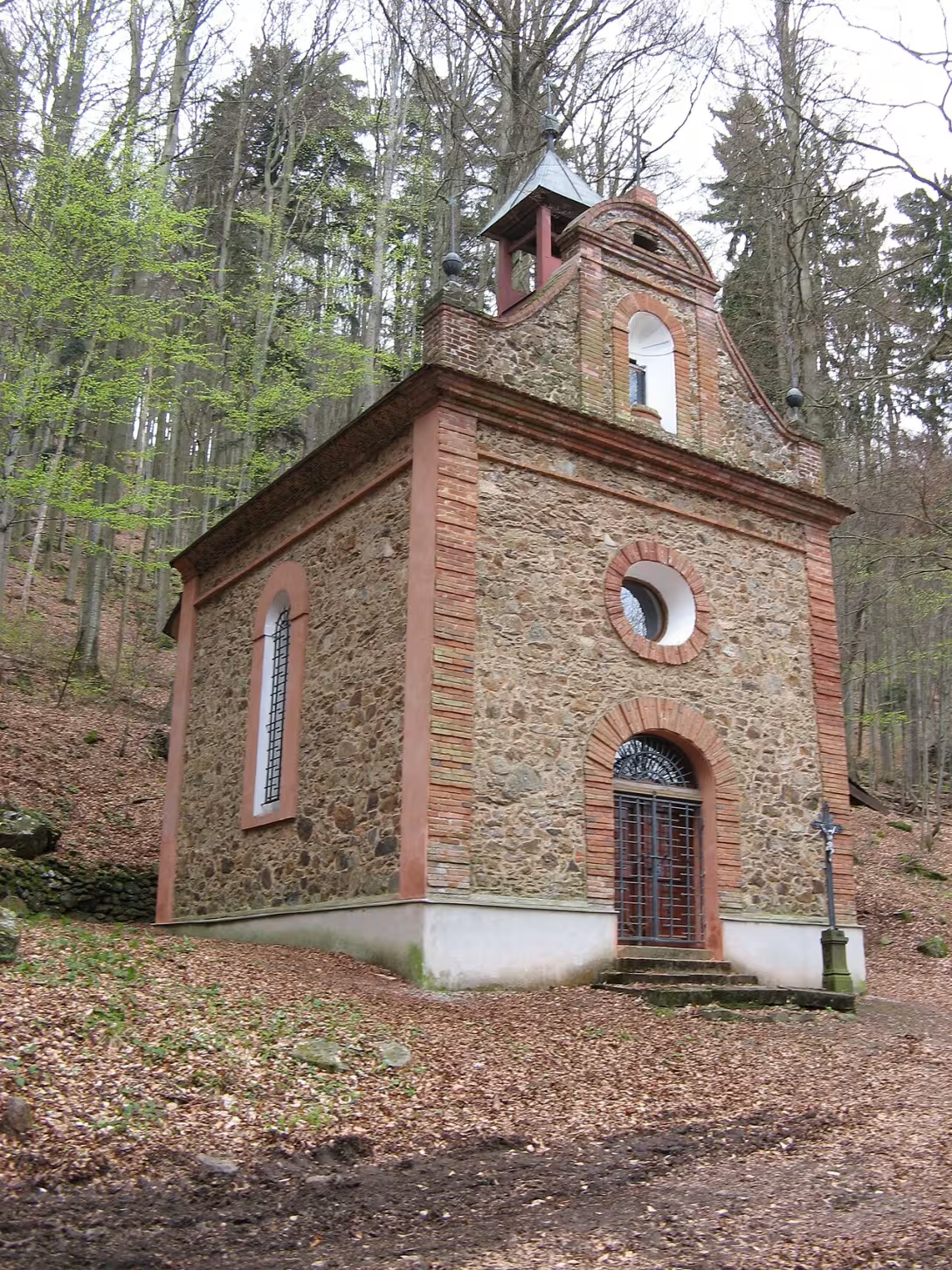
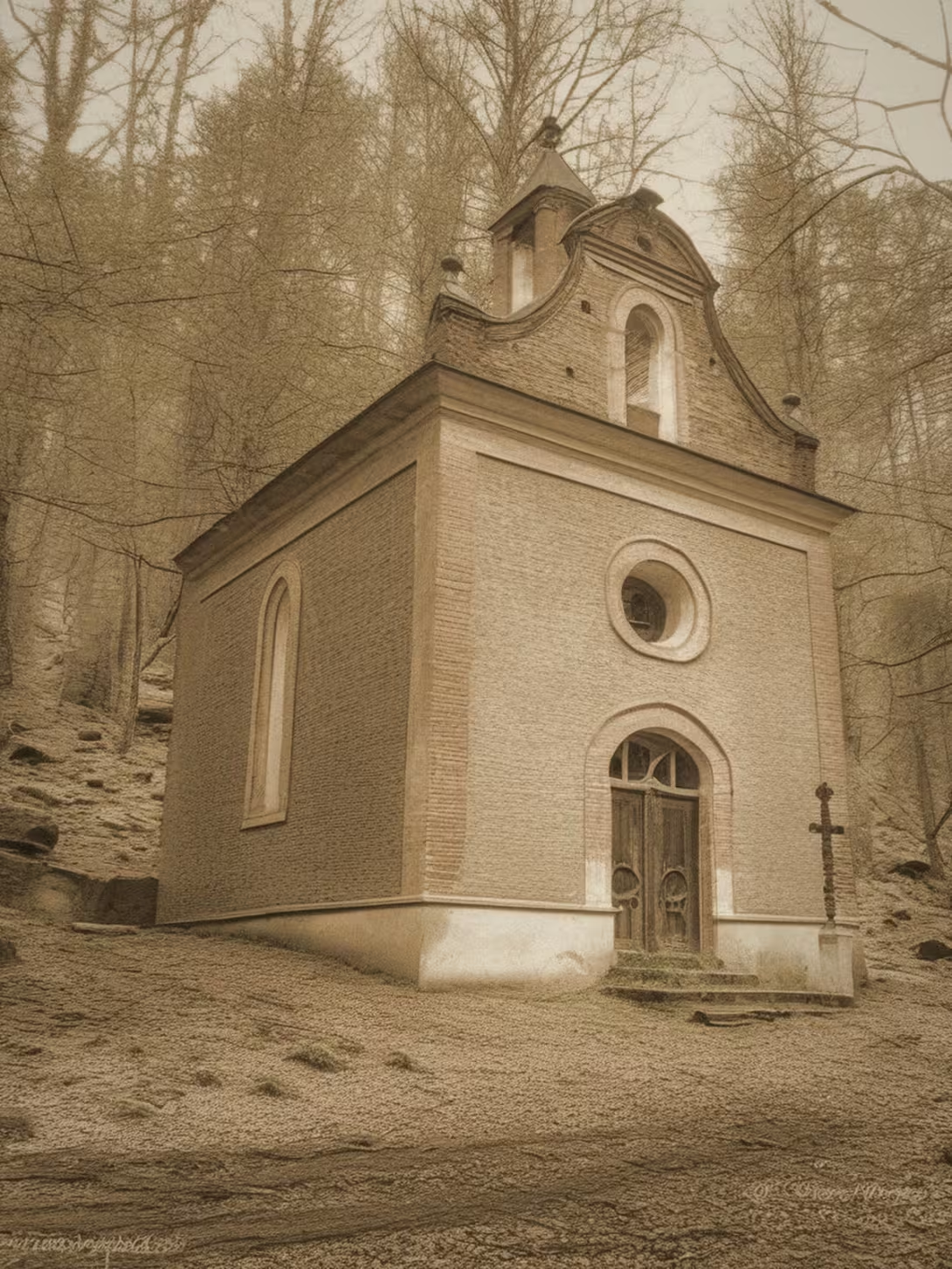
The historical appearance on the left is an AI-generated visualisation and serves as inspiration only.
Historical milestones
- 1691
- Permission granted for the construction of the original wooden chapel.
- 1803
- The wooden chapel was replaced by a brick building covered with shingles.
- 1859
- Decision made to construct a new chapel due to deterioration of the existing structure.
- 1861
- Consecration of the newly built chapel on July 9.
Architectural development
The original wooden chapel built in 1691 was replaced by a brick structure in 1803. In 1859, due to deterioration, a new chapel was constructed with funding from local donations. The construction concluded in 1861, featuring a simple stone design with an apse and gabled roof.
Historical events
In 1691, permission was granted to Vojtěch Vilém Bylanský for building an initial wooden chapel dedicated to Saint Philip Neri. This structure was replaced in 1803 with a brick building covered with shingles.
A new chapel construction began after the decision by the town of Prachatice in 1859, funded through donations from believers. The foundation stone was laid on June 13, 1859, and the chapel was consecrated on July 9, 1861.
Owners
The chapel is owned by the town of Prachatice.
Points of interest
- The Chapel of Saint Philip Neri was initially a wooden structure authorized in 1691 by Vojtěch Vilém Bylanský, highlighting an early example of community-led religious architecture.
- In 1803, the original chapel was replaced with a brick building covered with shingles, showcasing evolving construction materials and techniques over time.
- The current stone chapel, completed in 1861, was funded entirely through donations from believers, reflecting strong local devotion and communal support for its reconstruction.
- A notable feature outside the chapel is a 1928 iron crucifix on a stone base, adding to the site's historical layers with contributions made well into the 20th century.
- Anton Pachlhofer, lessee of St. Markéta's Spa, played a significant role in establishing a crossway during the late 19th-century reconstruction, illustrating the interplay between local businesses and religious sites.
Guide
This guide is narrated by a synthetic voice generated by artificial intelligence.
Show guide text
This text was created by artificial intelligence and has not been editorially reviewed. It may contain inaccuracies.
Welcome to the serene Chapel of Saint Philip Neri, nestled in a tranquil forest setting on the slope of Libín hill above St. Markéta's Spa. As you stand here amidst nature's embrace, take a moment to absorb the peaceful atmosphere surrounding this Roman Catholic chapel near Prachatice in the South Bohemian Region.
The story of this sacred site begins in 1691 when Vojtěch Vilém Bylanský granted permission for the construction of an original wooden chapel. This early structure reflected the community's dedication and spiritual aspirations, marking a significant moment in local religious architecture. Over time, as needs evolved and circumstances changed, so too did this place of worship.
By 1803, the initial wooden chapel had been replaced by a more enduring brick building covered with shingles. This transition not only showcased advancements in construction but also demonstrated the community's commitment to preserving their spiritual haven. However, the passage of time brought challenges; by 1859, it was decided that a new chapel was necessary due to the deterioration of the existing structure.
The current chapel, which you see before you today, stands as a testament to resilience and devotion. Consecrated on July 9, 1861, this structure replaced its deteriorated predecessor and continues to serve as a tranquil retreat for reflection and prayer. While the architects remain unknown, their work has left an indelible mark on both history and landscape.
As you explore further, notice how the chapel harmonizes with its natural surroundings, offering a serene escape from the hustle of everyday life. The architecture itself invites contemplation—its simple yet elegant design speaks to the enduring spirit of those who have gathered here over centuries.
While specific historical figures associated with this site may remain unnamed, their stories are woven into the fabric of this place, each contributing in some way to its legacy and significance.
One fascinating aspect of this chapel is its journey from a humble wooden structure to the stately edifice you see today. This evolution highlights not just architectural changes but also the unwavering faith and community spirit that have sustained it through time.
As we conclude our visit, I invite you to continue exploring the area around the Chapel of Saint Philip Neri. Let your senses be guided by the beauty of nature and the quietude this sacred site offers. Thank you for joining me on this journey through history and spirituality. May your exploration here leave you with a sense of peace and inspiration.
Until next time, farewell!
Tips for visitors
The best time to visit the Chapel of Saint Philip Neri is during late spring or early autumn when the weather is mild, and the forest around Libín hill is lush with greenery. These seasons offer pleasant temperatures for walking and exploring the natural beauty surrounding the chapel. Additionally, visiting outside of peak tourist season ensures a more tranquil experience in this serene setting.
The chapel’s location in a forested area means that visitors should plan their journey accordingly.
When visiting the Chapel of Saint Philip Neri, it is recommended to bring comfortable walking shoes as you may want to explore the surrounding natural landscape. A light jacket might be useful due to variable weather conditions, especially if you plan on spending time outdoors around the chapel and nearby spring. Additionally, carrying a water bottle can ensure hydration during your visit.
For photography enthusiasts, the best spots for capturing the Chapel of Saint Philip Neri are at sunrise or sunset when the light is soft and warm, creating a picturesque backdrop with the forested landscape. The chapel's serene setting provides numerous opportunities for stunning shots, especially near the nearby spring where reflections can add an artistic touch to your photos.
Nearby attractions within 30 minutes include St. Markéta's Spa, which offers therapeutic services in a beautiful natural environment. This makes it a perfect spot for relaxation after exploring the chapel and its surroundings. The area’s natural beauty provides ample opportunities for leisurely walks or picnics, making it an ideal destination for families with children who enjoy outdoor activities.
Frequently asked questions
Can the monument be visited?
Religious buildings are usually open mainly during services; at other times a visit is normally arranged with the parish or the operator. We have not verified specific times.
Where is the monument?
Location: Prachatice, Jihočeský kraj. The map on this page shows the exact spot.
Businesses nearby
Do you run a restaurant, accommodation, shop, museum, rental, wellness or other visitor service near this monument? Show yourself directly to the people heading to it — this is how they will see you in the app and on the web:
Nearby
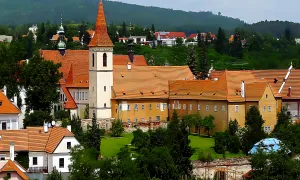
Located south of Prachatice, the chapel is nestled in a forest on Libín hill near St. Markéta's Spa. The area features natural beauty and includes a nearby spring.
Accommodation nearby
Trips and activities nearby
Guided tours, tickets and activities nearby from GetYourGuide
Affiliate link: if you buy from the partner, we may receive a commission. The price for you does not change.
Search tours and activities →Themed route
Thematic Walking Tour: The Chapel of Saint Philip Neri and Its Surroundings
1. Chapel of Saint Philip Neri - Type: Religious Site - Why Visit: Nestled on Libín hill, this charming chapel offers a serene retreat surrounded by lush forest scenery. It is dedicated to Saint Philip Neri, known for his joyful spirituality, and provides visitors with an opportunity to reflect amidst natural beauty.
2. St. Markéta's Spa - Type: Wellness Destination - Why Visit: Located near the chapel, St. Markéta’s Spa offers a peaceful setting ideal for relaxation and rejuvenation. Visitors can enjoy the therapeutic benefits of its mineral spring waters, which have been cherished for their healing properties.
3. Libín Hill Forest - Type: Natural Area - Why Visit: The forest surrounding Libín hill is perfect for nature enthusiasts seeking tranquility and a chance to explore local flora and fauna. Walking through this area provides a picturesque backdrop that complements the spiritual ambiance of the chapel.
4. Nearby Spring - Type: Natural Feature - Why Visit: This spring, located close to the chapel, is not only a source of fresh water but also adds to the idyllic charm of the region. It’s an excellent spot for visitors to pause and appreciate the simplicity and beauty of nature.
This walking tour offers a harmonious blend of spirituality, wellness, and natural exploration, making it ideal for those seeking both reflection and relaxation in the scenic surroundings of Prachatice.
Seasonal recommendations
Jar: During the spring season, St. Philip Neri's Chapel in Prachatice takes on a special atmosphere as its interior is illuminated by sunlight streaming through the windows, highlighting the richness of historical details. The surrounding nature begins to bloom, creating a beautiful backdrop for visiting this landmark. Since it is outside the peak tourist season, the chapel is usually less crowded, allowing for a more tranquil tour. We recommend wearing comfortable shoes and clothing suitable for mild temperatures, as the weather can be unpredictable.
Léto: Summer brings St. Philip Neri's Chapel to full tourist popularity. Sunny days and higher temperatures make outdoor walks around the landmark unforgettable experiences but also attract more visitors. Therefore, a good tip is to visit the chapel in the early afternoon to avoid peak crowds. We recommend wearing light clothing and protective sunglasses, as well as bringing water with you, especially during the summer months.
Podzim: Autumn offers St. Philip Neri's Chapel in Prachatice an atmosphere full of colors and tranquility. The changing leaves provide a beautiful backdrop for photographs and tours of this historic landmark. Since it is before the winter season, the chapel often sees fewer tourists, allowing for a more peaceful tour. We recommend wearing warmer clothing and possibly bringing an umbrella, as autumn weather can be suddenly damp or chilly.
Zima: In winter, St. Philip Neri's Chapel in Prachatice takes on a unique atmosphere. Sunlight streaming through the windows illuminates the interior and highlights its details, while the outdoor environment may be covered with snow. Due to cold temperatures, the chapel is often less crowded, allowing for a more intimate experience. We recommend wearing warm clothing and footwear suitable for snowy surfaces.
Visualizations and artistic views


The visualisations are generated by artificial intelligence and serve as inspiration.
Photos from the area
Real photos taken near the monument


Zdroj a licence jsou uvedeny u každého snímku.
Tips from visitors
No tips yet. Be the first!
Log in and add your tip.
Sources and literature
Photos: Martin Vrut / CC BY 3.0 — Wikimedia Commons. The author and licence also appear when you hover over the image.
Faktickým podkladem tohoto textu byl článek na Wikipedii, jehož autory jsou přispěvatelé Wikipedie. Článek je dostupný pod licencí CC BY-SA 4.0.
Location on the map


Fotografie návštěvníků
Zatím žádné fotografie. Buďte první, kdo přidá fotografii z návštěvy!
Log in a přidejte svou fotografii nebo hodnoťte.
Za ověřenou návštěvu v aplikaci získáte víc bodů — poznáme podle GPS, že jste na místě.
Reviews and comments