






kaple svatého Jana Křtitele (Trutnov) Chapel
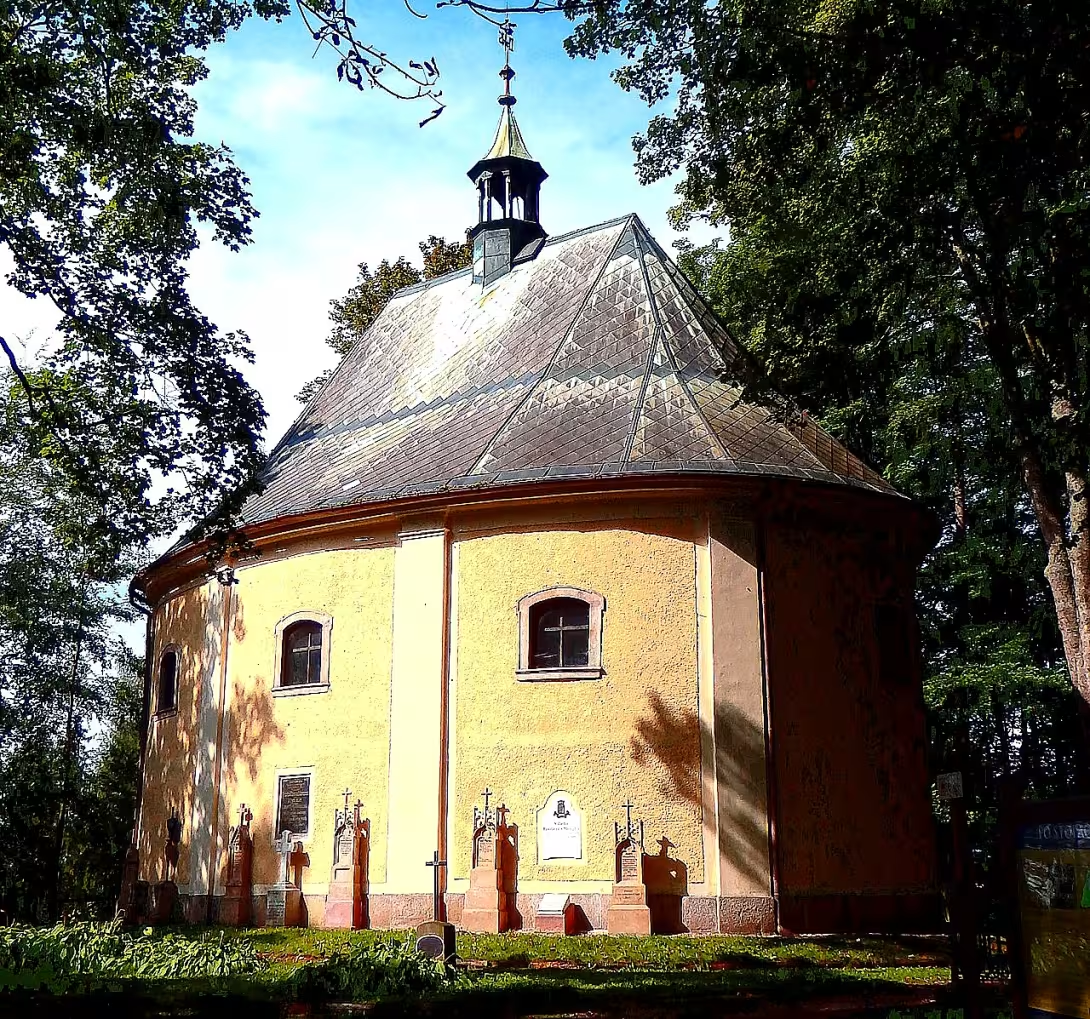
The Chapel of Saint John the Baptist in Trutnov is a Baroque sacred building located atop Jánský Hill. Originally constructed in 1712, it was destroyed by fire and rebuilt in its current form in 1811. This chapel holds significant historical importance as it witnessed pivotal events such as the Battle of Trutnov during the Austro-Prussian War in 1866. Today, it houses a small military museum, making it an intriguing site for visitors interested in both religious architecture and military history.
The origins of the Chapel date back to 1712 when Moric Dreyschock, a Trutnov citizen, commissioned its construction as a Baroque chapel dedicated to Saint John the Baptist. The initial structure was destroyed by fire in 1745, leading to subsequent rebuilding efforts. However, it faced further destruction at the hands of soldiers before being reconstructed and reopened in 1811. This period reflects the turbulent history of the region during which Bohemia was part of the Habsburg Monarchy, experiencing cultural flourishing under Baroque influences.
Architecturally, the chapel underwent significant changes over its history. Initially built in 1712, it was destroyed by fire and later demolished by soldiers. The reconstruction completed in 1811 reflects Baroque architectural elements typical of that era, although specific details about materials or design are not extensively documented. Despite these challenges, the chapel has retained its historical significance and structural integrity.
Throughout its history, the chapel experienced various administrative changes. After being rebuilt in 1811 by Děkan Leyer's efforts, it served as a site for local community gatherings until World War II. Post-war, the Trutnov Society of Veterans managed the chapel until their displacement led to a period of neglect. It wasn't until after 1989 that restoration efforts began, spearheaded by the city of Trutnov, which aimed to preserve and enhance this historical monument.
The chapel is notably linked to the Battle of Trutnov in 1866 during the Austro-Prussian War. Prussian forces attacked the area, engaging in combat within the chapel's walls. Despite being a site of conflict, the chapel still bears bullet holes from that battle, serving as a tangible reminder of its historical significance. This event marked one of the few victories for Prussian forces during the war.
Today, the Chapel stands not only as a religious site but also as a military museum and memorial. The surrounding area was transformed into a military cemetery between 1879 and 1880, further enhancing its historical significance. Visitors can explore the chapel's interior, view the bullet holes from the battle, and learn about the region's history through exhibits in the small military museum.
The Chapel of Saint John the Baptist is a testament to resilience and historical continuity. Its rich past, marked by reconstruction and conflict, offers visitors a unique glimpse into the cultural and military history of Trutnov. This site invites exploration for those interested in Baroque architecture, local history, and the broader narratives of Central European conflicts.
Then and now
Drag the slider to compare how the landmark may have looked when it was built with the view today.
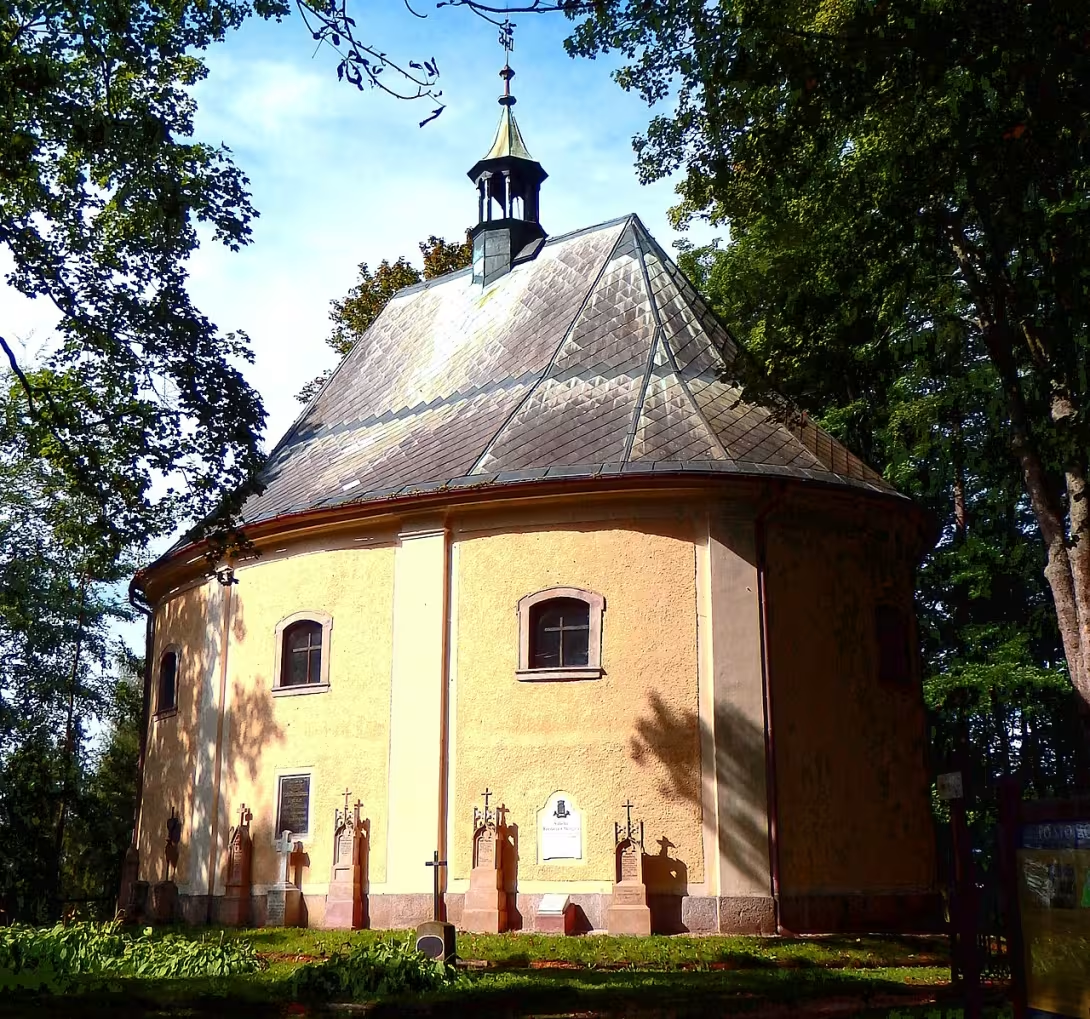

The historical appearance on the left is an AI-generated visualisation and serves as inspiration only.
Historical milestones
- 1712
- The Chapel of Saint John the Baptist was originally built.
- 1745
- The chapel was destroyed by fire.
- 1811
- The chapel was rebuilt in its current form.
- 1866
- Battle was fought inside the chapel during the Battle of Trutnov.
- 1879-1880
- A military cemetery was established nearby.
Architectural development
The Chapel of Saint John the Baptist underwent significant architectural changes over its history. Initially built in 1712, it was destroyed by fire and later demolished by soldiers. It was reconstructed in 1811, reflecting Baroque influences typical of that era.
Historical events
In 1712, Moric Dreyschock commissioned the construction of the original Baroque chapel dedicated to Saint John the Baptist.
The chapel was rebuilt in 1811 after being destroyed by fire and subsequent military demolition.
Points of interest
- Despite its turbulent history of destruction by fire and soldiers, the Chapel of Saint John the Baptist was rebuilt in 1811 to reflect Baroque architectural elements typical of that era, although specific details about materials or design are not extensively documented.
- The chapel served as a site for local community gatherings after being rebuilt in 1811 until World War II, highlighting its role beyond religious purposes and as a social hub within the Trutnov community.
- One of the few victories for Prussian forces during the Austro-Prussian War occurred at the Battle of Trutnov in 1866, where combat took place within the chapel's walls, leaving behind bullet holes that remain visible today.
- After World War II, the chapel fell into neglect when the Trutnov Society of Veterans was displaced, illustrating how political changes can impact local heritage sites and their preservation efforts.
- The area surrounding the chapel was transformed into a military cemetery between 1879 and 1880, adding another layer to its historical significance as both a site of conflict and a place of remembrance.
Guide
This guide is narrated by a synthetic voice generated by artificial intelligence.
Show guide text
This text was created by artificial intelligence and has not been editorially reviewed. It may contain inaccuracies.
Welcome to the enchanting Chapel of Saint John the Baptist, perched gracefully on Jánský Hill in Trutnov. As you stand here, take a moment to absorb its serene presence and historical aura that beckons you into its storied past.
Imagine stepping back in time to 1712 when this sacred building first rose from the ground, embodying the spiritual aspirations of its creators. However, fate had other plans, as flames engulfed it in 1745, leaving behind only memories and ashes. But like a phoenix rising, the chapel was reborn in 1811, its Baroque elements reflecting the architectural tastes and resilience of that era.
As you gaze upon the chapel today, notice how it stands as a testament to endurance and beauty despite its turbulent history. The Baroque style, though not extensively documented in detail, offers an air of elegance and grandeur that is palpable even without specific knowledge of materials or design intricacies.
Now, let your imagination transport you back to 1866, during the Austro-Prussian War, when this very site became a stage for the Battle of Trutnov. The chapel's walls, silent witnesses to history, echo with stories of valor and conflict from that pivotal moment in time.
In addition to its architectural allure, the chapel houses a small military museum today, offering insights into the region’s martial past. Just nearby, between 1879 and 1880, a military cemetery was established, further connecting this site to its historical significance.
While many details about the architects and specific historical figures remain shrouded in mystery, the essence of what makes this chapel remarkable is its ability to inspire awe and curiosity across centuries.
As you prepare to leave, let your mind linger on these tales of resilience and history. I invite you to explore further, discovering more secrets that Trutnov holds within its embrace. Thank you for joining me on this journey through time at the Chapel of Saint John the Baptist. Safe travels as you continue to uncover the wonders of our world.
Tips for visitors
The best time to visit the Chapel of Saint John the Baptist is during late spring or early autumn when the weather is mild, making it ideal for exploring both the chapel and its surroundings. This period also offers pleasant lighting conditions for photography, capturing the Baroque architecture in a soft natural light that enhances its historical beauty.
The area around Trutnov is well-served by buses, making it convenient for those traveling without a car. For families with children, consider bringing comfortable walking shoes as there will be some walking involved.
When visiting, bring along a camera or smartphone to capture the stunning views from Jánský Hill and the chapel itself. The hill offers excellent vantage points for photography, especially during sunrise or sunset when the light is soft and golden. Don't forget your water bottle and perhaps a snack, as there are limited facilities on site.
Nearby, within 30 minutes of travel, visitors can explore the military cemetery and memorial site that commemorates those who perished in the Battle of Trutnov. This area adds a poignant historical context to your visit, offering insights into the region's past conflicts. For families with children, this site provides an educational experience about history and remembrance.
Frequently asked questions
Can the monument be visited?
Religious buildings are usually open mainly during services; at other times a visit is normally arranged with the parish or the operator. We have not verified specific times.
Where is the monument?
Location: Trutnov, Královéhradecký kraj. The map on this page shows the exact spot.
Why is the monument protected?
It is listed in the Central List of Cultural Monuments of the Czech Republic as a cultural monument (register no. 12604/6-5992). It is protected as part of a larger listed ensemble.
Businesses nearby
Do you run a restaurant, accommodation, shop, museum, rental, wellness or other visitor service near this monument? Show yourself directly to the people heading to it — this is how they will see you in the app and on the web:
Nearby
The area around the Chapel of Saint John the Baptist has been transformed into a military cemetery and memorial site for those who perished in the Battle of Trutnov. This transformation occurred between 1879 and 1880, adding historical significance to its surroundings.
Accommodation nearby
Themed route
Thematic Walking Tour: Trutnov Military Cemetery and Chapel of Saint John the Baptist
1. Chapel of Saint John the Baptist (Trutnov)
Type: Historical Religious Site
Why Visit: Begin your journey at this charming chapel, dedicated to Saint John the Baptist. Built in a picturesque setting, it offers not only spiritual solace but also provides insight into local religious history and architecture.
2. Military Cemetery
Type: Memorial Site
Why Visit: Just outside the chapel lies the Military Cemetery, established between 1879 and 1880 to honor those who fell in the Battle of Trutnov. This site is a poignant reminder of the region's turbulent past and serves as a place for reflection on the sacrifices made during wartime.
3. Memorial Site
Type: Historical Monument
Why Visit: Adjacent to the cemetery, this memorial commemorates the fallen soldiers with inscriptions that narrate their bravery and dedication. It’s an essential stop for understanding the historical significance of the Battle of Trutnov and its impact on local history.
This thematic tour offers a profound exploration of Trutnov's military heritage, encapsulated within the serene surroundings of the chapel and its adjacent sites.
Seasonal recommendations
Spring: Visiting the Chapel of Saint John the Baptist during spring offers a refreshing experience as nature awakens with vibrant colors and blooming flowers, creating an enchanting atmosphere around Trutnov. The soft morning light beautifully illuminates the chapel's architecture, enhancing its historical charm. Visitors should be prepared for occasional rain showers, so wearing waterproof footwear is advisable. Early mornings or late afternoons are ideal times to visit as they tend to have fewer crowds and allow for a more serene experience.
Summer: Summer at the Chapel of Saint John the Baptist is characterized by lush greenery and warm weather, making it an excellent time for outdoor exploration in Trutnov's surroundings. The longer daylight hours provide ample opportunity to enjoy the chapel’s architecture under clear skies. However, this season also attracts more visitors, so planning your visit early in the morning can help avoid larger crowds. Comfortable walking shoes and light clothing are recommended due to the warmer temperatures.
Autumn: Autumn brings a picturesque transformation with its rich tapestry of reds, oranges, and yellows surrounding the chapel, offering a stunning backdrop for photography enthusiasts. The cooler weather makes it pleasant for leisurely walks around Trutnov while admiring the changing leaves. As days shorten, visiting in the late morning or early afternoon ensures you make the most of the natural light. Layered clothing is advisable to adjust comfortably to varying temperatures throughout the day.
Winter: Winter at the Chapel of Saint John the Baptist provides a serene and mystical experience as snow blankets the landscape around Trutnov, creating an ethereal atmosphere. Visitors should dress warmly with coats, hats, gloves, and sturdy boots for comfort and safety. Winter mornings often offer a quieter visitation experience before the day warms up slightly.
Visualizations and artistic views


The visualisations are generated by artificial intelligence and serve as inspiration.
Photos from the area
Real photos taken near the monument

Zdroj a licence jsou uvedeny u každého snímku.
Tips from visitors
No tips yet. Be the first!
Log in and add your tip.
Sources and literature
Photos: Ojiren / CC BY-SA 4.0 — Wikimedia Commons. The author and licence also appear when you hover over the image.
Faktickým podkladem tohoto textu byl článek na Wikipedii, jehož autory jsou přispěvatelé Wikipedie. Článek je dostupný pod licencí CC BY-SA 4.0.
Location on the map

Příběhy a pověsti
Legendy, pověsti a příběhy spjaté s touto památkou

Fotografie návštěvníků
Zatím žádné fotografie. Buďte první, kdo přidá fotografii z návštěvy!
Log in a přidejte svou fotografii nebo hodnoťte.
Za ověřenou návštěvu v aplikaci získáte víc bodů — poznáme podle GPS, že jste na místě.
Reviews and comments