






kaple svatého Kříže (Praha) Chapel
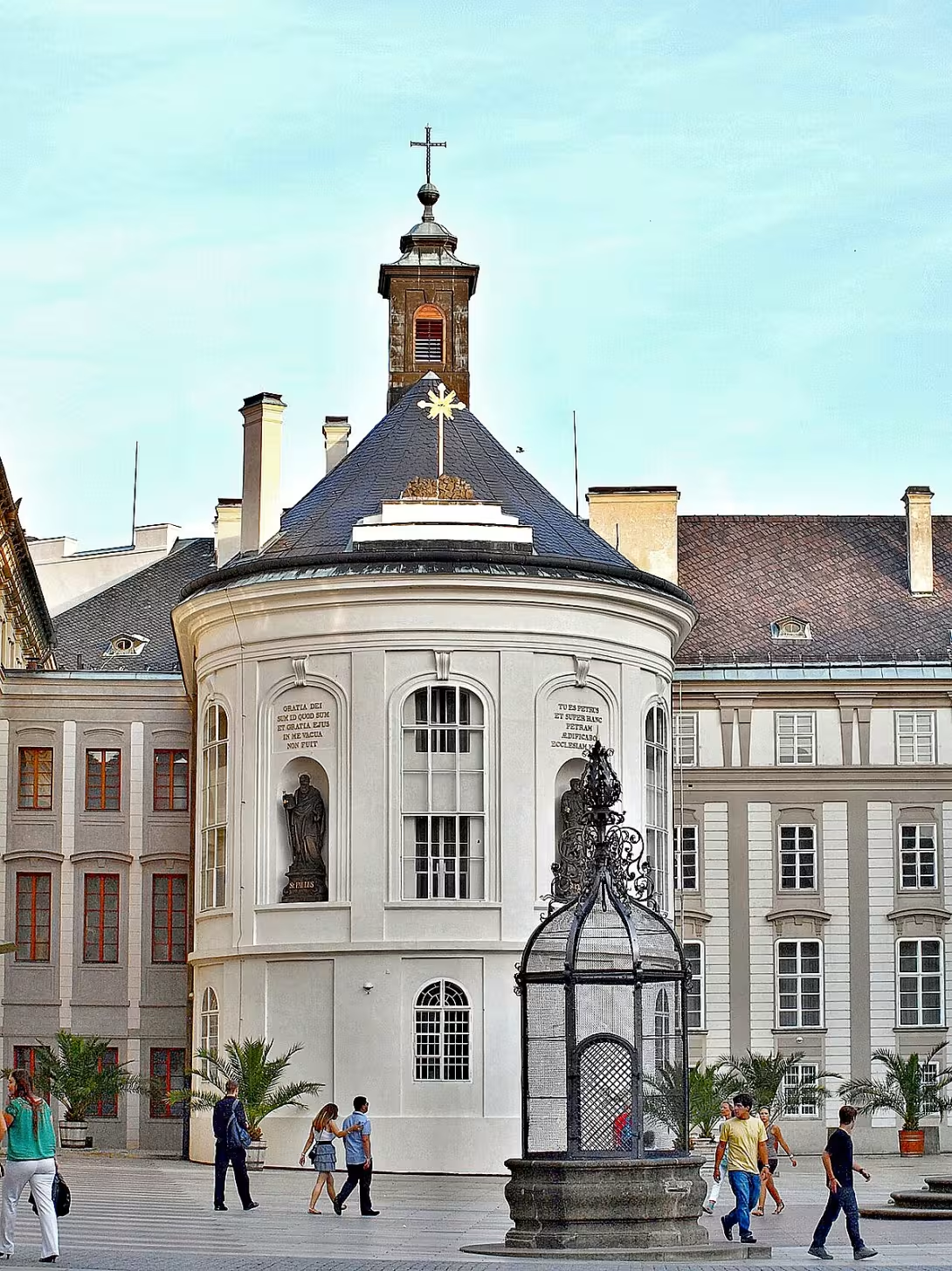
The Chapel of Saint Cross is located in the second courtyard of Prague Castle. It stands as an impressive late Baroque structure now serving as an exhibition hall for the Treasury of St. Vitus Cathedral. Built between 1756 and 1767 by Italian architect Anselm Martin Luraghi, following designs by Nicolo Pacassi, it replaced earlier buildings such as the construction office and coronation kitchen from 1723.
This chapel is notable not only for its architectural significance but also for its historical transformations and current role as a cultural treasure house. Constructed during Empress Maria Theresa's reign, an era marked by significant cultural and political developments within the Habsburg Monarchy, it aimed to modernize and centralize administration while promoting Baroque art and architecture.
Architecturally, the chapel features late Baroque style with mid-19th century modifications introducing Classicism and Historicism elements. The interior boasts walls adorned with white veined marble and a main altar crafted from dark slivenecký marble. Frescoes by Vilém Kandler depict biblical scenes, including figures like Isaiah, Daniel, David, Aaron, Esther, and Deborah. Sculptures by Emanuel Max and works by František Xaver Palko enhance its artistic value.
Ownership transitioned through various Habsburg rulers, notably Karel VI. and Marie Terezie. In 1848, it became associated with Emperor Ferdinand V. and his wife Anna Marie Pia, who commissioned modifications to accommodate their residence at Prague Castle. These changes included a royal oratory and decorative elements in white gilded stucco.
Throughout its history, the chapel has witnessed key events. After completion in 1767, mid-19th century modifications for Emperor Ferdinand V. were completed by 1856. Between 1960 and 1963, it was converted into an exhibition hall to house the Treasury of St. Vitus Cathedral, known as Klenotnice. This role continued until 1989, after which it served as a tourist information center. Since 2012, it has hosted exhibitions of the Svatovítský poklad.
Today, the Chapel of Saint Cross is accessible to visitors and serves as a testament to its rich historical tapestry and artistic heritage. Its transformation from a royal chapel to an exhibition space underscores its enduring cultural significance within Prague Castle's storied landscape. Visitors are invited to explore this unique monument, where history and art converge in a captivating setting.
Then and now
Drag the slider to compare how the landmark may have looked when it was built with the view today.
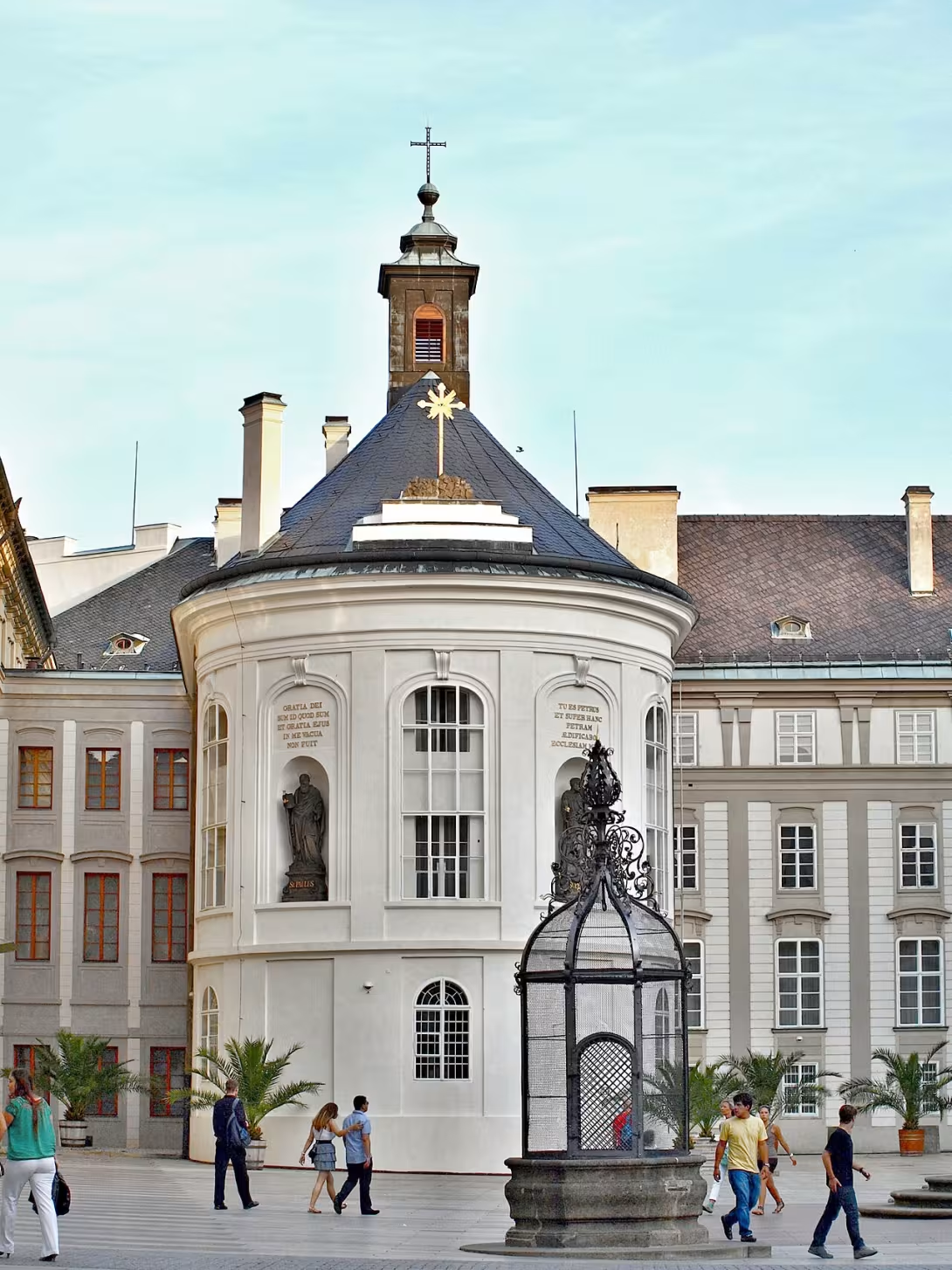
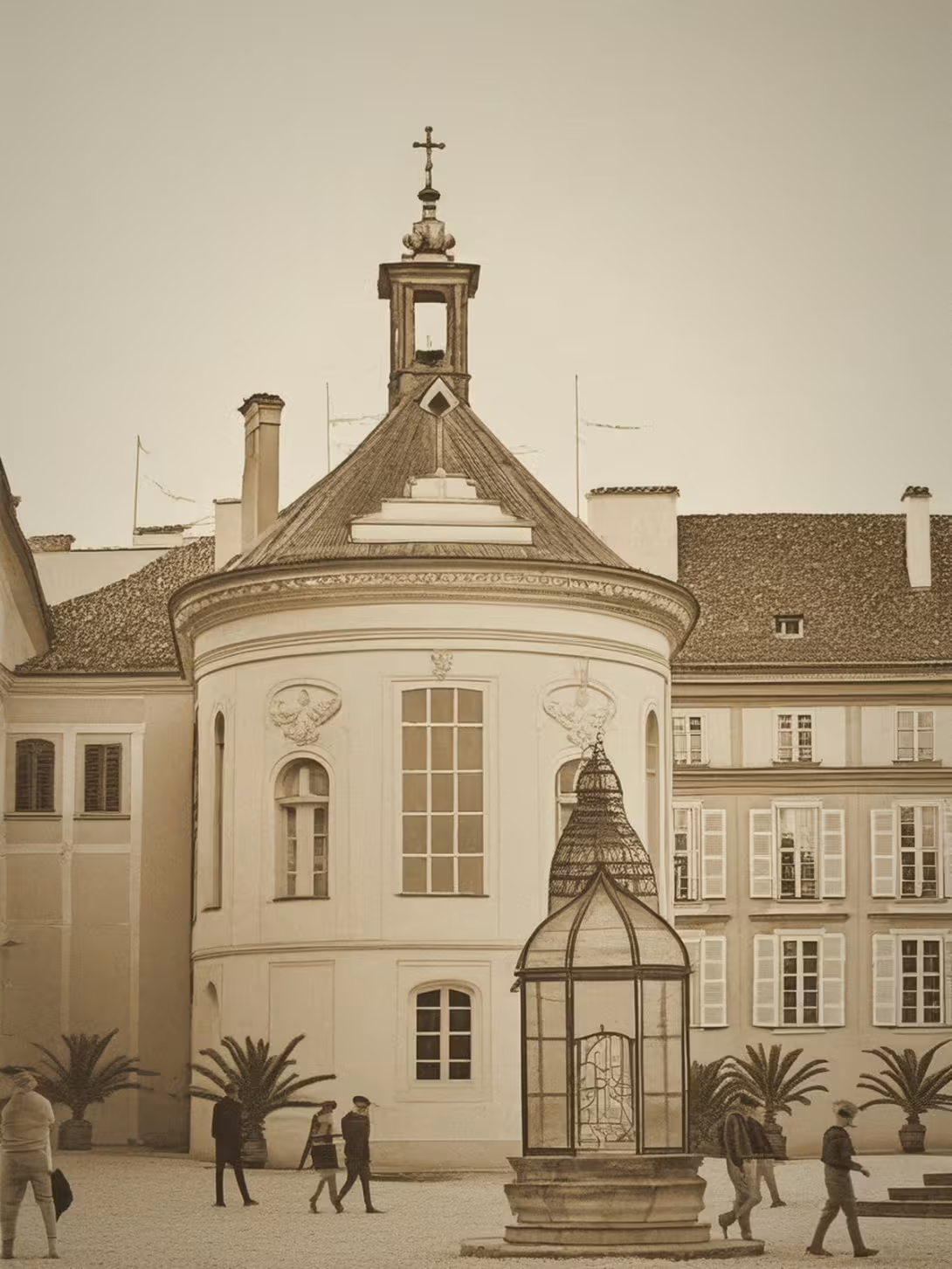
The historical appearance on the left is an AI-generated visualisation and serves as inspiration only.
Historical milestones
- 1756
- Construction of the chapel began.
- 1767
- Completion of the original Baroque structure.
- 1852
- Start of modifications for Emperor Ferdinand V.
- 1856
- Completion of mid-19th century modifications.
- 1960
- Chapel converted into an exhibition hall for the Treasury of St. Vitus Cathedral.
- 2012
- Exhibition of the Svatovítský poklad reopened in the chapel.
Architectural development
The chapel was initially constructed in a late Baroque style, with subsequent modifications in the mid-19th century introducing elements of Classicism and Historicism. The interior features white veined marble walls and a main altar made from dark slivenecký marble. Notable artworks include frescoes by Vilém Kandler and sculptures by Emanuel Max.
Historical events
Construction completed in 1767 by Anselm Martin Luraghi.
Mid-19th century modifications for Emperor Ferdinand V. (1852-1856).
Transformed into an exhibition hall for the Treasury of St. Vitus Cathedral between 1960 and 1963.
Owners
Originally part of Prague Castle under various Habsburg rulers, notably Karel VI. and Marie Terezie. In 1848, it became associated with Emperor Ferdinand V. and his wife Anna Marie Pia.
Points of interest
- The Chapel of Saint Cross was initially built to replace the coronation kitchen from 1723 and construction office, highlighting its role in modernizing Prague Castle's administrative functions during Empress Maria Theresa’s reign.
- One of the chapel's unique architectural features includes mid-19th century modifications that introduced elements of Classicism and Historicism, blending styles with its original late Baroque design to accommodate royal tastes.
- The frescoes by Vilém Kandler inside the chapel depict a range of biblical figures such as Isaiah, Daniel, David, Aaron, Esther, and Deborah, showcasing a rich tapestry of religious artistry that adds depth to its historical narrative.
- In 1848, Emperor Ferdinand V. and his wife Anna Marie Pia commissioned changes to transform part of the chapel into their royal oratory, reflecting how personal preferences of Habsburg rulers directly influenced the chapel’s evolution over time.
- After serving as an exhibition hall for the Treasury of St. Vitus Cathedral from 1960 to 1989, the chapel was repurposed as a tourist information center before finally becoming part of the Svatovítský poklad exhibitions in 2012, illustrating its dynamic role within Prague Castle's history.
Guide
This guide is narrated by a synthetic voice generated by artificial intelligence.
Show guide text
This text was created by artificial intelligence and has not been editorially reviewed. It may contain inaccuracies.
Welcome to the Chapel of Saint Cross, a remarkable gem nestled within the second courtyard of Prague Castle. As you stand here, imagine stepping back in time to an era when this late Baroque structure was first taking shape under the guidance of Italian architect Anselm Martin Luraghi and designed by Nicolo Pacassi.
The story of this chapel begins in 1756, commissioned during a period of transformation under Empress Maria Theresa. Its purpose was not only spiritual but also administrative, as it replaced older buildings like the coronation kitchen from 1723 and the construction office. This strategic move reflected a broader effort to modernize Prague Castle's functions.
As you gaze upon the chapel now serving as an exhibition hall for the Treasury of St. Vitus Cathedral, notice its elegant Baroque architecture. The design elements speak volumes about its historical significance and artistic heritage. While you can't see every detail through your slouches, imagine the intricate stonework and harmonious proportions that define this space.
The chapel's history is intertwined with notable figures such as Karel VI., Marie Terezie, Ferdinand V., and Anna Marie Pia. Each left an indelible mark on its legacy. In 1852, Emperor Ferdinand V initiated modifications to the structure, which were completed by 1856. These changes further enhanced its grandeur.
A fascinating aspect of this chapel is how it has evolved over time. By 1960, it had been repurposed as an exhibition hall for the Treasury of St. Vitus Cathedral, and in 2012, the Svatovítský poklad was reopened here, inviting visitors to explore its rich treasures.
As you continue your exploration, take a moment to appreciate how this place has witnessed centuries of history while maintaining its architectural beauty. The Chapel of Saint Cross is more than just a building; it's a living testament to the past and an invitation to delve deeper into Prague Castle's storied legacy.
Thank you for joining us on this journey through time. We encourage you to continue exploring, discovering new stories and insights as you wander through this historic site. Enjoy your visit!
Frequently asked questions
Can the monument be visited?
Religious buildings are usually open mainly during services; at other times a visit is normally arranged with the parish or the operator. We have not verified specific times.
Where is the monument?
Location: Praha, Hlavní město Praha. The map on this page shows the exact spot.
Why is the monument protected?
It is listed in the Central List of Cultural Monuments of the Czech Republic as a national cultural monument. It is protected as part of a larger listed ensemble.
Businesses nearby
Do you run a restaurant, accommodation, shop, museum, rental, wellness or other visitor service near this monument? Show yourself directly to the people heading to it — this is how they will see you in the app and on the web:
Events nearby

Zdroj akcí: otevřená data měst a obcí ČR (Národní katalog otevřených dat) a kalendář akcí Národního památkového ústavu.
Nearby
Located within Prague Castle, one of Europe's largest castle complexes. The surrounding area includes other historical sites such as St. Vitus Cathedral and various royal palaces.
Accommodation nearby
Trips and activities nearby
Guided tours, tickets and activities nearby from GetYourGuide
Affiliate link: if you buy from the partner, we may receive a commission. The price for you does not change.
Search tours and activities →Themed route
Tematická výletní trasa: Historické a duchovní centrum Pražského hradu
1. Kaple svatého Kříže
Typ: Kaple
Proč stojí za návštěvu: Tato kaple, nacházející se v srdci Pražského hradu, je jednou z nejstarších a nejslavnějších kaplí na hradním areálu. Je známá svými historickými reliéfy a sloužila jako pohřebiště českých králů, což ji činí klíčovým místem pro pochopení duchovního a politického vlivu na českou historii.
2. Katedrála svatého Víta
Typ: Katedrála
Proč stojí za návštěvu: Nachází se pouhých pár minut chůze od Kaple svatého Kříže a je ikonickým symbolem Prahy. Tato gotická katedrála, která byla postavena na počest svatého Víta, českého patrona, přitahuje návštěvníky svou architektonickou krásou a historií. Její výhledy z věže jsou nezapomenutelné a nabízejí jedinečný pohled na Prahu.
3. Královská síň
Typ: Historický interiér
Proč stojí za návštěvu: Tato slavná sál, nacházící se v okolí Katedrály svatého Víta, je známá jako místo korunovací českých králů a císařů. Její bohatě zdobený interiér, včetně fresk a stropních malbách, poskytuje pohled do minulosti a ilustruje historickou důležitost Pražského hradu jako centra moci.
4. Kaple svaté Anny
Typ: Kaple
Proč stojí za návštěvu: Nachází se blízko Katedrály svatého Víta a sloužila jako pohřebiště českých králů od 14. století. Její jednoduchý, ale výrazný gotický design nabízí kontrast k bohatšímu interiéru Katedrály svatého Víta a poskytuje klidné místo pro reflexi nad historickými událostmi, které se zde odehrávaly.
Tato trasa nabízí návštěvníkům hluboký pohled do duchovního a politického vlivu Pražského hradu na českou historii, přičemž každý z těchto bodů poskytuje jedinečné poznatky o jeho minulosti.
Seasonal recommendations
Spring: Visiting the Chapel of St. Cross during spring offers a refreshing experience as nature awakens around its historic walls. The blooming flowers and lush greenery create a vibrant backdrop, enhancing the chapel's serene atmosphere with gentle light filtering through the windows. This season is ideal for those who appreciate the harmonious blend of architecture and natural beauty. With moderate visitor numbers, it’s an excellent time to explore without the crowds typical in other seasons. To make the most of your visit, wear comfortable walking shoes suitable for potentially damp conditions, and consider visiting mid-week when the chapel might be less crowded.
Summer: The Chapel of St. Cross in summer is bathed in bright sunlight, casting a warm glow on its intricate details and highlighting the vibrant colors of nearby gardens. This season attracts more visitors due to pleasant weather, making it perfect for sightseeing. However, the increased foot traffic can mean longer wait times at popular sites. To enjoy your visit comfortably, arrive early in the morning or later in the afternoon to avoid peak hours. Dress lightly but bring a hat and sunscreen for protection against strong sunlight, ensuring an enjoyable experience amidst the summer buzz.
Autumn: Autumn transforms the Chapel of St. Cross into a picturesque scene with its rich tapestry of reds, oranges, and yellows. The cool air enhances the chapel's tranquil ambiance, making it a delightful time to appreciate both history and nature. This season sees fewer visitors compared to summer, offering a quieter experience. As days grow shorter, plan your visit during daylight hours for optimal lighting and atmosphere. Layered clothing is recommended to accommodate fluctuating temperatures, ensuring you stay comfortable while exploring the chapel's beauty against an autumnal backdrop.
Winter: Winter envelops the Chapel of St. Cross in a serene, almost mystical atmosphere with its snow-dusted surroundings and soft, diffused light from frosted windows. The cold weather results in fewer visitors, providing a peaceful setting to appreciate the chapel’s historic charm without distraction. Dress warmly in layers and wear waterproof footwear to navigate any icy paths comfortably. A winter visit offers a unique perspective on this historical site, with its quiet beauty magnified by the season's stillness.
Visualizations and artistic views


The visualisations are generated by artificial intelligence and serve as inspiration.
Photos from the area
Real photos taken near the monument


Zdroj a licence jsou uvedeny u každého snímku.
Atmosphere of the place
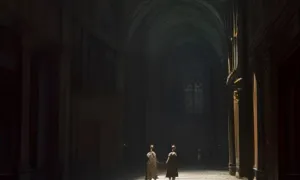
This atmospheric visualisation of the place and period was generated by artificial intelligence. It is not real footage of the location.
Tips from visitors
No tips yet. Be the first!
Log in and add your tip.
Sources and literature
Photos: VitVit / CC BY-SA 4.0 — Wikimedia Commons. The author and licence also appear when you hover over the image.
Faktickým podkladem tohoto textu byl článek na Wikipedii, jehož autory jsou přispěvatelé Wikipedie. Článek je dostupný pod licencí CC BY-SA 4.0.
Location on the map

Příběhy a pověsti
Legendy, pověsti a příběhy spjaté s touto památkou
Fotografie návštěvníků
Zatím žádné fotografie. Buďte první, kdo přidá fotografii z návštěvy!
Log in a přidejte svou fotografii nebo hodnoťte.
Za ověřenou návštěvu v aplikaci získáte víc bodů — poznáme podle GPS, že jste na místě.
Reviews and comments