






kaple svatého Vojtěcha (Neratovice) Chapel
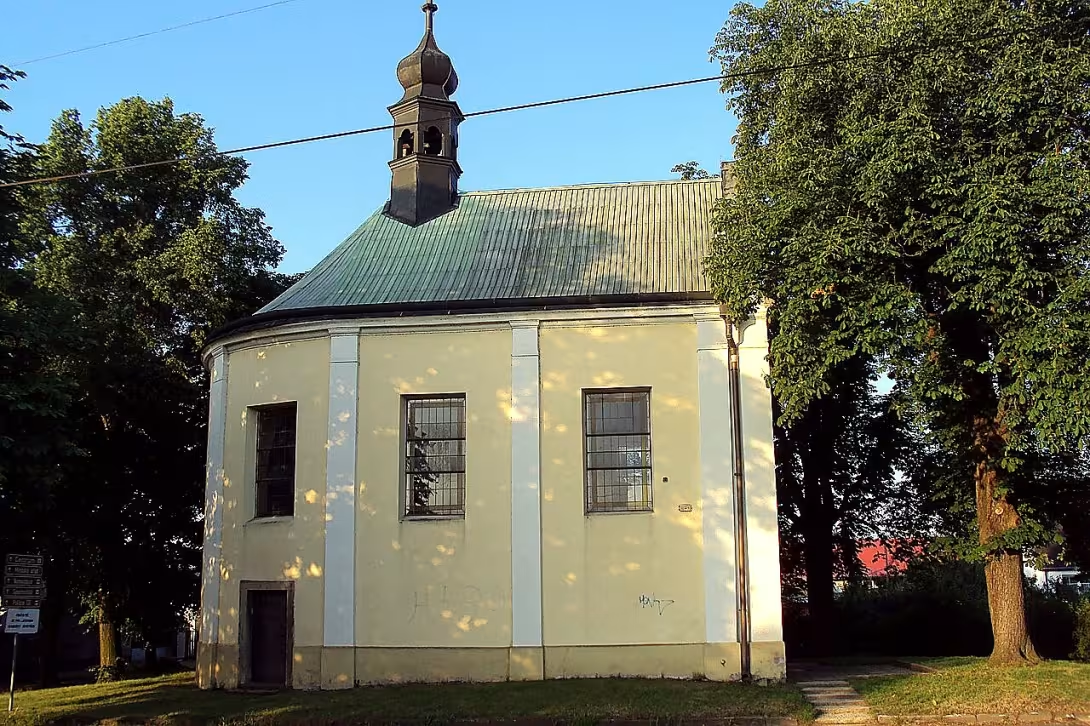
The Chapel of Saint Vojtěch in Neratovice is an early Baroque structure located midway along Vojtěšská Street, at the boundary between Neratovice and Libiše. Historically known as "V Hájku," it was built in the mid-17th century. This chapel holds cultural significance due to its association with the legend of Saint Václav. It is protected as a cultural monument and serves occasional religious purposes by the Roman Catholic parish of Neratovice.
Commissioned in 1666 by Count Ferdinand Vilém Slavata, on Bohuslav Balbín's suggestion, the chapel was constructed to honor Saint Vojtěch. The site is linked to a legend where Saint Václav was allegedly robbed by pagan ferrymen while traveling from Staré Boleslavi. According to tradition, these men pursued him after he blessed them without paying for their ferry service across the Elbe River and struck him down at this location. This event led to the derogatory nickname "zouváci" for Neratovice's inhabitants.
Architecturally, the chapel is a rectangular structure with a semicircular closure and decorative façade, characteristic of early Baroque design. It features a gabled roof from which rises a hexagonal belfry known as a 'sanktusník.' The interior boasts unique wooden baroque altars, including an unusual one made from oak that encircles an oval image of Saint Vojtěch, with additional oval images of other Czech saints nestled among its branches. Painted baroque benches further enhance the chapel's historical ambiance.
The chapel has undergone several modifications since its original construction in the second half of the 17th century. Despite these changes, it retains significant elements that reflect its Baroque origins and cultural heritage. A notable feature is a stone embedded in the floor before the altar, believed to preserve the imprint of Saint Vojtěch's staff or footprints.
Today, the Chapel of Saint Vojtěch remains under the care of the Roman Catholic parish of Neratovice. It is occasionally opened for events such as 'Noc kostelů' (Night of Churches), allowing visitors to explore its historical and architectural significance. The chapel stands not only as a testament to the artistic trends of the Baroque period but also as a site steeped in local legend and history.
Visiting this monument offers a glimpse into the rich cultural tapestry of 17th-century Bohemia, providing insight into both religious practices and architectural developments of the time. Its preservation as a cultural monument ensures that future generations can appreciate its historical value and unique charm.
Then and now
Drag the slider to compare how the landmark may have looked when it was built with the view today.
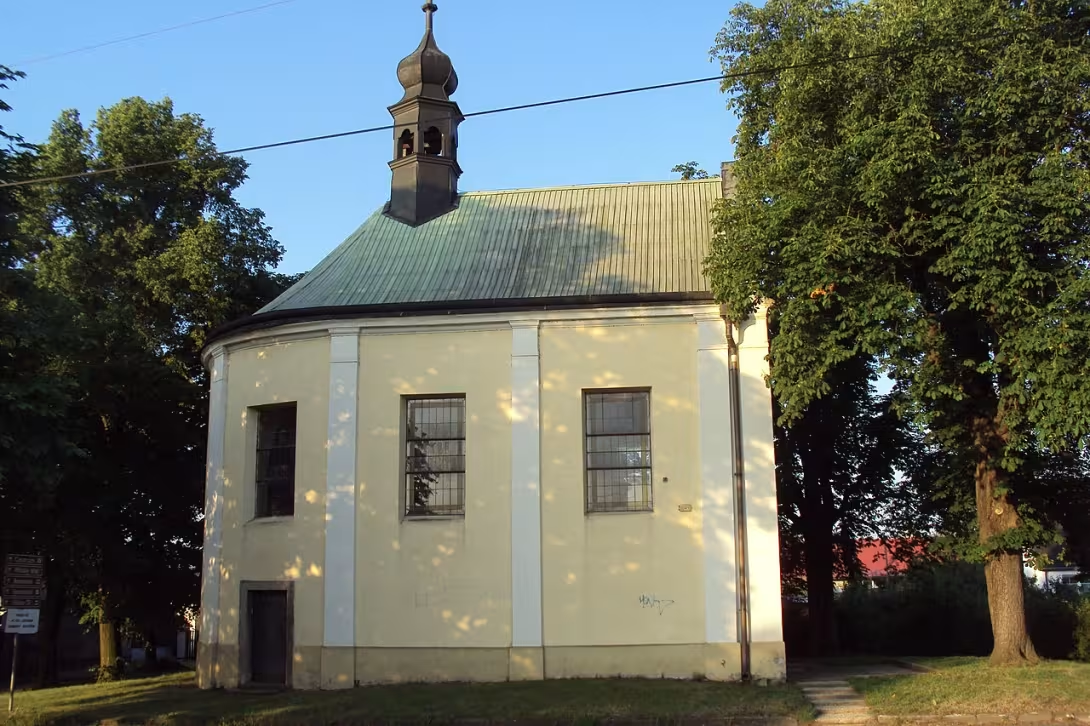
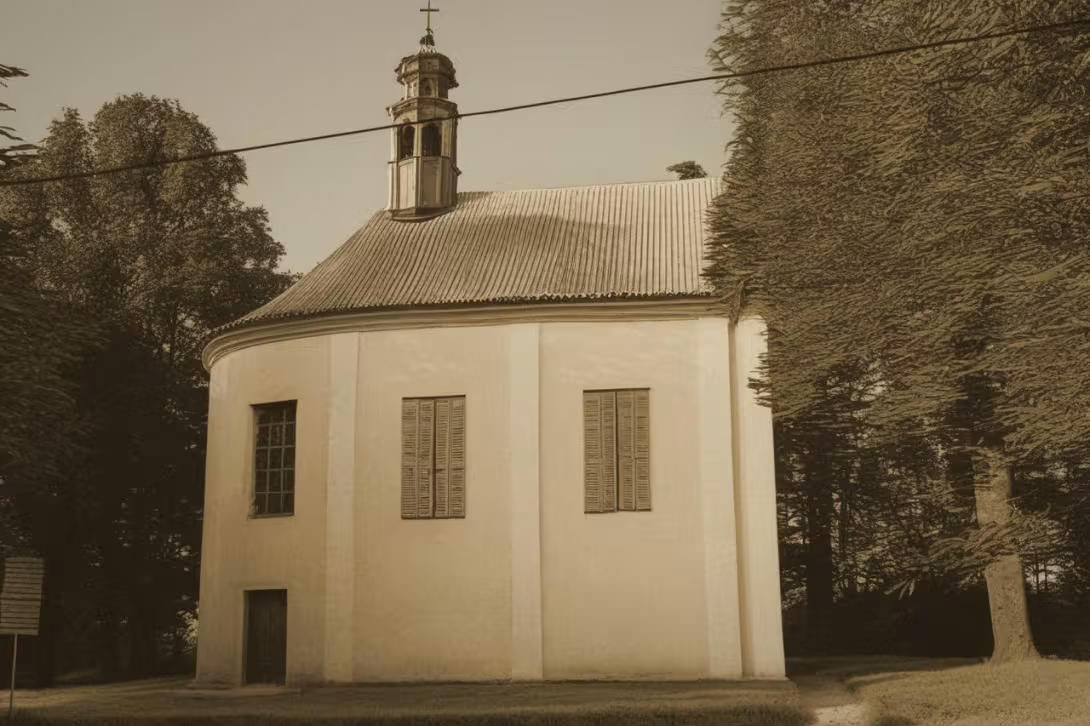
The historical appearance on the left is an AI-generated visualisation and serves as inspiration only.
Historical milestones
- 1666
- The chapel was built by Count Ferdinand Vilém Slavata on the suggestion of Bohuslav Balbín.
Architectural development
Constructed as an early Baroque edifice, the Chapel features a rectangular structure with a semicircular closure and decorative façade. It has a gabled roof from which rises a hexagonal belfry known as a 'sanktusník'. The interior includes unique wooden baroque altars and painted baroque benches.
Historical events
In 1666, Count Ferdinand Vilém Slavata commissioned the construction of this pilgrimage chapel to Saint Vojtěch on the suggestion of Bohuslav Balbín.
The chapel is linked to a legend where Saint Václav was allegedly robbed by pagan ferrymen at this location.
Points of interest
- Despite its Baroque origins, the Chapel of Saint Vojtěch features a unique wooden altar made from oak that encircles an oval image of Saint Vojtěch, showcasing an unusual artistic approach uncommon in typical Baroque designs. - A stone embedded in the chapel's floor is believed to preserve the imprint of Saint Vojtěch’s staff or footprints, adding a mystical element to its historical narrative and attracting visitors curious about this legendary mark.
- The chapel was originally known as "V Hájku," reflecting its location at the boundary between Neratovice and Libiše, which ties into local lore and adds depth to its cultural significance beyond just architectural interest. - The nickname "zouváci" given to the inhabitants of Neratovice stems from a legend involving Saint Václav being struck down by pagan ferrymen, illustrating how historical events can influence community identity over centuries.
- Architecturally, the chapel's hexagonal belfry or 'sanktusník' rising from its gabled roof is an uncommon feature that distinguishes it within early Baroque structures and highlights regional variations in architectural styles.
Guide
This guide is narrated by a synthetic voice generated by artificial intelligence.
Show guide text
This text was created by artificial intelligence and has not been editorially reviewed. It may contain inaccuracies.
Welcome to the enchanting Chapel of Saint Vojtěch in Neratovice, a testament to early Baroque architecture nestled within this picturesque locale in Středočeský kraj. As you stand here, take a moment to absorb the serene atmosphere surrounding this cultural monument. Its modest yet captivating presence speaks volumes about its historical significance and artistic heritage.
The chapel was constructed in 1666 by Count Ferdinand Vilém Slavata, guided by the suggestion of Bohuslav Balbín. This period marked an era where art and architecture were deeply intertwined with religious devotion and local legends. The Chapel of Saint Vojtěch is no exception; it holds a special place in cultural history due to its connection with the legend of Saint Václav, reflecting the artistic trends of the mid-17th century.
As you look around, notice the chapel's harmonious design elements that epitomize early Baroque style. Although specific architects remain unknown, the structure itself serves as a canvas showcasing the era’s architectural sensibilities. The exterior invites contemplation with its simple yet elegant lines, encouraging visitors to pause and reflect on the craftsmanship of the time.
Within this sacred space, one cannot help but be drawn to the chapel's unique wooden altar. Crafted from oak, it encircles an oval image of Saint Vojtěch in a manner that is both unusual and captivating for Baroque design. This artistic choice highlights a distinct approach, setting it apart from more traditional Baroque altars.
The history of this place is enriched by the figures who contributed to its creation—Count Ferdinand Vilém Slavata and Bohuslav Balbín. Their vision brought forth a structure that not only serves religious purposes but also stands as a cultural beacon in Neratovice, under the care of the Roman Catholic parish.
A particularly intriguing feature lies at your feet—a stone embedded within the chapel's floor. It is believed to preserve something significant, adding an element of mystery and inviting further exploration into its story.
As you continue to explore this charming site, let yourself be immersed in the history and artistry that envelops you. Each step offers a deeper connection to the past and an appreciation for the cultural narratives preserved within these walls.
Thank you for joining us on this journey through time at the Chapel of Saint Vojtěch. We hope your visit has been enlightening, leaving you with memories to cherish as you move forward in your exploration of Neratovice's rich heritage.
Tips for visitors
The best time to visit the Chapel of Saint Wenceslas in Neratovice is during late spring or early autumn, when the weather is pleasant for walking and exploring the surrounding areas. This period offers a comfortable climate that enhances your experience without the crowds typically seen during peak tourist seasons. The soft natural light during these months also provides excellent conditions for photography.
When visiting the Chapel of Saint Wenceslas, it's recommended to bring comfortable walking shoes as well as weather-appropriate clothing, especially if planning to explore the surrounding areas. A small backpack with water, snacks, and perhaps a camera or smartphone for capturing photos would be beneficial. Additionally, carrying a map or using a GPS app can help you navigate the area more easily.
For photography enthusiasts, the chapel offers several interesting angles due to its early Baroque architecture. The best light is typically found during the golden hours of sunrise and sunset when the soft lighting accentuates the chapel's details. Consider capturing images from both inside and outside the chapel for a varied perspective. Be mindful of any restrictions on flash photography within the chapel.
Nearby, within a 30-minute drive or walk, you can visit Neratovice itself to explore its charming streets and local attractions. The proximity to Libiše also offers opportunities for further exploration. For families with children, consider planning a day trip that includes a picnic in one of the nearby parks, allowing kids to enjoy some outdoor playtime while adults appreciate the historical sites.
Frequently asked questions
Can the monument be visited?
Religious buildings are usually open mainly during services; at other times a visit is normally arranged with the parish or the operator. We have not verified specific times.
Where is the monument?
Location: Vojtěšská, Neratovice, Středočeský kraj. The map on this page shows the exact spot.
Why is the monument protected?
It is listed in the Central List of Cultural Monuments of the Czech Republic as a cultural monument (register no. 29395/2-1392).
Businesses nearby
Do you run a restaurant, accommodation, shop, museum, rental, wellness or other visitor service near this monument? Show yourself directly to the people heading to it — this is how they will see you in the app and on the web:
Accommodation nearby
Trips and activities nearby
Guided tours, tickets and activities nearby from GetYourGuide
Affiliate link: if you buy from the partner, we may receive a commission. The price for you does not change.
Search tours and activities →Themed route
Thematic Vltava River Cultural Heritage Trail
1. Kaple svatého Vojtěcha (Neratovice) - Type: Chapel - Why Visit: This charming chapel, dedicated to Saint Wenceslas, is a serene spot rich in local history and spiritual significance. Its peaceful setting offers visitors an opportunity to reflect on the cultural heritage of Neratovice.
2. Neratovický rybník (Neratovice Pond) - Type: Historical Pond - Why Visit: Located a short walk from the chapel, this pond is part of the traditional landscape that has supported local agriculture and fishing for centuries. It offers picturesque views and a tranquil environment perfect for nature lovers.
3. Staré Město (Old Town) - Type: Historic Village - Why Visit: Just a brief stroll from the pond, the Old Town area showcases traditional architecture and provides insights into the historical development of Neratovice. Walking through this area allows visitors to appreciate the village's evolution over time.
4. Neratovická fara (Church of St. James) - Type: Church - Why Visit: Situated near the Old Town, this church is a testament to the region’s religious history and architectural beauty. Its serene atmosphere makes it an ideal place for contemplation and appreciation of local artistry.
5. Neratovické nádraží (Neratovice Railway Station) - Type: Historical Site - Why Visit: This station marks the historical significance of transportation in Neratovice, connecting it with broader regions. It serves as a reminder of how railways have shaped local and regional development.
This trail offers a journey through the cultural and historical heart of Neratovice, highlighting its unique heritage along the Vltava River.
Seasonal recommendations
Spring: The chapel of Saint Vojtěch in Neratovice is particularly enchanting during the spring as nature awakens around it, with blooming flowers and fresh greenery enhancing its serene atmosphere. This season offers a gentle balance between mild weather and fewer visitors compared to summer, making it an ideal time for those seeking tranquility. Visitors are advised to wear comfortable layers due to variable temperatures, which can range from cool mornings to warmer afternoons. Arriving in the late morning allows you to enjoy a peaceful visit while avoiding any potential early spring chill.
Summer: Summer is the peak season for visiting the chapel, with long daylight hours providing ample time to explore its beauty under bright sunshine. The lush surroundings are at their most vibrant, offering picturesque views and an inviting atmosphere for outdoor activities or simply relaxing in nature's embrace. However, this popularity can mean larger crowds, so it’s recommended to arrive early in the morning to avoid the midday rush. Light, breathable clothing is advisable due to warmer temperatures, along with sun protection such as hats and sunscreen.
Autumn: Autumn brings a unique charm to the chapel of Saint Vojtěch, with the surrounding landscape turning into a tapestry of warm colors from reds to golds. The cooler weather makes for comfortable exploration without the summer heat, and the reduced number of visitors allows for a more intimate experience. This is an excellent time for photography enthusiasts looking to capture the seasonal beauty. Visitors should dress in layers to accommodate the changing temperatures throughout the day and consider bringing a light jacket or sweater as evenings can be brisk.
Winter: The chapel takes on a magical quality during winter, with snow-covered surroundings creating a serene and picturesque setting that feels like stepping into a postcard. It's important to dress warmly in layers, including thermal wear and insulated outerwear, along with gloves and hats. Early arrival is recommended not only to avoid any potential closures due to inclement weather but also to ensure enough time to enjoy the winter wonderland atmosphere before closing.
Visualizations and artistic views


The visualisations are generated by artificial intelligence and serve as inspiration.
Photos from the area
Real photos taken near the monument


Zdroj a licence jsou uvedeny u každého snímku.
Tips from visitors
No tips yet. Be the first!
Log in and add your tip.
Sources and literature
Photos: Barocco / CC0 — Wikimedia Commons. The author and licence also appear when you hover over the image.
Faktickým podkladem tohoto textu byl článek na Wikipedii, jehož autory jsou přispěvatelé Wikipedie. Článek je dostupný pod licencí CC BY-SA 4.0.
Location on the map
Příběhy a pověsti
Legendy, pověsti a příběhy spjaté s touto památkou

Fotografie návštěvníků
Zatím žádné fotografie. Buďte první, kdo přidá fotografii z návštěvy!
Log in a přidejte svou fotografii nebo hodnoťte.
Za ověřenou návštěvu v aplikaci získáte víc bodů — poznáme podle GPS, že jste na místě.
Reviews and comments