






Kaplička svatých Petra a Pavla Niche chapel
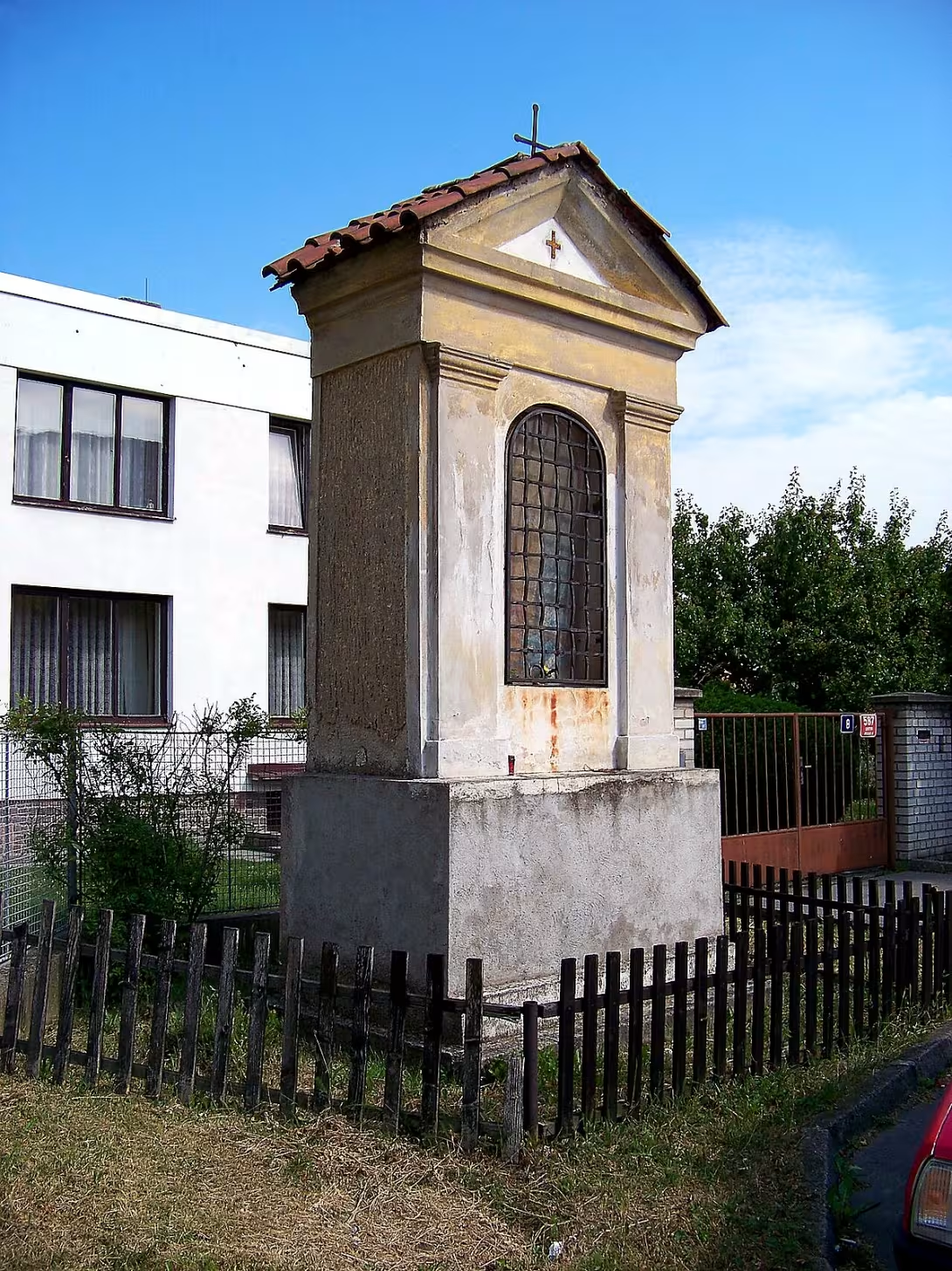
The Chapel of Saints Peter and Paul is a classicist niche chapel situated in Praha-Lhotka. This small yet notable monument dates back to the early 19th century, an era characterized by Classicism's prevalence in architecture and a shift towards more restrained, symmetrical forms. The chapel likely was constructed in the first half of the 19th century, featuring a vaulted niche flanked by Tuscan pilasters and a protective wrought-iron grille.
The origin of the chapel remains somewhat shrouded in mystery, but it is believed to have been built as a memorial to the Napoleonic Wars, which ended around 20 years prior. The exact date of its construction remains unknown, but it is thought to have taken place during the first half of the 19th century.
The chapel's architecture and artistic form are characterized by its classicist style, featuring a vaulted niche housing a mosaic depicting Saints Peter and Paul alongside the crucified Christ. This artwork is protected by a decorative wrought-iron grille. Tuscan pilasters add to the chapel's overall sense of elegance and restraint.
Little is recorded about the ownership or administration of the chapel, as it was likely a small, local place of worship. However, in 1958, the chapel was officially placed under heritage protection, recognizing its cultural significance.
The chapel's key event is its construction during the early 19th century, reflecting the prevailing architectural styles and artistic forms of the time. The mosaic within the chapel also provides insight into the artistic tastes of the era.
Today, the Chapel of Saints Peter and Paul remains an important cultural landmark in Praha-Lhotka. Visitors can still admire the chapel's beautiful architecture and artwork up close, making it a worthwhile stop for anyone interested in history and culture.
Historical milestones
- early 19th century
- Construction of the chapel likely took place during this time period
- around 1810
- Napoleonic Wars ended, possibly influencing the construction of the chapel as a memorial
- 1958
- Chapel officially placed under heritage protection
Architectural development
The chapel was built in the classicist style, likely during the first half of the 19th century. Its architectural design features a vaulted niche flanked by Tuscan pilasters and a protective wrought-iron grille.
Historical events
In 1958, the chapel was officially placed under heritage protection.
Points of interest
– The Chapel of Saints Peter and Paul is a classicist niche chapel situated in Praha-Lhotka.
– This small yet notable monument dates back to the early 19th century, an era characterized by Classicism's prevalence in architecture and a shift towards more restrained, symmetrical forms.
– The chapel likely was constructed in the first half of the 19th century, featuring a vaulted niche flanked by Tuscan pilasters and a protective wrought-iron grille.
– In 1958, the chapel was officially placed under heritage protection, recognizing its cultural significance.
– Today, the Chapel of Saints Peter and Paul remains an important cultural landmark in Praha-Lhotka.
Guide
Show guide text
This text was created by artificial intelligence and has not been editorially reviewed. It may contain inaccuracies.
Welcome to this quiet and reflective corner of Praha-Lhotka. As you stand here, take a moment to simply breathe and look at the structure right in front of you. You are looking at the Kaplička svatých Petra a Pavla, a modest yet deeply evocative piece of history that blends into the landscape of the neighborhood. At first glance, it may seem like a small architectural detail, but as you focus your attention, you will realize that this niche chapel is a window into a different era, offering a sense of stillness and devotion that has persisted through the centuries.
Let us step back in time to understand how this place came to be. The Kaplička svatých Petra a Pavla was likely constructed in the first half of the 19th century. To truly appreciate this, we have to imagine the world at that time. The early 1800s were a period of immense transition across Europe. Specifically, around the year 1810, the continent was reeling from the aftermath of the Napoleonic Wars. These conflicts reshaped borders, toppled empires, and left a profound mark on the psyche of the people. While we do not have a recorded name of a specific architect or a detailed diary entry explaining the exact reason for its construction, historians suggest that the chapel may have been built as a memorial or a gesture of gratitude following the end of those turbulent wars. It stands as a silent witness to a time when communities sought solace and spiritual grounding after years of continental chaos.
Now, I invite you to look closer at the architecture. This is a classicist niche chapel, and the style of Classicism is very evident here. If you observe the overall form, you will notice a commitment to symmetry, order, and a return to the purity of ancient forms. Please direct your attention to the sides of the central opening. You will see Tuscan pilasters framing the structure. These are essentially flattened columns attached to the wall, designed in the Tuscan order, which is known for being the simplest and sturdiest of the classical orders. There are no ornate carvings or complex flourishes here; instead, the beauty lies in the clean lines and the sense of stability they provide.
Now, look upward into the vaulted niche. This curved ceiling creates a protective, intimate space for the artwork held within. Inside this niche, you will find the heart of the monument: a mosaic depicting Saints Peter and Paul, shown together with the crucified Christ. As you gaze at the mosaic, consider the symbolism. Peter and Paul are often regarded as the two pillars of the early Christian church, representing different paths of faith and leadership, yet united in their devotion. Their presence here, alongside the image of the crucified Christ, transforms this small architectural element into a powerful site of contemplation. To ensure the preservation of this delicate artwork, the niche is protected by a decorative wrought-iron grille. Notice the craftsmanship of the ironwork; it serves a practical purpose of protection, but it also adds a layer of artistic elegance to the overall composition, acting as a veil between the viewer and the sacred imagery.
While the names of the specific individuals who funded or designed this chapel have been lost to time, the monument itself tells a story of collective faith and community identity in Praha-Lhotka. There is something poignant about the fact that the architects remain unknown. It suggests that the chapel was not built for the glory of a single man, but rather as a shared spiritual landmark for the people who lived and worked in this area. It was a place where a passerby could stop for a brief moment of prayer or reflection during a long day of labor, a tradition that likely continued for generations.
One of the most interesting aspects of this monument is its journey through the modern era. For a long time, it existed as a quiet part of the village landscape, perhaps overlooked by some, but cherished by others. However, its historical and artistic value was officially recognized in 1958, when the chapel was placed under heritage protection. This designation ensured that the classicist details and the precious mosaic would be preserved for you to see today, protecting it from the rapid urban changes that have transformed so much of the surrounding city.
There is a certain mystery that lingers here. When you stand before the Kaplička svatých Petra a Pavla, you cannot help but wonder about the specific hands that laid these stones or the artist who carefully placed each piece of the mosaic. Was it a local craftsman or someone brought in from the city to bring the sophisticated style of Classicism to Lhotka? We may never know the answers, but that anonymity adds to the charm of the site. It allows us to project our own thoughts and feelings onto the space, making it a personal experience for every visitor.
As you spend these final moments here, I encourage you to notice the contrast between the strength of the Tuscan pilasters and the delicate nature of the mosaic behind the iron bars. It is a balance of strength and fragility, of public architecture and private devotion. The chapel does not shout for attention with towering spires or golden domes; instead, it whispers its history to those who are willing to stop and listen.
Thank you for joining me at this stop. I hope you feel a deeper connection to the history of Praha-Lhotka and a newfound appreciation for the quiet beauty of the Kaplička svatých Petra a Pavla. Please take a final look around, perhaps capturing a photo of the intricate wrought iron or the serene expression of the saints in the mosaic. When you are ready, you may continue your journey and explore more of the hidden gems that this area has to offer. Safe travels on the rest of your walk.
Tips for visitors
Best time to visit the Chapel of Saints Peter and Paul is during spring and autumn when the weather is mild and sunny, making it ideal for photography. Avoid visiting during peak summer months as the area can get quite crowded.
Parking is available nearby, but be aware that spaces are limited. Consider using public transportation or walking from nearby Lhotka. The chapel is easily accessible on foot.
When visiting, don't forget to bring a camera and comfortable shoes for exploring the surrounding area. A small bag with essentials like water and snacks can also come in handy.
The best spots for photography are around the chapel's exterior, where you can capture its classicist architecture and beautiful surroundings. Natural light is ideal during morning or late afternoon visits.
If you're looking to explore nearby attractions within a 30-minute radius, consider visiting the historic center of Prague. The city offers plenty of cultural and historical landmarks to discover.
Businesses nearby
Events nearby

Zdroj akcí: otevřená data měst a obcí ČR (Národní katalog otevřených dat) a kalendář akcí Národního památkového ústavu.
Accommodation nearby
Trips and activities nearby
Guided tours, tickets and activities nearby from GetYourGuide
Affiliate link: if you buy from the partner, we may receive a commission. The price for you does not change.
Search tours and activities →Themed route
Thematic Tour Route
Main Goal: Chapel of Sts. Peter and Paul (Kaplička svatých Petra a Pavla) Location: Lhotka village
Route:
1. Lhotka Village Center: Start your journey in the heart of Lhotka, where you can get a feel for the local culture and daily life. 2. Chapel of Sts. Peter and Paul: The main attraction is this beautiful chapel, which stands out with its unique architecture and historical significance. 3. Village Surroundings: Take a stroll around the village to appreciate its picturesque landscape and perhaps visit some of the local farms or gardens.
This route offers a mix of cultural and natural experiences, allowing you to explore the charm of Lhotka and its surroundings while focusing on the main goal – the Chapel of Sts. Peter and Paul.
Seasonal recommendations
Spring brings a sense of renewal to the area surrounding Kaplička svatých Petra a Pavla in Lhotka. The landscape awakens with fresh greenery and blooming wildflowers, providing a vibrant backdrop for the site. The morning light is particularly soft and gentle during this time, which is ideal for photography. Visitors should dress in layers to account for fluctuating temperatures and aim for mid-morning visits to enjoy the peaceful atmosphere.
During the summer months, the chapel is enveloped in lush, dense foliage and bathed in bright, intense sunlight. The atmosphere is warm and lively, making it a popular time for outdoor exploration. To avoid the midday heat and potential crowds during the peak season, it is best to arrive early in the morning. Light, breathable clothing and sun protection are essential for a comfortable experience.
Autumn transforms the surroundings into a palette of gold and amber as the leaves change color. The atmosphere becomes more contemplative, often accompanied by misty mornings that lend a mystical quality to the chapel. As the weather turns cooler, visitors should wear sturdy footwear for walking the local paths and bring a warm jacket. The late afternoon light provides a beautiful, warm glow that highlights the historical character of the site.
In winter, Kaplička svatých Petra a Pavla takes on a quiet, serene, and stark beauty, especially when the landscape is touched by frost or snow. The days are significantly shorter, and the air is crisp, creating a very still and calm environment. Because of the cold, it is vital to wear heavy, warm clothing. Since daylight is limited, planning a visit around midday is the most practical way to ensure you have enough light to appreciate the monument.
Visualizations and artistic views


The visualisations are generated by artificial intelligence and serve as inspiration.
Photos from the area
Real photos taken near the monument


Zdroj a licence jsou uvedeny u každého snímku.
Tips from visitors
No tips yet. Be the first!
Log in and add your tip.
Sources and literature
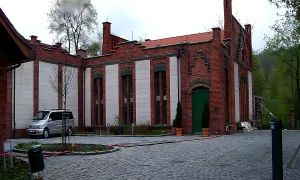
Fotografie: ŠJů (cs:ŠJů) / CC BY-SA 3.0 — Wikimedia Commons. The author and licence also appear when you hover over the image.
Faktickým podkladem tohoto textu byl článek na Wikipedii, jehož autory jsou přispěvatelé Wikipedie. Článek je dostupný pod licencí CC BY-SA 4.0.
Location on the map


Příběhy a pověsti
Legendy, pověsti a příběhy spjaté s touto památkou
Fotografie návštěvníků
Zatím žádné fotografie. Buďte první, kdo přidá fotografii z návštěvy!
Přihlaste se a přidejte svou fotografii nebo hodnoťte.
Za ověřenou návštěvu v aplikaci získáte víc bodů — poznáme podle GPS, že jste na místě.
Reviews and comments