



Kladno (Kladno) Castle
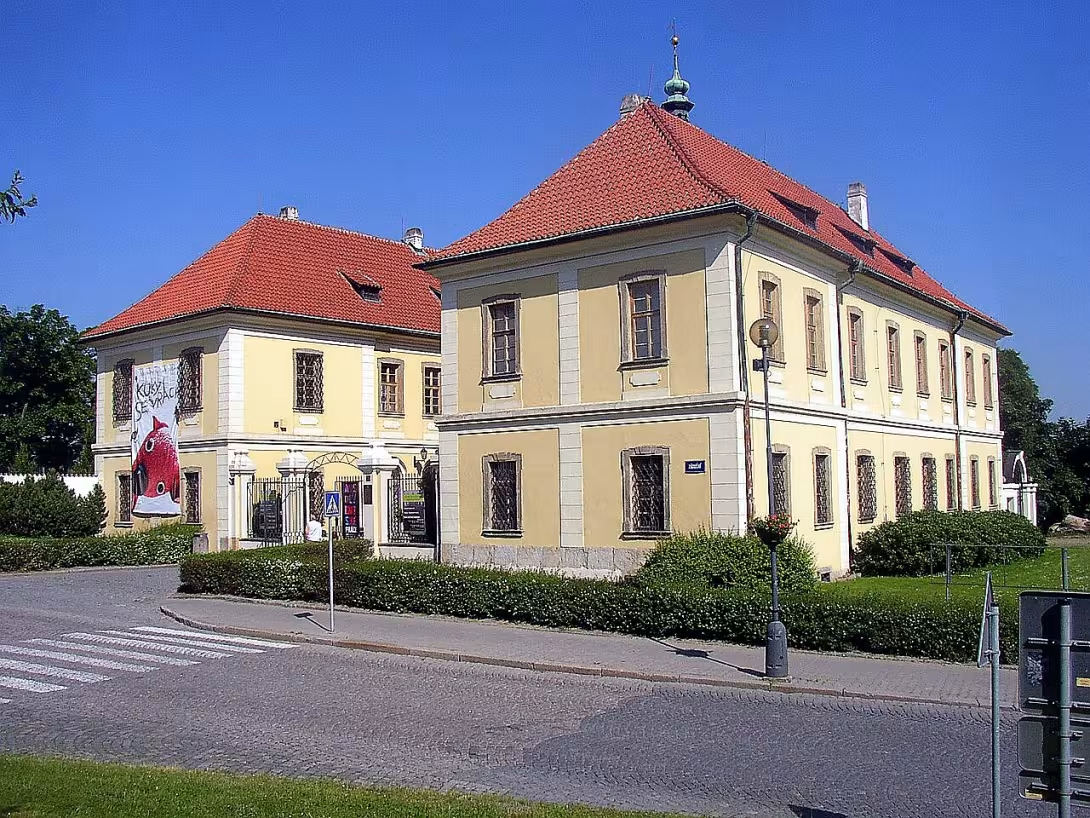
Kladenský zámek stands as a testament to architectural evolution from Gothic fortifications to Renaissance elegance, culminating in Baroque grandeur. Located in Kladno within Středočeský kraj, this castle is notable for its historical significance and architectural transformations over centuries. Originally built as a Gothic fortress in the 14th century, it was transformed into a Renaissance structure by Jiří Žďárský ze Žďáru between the 1540s and 1566. The current Baroque appearance is attributed to renovations led by Kilián Ignác Dientzenhofer in the early 18th century. Recognized as a cultural monument since 1967, it offers a glimpse into Bohemia's rich historical tapestry.
The origins of Kladenský zámek trace back to the 14th century when it served as a Gothic fortress for the Kladenských family. The castle was strategically located near another younger Gothic fortress that acted as the primary seat of the Kladenských lineage. Following the extinction of this branch, ownership transitioned to the Žďárští ze Žďáru in the mid-16th century, who initiated its transformation into a Renaissance castle. This period marked significant architectural and stylistic changes that reflected broader European trends during the Renaissance.
Architecturally, Kladenský zámek underwent substantial modifications over time. The original Gothic structure was rebuilt by Jiří Žďárský ze Žďáru into a Renaissance castle between the 1540s and 1566. Later, in the early 18th century, Baroque renovations were implemented under the guidance of Kilián Ignác Dientzenhofer, giving the castle its present appearance. These changes illustrate the dynamic architectural history that characterizes many European castles.
Ownership of the castle has seen a series of notable transitions. Initially held by Přech z Kladna before 1453, it passed to Zdeněk z Kladna after 1474 and subsequently to Oldřich Žďárský ze Žďáru in 1542. Jiří Žďárský ze Žďáru took over in 1548, followed by his brother Ctibor Žďárský ze Žďára after 1578. Jan Jiří Žďárský inherited the estate post-1615, and eventually, Florián Jetřich became the owner in 1626. These transitions reflect the complex feudal dynamics of the time.
Key events at Kladenský zámek include its transformation into a Renaissance castle and its plundering during the Thirty Years' War in 1620 by Polish Cossacks and mercenaries. Despite these tumultuous times, the estate saw significant developments such as the establishment of a lazaret and a place for a teacher at the beginning of the 17th century. Jan Jiří Žďárský's involvement in the Bohemian Revolt led to his pardon due to influential intercessions, highlighting the political intricacies of the era.
Today, Kladenský zámek stands as a cultural monument on Zádušní Street, accessible for visitors interested in its historical and architectural significance. Its preservation allows one to appreciate the layers of history embedded within its walls, from Gothic beginnings through Renaissance transformations to Baroque refinements. The castle's rich past and enduring presence make it a worthwhile destination for those exploring Czech heritage.
Kladenský zámek is not just an architectural marvel but also a portal into the historical narratives that shaped Bohemia. Its evolution reflects broader European trends while maintaining its unique local significance. Visitors are invited to explore this remarkable site, where history and architecture converge in a captivating display of cultural legacy.
Then and now
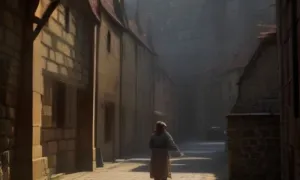
Drag the slider to compare how the landmark may have looked when it was built with the view today.
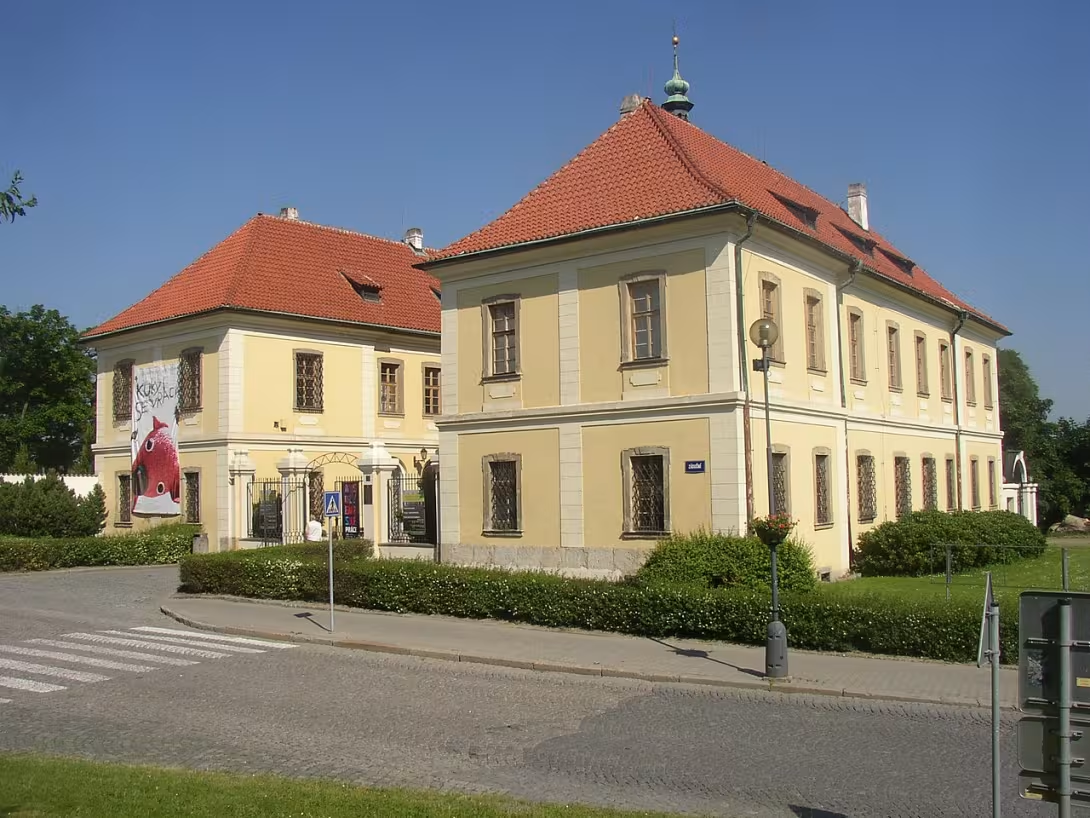

The historical appearance on the left is an AI-generated visualisation and serves as inspiration only.
Historical milestones
- 1566
- Completion of the Renaissance castle transformation.
- 1620
- The castle was plundered by Polish Cossacks and mercenaries.
Architectural development
The original Gothic fortress was rebuilt into a Renaissance castle by Jiří Žďárský ze Žďáru between the 1540s and 1566. The baroque style of the current structure is attributed to renovations led by Kilián Ignác Dientzenhofer in the early 18th century.
Historical events
The castle was transformed from a Gothic fortress to a Renaissance structure between the 1540s and 1566.
In 1578, Ctibor Žďárský inherited the estate after his brother's death.
During the Thirty Years' War in 1620, Polish Cossacks and mercenaries plundered the castle.
Owners
Přech z Kladna (before 1453)
Zdeněk z Kladna (after 1474)
Oldřich Žďárský ze Žďáru (1542-1542)
Jiří Žďárský ze Žďáru (1548-1578)
Ctibor Žďárský ze Žďára (1578-1615)
Jan Jiří Žďárský ze Žďára (after 1615)
Points of interest
- The Kladenský zámek was once plundered during the Thirty Years' War in 1620 by Polish Cossacks and mercenaries, reflecting its strategic importance and vulnerability during turbulent times.
- Despite being a site of conflict, the castle saw progressive developments at the beginning of the 17th century, including the establishment of a lazaret (a quarantine station) and facilities for education, highlighting its role in community welfare.
- The transition from Gothic fortress to Renaissance structure was initiated by Jiří Žďárský ze Žďáru between the 1540s and 1566, showcasing his influence in aligning local architecture with broader European Renaissance trends.
- Jan Jiří Žďárský's involvement in the Bohemian Revolt led to a pardon due to influential intercessions, illustrating the complex political dynamics and alliances of the era that could alter personal fates significantly.
- The castle’s Baroque transformation under Kilián Ignác Dientzenhofer is notable not just for its architectural impact but also as an example of how prominent architects were often employed by nobility to enhance their estates’ prestige and functionality.
Guide
This guide is narrated by a synthetic voice generated by artificial intelligence.
Show guide text
This text was created by artificial intelligence and has not been editorially reviewed. It may contain inaccuracies.
Welcome to the historic site of Kladenský zámek in Kladno, a remarkable testament to architectural evolution and historical intrigue. As you stand here on Zádušní Street, take a moment to absorb the grandeur before you. The castle’s baroque façade exudes an air of elegance and timelessness, inviting you to delve into its storied past.
The origins of Kladenský zámek trace back to the 14th century when it was initially constructed as a Gothic fortress. Over time, this formidable structure underwent significant transformations, particularly in the mid-16th century under the direction of Jiří Žďárský ze Žďáru, who reimagined it into a Renaissance castle. This period marked an era of artistic and cultural flourishing across Europe, reflected in the castle’s sophisticated design.
As you gaze upon the structure today, notice how its baroque appearance came to life through renovations led by Kilián Ignác Dientzenhofer in the early 18th century. The refined elegance of the architecture speaks volumes about this era's aesthetic values and craftsmanship. While specific details are not immediately visible, the harmonious proportions and intricate detailing invite you to imagine the skilled artisans at work.
The castle’s history is rich with notable figures and pivotal events. Among them stands Jiří Žďárský ze Žďáru, whose vision in transforming the fortress into a Renaissance marvel laid the groundwork for its later baroque transformation. Other significant personalities include Přech z Kladna, Zdeněk z Kladna, Oldřich Žďárský ze Žďáru, and Ctibor Žďárský ze Žďáru, each contributing to the castle’s legacy in their own right.
One of the most intriguing episodes in the castle's history occurred during the Thirty Years' War when it was plundered by Polish Cossacks and mercenaries in 1620. This event underscores its strategic importance and vulnerability amidst Europe's turbulent times. Despite such conflicts, the site witnessed progressive developments at the dawn of the 17th century, showcasing resilience and adaptability.
As you explore further, consider this: Kladenský zámek has stood as a cultural monument since 1967, symbolizing not just architectural beauty but also a narrative woven through centuries. Its walls hold secrets of transformations, battles, and rebirths that echo through time.
We invite you to continue your journey around the castle, discovering more about its fascinating history and architecture. Thank you for joining us on this exploration of Kladenský zámek in Kladno—a place where history comes alive with every step.
Frequently asked questions
Can the monument be visited?
Some buildings of this kind are open for guided tours, others serve another purpose or are privately owned. We have not verified whether and when this monument is open – please ask the operator.
What are the opening hours and admission?
We have not verified the opening hours or admission. Current information is published by the operator.
Where is the monument?
Location: náměstí starosty Pavla 1, Kladno, Středočeský kraj. The map on this page shows the exact spot.
Why is the monument protected?
It is listed in the Central List of Cultural Monuments of the Czech Republic as a cultural monument (register no. 15036/2-526).
Businesses nearby
Do you run a restaurant, accommodation, shop, museum, rental, wellness or other visitor service near this monument? Show yourself directly to the people heading to it — this is how they will see you in the app and on the web:
Nearby
The castle is located in Kladno, within a region rich with historical sites and natural features. The surrounding area includes other cultural landmarks and offers scenic landscapes.
Accommodation nearby
Trips and activities nearby
Guided tours, tickets and activities nearby from GetYourGuide
Affiliate link: if you buy from the partner, we may receive a commission. The price for you does not change.
Search tours and activities →Themed route
Thematic Tour Itinerary: Kladno Castle and Surroundings
1. Kladno Castle
Type: Historical Landmark
Why Visit: The centerpiece of this tour, Kladno Castle is a stunning example of Renaissance architecture with its rich history dating back to the 16th century. Visitors can explore the beautifully preserved interiors, including grand halls and intricate stonework that reflect the castle's storied past.
2. Kladenské Pivovary
Type: Cultural Landmark
Why Visit: Located a short walk from Kladno Castle, this historic brewery offers insights into the region’s brewing traditions. Visitors can enjoy guided tours to learn about traditional beer-making processes and sample local brews in a setting that combines historical charm with modern hospitality.
3. Kladenská Hora
Type: Natural Feature
Why Visit: A scenic hill near Kladno, offering panoramic views of the surrounding landscape. It's perfect for a leisurely walk or picnic, providing a natural respite from the urban environment and an opportunity to appreciate the area’s natural beauty.
4. Kladenské Muzeum
Type: Museum
Why Visit: Situated within walking distance of Kladno Castle, this museum showcases local history and culture through exhibits that highlight the region's development over centuries. It provides a deeper understanding of the area’s heritage and its influence on present-day Kladno.
5. Castle Park
Type: Scenic Landscape
Why Visit: The park surrounding Kladno Castle offers lush greenery, walking paths, and tranquil spots ideal for relaxation or photography. Its well-maintained gardens provide a perfect setting to unwind after exploring the castle and nearby attractions.
This itinerary provides a balanced mix of history, culture, and nature, ensuring an enriching experience in the heart of Kladno.
Seasonal recommendations
Jaro: During the spring season, Kladno Castle is enlivened by new life as flowering shrubs and trees create an attractive backdrop for exploring historical buildings. The morning sun enhances colors, giving the monument a gentle, dazzling character. This season offers a calm and welcoming atmosphere, ideal for relaxed strolls through the park and reflecting on the site's history. Visitors are advised to wear warm clothing with layers that can be removed throughout the day, as spring temperatures can be variable. Come early in the morning or later in the evening to avoid peak visitor times.
Léto: Summer brings long days filled with light, transforming Kladno Castle into a dazzling place for visits. Increased sunlight highlights architectural beauty and allows for detailed observation of sculptures and decorative elements. The surrounding parks are full of blooming lawns, making the tour enjoyable even for nature lovers. This period can be very popular, so it's best to arrive early in the morning or later in the afternoon to avoid peak crowds. Wearing light clothing and sun protection, such as a hat and sunglasses, ensures comfort during your visit.
Podzim: Autumn brings changing leaf colors that create stunning backdrops for Kladno Castle. Sunlight and rain often enhance the trees' vibrancy, adding melancholic beauty to the monument's atmosphere. This season is ideal for quiet walks and reflective visits without concerns of excessive sunlight or heat. Visitors are advised to wear layered clothing, as autumn temperatures can be cold and variable. Avoid visiting on Sundays or public holidays when higher numbers of people can be expected.
Zima: The winter season means peaceful and quiet visits to Kladno Castle. Snow cover can add magic, especially during the first snowy days when the surrounding landscape is adorned with white decorations. Short days and cold temperatures make winter visits brief but intense experiences. The castle offers a unique atmosphere where one can enjoy tranquility and gentle icy light. Visitors are recommended to wear warm clothing, including leather gloves and hats or caps, and bring protection against the cold.
Visualizations and artistic views


The visualisations are generated by artificial intelligence and serve as inspiration.
Photos from the area
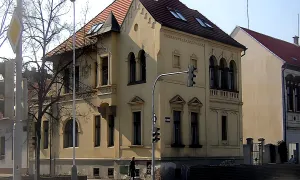
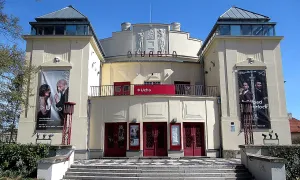
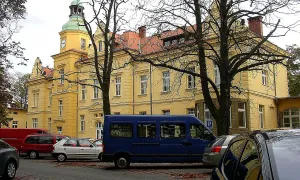
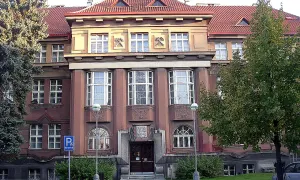
Real photos taken near the monument


Zdroj a licence jsou uvedeny u každého snímku.
Tips from visitors
No tips yet. Be the first!
Log in and add your tip.
Sources and literature
Photos: User:Miaow Miaow / Public domain — Wikimedia Commons. The author and licence also appear when you hover over the image.
Faktickým podkladem tohoto textu byl článek na Wikipedii, jehož autory jsou přispěvatelé Wikipedie. Článek je dostupný pod licencí CC BY-SA 4.0.
Location on the map
Příběhy a pověsti
Legendy, pověsti a příběhy spjaté s touto památkou
Fotografie návštěvníků
Zatím žádné fotografie. Buďte první, kdo přidá fotografii z návštěvy!
Log in a přidejte svou fotografii nebo hodnoťte.
Za ověřenou návštěvu v aplikaci získáte víc bodů — poznáme podle GPS, že jste na místě.
Reviews and comments