






Klášter Pacov Monastery
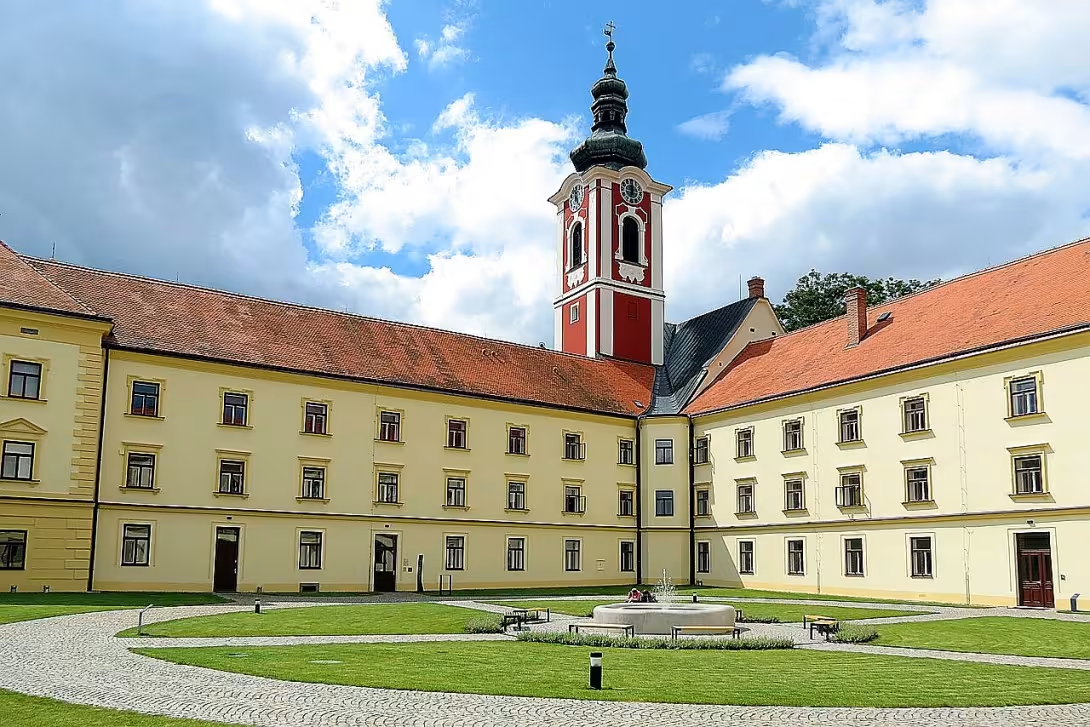
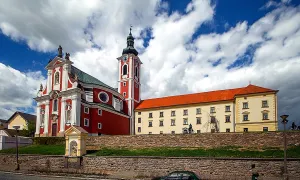
The Pacov Monastery in Pacov, Vysočina Region, exemplifies architectural evolution from fortress to baroque monastery. Initially built as a fortress, it was later transformed into a manor house. In the late 17th century, the Carmelites redesigned it into a monastery and added a church dedicated to Saint Wenceslas, highlighting its religious significance.
The historical journey of Pacov Monastery began with its first documented mention in 1316 when Oldřich z Pacova resided there. Over time, ownership passed through notable figures such as Jan Lucemburský, Petr II. z Rožmberka, and members of the Vchynů family. In 1528, Václav Robmháp ze Suché acquired the estate, followed by Oldřich Španovský z Lisova in 1550. Magdaléna z Eincingu later acted as a guardian before dividing the property among Oldřich's sons. By 1616, Anastazie Vítová ze Rzavého purchased the estate, which was confiscated due to her son's involvement in the Bohemian Revolt.
The Carmelites played a pivotal role when they transformed the castle into a baroque-style monastery in 1708, including constructing the church dedicated to Saint Wenceslas. However, Emperor Joseph II dissolved the monastery in 1787, transferring it to the religious fund. The estate changed hands multiple times, eventually being owned by Maximilián Bedřich Gudenus and Otýlie z Mirbachu in 1835, and later by the knížata Löwenstein-Wertheim-Freudenbergové in 1844.
Throughout its history, Pacov Monastery has witnessed various ownerships and transformations. Notably, Antonín Sova, a significant Czech poet, was born at the estate in 1864. Today, it houses municipal offices and a museum dedicated to Antonín Sova, marking it as a site of historical and cultural significance.
Visitors can explore Pacov Monastery's rich history and architectural beauty today. Located in the scenic Vysočina Region near other historical sites such as Roučkovice and Samšín, the monastery offers insights into Bohemia's past during the Habsburg Monarchy era. Its transformation from a fortress to a baroque monastery reflects significant religious and political changes of the time. The Pacov Monastery is not only an architectural monument but also a cultural treasure that continues to attract history, architecture, and literature enthusiasts.
Then and now
Drag the slider to compare how the landmark may have looked when it was built with the view today.
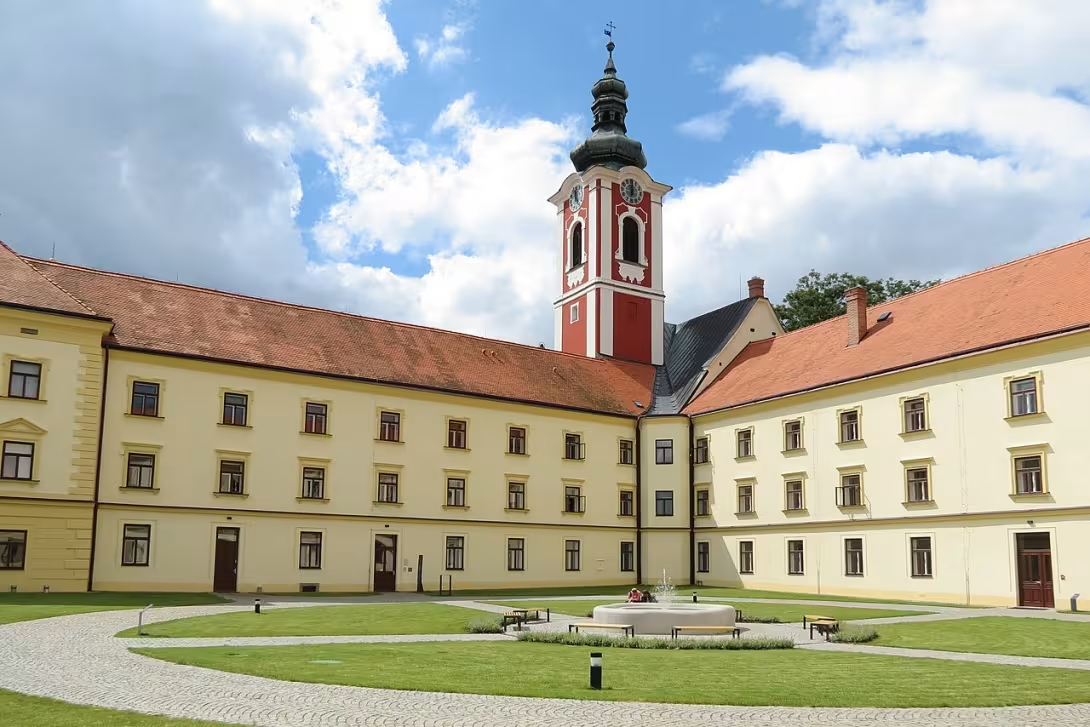
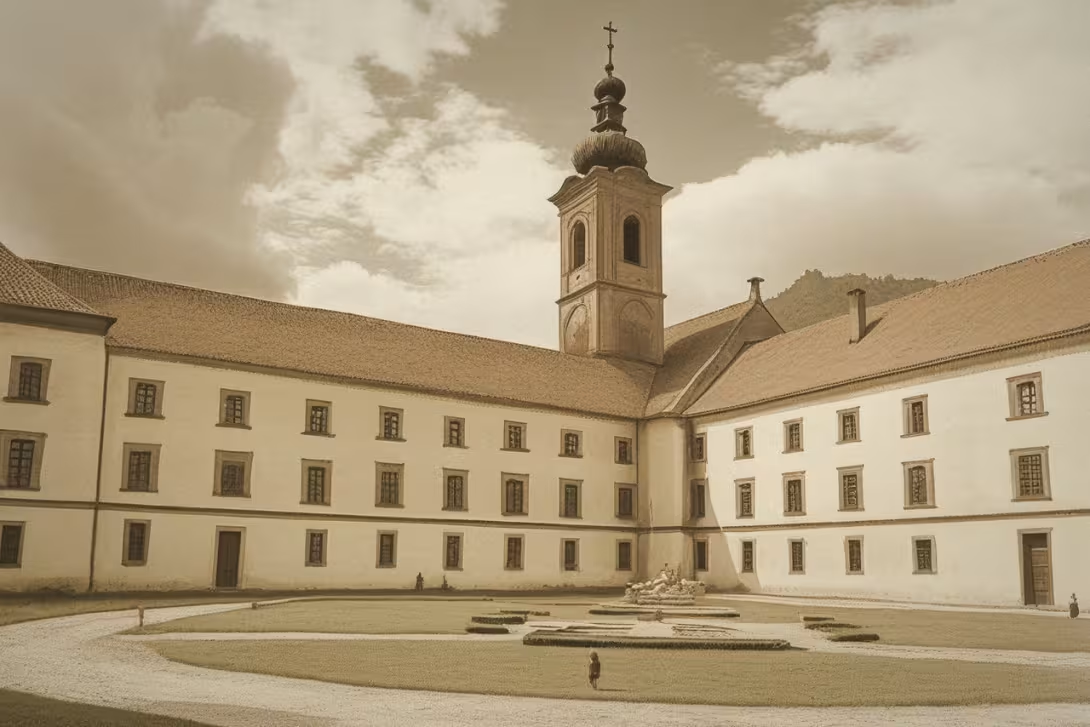
The historical appearance on the left is an AI-generated visualisation and serves as inspiration only.
Historical milestones
- 1316
- First documented mention of the Pacov Monastery.
- 1528
- Ownership transferred to Václav Robmháp ze Suché.
- 1550
- Passage of ownership to Oldřich Španovský z Lisova.
- 1616
- Purchase of the estate by Anastazie Vítová ze Rzavého.
- 1708
- Transformation into a Baroque Carmelite Monastery.
- 1787
- Dissolution of the monastery by Emperor Joseph II.
Architectural development
Originally a fortress, the structure underwent significant transformations over centuries. In the late 17th century, the Carmelites converted it into a baroque-style monastery, adding a church dedicated to Saint Wenceslas. The architectural evolution reflects both its military origins and religious significance.
Historical events
The Carmelites transformed the castle into a baroque monastery in 1708.
Emperor Joseph II dissolved the monastery in 1787, transferring it to the religious fund.
Owners
Oldřich of Pacov (1316)
Jan Lucemburský (14th century)
Petr II. z Rožmberka (1345)
Rod Vchynů
Hynek Tluksa z Čechtic (1394)
Petra a Jan Malovcovi z Malovic (1401)
Václav Robmháp ze Suché (1528)
Oldřich Španovský z Lisova (1550)
Magdaléna z Eincingu
Anastazie Vítová ze Rzavého (1616)
Anna Markéta Šléglová z Vrtby (1623)
Jan starší Černín z Chudenic (1630)
Zikmund Myslík z Hiršova (1643)
Karmelitáni na Malé Straně v Praze
Maximilián Bedřich Gudenus and Otýlie z Mirbachu (1835)
Points of interest
- The Pacov Monastery's transformation from a fortress to a baroque monastery reflects the broader trend of religious and architectural evolution in Bohemia during the 17th century. - In 1787, Emperor Joseph II dissolved the Carmelite monastery as part of his reforms aimed at reducing the power and influence of monastic orders across Europe. - The church within the Pacov Monastery is dedicated to Saint Wenceslas, a patron saint of Bohemia, symbolizing its deep-rooted connection with Czech national identity. - Despite multiple confiscations and changes in ownership due to political upheavals like the Bohemian Revolt, the estate remained an important cultural landmark through centuries. - The monastery is now home to a museum dedicated to Antonín Sova, a notable Czech poet born at the estate, highlighting its ongoing role as a center of cultural heritage.
Guide
This guide is narrated by a synthetic voice generated by artificial intelligence.
Show guide text
This text was created by artificial intelligence and has not been editorially reviewed. It may contain inaccuracies.
Welcome to the historic Pacov Monastery, nestled in the charming town of Pacov within the Vysočina Region. As you stand before this remarkable site, take a moment to absorb its grandeur—a testament to centuries of transformation and cultural significance.
The origins of this place trace back to 1316 when it was first documented as a fortress. Over time, it evolved through various hands and purposes. By 1528, Václav Robmháp ze Suché took ownership, marking the beginning of its journey from military stronghold to noble residence. The estate changed hands again in 1550 under Oldřich Španovský z Lisova, continuing its evolution until Anastazie Vítová ze Rzavého acquired it in 1616.
The most significant transformation occurred in the late 17th century when the Carmelites redesigned this estate into a baroque monastery. By 1708, Pacov Monastery had emerged as an architectural masterpiece, with its church dedicated to Saint Wenceslas at the heart of the complex. This period reflects a broader trend in Bohemia where religious and architectural evolution intertwined.
As you explore, notice the intricate details that speak volumes about its baroque transformation. The monastery's architecture is characterized by elegant proportions and harmonious design—a reflection of the Carmelites' vision. While specific architects remain unknown, their work has left an indelible mark on this historic site.
The story of Pacov Monastery is deeply intertwined with the Carmelite Order, who played a pivotal role in its development. Their influence is evident throughout the complex, from the spiritual ambiance to the architectural elements that define its character.
An intriguing aspect of this monastery's history is its dissolution in 1787 by Emperor Joseph II as part of his reforms aimed at reducing ecclesiastical power. This event marked an end to a significant chapter in Pacov Monastery's story but also set the stage for its enduring legacy as a cultural and historical landmark.
As you continue your journey through this remarkable site, let your curiosity guide you. Each corner holds stories waiting to be discovered, offering insights into the past that shaped this beautiful monastery.
We invite you to delve deeper into its history, explore every nook, and let the spirit of Pacov Monastery captivate you. Thank you for joining us on this journey through time, and we hope your visit leaves a lasting impression.
Tips for visitors
The best time to visit Pacov Monastery is during the late spring or early autumn months, when the weather is mild and the surrounding Vysočina landscape is particularly picturesque with blooming flowers or colorful foliage. Visiting during these times allows you to enjoy outdoor activities without the summer crowds or winter chill. Additionally, the lighting conditions are ideal for photography, capturing the monastery's baroque architecture in soft natural light.
Parking at Pacov Monastery can be convenient as there are designated areas nearby where visitors can leave their cars. For those preferring public transport, several bus routes serve the area, making it accessible without needing to drive. It is advisable to check current transportation options online before your visit to ensure a smooth journey. The town of Pacov itself offers charming streets and local shops that are worth exploring on foot once you arrive.
When planning your visit, consider bringing comfortable walking shoes as there may be some uneven paths around the monastery grounds. A camera is recommended to capture the stunning architecture and scenic views. Additionally, carrying a light jacket or sweater can be helpful due to variable weather conditions in Vysočina. Don't forget water and snacks if you plan on spending several hours exploring.
Photography enthusiasts will find several spots around Pacov Monastery ideal for capturing its beauty. The best lighting is typically during the golden hour, just after sunrise or before sunset, when the sunlight enhances the baroque details of the structure. Additionally, the rolling hills and surrounding countryside provide a stunning backdrop for wide-angle shots. Be mindful of other visitors and respect any photography restrictions that may be in place.
For families with children visiting Pacov Monastery, nearby attractions within 30 minutes include Roučkovice and Samšín. These areas offer opportunities to explore more historical sites and enjoy the natural landscape. The monastery itself can be a fascinating experience for kids interested in history or architecture. Consider planning some downtime at local cafes or parks where children can relax after exploring.
Businesses nearby
Do you run a restaurant, accommodation, shop, museum, rental, wellness or other visitor service near this monument? Show yourself directly to the people heading to it — this is how they will see you in the app and on the web:
Nearby
Surrounded by the scenic landscape of Vysočina Region, Pacov Monastery is near other historical sites such as Roučkovice and Samšín. The area features rolling hills typical of the region.
Accommodation nearby
Themed route
Tematická výletní trasa: Klášter Pacov a okolí
1. Klášter Pacov (klášter) Začněte svou cestu u samotného kláštera, který je jedním z nejvýznamnějších historických památek v oblasti. Klášter Pacov byl postaven ve 13. století a patřil k dominikánům. Jeho architektura, s bohatou historií a krásnými freskami, nabízí cenné poznatky o duchovním životě minulých dob. Navštivte také klášterní knihovnu, která obsahuje vzácné rukopisy.
2. Roučkovice (obec) Od kláštera se vydávejte směrem na jih do obce Roučkovice, což je malé sídliště známé svým historickým kostelem a malebnými venkovskými krajinami. Kostel zde byl postaven v 14. století a představuje typickou gotiku té doby. Prozkoumejte okolní pole a lesy, které jsou ideální pro krátké procházky nebo piknik.
3. Samšín (obec) Pokračujte směrem na západ k obci Samšín, známé svým historickým nádražím a železniční traťí, která byla důležitou dopravní arterií v 19. století. Návštěva tohoto místa nabídne pohled na průmyslovou historii regionu a jeho architektonické památky, jako je starý železniční most.
4. Klášterní park Pacov (park) Po prozkoumání okolních obcí se vrátíte zpět k klášteru Pacov a jeho okolí, kde vás čeká klášterní park. Tento park nabízí mírné kopce a krásné zelené prostory vhodné pro relaxaci nebo piknik. Je to ideální místo na odpočinek po celodenním prozkoumání historických památek.
Tato trasa vám umožní prozkoumat bohatou historii a kulturu regionu Vysočina, s důrazem na klášter Pacov a jeho okolí.
Seasonal recommendations
Spring: The arrival of spring at Klášter Pacov brings a refreshing atmosphere as the surrounding Vysočina landscape bursts into life with vibrant wildflowers and budding trees. This season offers softer, more diffused light that beautifully illuminates the monastery's historic architecture, enhancing its serene ambiance. Visitors can enjoy a quieter experience before the summer crowds arrive, making it an ideal time for leisurely exploration. Practical advice includes wearing comfortable layers as temperatures can fluctuate, and arriving early in the day to fully appreciate the peaceful environment without large groups.
Summer: Summer at Klášter Pacov is characterized by long, warm days that invite visitors to explore both the monastery's interiors and its lush gardens. The vibrant greenery provides a picturesque backdrop for photography enthusiasts, while the increased daylight hours allow for extended sightseeing opportunities. This season sees higher visitor numbers due to peak tourist activity in the region, so it’s advisable to arrive early or later in the day to avoid crowds. Light clothing is recommended, along with sun protection such as hats and sunscreen.
Autumn: Autumn transforms Klášter Pacov into a tapestry of warm colors, with leaves turning shades of gold, red, and orange around the monastery grounds. The cooler weather creates a cozy atmosphere that complements the historical setting, making it perfect for reflective walks or photography sessions capturing the seasonal beauty. As visitor numbers decrease compared to summer, this is an excellent time for those seeking a more tranquil experience. Wearing layers is advisable due to variable temperatures, and carrying a light jacket can be beneficial as days become shorter.
Winter: During winter, Klášter Pacov offers a serene and almost mystical atmosphere under a blanket of snow, with the historic architecture standing out starkly against the white landscape. The monastery’s interiors provide warmth and shelter from the cold outside, making it an ideal spot for quiet contemplation or enjoying a hot beverage in one of the local cafes nearby. Winter often sees fewer visitors, allowing for a more intimate exploration experience. Visitors should dress warmly in layers, wear insulated footwear, and be prepared for shorter opening hours due to the season.
Visualizations and artistic views


The visualisations are generated by artificial intelligence and serve as inspiration.
Photos from the area
Real photos taken near the monument


Zdroj a licence jsou uvedeny u každého snímku.
Tips from visitors
No tips yet. Be the first!
Log in and add your tip.
Sources and literature
Photos: Flipper77 / CC BY-SA 3.0 — Wikimedia Commons. The author and licence also appear when you hover over the image.
Faktickým podkladem tohoto textu byl článek na Wikipedii, jehož autory jsou přispěvatelé Wikipedie. Článek je dostupný pod licencí CC BY-SA 4.0.
Location on the map

Příběhy a pověsti
Legendy, pověsti a příběhy spjaté s touto památkou
Příběh: Klášter Pacov
Bylo to v pondělí ráno, kdy Martina zjistil, že rukopis, který tak pečlivě skrýval v úkrytech kláštera Pacov, se nepřečetl. Světlo probouzejícího se slunce p…
Číst příběh
Pověst: Klášter Pacov
Traduje se, že za temných nocí, kdy vítr sestupuje z kopců Vysočiny a prohání se kolem pacovského náměstí, lze na ochozu zámecké věže zahlédnout bílou postav…
Číst příběhFotografie návštěvníků
Zatím žádné fotografie. Buďte první, kdo přidá fotografii z návštěvy!
Log in a přidejte svou fotografii nebo hodnoťte.
Za ověřenou návštěvu v aplikaci získáte víc bodů — poznáme podle GPS, že jste na místě.
Reviews and comments