






Klášter a zámek v Pacově Chateau
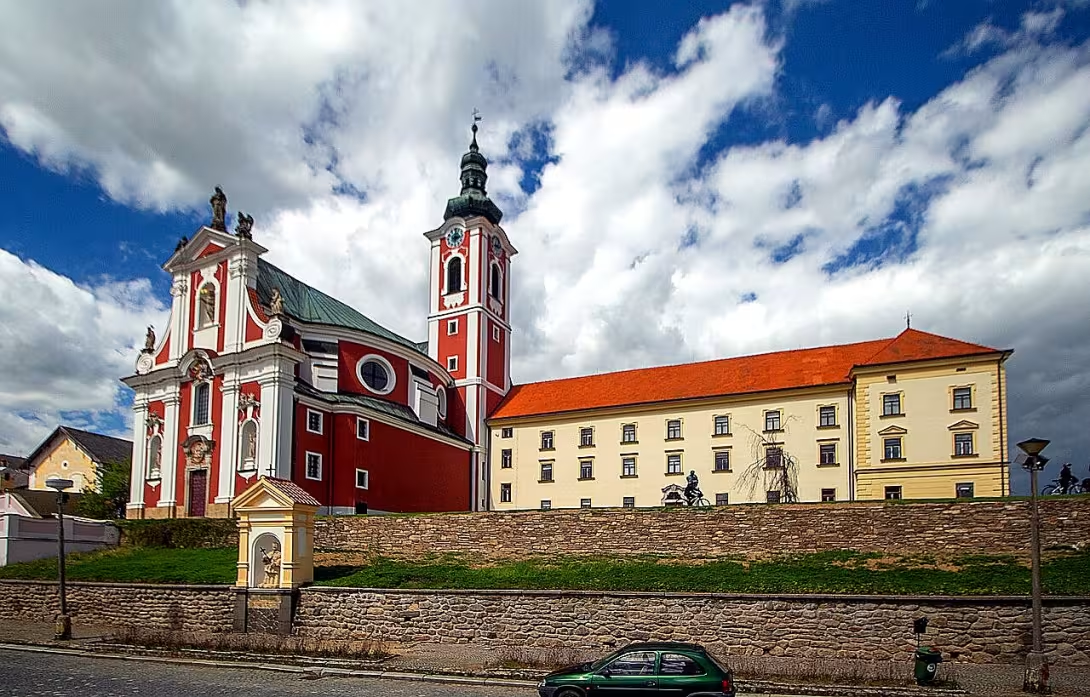
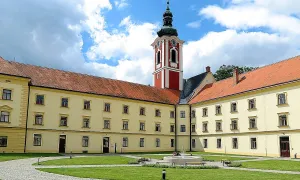
Pacov Chateau and Monastery is a historically significant site in Pacov, Vysočina Region, Czech Republic. First documented as a manor house in 1316, it became a chateau by the early 15th century under the Malovec family's influence. In the late 17th century, the Carmelites transformed it into a Baroque monastery with an adjoining Church of St. Wenceslas. Today, it serves as a municipal office and museum.
The origins of Pacov Chateau trace back to its first mention in 1316 when Oldřich z Pacova resided there. Over time, it underwent significant transformations reflecting Bohemia's political and social changes under the Luxembourg dynasty during the early 14th century. The Malovec family converted the fortified manor house into a chateau, marking an era of feudal power consolidation in Central Europe.
Architecturally, Pacov Chateau began as a fortified structure before being transformed by the Malovec family into a more elaborate chateau. In the late 17th century, the Carmelites modified it into a Baroque monastery, incorporating a church dedicated to St. Wenceslas. This evolution highlights its varied historical roles and ownership.
Ownership of Pacov Chateau has changed hands numerous times throughout history. Initially held by Oldřich z Pacova in 1316, it later passed through notable figures such as Jan Lucemburský, Petr II. z Rožmberka, and the Malovec family. Václav Robmháp ze Suché acquired it in 1528, followed by Oldřich Španovský z Lisova in 1550. After several transitions, it came under Carmelite administration post-1666, who converted it into a monastery.
Key events at Pacov Chateau include its conversion to a Baroque monastery by the Carmelites and its dissolution following Joseph II's reforms in 1787. It was also a site of conflict between Petr Malovec and Jindřich z Dubé. Additionally, Antonín Sova, a notable poet, was born there in 1864.
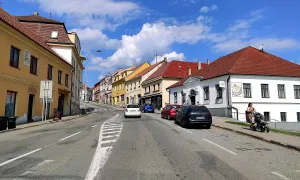
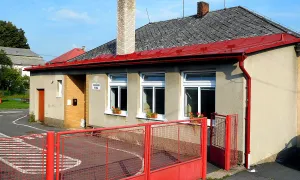
Today, Pacov Chateau serves as a municipal office and houses the Muzeum Antonína Sovy. Located in the northern part of Svobody Square, it remains an important cultural site within the region. Visitors can explore its rich history and architectural evolution, making it a worthwhile destination for those interested in Czech heritage.
Pacov Chateau and Monastery stands as a testament to Bohemia's dynamic history, reflecting centuries of architectural transformation and varied ownership. Its current role as a municipal office and museum invites visitors to delve into its storied past while appreciating its cultural significance today.
Then and now
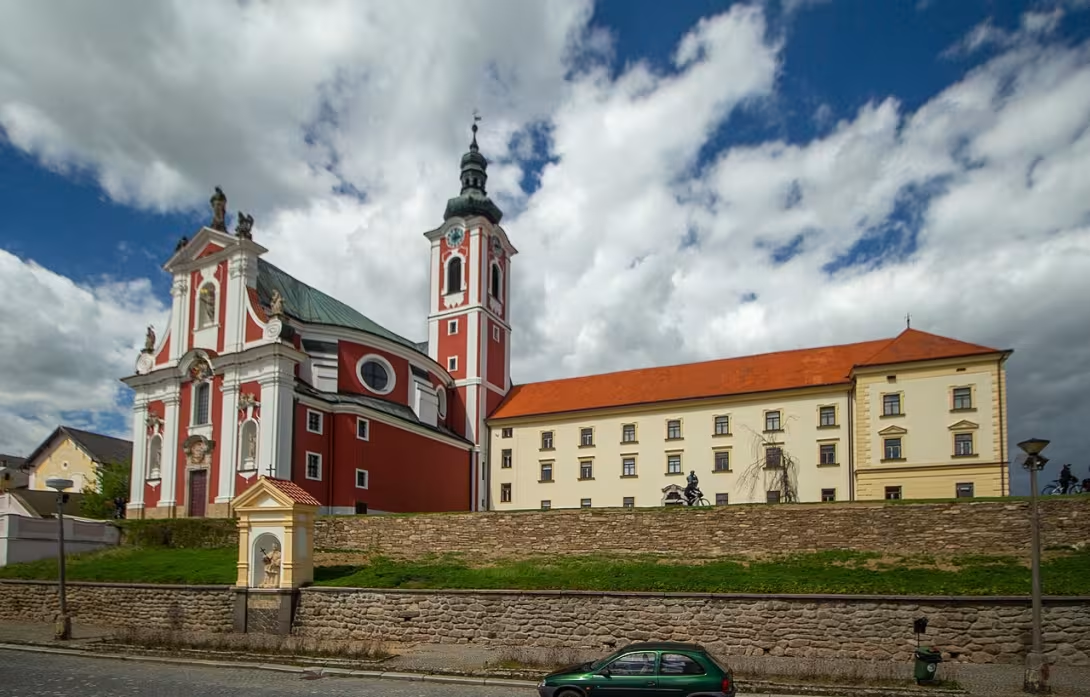
Drag the slider to compare how the landmark may have looked when it was built with the view today.
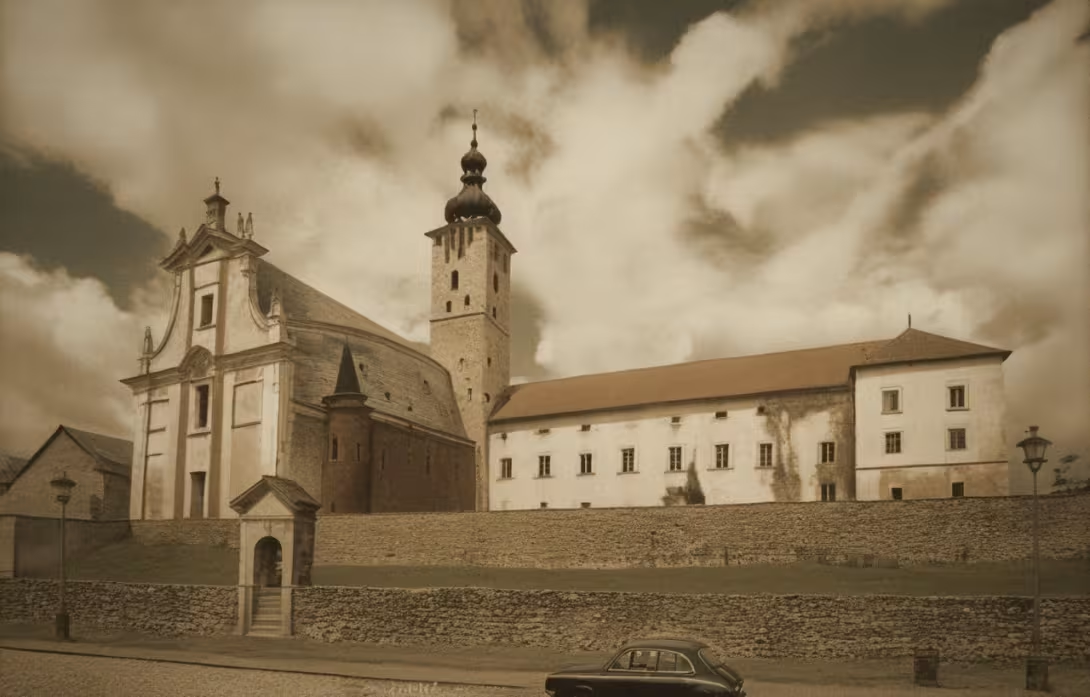
The historical appearance on the left is an AI-generated visualisation and serves as inspiration only.
Historical milestones
- 1316
- First documented mention of the manor house.
- 1666
- Zikmund Myslík z Hiršova's death led to Carmelite administration.
Architectural development
The site began as a fortified manor house, later transformed into a chateau by the Malovec family. In the late 17th century, it was converted into a Baroque monastery with an adjoining church by the Carmelites. The architectural evolution reflects its varied historical roles and ownership.
Historical events
The chateau was first mentioned in 1316 as a manor house.
Converted into a Baroque monastery by the Carmelites in the late 17th century.
Dissolved and repurposed following Joseph II's reforms in 1787.
Owners
Oldřich of Pacov (1316)
Jan Lucemburský (14th century)
Petr II. z Rožmberka (1345)
Rod Vchynů
Hynek Tluksa z Čechtic (1394)
Petra a Jan Malovcovi z Malovic (1401)
Václav Robmháp ze Suché (1528)
Oldřich Španovský z Lisova (1550)
Magdaléna z Eincingu
Anastazie Vítová ze Rzavého (1616)
Anna Markéta Šléglová z Vrtby (1623)
Jan starší Černín z Chudenic (1630)
Zuzana Homutová z Harasova
Generál Zikmund Myslík z Hiršova (1666)
Karmelitáni na Malé Straně v Praze (post-1666)
Points of interest
- Despite its Baroque transformation by the Carmelites in the late 17th century, Pacov Chateau retains elements of its original fortified structure from when it was first documented as a manor house in 1316.
- The chateau witnessed a significant conflict between Petr Malovec and Jindřich z Dubé, highlighting its strategic importance during periods of feudal power struggles in Central Europe.
- Antonín Sova, the notable poet born at Pacov Chateau in 1864, is celebrated for his contributions to Czech literature, adding cultural significance to the site beyond its architectural history.
- After Joseph II's reforms in 1787 led to the dissolution of many monastic institutions, Pacov Chateau transitioned from a religious site into secular use, reflecting broader societal changes in the Habsburg Monarchy.
- The chateau’s ownership changed hands numerous times, including notable figures such as Jan Lucemburský and Petr II. z Rožmberka, illustrating its appeal and strategic value across different historical periods.
Guide
This guide is narrated by a synthetic voice generated by artificial intelligence.
Show guide text
This text was created by artificial intelligence and has not been editorially reviewed. It may contain inaccuracies.
Welcome to the historic site of Klášter a zámek v Pacově, nestled in the charming town of Pacov within the Vysočina Region. As you stand here, take a moment to absorb the grandeur and mystique that surrounds this remarkable place. Before you lies an architectural tapestry woven through centuries, where history breathes from every stone.
The origins of Pacov Chateau trace back to 1316 when it was first documented as a fortified manor house. Over time, its significance grew, transforming into a chateau under the stewardship of the Malovec family in the early 15th century. Imagine Oldřich z Pacova or Jan Lucemburský walking these grounds, their presence etched into the very fabric of this site.
As you explore further, notice how the chateau harmoniously blends elements from different eras. Despite its Baroque transformation by the Carmelites in the late 17th century, remnants of its original fortified structure remain visible. This duality offers a unique glimpse into the architectural evolution that has shaped Pacov Chateau over the centuries.
Now, let's delve into some captivating stories tied to this place. The chateau was once at the heart of a significant conflict between Petr Malovec and Jindřich z Dubé, two prominent figures whose rivalry left an indelible mark on its history. Additionally, after the death of Zikmund Myslík z Hiršova in 1666, the Carmelites took over administration, ushering in a new chapter with their Baroque influences.
One intriguing aspect that might pique your curiosity is how this site has been home to numerous historical personalities. From Václav Robmháp ze Suché and Oldřich Španovský z Lisova to Johanka Eusebie Barbora ze Žďáru, each left their legacy here, contributing to the rich tapestry of stories that make Pacov Chateau so fascinating.
As you continue your journey through this historic site, I encourage you to take in every detail and let your imagination roam. Each corner holds a story waiting to be discovered, from its architectural nuances to the echoes of those who walked these halls long ago.
Thank you for joining me on this exploration of Klášter a zámek v Pacově. May your visit inspire curiosity and wonder as you uncover more about this remarkable place. Feel free to wander at your own pace, discovering all that this historic gem has to offer. Safe travels, and may the stories of Pacov Chateau linger with you long after today.
Tips for visitors
The best time to visit Pacov Chateau and Monastery is during the late spring or early autumn months, when the weather is mild and pleasant for exploring both indoors and outdoors. During these seasons, you can enjoy the lush greenery surrounding the chateau without the discomfort of summer heat or winter cold. Additionally, visiting outside peak tourist season means fewer crowds, allowing for a more serene experience as you explore this historical site.
It's advisable to check current transportation schedules online or through local travel resources before your visit to ensure a smooth journey.
When visiting Pacov Chateau, consider bringing comfortable walking shoes as you'll likely be exploring both indoor exhibits and outdoor grounds. A camera is recommended for capturing the stunning architecture and scenic views of the surrounding landscape. Additionally, carrying water and some snacks can enhance your experience, especially if you plan to spend several hours at the site.
Photography enthusiasts will find Pacov Chateau offers numerous picturesque spots. The best light for photography is usually during the golden hour—shortly after sunrise or before sunset—when the soft lighting accentuates the chateau's historical features and surrounding landscape. Try capturing the chateau from different angles around Svobody Square to fully appreciate its architectural beauty.
For families with children, Pacov Chateau provides an enriching experience that combines history with exploration. The expansive grounds offer plenty of space for kids to run around while learning about the site’s past. Nearby, within a 30-minute drive or bike ride, are other historical sites and natural attractions in the Vysočina Region that can complement your visit, offering additional educational opportunities and leisure activities.
Frequently asked questions
Can the monument be visited?
Some buildings of this kind are open for guided tours, others serve another purpose or are privately owned. We have not verified whether and when this monument is open – please ask the operator.
What are the opening hours and admission?
We have not verified the opening hours or admission. Current information is published by the operator. Official website: http://www.zamekpacov.cz/cs
Where is the monument?
Location: nám. Svobody 1, Pacov, Kraj Vysočina. The map on this page shows the exact spot.
Why is the monument protected?
It is listed in the Central List of Cultural Monuments of the Czech Republic as a cultural monument (register no. 16898/3-3186).
Businesses nearby
Do you run a restaurant, accommodation, shop, museum, rental, wellness or other visitor service near this monument? Show yourself directly to the people heading to it — this is how they will see you in the app and on the web:
Nearby
Pacov Chateau is situated in the northern part of Svobody Square. The surrounding landscape includes other historical sites within a 5 km radius, contributing to its cultural significance.
Accommodation nearby
Themed route
Thematic Tour Itinerary: Pacov Chateau and Surroundings
1. Pacov Chateau (Hrad) - Type: Historical Chateau - Why Visit: Begin your journey at the heart of Pacov, where the majestic Pacov Chateau stands proudly in the northern part of Svobody Square. This chateau is a testament to medieval architecture and history, offering visitors a glimpse into the past with its well-preserved structures and rich cultural heritage.
2. Pacov Church - Type: Historical Church - Why Visit: A short walk from Pacov Chateau, the historic church in Pacov provides a serene spiritual atmosphere and stunning architectural details. Its proximity to the chateau makes it an ideal spot for those interested in exploring the religious history intertwined with the region's past.
3. Pacov Town Square - Type: Historical Square - Why Visit: Explore Svobody Square, where Pacov Chateau is located, and immerse yourself in the vibrant atmosphere of this historical town center. The square serves as a cultural hub, offering insights into local traditions and community life that have evolved over centuries.
4. Pacov Monastery - Type: Historical Monastery - Why Visit: Conclude your tour at the Pacov Monastery, a spiritual landmark with deep historical roots. The monastery offers a peaceful retreat and showcases beautiful religious art and architecture, providing a reflective end to your exploration of Pacov's rich cultural landscape.
This itinerary provides a comprehensive look into the historical and cultural significance of Pacov, allowing visitors to appreciate its architectural beauty and storied past.
Seasonal recommendations
Spring: Visiting Pacov Chateau during spring offers a unique experience as the landscape is transformed by vibrant wildflowers and budding trees, creating a picturesque backdrop for exploring the historic site. The gentle warmth of the sun enhances the natural beauty surrounding the chateau, making it an ideal time to enjoy leisurely walks through its grounds. As nature awakens, visitors can capture stunning photos with blooming flora as their subject. Spring is generally less crowded than summer, allowing for a more relaxed visit. It's advisable to wear layers since temperatures can vary throughout the day; mornings and evenings might be cool while afternoons are pleasantly warm.
Summer: Summer at Pacov Chateau presents an opportunity to experience its grandeur under bright sunlight, which accentuates the architectural details of both the chateau and monastery. The lush greenery is in full bloom, providing a vibrant setting for outdoor activities. However, summer can also mean larger crowds, especially during peak tourist season, so arriving early in the day is recommended to avoid long lines. Comfortable walking shoes are essential due to extensive grounds, and light, breathable clothing will help keep you cool. Don't forget sunscreen and a hat to protect against the strong sun.
Autumn: Autumn brings a magical atmosphere to Pacov Chateau with its rich tapestry of reds, oranges, and yellows as deciduous trees shed their leaves. The cooler temperatures make for comfortable exploration without the summer heat, perfect for enjoying the historic sites at a leisurely pace. This season is ideal for photography enthusiasts looking to capture the chateau against the backdrop of autumnal hues. Layered clothing is recommended to accommodate fluctuating temperatures throughout the day.
Winter: Visiting Pacov Chateau during winter offers a serene and tranquil experience, with snow often blanketing the landscape, adding a touch of enchantment to its historic architecture. The cooler weather can create dramatic contrasts between the white snow and the chateau's dark stone structures, providing unique photo opportunities. Warm clothing, including a coat, hat, gloves, and sturdy boots, is essential to stay comfortable during your visit. Winter can also mean fewer visitors, allowing for a more intimate exploration of the site's history and beauty.
Visualizations and artistic views


The visualisations are generated by artificial intelligence and serve as inspiration.
Photos from the area
Real photos taken near the monument


Zdroj a licence jsou uvedeny u každého snímku.
Tips from visitors
No tips yet. Be the first!
Log in and add your tip.
Sources and literature
Photos: VitVit / CC BY-SA 4.0 — Wikimedia Commons. The author and licence also appear when you hover over the image.
Faktickým podkladem tohoto textu byl článek na Wikipedii, jehož autory jsou přispěvatelé Wikipedie. Článek je dostupný pod licencí CC BY-SA 4.0.
Location on the map
Příběhy a pověsti
Legendy, pověsti a příběhy spjaté s touto památkou
Fotografie návštěvníků
Zatím žádné fotografie. Buďte první, kdo přidá fotografii z návštěvy!
Log in a přidejte svou fotografii nebo hodnoťte.
Za ověřenou návštěvu v aplikaci získáte víc bodů — poznáme podle GPS, že jste na místě.
Reviews and comments