






Klášter servitů na Novém Městě Monastery
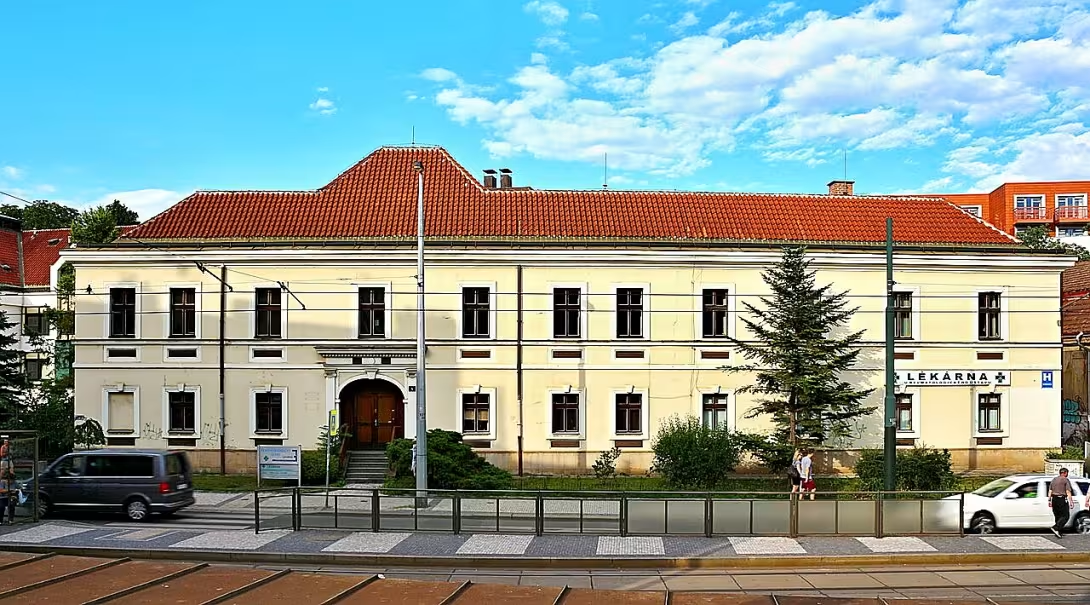
The Monastery of Services on Grávíček is one of the oldest monasteries of the New Town of Prague, created together with the city itself. It belongs to a group of six monasteries which were part of Charles IV's grand plan to modernize the capital. Today, his buildings in the valley of the Botičské creek, where the old Czech countries used to be praised by white rhymes. The Church of the Annunciation of the Virgin Mary, the core of the monastery complex, is alive today - it is currently used by Orthodox Church.
The roots of the mansion grow from the personal godliness of its founder. During his illness, Karel IV. promised himself, in front of the painting in the Florentine monastery of the service, that if he wakes up healthy, he will establish a similar order at home. The word became an act - in 1359 he kept permission from Pope Innocence VI, and in 1360 the monastery stood. The church began without delay. Tradition claims that the temple grew up at the elder chapel of the Virgin Mary, which we know here from earlier times. But it was also a rational strategy of Charles IV: strengthening the religious life in Prague and the whole of Bohemia, which in the second half of the fourteenth century went through a period of spiritual downturn.
The name of the place tells its own history. The oldest mention refers to "in viridi," i.e. "on green" - the name of the surrounding vegetation on the trays. Over time, it used to say "on Grasice," again evocative green meadows in the valley of the creek. Medieval chroniclers of the monastery and church often simply called the "Botič" - according to the nearby water flow. This name remains a living part of the local memory.
But the history of the monastery was not only prayers. During the Hussite riots, he became part of a defensive strategy - from the tower of the church here, Prague's fighters aimed guns against the royal fortification in Vysehrad. In the sixteenth century, the convention disappeared for a time, but after the Thirty Years War, in 1669, it was restored and the buildings were rebuilt. The final end came in 1783 when many monasteries were abolished as part of the reform measures of emperor Josef II. But the buildings did not stick - they served the army for years.
At the end of the nineteenth century, between 1858 and 1863, the buildings underwent repairs and regotisation according to the plan of architect Bernard Gruber. Today there are no more religious prayers, but the Institute of Rhematology and its library - an example of how old walls find new meaning in modern society.
Then and now
Drag the slider to compare how the landmark may have looked when it was built with the view today.
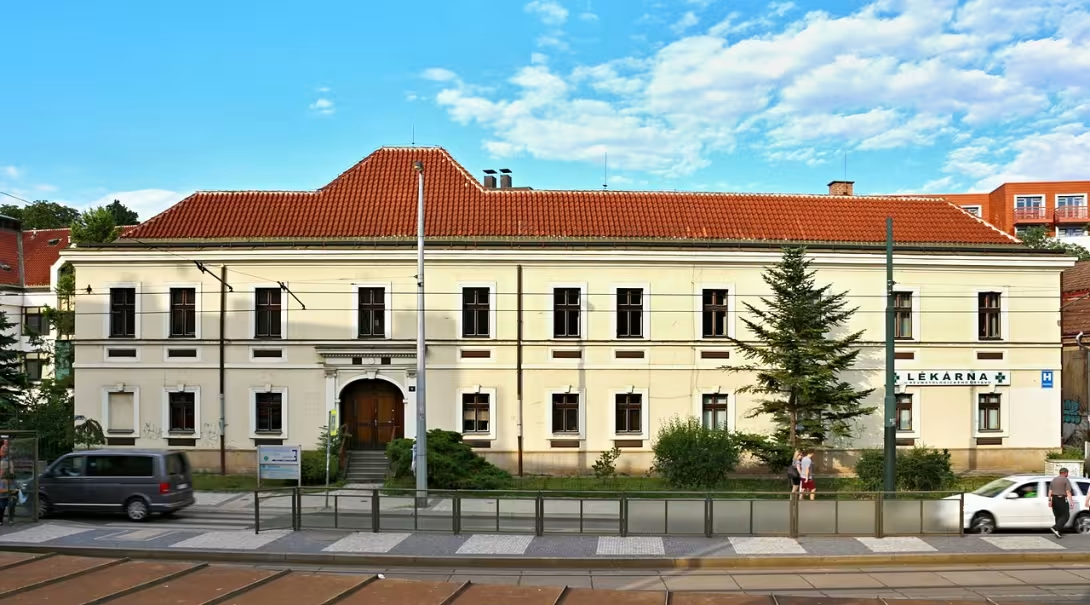

The historical appearance on the left is an AI-generated visualisation and serves as inspiration only.
Historical milestones
- 1359
- Pope Inocenc VI.
Architectural development
The original Gothic monastery was built on green meadows near the Botician creek. After the 30-year war, a Baroque reconstruction took place, replacing the original masonry. In 1858-1863, the complex was regotized according to Bernhard Gruber's plans. Only fragments of the original foundations of the monastery were preserved. The church was originally built at the older chapel of the Virgin Mary and later served as Orthodox temple.
Historical events
{'1359': 'Karel IV. obtained permission from Pope Innocence VI to establish a monastery of servants.', '1360': 'The establishment of the monastery and the beginning of the church of the Annunciation of the Virgin Mary.', '1669': 'The restoration of the monastery after the Thirty Years' War and its reconstruction. ',' 1783 ':' The abolition of the monastery in the context of the Yosefin reforms. '}
Owners
{'1360-1783': 'Service Order', '1783-1858': 'Imperial Army', 'Since 1858': 'Institute of Rhematology (State Institute)'}
Points of interest
- The monastery of services on Grávíček was founded in 1360 as part of the Charles IV plan for modernization of Prague and was based on his promise from the Florentine monastery.
- The Church of the Annunciation of the Virgin Mary, the core of the monastery complex, is still in use today - now the Orthodox Church uses it.
- During the Hussite wars, the monastery served as a defensive place, from where the Prague warriors aimed guns against the royal fortifications in Vysehrad.
Guide
This guide is narrated by a synthetic voice generated by artificial intelligence.
Show guide text
This text was created by artificial intelligence and has not been editorially reviewed. It may contain inaccuracies.
Welcome to the heart of Prague's New Town. Right now you are facing one of the oldest and most important monastery complexes in this part of the city, which is the monastery of services on Grážíček. Stop for a moment, take a breath and feel the atmosphere of this place, which for hundreds of years has been an inseparable part of Prague's history. When you look at the buildings in front of you, you see a trail of centuries that intersects here and tells the story of faith, gratitude and architectural changes. It is a place where the silence of the monastery corridors collides with the dynamics of the modern metropolis, and it is you who have the opportunity to discover what really happened behind these walls.
Let us now return together in time deep into the fourteenth century, to the time when Praha was becoming the real centre of the European world. Everything started in the year three hundred and fifty-nine, when Pope Inocenc the sixth issued official permission to establish a monastery of services here in Prague. The foundation itself followed shortly thereafter, around the year three hundred sixty. There was no one less behind this construction than Emperor Charles the fourth, a man whose vision is still felt in every corner of this city. Why is it that he is interested in this order, and why has he decided to create it here? The answer lies in personal promise and deep gratitude. Charles the Fourth founded this monastery as a token of gratitude for his recovery. The inspiration for this gesture was drawn from his stay in Florence, where he was deeply interested in the service monastery there. It was therefore an act of a personal character, but it became part of Karl the fourth's wider, brilliant plan for modernization and development of Prague. The Emperor wanted his city not only to be a political but also a spiritual centre, which is why such important foundations were created here.
Now pay attention to the very buildings you see before you. What you perceive is not the work of a single time, but a layered record of history that has been gradually rewritten. Originally, the whole complex was built in a Gothic style, which was the most modern direction at that time, symbolizing the take-off and ambition of that time. However, history was cruel to buildings, especially during the Thirty Years' War, which left deep wounds in many parts of the city. After this devastating period, six hundred and sixty-nine major Baroque reconstruction followed. The Baroque brought new dynamism and decoration into architecture, which was reflected in the form of a monastery. If you look at the facade and the overall available, note this harmony, which persists in buildings despite all changes.
Another crucial chapter in the form of buildings came in the nineteenth century, namely between a thousand and eight hundred fifty-eight and a thousand and eight hundred sixty-three. That's when architect Bernhard Gruber took over. At that time in Europe, there was a wave of nostalgia beyond the Middle Ages and an attempt to return the monuments to their original nature. Gruber therefore carried out the so-called regotization of monastery buildings. This means that he tried to remove the later layers and return to the buildings their original Gothic character and aesthetics. It is thanks to his project that the monastery looks as you see it today. So look at the lines of buildings and see how the original medieval idea mingles with the nineteenth century to see what goth should look like.
In addition to the emperor Charles the fourth one, Beneš z Veitmile, another important figure of the time that helped shape the face of Prague at the time. The monastery was not only a set of walls, stone and roofs, but it served as an important spiritual centre. Imagine the life here centuries ago: silent prayers, study in libraries and the rhythm of the day determined by the bell that called the monks for prayer. It was an oasis of peace and contemplation in the midst of the emerging New Town. However, no institution is invulnerable and even a monastery of servicemen has avoided the waves of political change. In the year one thousand seven hundred eighty-three came the break that changed the fate of this place forever. As part of the Josephine reforms, which at that time radically changed the role of the church in the state and disrupted orders that did not bring direct benefit to society, the monastery was abolished. The monks had to leave their homes and the buildings began to serve completely different purposes. It is fascinating to think how many generations of people have passed through here and how their perception of this space has changed from silent prayer to administrative needs of the state.
Before we say good-bye, I have one interesting thing for you that has a beautiful connection between the distant past and today. The church of Annunciation of the Virgin Mary is at the heart of the whole monastery complex. While the monastery part underwent many changes, cancellations and changes of function, the church remained an active place of faith. Today, the Orthodox Church uses it. It is a truly fascinating fact, because in one building there is a medieval Catholic tradition, which Charles was the fourth behind, with today's spiritual life of Orthodox believers. It is a place where history from the fourteenth century still breathes and where prayer sounds, albeit in a different language and ritual than it did here in the founding times. This continuity gives the whole complex a special depth and reminds us that although regimes and orders change, the need for spiritual refuge remains the same.
Now I leave you to look at the details of the facades in peace and without haste and perceive the silence that can still be found in the vicinity of the monastery in the middle of the noisy centre of Prague. Walk around the buildings, think about the fates of the people who lived here, and let yourself be carried away by the images of medieval Prague, the imperial promise and the architectural dreams of Bernhard Gruber. Note how buildings are inserted into the surrounding space and how the most important nature of this place survived. I hope this short trip to history has helped you better understand the importance of the monastery of services on Grážice and that you have found some peace in it. I wish you a pleasant continuation of your walk around New Town and exploring other hidden treasures of our beautiful Prague. Goodbye.
Frequently asked questions
Is Klášter servitů na Novém Městě open to the public?
Yes, the monastery is open to the public. The tour is possible in February until November and during Christmas holidays.
How do I get to the place by car / public transport?
You can drive to the New Town Hall parking lot, where the monastery is about 5 minutes' walk away. The public transport can use lines 4, 6, 9 or 15 and get off at station Nové Město - National.
How much is the entrance fee and is it paid on the spot?
Admission to the monastery is not charged. The tour is free, but the donation is open.
Is the tour suitable for children and seniors?
Yes, a tour of the monastery is suitable for children and seniors. Information about its history and importance in Czech is available in the monastery.
How long does the tour take?
The tour of the monastery takes about 30-60 minutes, depending on the degree of interest of visitors.
What are the opening times and booking is required?
The monastery is open to the public in February to November and during Christmas holidays from 10: 00 to 16: 00. Reservation is not necessary, but for groups of over 10 persons it is recommended to contact the administrator of the monastery.
What's interesting in the immediate vicinity?
In the immediate vicinity of the monastery you will find the Church Annunciation of the Virgin Mary Na slupi, which is also accessible to the public. There are also other historical monuments and streets of New Town.
For kids
Imagine going back 666 years until Praha was a small town. The town Nové Město Prague was full of life and energy at the time. And here, at this place, there was a monastery of services, one of the oldest and most beautiful in Prague.
How did it look here? Who lived here? What happened here? Imagine you're a little monk who just walked into a monastery. You grew up in these places where prayers and singing were collected. You were part of a community that tried to help people and spread Christian values.
Businesses nearby
Events nearby

Zdroj akcí: otevřená data měst a obcí ČR (Národní katalog otevřených dat) a kalendář akcí Národního památkového ústavu.
Nearby
{'monuments': [{\ 'name': 'Church of the Annunciation of the Virgin Mary On the Scoup', 'type': 'church', 'distance': 'in the monastery area', 'use': 'Orthodox temple'}, {'name': 'Botician stream', 'type': 'natural element', 'distance': 'around the monastery'}, 'name': 'Nové Město Prague', 'type': 'historical core', 'distance': 'in the area', 'name': 'Holy Jacob', 'type': 'church', 'distance': 'ca 500 m'}], 'nature': {'parks': [{'name' the park ',', 'distance': 'Botician park', ',' distance ':'
Accommodation nearby
Trips and activities nearby
Guided tours, tickets and activities nearby from GetYourGuide
Affiliate link: if you buy from the partner, we may receive a commission. The price for you does not change.
Search tours and activities →Themed route
Thematic cruise route: Monastery of services and spiritual heritage of New Town
1.Klášter servitů na Novém Městě * Type: * Monastic complex. It is the oldest preserved monastery of service order in Bohemia, founded in the 13th century. Its gothic architecture and quiet atmosphere attract to explore historical interiors and monastery gardens.
2. Church of the Annunciation of the Virgin Mary Na kupi * Type: * Orthodox temple (in the monastery area). Originally a Gothic church, which served as a parish house, now belongs to the Orthodox Church. Its unique history and interior modifications reflect changes in religious life in the region.
3. Nové Město Prague - historical core * Type: * Old town. Walk through narrow streets and squares will reveal the medieval structure of the settlement, which was an important centre of crafts and trade. It is dominated by the Church of St. James, which stands near the monastery.
4. Booty stream * Type: * Natural element. A beautiful walk along the creek offers a quiet environment and the opportunity to observe local flora and fauna. Its flow connects the monastery with the surrounding landscape and gives the trip a natural dimension.
5. Church of St. James * Type: * Church. The Gothic sacral building from the 14th century is located just minutes from the monastery. Its picturesque tower and historical frescos are proof of the rich spiritual tradition of the area.
Seasonal recommendations
Spring During the spring, the monastery of services in New Town offers a unique atmosphere where historical walls connect with the waking surroundings. The light of the sun, which is prolonged in the spring months, illuminates the monastery courts and gardens where the first flowers begin to bloom - especially around the chapel of the Virgin Mary. The air is fresh but still cold, which creates a pleasant contrast between the heat of stone walls and a mild wind. The sound environment is also specific: the singing of birds in monastery orchards and the afternoon sun, which breaks in the windows of Gothic buildings, gives the place a calm, meditative mood. A visit is recommended in the first half of spring (March-April), where there are fewer tourists than in the summer months. The ideal time is the afternoon when you avoid the morning crowds and also use the favourable light. Clothes should be layered - the morning and evening can be cold while at noon pleasantly warm. The monastery is open at this time in the normal opening hours, but some parts (e.g. the monastery library) can only be accessed by prior agreement.
Summer Summer brings live colors to the monastery and a busier atmosphere, where historical spaces are projected into sunlight and shadows on stone facades create a light game that is typical of Central European summer. The surrounding area of the monastery is green, with tall trees that provide relief from heat, and in the monastery gardens often bloom roses and other summer plants. The specific element is also evening lighting, which is beginning to be used in summer for evening tours, which gives the place a mysterious, romantic atmosphere. The best time to visit is early morning or late afternoon to avoid the main crowds that come here especially in the main summer season (July-August). It is recommended light but decent clothes that protect from the sun (hat, sunglasses), and comfortable shoes, because some parts of the monastery are accessible only by stairs or uneven surfaces. The monastery is opened longer in the summer months, but some interiors (e.g. refectory) may be less accessible on hot days due to limited ventilation.
Autumn Autumn brings a rich variety of colours to the monastery, where the golden and red leaves of trees are reflected in the windows of Gothic buildings and create contrast with darker stone walls. The light is changing - the morning sun is still warm, but in the afternoon comes a colder, foggy atmosphere that gives the place a nostalgic, almost fairy tale effect. The specific element is also the sound - the rustling of leaves and afternoon silence, which is more obvious in the monastery than in the summer months. At this time, the monastery is often visited by students and artists looking for inspiration, which adds to the environment of intellectual and calm energy. The best time to visit is September and the first half of October when the weather is still pleasant and the crowds are smaller than in the summer months. It is recommended to warm but not too heavy clothing - morning and evening can be cold while at noon pleasantly warm. In the autumn months, the monastery is open in normal hours, but some outdoor areas (e.g. gardens) may be accessible on rainy days.
Winter The Winter Monastery of Service offers a unique atmosphere where the snow cover on rooftops and gardens creates a white contrast with dark stone walls, which gives the place a mysterious, almorest fabulous beauty. The light is short and scattered in the winter, which makes the interior of the monastery (e.g. chapel or library) even more intimate than in other seasons. The specific element is also silence - without the summer sounds of birds and human energy, more noise is heard of snow or reflection of steps in stone corridors. In addition, in advent time the monastery offers the possibility of visiting with Christmas decorations, which is often modest but very authentic. The best time to visit is December when the monastery is decorated and there are fewer tourists outside than in the summer months. Hot, laminated clothing (including warm gloves and hat) is recommended, because even a short walk around the monastery area can be cold. In winter months, the monastery is open in shorter hours, often only in the morning, and some outdoor areas can be restricted due to snow or ice.
Visualizations and artistic views


The visualisations are generated by artificial intelligence and serve as inspiration.
Photos from the area
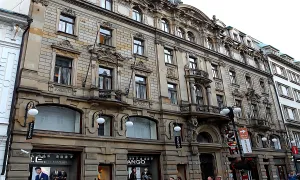
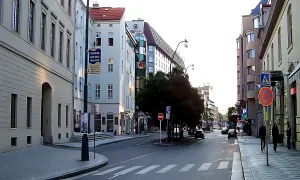
Real photos taken near the monument


Zdroj a licence jsou uvedeny u každého snímku.
Atmosphere of the place
This atmospheric visualisation of the place and period was generated by artificial intelligence. It is not real footage of the location.
Tips from visitors
No tips yet. Be the first!
Log in and add your tip.
Sources and literature
Fotografie: VitVit / CC BY-SA 4.0 — Wikimedia Commons. The author and licence also appear when you hover over the image.
Faktickým podkladem tohoto textu byl článek na Wikipedii, jehož autory jsou přispěvatelé Wikipedie. Článek je dostupný pod licencí CC BY-SA 4.0.
Location on the map
More monuments – Nové Město
Show all in the municipality


Příběhy a pověsti
Legendy, pověsti a příběhy spjaté s touto památkou

Fotografie návštěvníků
Zatím žádné fotografie. Buďte první, kdo přidá fotografii z návštěvy!
Přihlaste se a přidejte svou fotografii nebo hodnoťte.
Za ověřenou návštěvu v aplikaci získáte víc bodů — poznáme podle GPS, že jste na místě.
Reviews and comments