






Klášter trinitářů s kostelem Nejsvětější Trojice Monastery
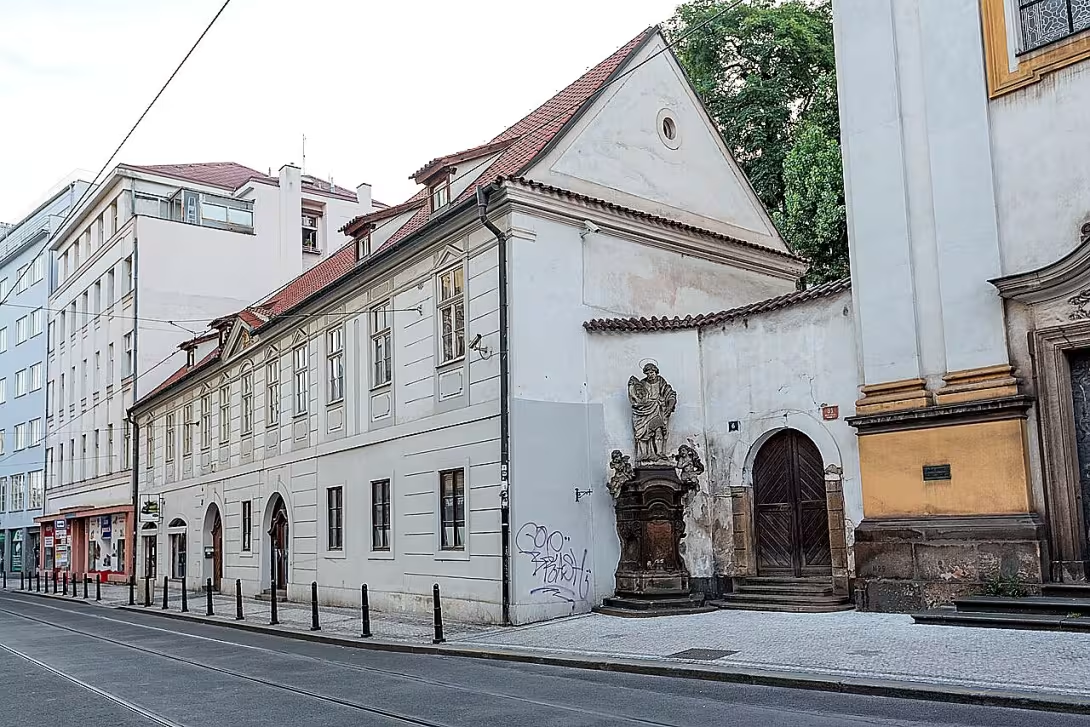
The Trinitarian Monastery with the Church of the Most Holy Trinity is a significant cultural landmark in Nové Město, Prague. Established in 1713 by Baron Jan Ignác Dominik Putz and his wife Terezie, this Baroque complex was designed by architects Ottavio Broggia, Kryštof Dientzenhofer, and Jan Jiří Achbauer mladší. The monastery served as a convent for the Order of the Most Holy Trinity until its dissolution in 1783 during Emperor Joseph II's religious reforms. Despite this, it remained an important site with a transferred parish from St. Martin's Church.
The origins of the Trinitarian Monastery date back to the early 18th century when Bohemia was part of the Habsburg Monarchy, experiencing significant Baroque architectural development. Initially, the Order had their first convent in nearby Slupy. In 1708, Baron Jan Ignác Dominik Putz, a prominent figure and patron of the arts, decided to establish a new monastery in Prague. He purchased two residential buildings for this purpose, commissioning Ottavio Broggia as the architect. The construction was completed by Kryštof Dientzenhofer and Jan Jiří Achbauer mladší in 1713. It wasn't until 1719 that the monastery was declared independent, with kněz Michal becoming its first abbot.
Architecturally, the Trinitarian Monastery is a testament to Baroque design, characterized by grandeur and elaborate details. The complex was constructed between 1708 and 1713, showcasing the collaborative efforts of Ottavio Broggia, Kryštof Dientzenhofer, and Jan Jiří Achbauer mladší. Following its dissolution in 1783 as part of Emperor Joseph II's religious reforms, parts of the monastery were converted into a parish church according to plans by P. Wiedhoff. The church itself was designed by Ottavio Broggia and completed by Dientzenhofer and Achbauer mladší.
Ownership and administration of the monastery underwent significant changes over time. Initially belonging to the Trinitarian Order, it later served military purposes after being repurposed into barracks. Despite these transformations, the site retained its cultural significance. The dissolution in 1783 marked a pivotal moment when parts of the convent were adapted for new uses, including housing a parish from St. Martin's Church.
Key events at the Trinitarian Monastery include its completion in 1713 and its dissolution in 1783 during Emperor Joseph II's religious reforms. Despite these changes, the monastery continued to serve as an important parish site. Notably, it houses a Renaissance baptismal font dated 1552 and Gothic doors from St. Martin's Church, adding historical depth to its architectural significance.
Today, the Trinitarian Monastery stands as a cultural monument within Prague's rich heritage landscape. Although parts of the complex were demolished in 1899, its remaining structures continue to attract visitors interested in Baroque architecture and religious history. The site is accessible for those wishing to explore its historical layers and appreciate its architectural beauty.
The Trinitarian Monastery with the Church of the Most Holy Trinity offers a unique glimpse into Prague's Baroque past and the complex history of monastic life within the Habsburg Monarchy. Its enduring presence as a cultural monument makes it a worthwhile visit for anyone interested in exploring the historical and architectural narratives that have shaped this part of Prague.
Then and now
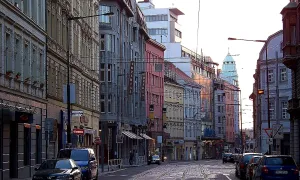
Drag the slider to compare how the landmark may have looked when it was built with the view today.
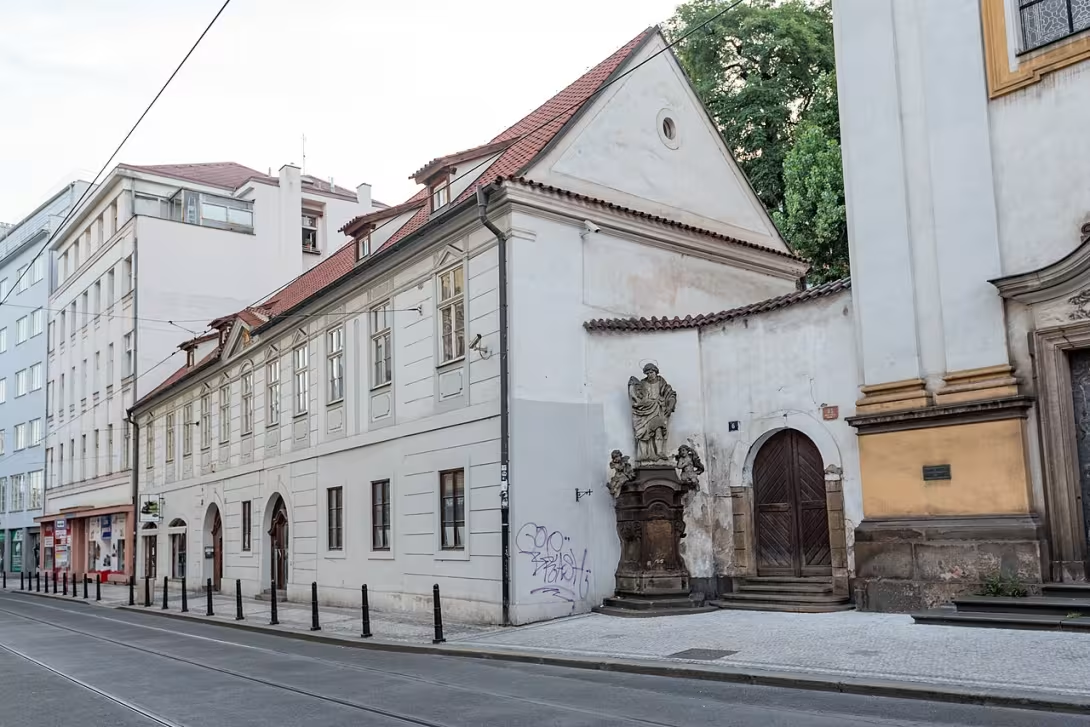

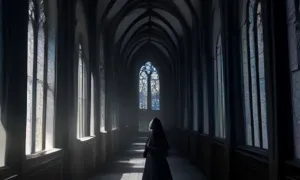
The historical appearance on the left is an AI-generated visualisation and serves as inspiration only.
Historical milestones
- 1708
- Baron Jan Ignác Dominik Putz purchased land for the monastery.
- 1713
- Construction of the Trinitarian Monastery completed.
- 1719
- Monastery declared independent with kněz Michal as first abbot.
- 1783
- Dissolution of the monastery during Emperor Joseph II's reforms.
Architectural development
The Trinitarian Monastery, designed in the Baroque style, was constructed between 1708 and 1713. After its dissolution in 1783, parts were converted into a parish church and later military barracks. The complex underwent significant changes over time, including partial demolition in 1899.
Historical events
1713: Construction of the monastery completed by Kryštof Dientzenhofer and Jan Jiří Achbauer mladší.
1783: The monastery was dissolved as part of Emperor Joseph II's religious reforms.
Owners
Initially owned by the Trinitarian Order, the monastery was later repurposed for military use and underwent various transformations before becoming part of Prague's cultural heritage.
Points of interest
- The Trinitarian Monastery was initially part of a larger plan to establish the Order's presence in Prague after their first convent in Slupy, highlighting the strategic expansion within Bohemia during the early 18th century.
- Despite its dissolution in 1783, the monastery retained elements from different architectural periods, including a Renaissance baptismal font dated 1552 and Gothic doors from St. Martin's Church, which were integrated into the Baroque complex, showcasing an intriguing blend of styles.
- The site underwent significant transformations over time, serving as barracks after its dissolution, reflecting how historical buildings in Prague have been repurposed to meet changing societal needs while maintaining cultural heritage.
- Architect Ottavio Broggia was responsible for both designing and completing parts of the church, demonstrating his pivotal role in shaping Baroque architecture in Prague alongside other renowned architects like Kryštof Dientzenhofer and Jan Jiří Achbauer mladší.
- The monastery's transition from a religious site to housing a parish from St. Martin's Church after its dissolution illustrates how religious reforms under Emperor Joseph II led to adaptive reuse of ecclesiastical buildings, preserving their function within the community.
Guide
This guide is narrated by a synthetic voice generated by artificial intelligence.
Show guide text
This text was created by artificial intelligence and has not been editorially reviewed. It may contain inaccuracies.
The Trinitarians monastery on Nové Město in Prague is a former convent of the Order of the Most Holy Trinity for the ransom of captives. It stood by the Church of the Most Holy Trinity and today is protected as a cultural monument. The Prague Trinitarians monastery was established relatively late and existed only for a short time.
The Trinitarians had their first convent in the nearby Slupy. But in 1708, Baron Jan Ignác Dominik Putz from Alderthurn decided to found a new monastery. He was the highest mint master of the Kingdom of Bohemia and at the same time a patron of the arts. Together with his wife Tereza, he purchased two residential houses for the future monastery. He entrusted the construction of the new building to the builder Ottavio Broggia. It was completed in 1713 by Kryštof Dientzenhofer and his stepson Jan Jiří Achbauer the Younger, son of the architect Jan Jiří Achbauer the Elder.
The convent became an independent monastery only in 1719. Its first abbot was a priest named Michal.
In 1783 the monastery was abolished as part of the religious reforms of Emperor Joseph the Second. The church was closed along with it. The faithful, however, managed to have it reopened. In 1784 the parish was transferred here from the then defunct Church of Saint Martin in the Wall. From the same church also comes a Renaissance tin baptismal font dated 1552. Also from there are the Gothic doors to the sacristy, studded with iron bands.
The monastic spaces were later converted into military barracks. In 1899 part of the monastery buildings were demolished.
Tips for visitors
The best time to visit the Trinitarian Monastery with the Church of the Most Holy Trinity is during late spring or early autumn, when the weather is pleasant for exploring the area. These seasons offer comfortable temperatures and fewer crowds, allowing you to fully appreciate the serene atmosphere of the monastery grounds. Additionally, visiting on a weekday can provide a more tranquil experience compared to weekends.
Walking around Nové Město is also enjoyable due to its compact layout.
When visiting the Trinitarian Monastery, consider bringing comfortable walking shoes as you'll likely explore more than just the monastery grounds. A camera with a zoom lens can be useful for capturing detailed architectural features of the church and surrounding buildings. Additionally, carrying an umbrella or raincoat is wise if visiting during spring or autumn when weather conditions can change quickly.
For photography enthusiasts, the best spots to capture the Trinitarian Monastery include the main entrance and the façade of the Church of the Most Holy Trinity. Early morning light provides a soft glow that enhances the intricate details of the architecture. The interior is also well-lit during this time, making it ideal for photographing the frescoes and altars.
In the vicinity of the Trinitarian Monastery, there are several cultural heritage sites within a 30-minute walk or short public transport ride. Consider visiting other historical churches in Nové Město, such as St. Nicholas Church, which is renowned for its baroque architecture. Additionally, explore nearby architectural landmarks to gain a broader appreciation of Prague's rich history.
For families with children, the Trinitarian Monastery offers a calm environment that can be educational and engaging. Many historical sites in Nové Město have interactive exhibits or guided tours suitable for younger audiences. After visiting the monastery, consider taking a leisurely walk through the charming streets of Nové Město, where you might find quaint cafes or parks perfect for a family break.
Frequently asked questions
Can the monument be visited?
Religious buildings are usually open mainly during services; at other times a visit is normally arranged with the parish or the operator. We have not verified specific times. According to the heritage register the structure is in poor condition – do not enter it and take care nearby.
Where is the monument?
Location: Spálená 80/8, Nové Město, Praha, Hlavní město Praha. The map on this page shows the exact spot.
Why is the monument protected?
It is listed in the Central List of Cultural Monuments of the Czech Republic as a cultural monument (register no. 39822/1-1046).
Businesses nearby
Do you run a restaurant, accommodation, shop, museum, rental, wellness or other visitor service near this monument? Show yourself directly to the people heading to it — this is how they will see you in the app and on the web:
Events nearby

Zdroj akcí: otevřená data měst a obcí ČR (Národní katalog otevřených dat) a kalendář akcí Národního památkového ústavu.
Nearby
Located in Nové Město, Prague, the area around the Trinitarian Monastery is rich with cultural heritage sites, including other historical churches and architectural landmarks within a 5 km radius.
Accommodation nearby
Trips and activities nearby
Guided tours, tickets and activities nearby from GetYourGuide
Affiliate link: if you buy from the partner, we may receive a commission. The price for you does not change.
Search tours and activities →Themed route
Trinitarian Monastery and its surroundings
1. Klášter trinitářů s kostelem Nejsvětější Trojice (Trinitarian Monastery with the Church of the Holy Trinity) - This 17th-century monastery is a unique example of Baroque architecture in Prague. The monastery's complex includes a beautiful church, a cloister, and a museum showcasing the history of the Trinitarian Order.
2. Kostel svatého Václava (St. Wenceslas Church) - A beautiful Gothic church from the 14th century, located just a short walk from the Trinitarian Monastery. The church features stunning stained-glass windows and a peaceful atmosphere.
3. Kostel svaté Ludmily (St. Ludmila Church) - A charming Baroque church built in the 17th century, known for its beautiful frescoes and intricate stone carvings. The church is located near the Trinitarian Monastery and offers a glimpse into the city's rich spiritual heritage.
4. Náměstí Míru (Peace Square) - A picturesque square surrounded by beautiful Baroque buildings, including the Trinitarian Monastery. The square is a great place to relax and enjoy the local atmosphere.
5. Pražská radnice (Prague City Hall) - A stunning example of Gothic architecture, the Prague City Hall is a must-see landmark in the city. The building dates back to the 14th century and features a beautiful astronomical clock.
Seasonal recommendations
Jaro
In the spring season, the Trinitarian Monastery with the Church of the Holy Trinity is surrounded by greenery and flowers, creating a pleasant atmosphere. The lighting is also specific in that it is mild and comfortable, allowing visitors to tour more easily. Practical tips: the best time to visit the monastery is in the morning or late afternoon when there are fewer crowds. We recommend bringing comfortable shoes and appropriate clothing for walking through the greenery.
Summer
In the summer season, the Trinitarian Monastery with the Church of the Holy Trinity is very popular, so it's best to arrive early to avoid large crowds. The specific feature is the warm and sunny weather, which allows for a pleasant walk around the monastery. Practical tips: we recommend bringing sunglasses, a hat, and plenty of drinks to avoid overheating.
Autumn
In the autumn season, the Trinitarian Monastery with the Church of the Holy Trinity is surrounded by beautiful leaf colors and trees, creating a pleasant atmosphere. The specific feature is the mild weather and fewer crowds, allowing for a more relaxed tour. Practical tips: the best time to visit the monastery is in late autumn when the leaves and tree colors are beautiful.
Winter
In the winter season, the Trinitarian Monastery with the Church of the Holy Trinity is pleasantly lit and warm, allowing for a more relaxed tour. The specific feature is also the smaller number of visitors, which allows for a more relaxed visit. Practical tips: we recommend bringing warm clothing and protecting your head from rain. The monastery is open only during certain hours, so it's best to check opening times before visiting.
Visualizations and artistic views


The visualisations are generated by artificial intelligence and serve as inspiration.
Photos from the area
Real photos taken near the monument

Zdroj a licence jsou uvedeny u každého snímku.
Tips from visitors
No tips yet. Be the first!
Log in and add your tip.
Sources and literature
Photos: Tilman2007 / CC BY-SA 4.0 — Wikimedia Commons. The author and licence also appear when you hover over the image.
Faktickým podkladem tohoto textu byl článek na Wikipedii, jehož autory jsou přispěvatelé Wikipedie. Článek je dostupný pod licencí CC BY-SA 4.0.
Location on the map
More monuments – Nové Město
Show all in the municipality


Příběhy a pověsti
Legendy, pověsti a příběhy spjaté s touto památkou
Fotografie návštěvníků
Zatím žádné fotografie. Buďte první, kdo přidá fotografii z návštěvy!
Log in a přidejte svou fotografii nebo hodnoťte.
Za ověřenou návštěvu v aplikaci získáte víc bodů — poznáme podle GPS, že jste na místě.
Reviews and comments