






Klikovka Homestead
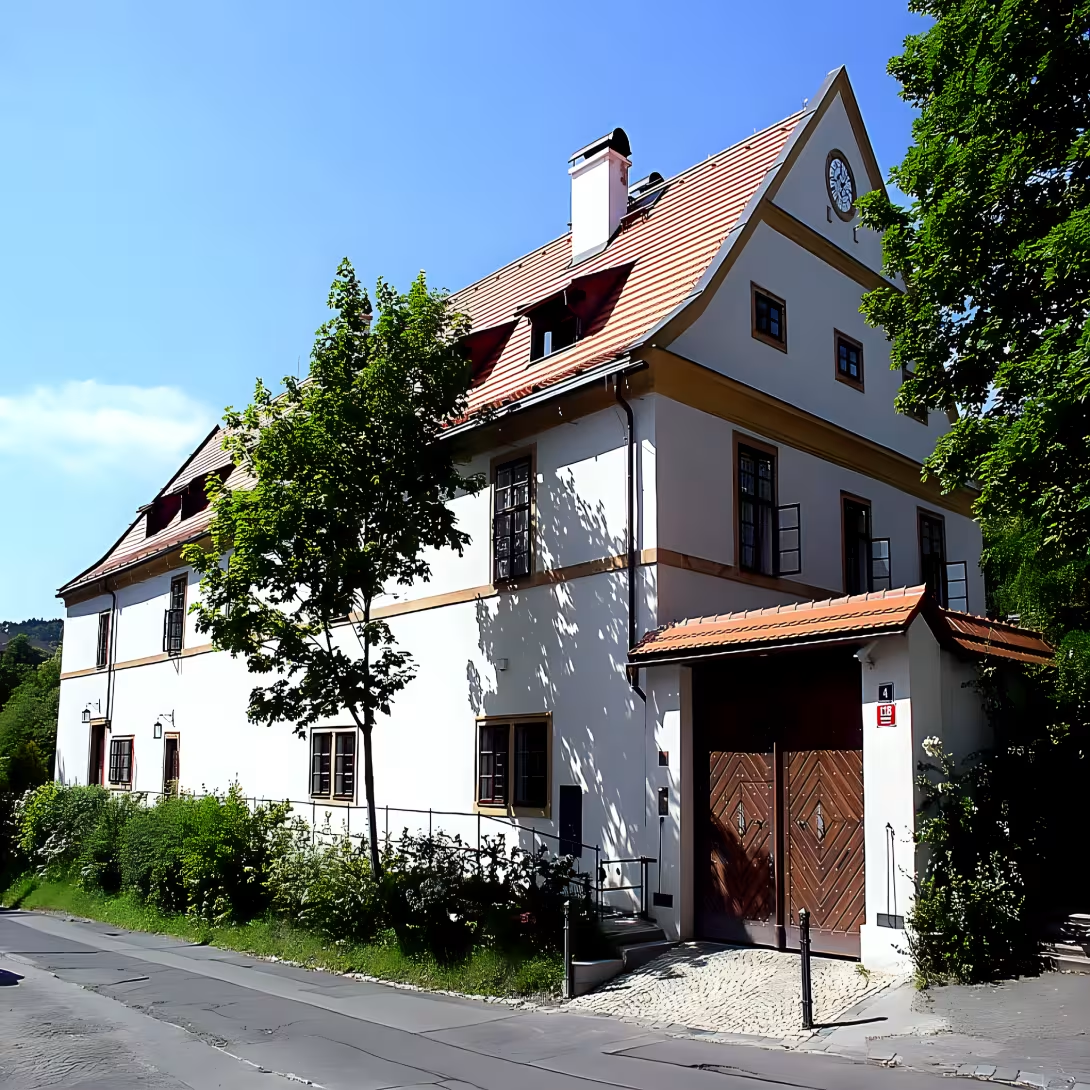
Klikovka is a historical site in Prague’s Smíchov district. It consists of a single surviving Baroque granary from the former Alsterlický dvůr estate. Established in 1643, the location served as a productive agricultural center. It remains a notable remnant of the rural history of Prague’s outskirts.
Johann Christof Alsterle founded the estate in 1643. Emperor Ferdinand II elevated him to the knightly rank. Alsterle originated from the burgher family Alsterlů z Astfeldu in České Budějovice. In 1689, his nephew, Maxmilián Wenzl Alsterle z Astfeldu, inherited the property.
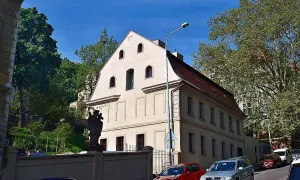
The original complex featured two masonry buildings arranged in an L-shape around an open courtyard. An additional rectangular building stood across Podbělohorská street. By the late 18th century, the site included a residential two-wing building with a Neoclassical facade and a dormer above the entrance. Agricultural facilities comprised a masonry stable, a pigsty, and a barn. The barn was partially demolished before the rest of the estate was cleared. The only surviving structure is the Baroque granary, a single-story masonry building with vaulted ceilings.
In 1758, a miller named Václav Klyka purchased the estate. The site subsequently became known as Klikovka. By the end of the 19th century, the Renner family owned the property. They also possessed the nearby Skalka, Zámečnice, and the now-defunct Klimentka. Following World War II, the City of Prague acquired the estate. It then established the State Farm of the Capital City of Prague.
The estate remained a significant presence on both sides of Podbělohorská street, featuring a large garden, until the early 1970s. The granary received monument protection in 1964. However, the residential and agricultural buildings were demolished in 1971. The name Klikovka is also associated with another former estate in Prague 4-Nusle, located approximately 7 kilometers away. That site disappeared after 1910. The memory of the Smíchov estate is preserved in the names of the nearby streets U Klikovky and Pod Klikovkou.
The site is now represented solely by the vaulted Baroque granary. It has been used for residential purposes since the 19th century. The structure stands as a protected architectural witness to the area's agricultural past. This monument offers a concrete link to the historical development of Smíchov. It is worth visiting for those interested in the city's lost rural estates.
Then and now
Drag the slider to compare how the landmark may have looked when it was built with the view today.
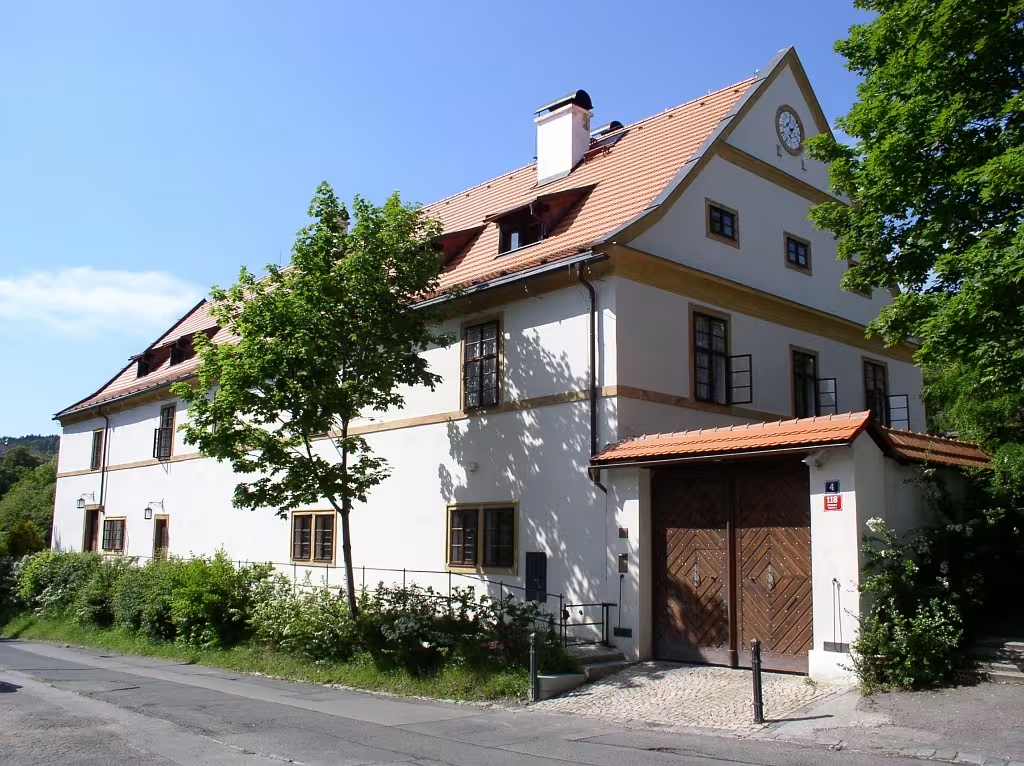
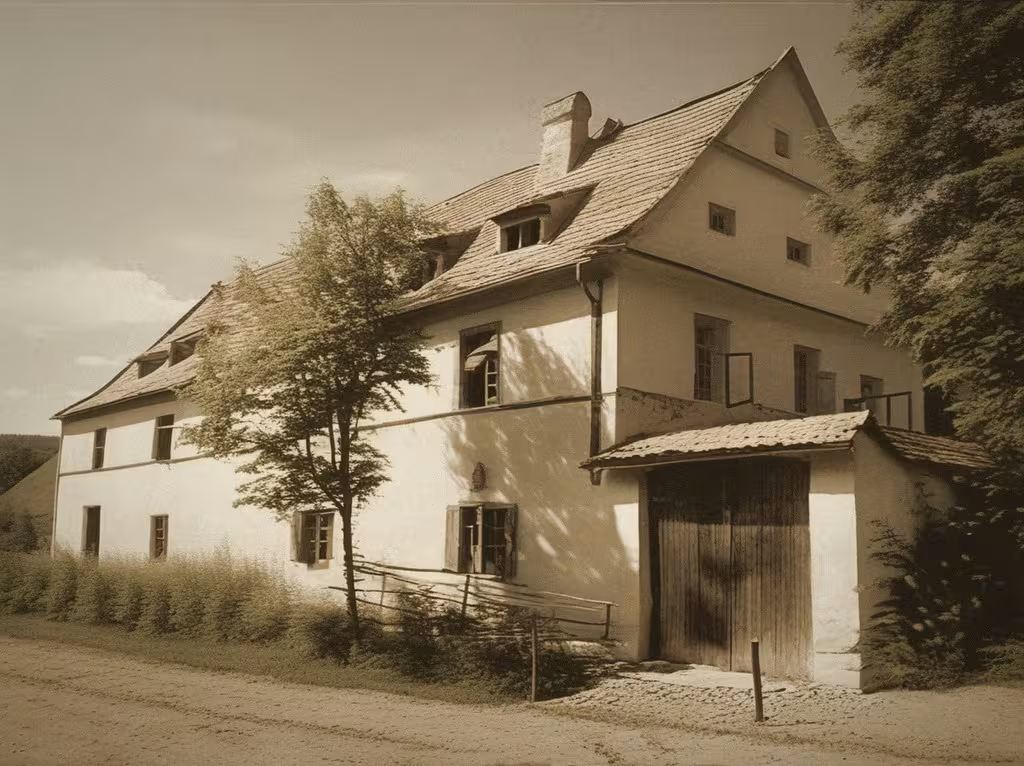
The historical appearance on the left is an AI-generated visualisation and serves as inspiration only.
Historical milestones
- 1643
- Construction of the Alsterlický dvůr estate by Johann Christof Alsterle.
- 1689
- Maxmilián Wenzl Alsterle z Astfeldu inherited the property.
- 1758
- Václav Klyka purchased the estate, giving it the name Klikovka.
- 1964
- The Baroque granary was declared a protected monument.
- 1971
- Demolition of the residential and agricultural buildings of the estate.
Architectural development
The original estate consisted of L-shaped masonry buildings and a rectangular building across Podbělohorská street. A late 18th-century Neoclassical residential building with a dormer once stood on the site. The only surviving structure is the single-story, vaulted Baroque granary.
Historical events
In 1643, Johann Christof Alsterle built the estate. In 1758, Václav Klyka purchased the property, leading to its name Klikovka. The granary was placed under monument protection in 1964, and the remaining estate buildings were demolished in 1971.
Owners
Johann Christof Alsterle (from 1643), Maxmilián Wenzl Alsterle z Astfeldu (from 1689), Václav Klyka (from 1758), the Renner family (late 19th century), and the City of Prague (post-WWII).
Points of interest
– The site is now represented only by a single surviving Baroque granary with vaulted ceilings. – The estate was founded in 1643 by Johann Christof Alsterle, who was elevated to knightly rank by Emperor Ferdinand II. – The name Klikovka originated from Václav Klyka, a miller who purchased the estate in 1758. – After World War II, the City of Prague acquired the estate and established the State Farm of the Capital City of Prague. – The memory of the estate is preserved in the names of the nearby streets U Klikovky and Pod Klikovkou.
Guide
Show guide text
This text was created by artificial intelligence and has not been editorially reviewed. It may contain inaccuracies.
Welcome to Smíchov. As you stand here, take a moment to pause and truly absorb your surroundings. You are standing in a place where the layers of history are not just written in books, but are etched into the very stones that remain before you. At first glance, you might see a solitary structure, a quiet remnant amidst the evolving landscape of the city, but what you are looking at is a survivor. This is Klikovka, a site that serves as a powerful, singular witness to a lost world.
To understand what you see, we must travel back in time, far beyond the modern streets of Prague, to the mid-17th century. Imagine this area not as the urban district it is today, but as a sprawling, productive agricultural heartland. This site was originally part of the extensive Alsterlický dvůr estate. The story of this place begins in 1643, when it was established by Johann Christof Alsterle. This was a period of profound transformation, and the Alsterle family was at the center of it. Johann Christof Alsterle was not merely a landowner; his influence was such that he was elevated to knightly rank by Emperor Ferdinand II. This connection to the imperial court underscores the prestige and the significant economic importance that the Alsterlický dvůr held during those formative years.
As the decades passed, the estate changed hands, carrying with it the ambitions and the legacies of different families. In 1689, the property was inherited by Maxmilián Wenzl Alsterle z Astfeldu, continuing the lineage of the founders. For over a century, the estate functioned as a vital agricultural center, a hub of productivity that fueled the growth of the surrounding region.
Now, I invite you to direct your attention to the building standing directly in front of you. While much of the original estate has vanished, this Baroque granary remains as a significant architectural anchor. Even as you stand there, try to sense the weight and the purpose of this structure. It was built to endure, to protect, and to serve. Notice the character of the Baroque style—a style that, even in a functional building like a granary, seeks a sense of order, strength, and dignity. If you were to step inside, you would encounter the impressive vaulted ceilings that define the interior, a hallmark of the craftsmanship of that era. These vaults were not just for beauty; they provided the structural integrity necessary to hold massive quantities of grain, symbolizing the wealth and the abundance that this estate once generated.
As you contemplate the architecture, consider the names that have been whispered in these spaces over the centuries. The identity of this place underwent a fascinating shift in 1758. That was the year Václav Klyka purchased the estate. Václav Klyka was a miller, and his arrival marked a turning point in the local history. It was through him that the estate shed its original association with the Alsterle family and took on the name Klikovka. It is a wonderful example of how a single individual, through ownership and presence, can leave an indelible mark on the very identity of a location. The name Klyka became synonymous with the land, and eventually, the name Klikovka became the name of the place itself. Throughout its long history, other families, such as the Renner family, also became part of this complex tapestry of ownership and life.
However, the story of Klikovka is also a poignant one, a story of what remains and what has been lost. For centuries, this granary was just one part of a much larger, bustling complex of residential and agricultural buildings. It was a living, breathing ecosystem of farming, milling, and domestic life. But the 20th century brought radical changes to the landscape of Smíchov. In 1964, recognizing its historical value, the Baroque granary was officially declared a protected monument. It was a victory for preservation, yet it arrived at a time of great upheaval.
Just seven years later, in 1971, the rest of the estate met a different fate. The residential and agricultural buildings that once surrounded this granary were demolished. In a matter of years, the vast Alsterlický dvůr was reduced to this single, standing monument. When you look at the granary now, try to visualize the ghosts of the buildings that used to stand beside it—the homes where families lived, the barns where tools were kept, and the bustling courtyards that once echoed with the sounds of agricultural life. This building stands in a kind of beautiful, lonely defiance against the passage of time and the forces of urban development.
There is a certain mystery in standing before a remnant like this. It forces us to ask: what else was here? What did the air smell like in the 1700s? How did the light hit these walls before the modern city rose up around them? The granary is a fragment of a much larger puzzle, a piece of a history that we can only partially reconstruct. It serves as a reminder that the cities we walk through every day are built upon the foundations, both literal and metaphorical, of those who came before us.
As you prepare to continue your journey through Smíchov, I encourage you to keep this sense of layered history in mind. Every corner of this district holds a story, often hidden in plain sight. The granary at Klikovka is a testament to resilience—a single, vaulted survivor that continues to tell the tale of the Alsterle family, the miller Václav Klyka, and the vanished grandeur of the Alsterlický dvůr.
Thank you for listening, and please, enjoy the rest of your exploration of this remarkable city.
Tips for visitors
The best time to visit Klikovka is during the late spring or early autumn months, when the weather is mild and pleasant for outdoor exploration. During these times, you can enjoy the historical site without the crowds that often accompany peak tourist seasons in Prague. The natural light during these periods also enhances the beauty of the Baroque granary, making it an ideal time for photography enthusiasts.
Parking near Klikovka might be limited due to its location in the Smíchov area close to Podbělohorská street. Visitors are encouraged to use public transportation or park a bit further away and walk to the site. The surrounding areas of Prague offer various parking options, but it's advisable to check local resources for specific guidance on nearby parking availability.
When planning your visit to Klikovka, consider bringing comfortable walking shoes as exploring historical sites often involves some walking on uneven surfaces. A camera or smartphone is recommended to capture the architectural details and serene surroundings of the Baroque granary. Additionally, carrying a light jacket or umbrella can be helpful due to the unpredictable weather changes in Prague.
For photography enthusiasts, the best spots at Klikovka are those that offer views of the Baroque granary against the backdrop of Smíchov's urban landscape. Early morning light provides soft shadows and highlights the textures of the building, while late afternoon offers a warm glow that can accentuate its features. Exploring different angles around the site will reveal unique perspectives.
Nearby attractions within 30 minutes include the historic Vinohrady district, known for its vibrant cultural scene and architectural beauty. Families with children might also enjoy visiting the nearby Prague Zoo or exploring the interactive exhibits at the National Technical Museum, both offering engaging experiences that complement a visit to Klikovka.
Businesses nearby
Events nearby

Zdroj akcí: otevřená data měst a obcí ČR (Národní katalog otevřených dat) a kalendář akcí Národního památkového ústavu.
Nearby
The site is located in the Smíchov area near Podbělohorská street.
Accommodation nearby
Trips and activities nearby
Guided tours, tickets and activities nearby from GetYourGuide
Affiliate link: if you buy from the partner, we may receive a commission. The price for you does not change.
Search tours and activities →Themed route
Thematic Walking Tour: Smíchov Area
1. Klikovka (ostatní) - *Type:* Historical Monument - *Why Visit:* Klikovka is a fascinating historical site located near Podbělohorská street in the Smíchov area. This monument offers a glimpse into the architectural and cultural history of Prague, making it an essential stop for anyone interested in exploring the city's past.
2. Podbělohorská Street - *Type:* Historic Street - *Why Visit:* As you walk along Podbělohorská street, take time to appreciate its charming architecture and vibrant atmosphere. This street is not only a gateway to Klikovka but also offers picturesque views and an authentic feel of the local life in Smíchov.
3. Smíchov Area - *Type:* Urban Neighborhood - *Why Visit:* The surrounding area of Smíchov is rich with history and culture, offering a blend of traditional and modern influences. Exploring this neighborhood provides insight into Prague's dynamic urban landscape and its evolution over the years.
This tour highlights key attractions within the immediate vicinity of Klikovka, ensuring an enriching experience focused on historical and cultural exploration in Smíchov.
Seasonal recommendations
In spring, Klikovka comes alive as the surrounding greenery begins to bloom, providing a soft, natural contrast to the clean lines of the architecture. The light is gentle and diffused, making it an ideal time for those who appreciate subtle colors and a sense of renewal. Visitors should prepare for unpredictable weather by wearing layers and should aim for a mid-morning visit to enjoy the mild temperatures before the day warms up.
During the summer months, the sun shines brightly over Smíchov, emphasizing the geometric precision and functionalist details of the site. The atmosphere is vibrant and energetic, reflecting the lively pulse of the city. To avoid the peak heat and the largest crowds, it is best to arrive early in the morning. Light, breathable clothing is highly recommended to stay comfortable while exploring the area.
Autumn brings a unique, nostalgic atmosphere to Klikovka, with golden hues and long, dramatic shadows that dance across the building's facade. The crisp air and changing foliage create a beautiful, contemplative backdrop. It is wise to wear sturdy walking shoes and warm layers, especially as the temperature drops toward the evening. Visiting during the afternoon provides the most striking visual experience as the light softens.
In winter, the site takes on a more minimalist and quiet character. The starker light and potential frost highlight the structural essence of the architecture against the shorter days. Because the daylight is limited, plan your visit for the middle of the day to make the most of the natural light. Ensure you are dressed in heavy, warm clothing to protect against the chill, and be mindful that the surrounding area may feel much quieter during this season.
Visualizations and artistic views


The visualisations are generated by artificial intelligence and serve as inspiration.
Photos from the area
Real photos taken near the monument


Zdroj a licence jsou uvedeny u každého snímku.
Tips from visitors
No tips yet. Be the first!
Log in and add your tip.
Sources and literature
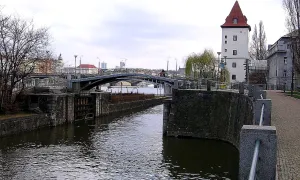
Fotografie: User:Lukyn.v / CC BY 2.5, rozlišení zvýšeno umělou inteligencí — Wikimedia Commons. The author and licence also appear when you hover over the image.
Faktickým podkladem tohoto textu byl článek na Wikipedii, jehož autory jsou přispěvatelé Wikipedie. Článek je dostupný pod licencí CC BY-SA 4.0.
Location on the map
Příběhy a pověsti
Legendy, pověsti a příběhy spjaté s touto památkou
Fotografie návštěvníků
Zatím žádné fotografie. Buďte první, kdo přidá fotografii z návštěvy!
Přihlaste se a přidejte svou fotografii nebo hodnoťte.
Za ověřenou návštěvu v aplikaci získáte víc bodů — poznáme podle GPS, že jste na místě.
Reviews and comments