



Klubovna Tenisového klubu LTC Praha Building
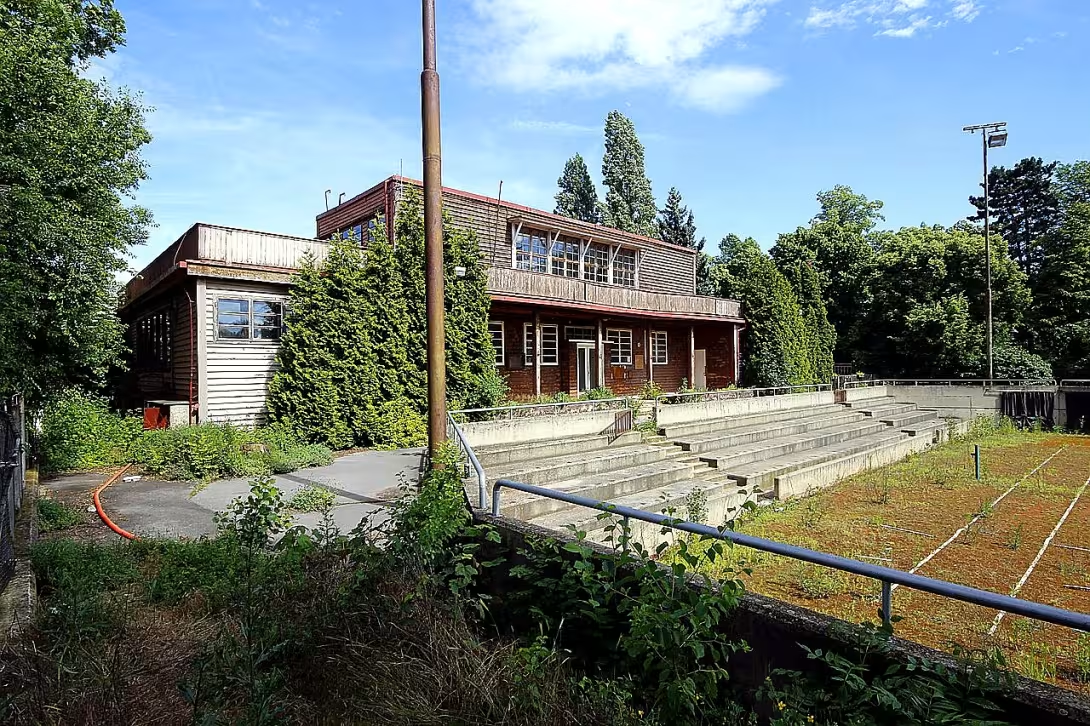
The Klubovna Tenisového klubu LTC Praha is a provisional wooden structure located in Prague's Holešovice district. Designed by Bohumír Kozák in 1926, it serves as the clubhouse for the Lawn Tennis Club Praha and holds historical significance due to its architectural style and cultural importance. Recognized as a state-protected monument, it reflects early 20th-century trends in leisure and sports development within Czech society.
The Lawn Tennis Club Praha was founded in 1904 by students of Charles-Ferdinand University, marking the beginning of an era where tennis became popular among notable figures in Czech society. After World War I, as the club expanded rapidly, it required additional facilities to accommodate its growing membership and activities. This led to the construction of a provisional wooden clubhouse designed by Bohumír Kozák in 1926. The building was intended as a temporary solution while reflecting architectural trends of the time.
Architecturally, the Klubovna Tenisového klubu LTC Praha is characterized by its use of wood, aligning with other provisional structures from that era in Prague, such as the zimní stadion Štvanice and the Loděnice Českého Yacht Klubu. The design includes women's and men's changing rooms with showers on the ground floor, a central dining area, and an upper-level social room with a terrace offering views of the tennis courts. This functional yet modest design underscores its role as a community hub for club members.
Ownership and administration of the building have seen significant changes over time. Initially owned by the Lawn Tennis Club Praha, it was later managed by Úřad pro zastupování státu ve věcech majetkových starting February 10, 2014. Recently, a civic association named Alternativa II has taken charge of its restoration, aiming to preserve this historical structure through volunteer efforts.
The surrounding area of the Klubovna Tenisového klubu LTC Praha has undergone considerable changes since its construction. The tennis courts east of the clubhouse were repurposed for industrial use in the mid-20th century, and a covered court was built nearby during the 1960s and 1970s. These alterations reflect broader urban development trends that have impacted the site over time.
Today, the Klubovna Tenisového klubu LTC Praha stands as a testament to early 20th-century architectural practices and social developments in Prague. Efforts by Alternativa II are ongoing to restore and preserve this state-protected monument for future generations. Visitors interested in Czech history and architecture will find it worth exploring, not only for its historical significance but also for the stories of notable figures who once frequented its halls.
The Klubovna Tenisového klubu LTC Praha offers a unique glimpse into Prague's past, capturing both architectural ingenuity and cultural evolution. Its preservation is crucial to understanding the city's rich history, making it an essential visit for anyone interested in exploring the layers of time that have shaped this vibrant metropolis.
Then and now
Drag the slider to compare how the landmark may have looked when it was built with the view today.
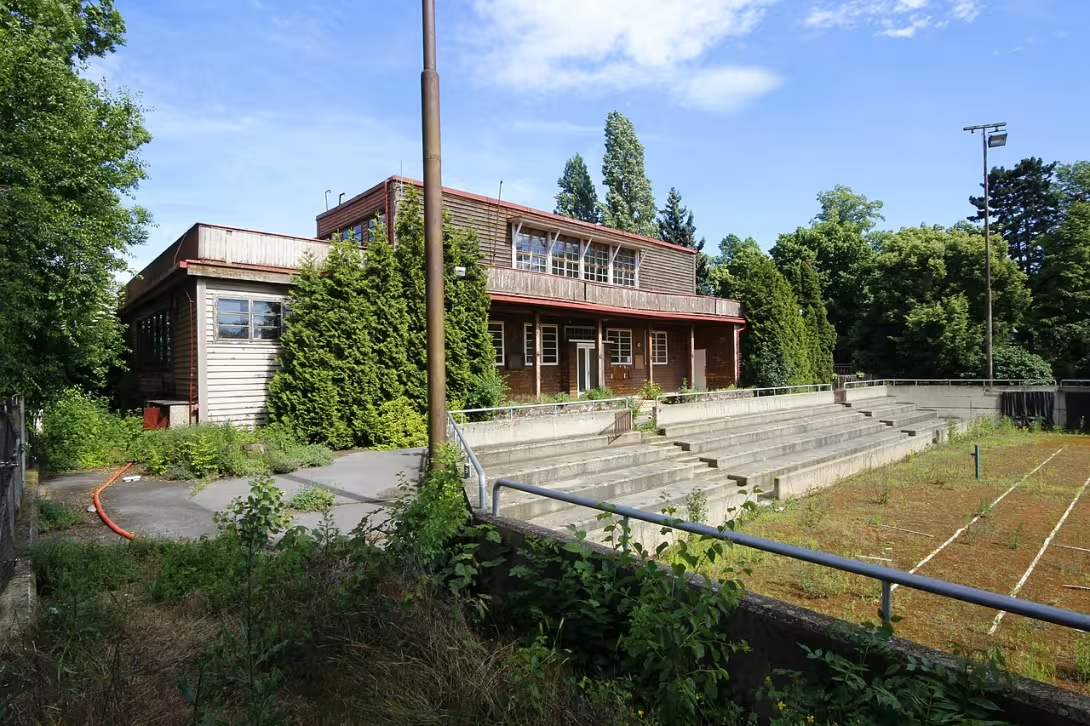
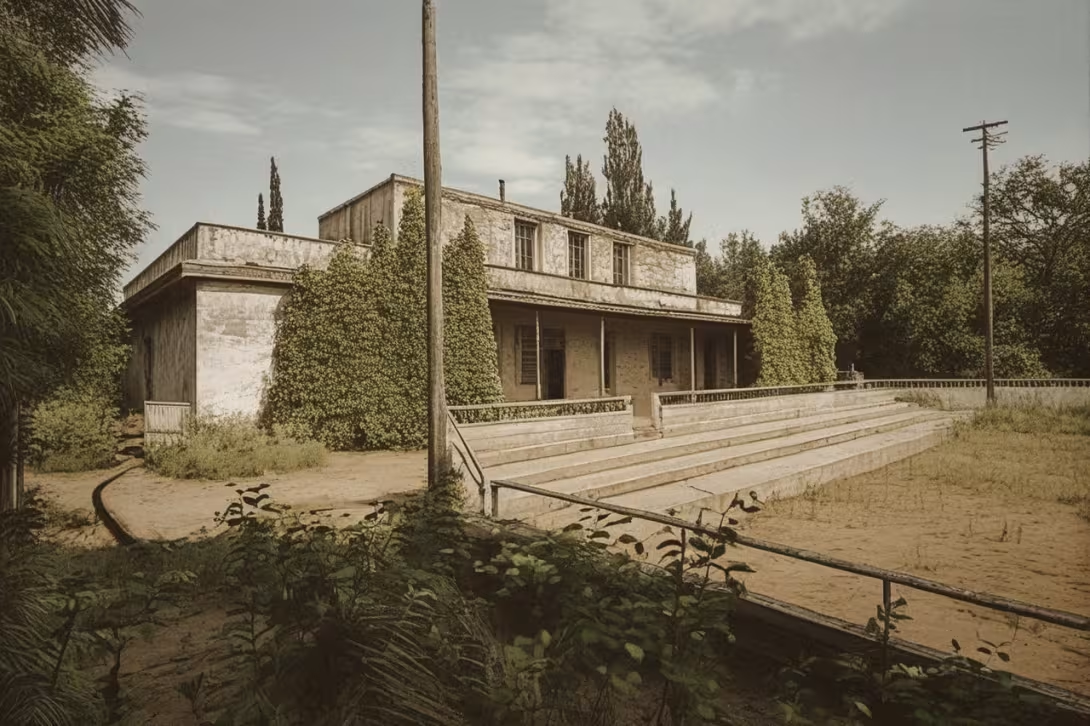
The historical appearance on the left is an AI-generated visualisation and serves as inspiration only.
Historical milestones
- 1926
- Construction of the provisional wooden clubhouse designed by Bohumír Kozák.
Architectural development
Initially built as a temporary structure to accommodate the growing Lawn Tennis Club Praha, the building reflects early 20th-century architectural styles. It was constructed using wood, similar to other provisional structures of that era in Prague.
Historical events
The Lawn Tennis Club Praha was founded in 1904 by students of Charles-Ferdinand University.
In 1926, a provisional wooden clubhouse designed by Bohumír Kozák was constructed.
Owners
The Lawn Tennis Club Praha originally owned the building; it was later managed by Úřad pro zastupování státu ve věcech majetkových from February 10, 2014. The building is currently under restoration led by the civic association Alternativa II.
Points of interest
- The Klubovna Tenisového klubu LTC Praha was designed by Bohumír Kozák, a notable architect whose works are less known outside Czech architectural circles, yet he played a significant role in shaping early 20th-century structures in Prague.
- While the clubhouse is recognized for its provisional wooden design, it shares an interesting connection with other temporary structures of its time, such as zimní stadion Štvanice and Loděnice Českého Yacht Klubu, highlighting a trend of using wood for functional yet aesthetically significant buildings in Prague.
- The Lawn Tennis Club Praha was founded by students from Charles-Ferdinand University, now known as Charles University, making it one of the earliest clubs to popularize tennis among Czech intellectuals and notable figures during its early years.
- Ownership changes over time have added layers to the building's history; notably, after being managed by Úřad pro zastupování státu ve věcech majetkových, a civic association named Alternativa II took charge of its restoration, emphasizing community involvement in preserving cultural heritage.
- The transformation of the surrounding area reflects broader urban development trends, as the original tennis courts east of the clubhouse were repurposed for industrial use, illustrating how historical sites adapt to changing city landscapes.
Guide
This guide is narrated by a synthetic voice generated by artificial intelligence.
Show guide text
This text was created by artificial intelligence and has not been editorially reviewed. It may contain inaccuracies.
The wooden clubhouse of the former Lawn Tennis Club Prague in Holešovice was built in nineteen twenty-six according to a design by architect Bohumír Kozák. It was intended as a temporary structure, and yet it has survived and is today a state-protected monument.
The club itself is more than twenty years older. It was founded in nineteen oh-four by students of the law faculty of the Imperial-Royal Czech Charles-Ferdinand University, initially under the name Lawn Tennis Cercle. Among its members were notable figures, for example Jan and Olga Masarykov, Karel Schwarzenberg, and Jiří Stanislav Guth-Jarkovský. The club manager was Josef Koželuh, father of the later tennis players Karel and Jan Koželuh.
The first clubhouse stood from nineteen twelve. But the club was growing. After World War One, it already had nine courts, and in nineteen twenty-four the first Czech court was added with stands for two thousand spectators. A year later, Bohumír Kozák presented his first designs for a new clubhouse. He designed it as a temporary wooden structure, similar to the winter stadium on Štvanice, the People's House in Libni, or the boathouse of the Czech Yacht Club in Podolí. The building was constructed in the following year and was carried out probably by the companies Hautschauer and Pištora.
The layout of the building is simple. On the ground floor are ladies and gentlemen's changing rooms with showers, and a dining room in the central part. On the upper floor there is the club's social room and a terrace with a view of the courts.
The surroundings of the clubhouse suffered considerably in the second half of the twentieth century. In the nineteen fifties, the construction of ventilation chimneys for the Letná tunnel occupied the courts to the east of the building. In the nineteen sixties and seventies, an indoor court was built in close proximity. In the nineteen eighties, the courts were then sunken below ground level, which proved to be a very problematic intervention.
Since two thousand six, the civic association Alternativa II has been trying to rescue the deteriorating building. On February tenth, twenty fourteen, it took it over from the Office for the Representation of the State in Property Matters. In August twenty fifteen, a restoration plan for the repair and renovation of the external shell of the clubhouse was approved. The renovation is supported by the work of volunteers.
Tips for visitors
The best time to visit the Klubovna Tenisového klubu LTC Praha is during late spring or early autumn when the weather is pleasant, allowing for a comfortable exploration of both the building and its surroundings. The mild temperatures make it ideal for walking around the area and appreciating the historical context without the discomfort of extreme heat or cold. Additionally, visiting outside of peak tourist seasons can provide a more serene experience with fewer crowds.
The area is accessible by both car and public transport, offering flexibility depending on your preference or needs. Public transportation can provide convenient access to the location, with various options available that connect to other parts of Prague.
When planning a visit, consider bringing comfortable walking shoes as you might want to explore the surrounding area of Holešovice, which has undergone significant changes since the building's construction. A camera or smartphone for photography is recommended, especially if you're interested in capturing the architectural details of this provisional wooden structure designed by Bohumír Kozák. Additionally, carrying a water bottle and some snacks can enhance your visit, particularly on warmer days.
Photography enthusiasts will find several spots around the Klubovna Tenisového klubu LTC Praha worth exploring for capturing its unique architectural style. The best light is typically during the golden hours—shortly after sunrise or before sunset—when the soft lighting can highlight the building's features and create a warm ambiance in your photographs. Exploring different angles around the clubhouse may also reveal interesting perspectives of this historical structure.
For families with children, visiting the Klubovna Tenisového klubu LTC Praha offers an educational opportunity to learn about Prague's architectural history and the evolution of its urban landscape. While there are no specific child-friendly attractions mentioned in close proximity within 30 minutes, the surrounding area of Holešovice itself can be a point of interest for exploring how industrial changes have shaped the city. Engaging children with stories or facts about the building and its past uses could make the visit more interactive and enjoyable.
Nearby, within a 30-minute distance, are areas that reflect the significant alterations to the landscape since the clubhouse's construction. Although specific attractions aren't listed in the provided information, exploring these changes can offer insights into Prague's development over time. This exploration can be particularly fascinating for those interested in urban history and architecture.
Frequently asked questions
Can the monument be visited?
The building is in use (offices, a school, shops and the like). The interior is generally accessible only during operating hours and tours are not usually offered; we have not verified the details. You can see the exterior from the street. According to the heritage register restoration is under way, so access may be restricted.
Where is the monument?
Location: Holešovice, Hlavní město Praha. The map on this page shows the exact spot.
Why is the monument protected?
It is listed in the Central List of Cultural Monuments of the Czech Republic as a cultural monument (register no. 1308448949).
Businesses nearby
Do you run a restaurant, accommodation, shop, museum, rental, wellness or other visitor service near this monument? Show yourself directly to the people heading to it — this is how they will see you in the app and on the web:
Events nearby

Zdroj akcí: otevřená data měst a obcí ČR (Národní katalog otevřených dat) a kalendář akcí Národního památkového ústavu.
Nearby
The surrounding area has been significantly altered since the building's construction. In the mid-20th century, tennis courts east of the clubhouse were repurposed for industrial use, and a covered court was built nearby in the 1960s and 1970s.
Accommodation nearby
Trips and activities nearby
Guided tours, tickets and activities nearby from GetYourGuide
Affiliate link: if you buy from the partner, we may receive a commission. The price for you does not change.
Search tours and activities →Themed route
Tematická výletní trasa: Klubovna Tenisového klubu LTC Praha
1. Klubovna Tenisového klubu LTC Praha (budova)
Typ: Historická budova
Proč stojí za návštěvu: Tato klasicistní budova, postavená v roce 1894, je jednou z nejstarších a nejznámějších tenisových klubů v Evropě. Je to ikonický příklad historie sportu v Praze a poskytuje návštěvníkům pohled na architektonicky zajímavou strukturu s bohatou minulostí.
2. Přestavěné tenisové hřiště (pokrytý areál)
Typ: Sportovní místo, historická lokalita
Proč stojí za návštěvu: Toto místo bylo v 60. a 70. letech přestavěno na pokryté tenisové hřiště a je důležitou součástí historie LTC Praha. Návštěvníci mohou ocenit, jak se místo vyvinulo z tradičních venkovních hřišť na moderní pokryté areály, což odráží širší trendy v urbanistickém plánování a sportu.
3. Původní tenisové hřiště (dnes průmyslové použití)
Typ: Historický areál, průmyslová lokalita
Proč stojí za návštěvu: I když bylo původní tenisové hřiště v 20. století přeměněno na průmyslovou oblast, jeho historický kontext je fascinující pro ty, kteří chtějí pochopit, jak se měnily použití prostor v Praze. Tato lokalita představuje zajímavý kontrast mezi sportovním dědictvím a moderním průmyslovým rozvojem.
Tato trasa nabízí návštěvníkům pohled na historickou transformaci místa, od jeho počátků jako tenisového klubu přes průmyslovou adaptaci až po současný stav.
Seasonal recommendations
Spring: As the winter chill gives way to milder temperatures, visiting LTC Praha's Tennis Club House during spring offers a unique opportunity to witness the budding of nature around this historical site. The soft light filtering through new leaves creates an enchanting atmosphere that enhances the architectural beauty of the building in its current state of reconstruction. This period often sees fewer visitors compared to summer, allowing for a more intimate exploration of the area. It's advisable to wear comfortable layers as temperatures can vary throughout the day and bring a camera to capture the subtle changes in nature.
Summer: Summer is an ideal time to experience the vibrant atmosphere surrounding LTC Praha's Tennis Club House. The long daylight hours provide ample opportunity to explore the site, though it’s wise to arrive early or later in the afternoon to avoid the peak visitor times during this popular season. Light clothing and sun protection are essential due to the warm weather, while a hat can offer additional comfort as you wander through the lively surroundings. The summer ambiance is perfect for leisurely strolls and enjoying outdoor activities nearby.
Autumn: Autumn presents a picturesque setting with its rich palette of colors enveloping the LTC Praha's Tennis Club House. As leaves turn golden and fall to the ground, they create a stunning natural backdrop that complements the historic architecture. The cooler temperatures make it comfortable for extended visits without the summer heat. It’s advisable to wear layers as the weather can be unpredictable, ranging from crisp days to chilly evenings. This season is less crowded than summer but still offers a charming experience with fewer crowds.
Winter: Winter transforms LTC Praha's Tennis Club House into a serene and quiet destination. The shorter daylight hours mean visits are best enjoyed during the day when natural light illuminates the building’s features, adding a unique charm to its winter appearance. With potentially snowy landscapes around, it’s essential to dress warmly in layers and wear sturdy shoes for navigating any icy paths. Although fewer people visit during this time, it provides an opportunity for a peaceful exploration of the site amidst the quiet beauty of the season.
Visualizations and artistic views


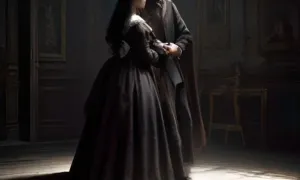
The visualisations are generated by artificial intelligence and serve as inspiration.
Photos from the area
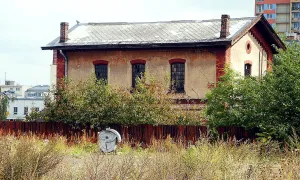
Real photos taken near the monument


Zdroj a licence jsou uvedeny u každého snímku.
Tips from visitors
No tips yet. Be the first!
Log in and add your tip.
Sources and literature
Photos: gampe / CC BY-SA 3.0 — Wikimedia Commons. The author and licence also appear when you hover over the image.
Faktickým podkladem tohoto textu byl článek na Wikipedii, jehož autory jsou přispěvatelé Wikipedie. Článek je dostupný pod licencí CC BY-SA 4.0.
Location on the map


Příběhy a pověsti
Legendy, pověsti a příběhy spjaté s touto památkou
Fotografie návštěvníků
Zatím žádné fotografie. Buďte první, kdo přidá fotografii z návštěvy!
Log in a přidejte svou fotografii nebo hodnoťte.
Za ověřenou návštěvu v aplikaci získáte víc bodů — poznáme podle GPS, že jste na místě.
Reviews and comments