






Pražská tržnice Other
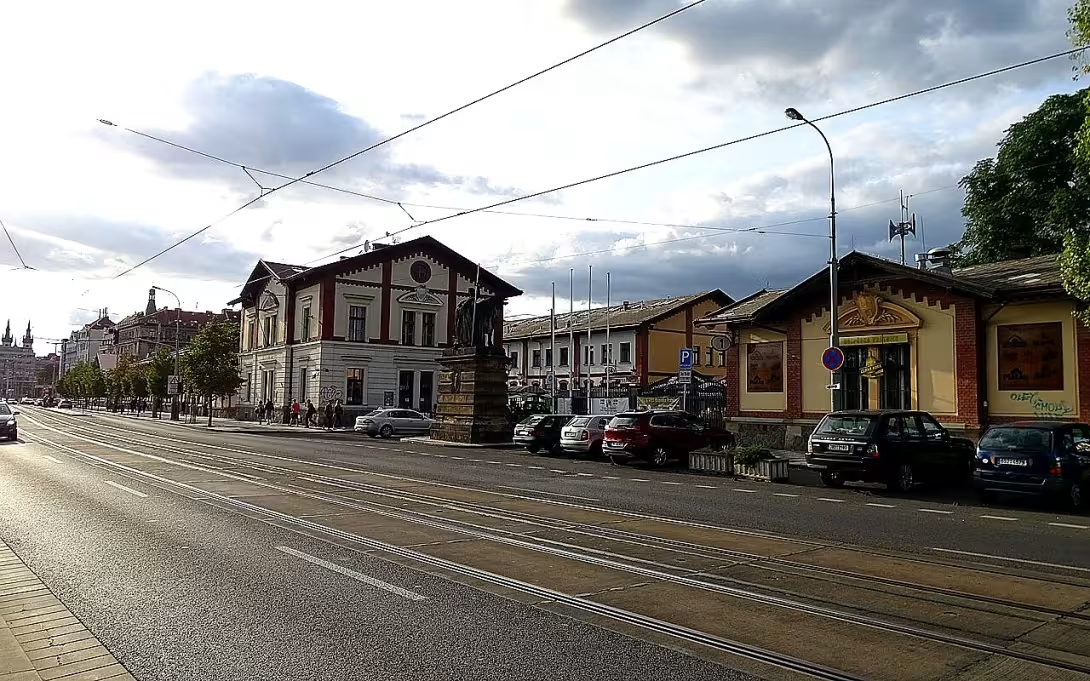
Pražská tržnice, originally known as Holešovická tržnice, is a historically significant site in Prague's Holešovice district. Constructed between 1893 and 1895 by architect Josef Srdínka, it initially served as the Central Slaughterhouse for the Royal City of Prague. The complex features Art Nouveau (secese) architectural elements and has been a cultural monument since 1993. After ceasing its original function in 1983, it was transformed into a bustling marketplace.
The site's origins are rooted in late 19th-century urbanization and industrial growth in Prague. Designed to meet the city's expanding meat processing needs, the Central Slaughterhouse incorporated Art Nouveau elements reflecting broader European architectural trends of the time. Architect Josef Srdínka, with later contributions from Ludvík Čížek, designed the complex.
The architecture of Pražská tržnice blends secese and neorenaissance styles. Buildings feature brickwork and plastered surfaces, with varied roof structures enhancing their aesthetic appeal. Originally serving as a slaughterhouse, the complex included facilities such as cold storage rooms, administrative offices, and spaces for livestock. Between 1925 and 1929, significant modernization efforts were undertaken by firms like Škodovy závody in Plzeň and Českomoravská Kolben – Daněk.
Ownership and administration of the site have changed over time. Initially owned by the Royal City of Prague as part of its Central Slaughterhouse operations, it was leased to Delta Climatizer from Brandýs nad Labem for fifty years starting in 1995. Management later transitioned to Delta Center until financial disputes led the city to take over administration in 2013.
Key events include its official opening as a slaughterhouse in 1895 and transformation into a marketplace in 1983, marking a significant functional shift while preserving architectural integrity. The area also features two monumental sculptures by Bohuslav Schnirch and Čeněk Vosmík at the main entrance, adding artistic value.
Today, Pražská tržnice is a vibrant market attracting both wholesale and retail customers. It hosts shops ranging from electronics to restaurants, alongside services like car washes and venues such as the Trafo Gallery and Jatka78 circus. The site's rich history and architectural beauty make it a worthwhile destination for visitors interested in Prague's industrial heritage and cultural evolution.
Pražská tržnice offers a unique glimpse into the past while serving contemporary needs, making it an essential stop for anyone exploring the dynamic Holešovice district. Its blend of historical significance and modern utility invites visitors to experience a piece of Prague's living history.
Then and now
Drag the slider to compare how the landmark may have looked when it was built with the view today.
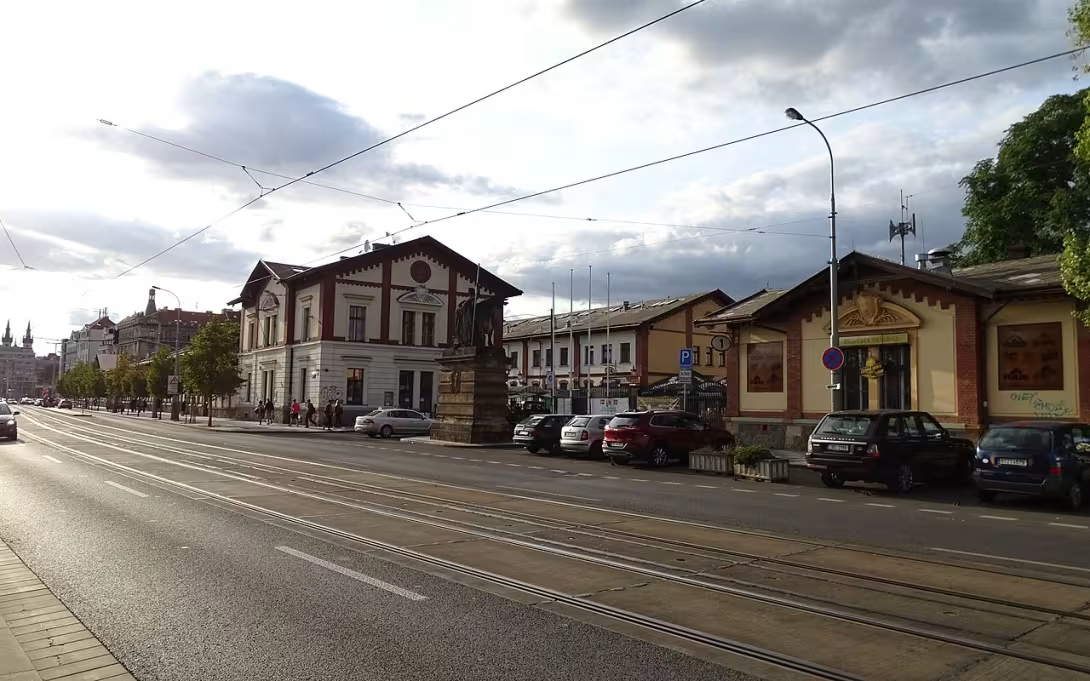
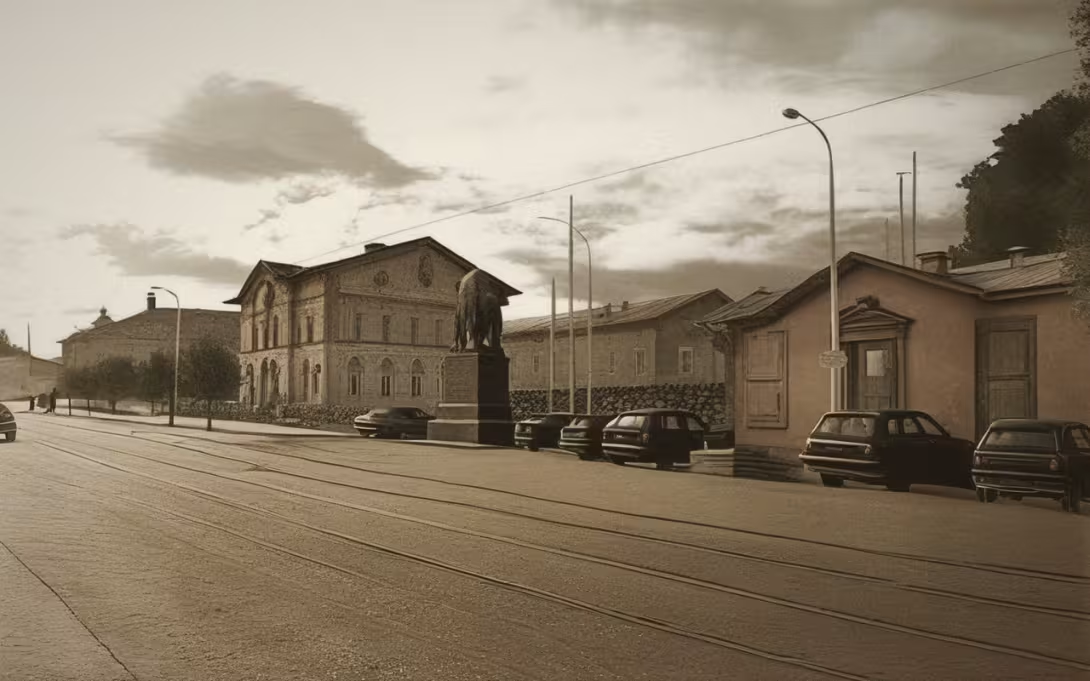
The historical appearance on the left is an AI-generated visualisation and serves as inspiration only.
Historical milestones
- 1895
- The Central Slaughterhouse was officially opened.
- 1983
- The site ceased functioning as a slaughterhouse and began transitioning into a marketplace.
Architectural development
The Pražská tržnice complex was designed by Josef Srdínka and later Ludvík Čížek, featuring Art Nouveau architectural elements. Initially serving as a slaughterhouse with facilities like cold storage and administrative buildings, it underwent significant modernization between 1925-1929. The transformation into a market involved adaptations for commercial use while preserving the original architectural style.
Historical events
1895: The slaughterhouse was officially opened after its construction.
1983: The site ceased functioning as a slaughterhouse and began transitioning into a marketplace.
1995: The area was leased to Delta Climatizer for fifty years, marking the beginning of its transformation into a modern market.
Owners
The site was initially owned by the Royal City of Prague as part of its Central Slaughterhouse operations until 1983. It was then leased to Delta Climatizer from Brandýs nad Labem for fifty years starting in 1995, and later managed by Delta Center until 2012. Since 2013, the city has taken over management due to financial disputes.
Points of interest
- The transformation of Pražská tržnice from a slaughterhouse to a marketplace in 1983 marked one of the most significant functional shifts for a historical site in Prague, preserving its architectural integrity while adapting to modern needs.
- Architect Josef Srdínka's design incorporated Art Nouveau elements that reflected broader European trends during the late 19th century, making Pražská tržnice an early adopter of this style in Prague's industrial architecture.
- The complex features two monumental sculptures by Bohuslav Schnirch and Čeněk Vosmík at its main entrance, adding a layer of artistic value to the site that enhances its historical and cultural significance.
- Between 1925 and 1929, major modernization efforts were undertaken by firms such as Škodovy závody in Plzeň and Českomoravská Kolben – Daněk, showcasing early 20th-century industrial collaboration and innovation at the site.
- The site's ownership transitioned from being managed by Delta Climatizer to Delta Center due to financial disputes, leading to the city taking over administration in 2013, highlighting its evolving role within Prague’s urban landscape.
Guide
This guide is narrated by a synthetic voice generated by artificial intelligence.
Show guide text
This text was created by artificial intelligence and has not been editorially reviewed. It may contain inaccuracies.
Welcome in front of the Prague Central Market Hall, one of the most valuable historical landmarks in Prague. You are standing before a complex that towers over Holešovice like a rock. Look up and notice its beautiful façade, which is an example of the Art Nouveau style popular in Prague in the 19th century. The façade is richly decorated and seems to offer you a glimpse into history.
Let's step back into the past and discover how this building came to be. The Prague Central Market Hall was originally built as the central meat market for the royal city of Prague. Construction began in 1893 and was completed in 1895. The architect was Josef Srdínka, and his work is a true example of architectural effort from that time.
Now pay attention to the details here. Notice that the façade is adorned with stone elements and windows with wrought-iron grilles. It's really beautiful and impressive. The façade is also complemented by several sculptures that adorn the entrance area of the complex. All these elements create a harmonious whole, which is truly a visual delight.
Let's now entertain a story that took place here. In 1983, when the complex was converted into a market hall, there was a significant turning point. It was a real revolution that changed not only the function of the building but also the way people move around here. And yet, despite all these changes, the complex remained in its original form, which is truly a gem.
And now, regarding interesting facts, here's one: Did you know that the Prague Central Market Hall is one of the few buildings in Prague that managed to preserve its original architectural level without losing its function? That's really rare and worth taking a look at.
So, I invite you to enjoy what you've seen here. The Prague Central Market Hall is a truly unique landmark offering many interesting features and insights into history. Take your time to explore it and enjoy its beauties.
Tips for visitors
The best time to visit Pražská tržnice is during the late spring or early fall when the weather is pleasant, allowing for comfortable exploration of both the historical site and its surroundings. During these seasons, you can enjoy outdoor activities without the summer crowds or winter chill. Additionally, visiting on a weekday might offer a more tranquil experience compared to weekends.
Parking near Pražská tržnice can be challenging due to its central location in Prague. However, there are several parking facilities nearby that cater to visitors. Public transport is highly recommended as it provides convenient access to the site and surrounding attractions. You can reach the area via metro lines or buses; check a local transit app for the most current routes and schedules.
When visiting Pražská tržnice, consider bringing comfortable walking shoes, especially if you plan to explore the nearby streets and attractions. A light jacket might be useful as temperatures can vary throughout the day. If you're interested in photography, carrying a camera or smartphone with a good camera is advisable for capturing the architectural beauty of the site.
For photography enthusiasts, the best spots around Pražská tržnice offer a mix of historical and modern architecture. Early morning or late afternoon light provides ideal conditions for capturing the contrast between old and new structures. The area's blend of styles creates dynamic photo opportunities, especially near Bubenské nábřeží.
Nearby attractions within 30 minutes include the Holešovice district, known for its industrial heritage and vibrant cultural scene. Visitors can explore local galleries, museums, and unique shops. For families with children, consider visiting nearby parks or engaging in interactive exhibits at local attractions to keep younger visitors entertained.
Businesses nearby
Do you run a restaurant, accommodation, shop, museum, rental, wellness or other visitor service near this monument? Show yourself directly to the people heading to it — this is how they will see you in the app and on the web:
Events nearby

Zdroj akcí: otevřená data měst a obcí ČR (Národní katalog otevřených dat) a kalendář akcí Národního památkového ústavu.
Nearby
Pražská tržnice is located near Bubenské nábřeží and surrounded by streets like Argentinská and Jateční. The area features a mix of historical and modern architecture, with nearby attractions including the Holešovice district known for its industrial heritage.
Accommodation nearby
Trips and activities nearby
Guided tours, tickets and activities nearby from GetYourGuide
Affiliate link: if you buy from the partner, we may receive a commission. The price for you does not change.
Search tours and activities →Themed route
Pražská tržnice (hlavní cíl) - Bubenské nábřeží: A picturesque riverside promenade with a beautiful view of the Vltava River and the city skyline. It's a great place to relax and enjoy the atmosphere. - Holešovice district: Explore the industrial heritage of this charming neighborhood, known for its unique architecture and lively atmosphere. Discover the remnants of the past in the old factories and warehouses. - Argentinská street: A charming street lined with cafes, shops, and restaurants, offering a glimpse into the local culture and daily life.
Seasonal recommendations
Jaro
In the spring season, Prague's Holešovice Market is surrounded by blooming trees and greenery, creating a pleasant atmosphere. The specific spring lighting also adds to the warm and friendly ambiance of the place. If you plan to visit Prague's Holešovice Market during the spring season, we recommend coming later in the afternoon to avoid tourist crowds. It's also wise to bring warm clothing as the air can cool down slightly even at spring temperatures.
Léto
During the main summer season, Prague's Holešovice Market is full of life and energy. Local markets and shops offer fresh fruit and vegetables, providing an ideal opportunity to try local specialties. The specific summer lighting creates a pleasant and relaxed environment. If you plan to visit Prague's Holešovice Market in the summer, we recommend coming early in the morning to avoid tourist crowds that arrive later in the afternoon.
Podzim
In the autumn season, Prague's Holešovice Market is surrounded by the colors of the fall landscape. The specific autumn lighting gives the place a romantic and peaceful ambiance. If you plan to visit Prague's Holešovice Market during the autumn season, we recommend coming later in the afternoon to avoid tourist crowds that arrive earlier. It's also wise to bring warm clothing as the air can cool down slightly even at autumn temperatures.
Zima
In winter, Prague's Holešovice Market is quiet and calm. The specific winter lighting creates a cozy and comfortable environment. If you plan to visit Prague's Holešovice Market in winter, we recommend coming earlier to avoid closed shops and shorter opening hours. It's also wise to bring warm clothing as the air can cool down slightly even at winter temperatures.
Visualizations and artistic views


The visualisations are generated by artificial intelligence and serve as inspiration.
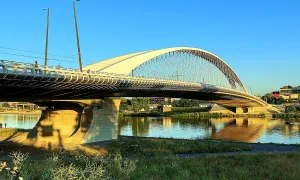
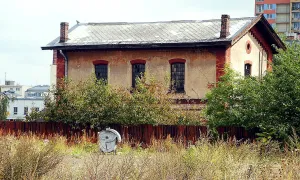
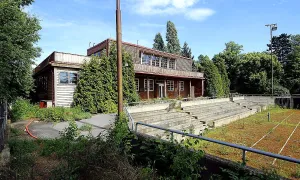
Photos from the area
Real photos taken near the monument


Zdroj a licence jsou uvedeny u každého snímku.
Tips from visitors
No tips yet. Be the first!
Log in and add your tip.
Sources and literature
Photos: ŠJů / CC BY 4.0 — Wikimedia Commons. The author and licence also appear when you hover over the image.
Faktickým podkladem tohoto textu byl článek na Wikipedii, jehož autory jsou přispěvatelé Wikipedie. Článek je dostupný pod licencí CC BY-SA 4.0.
Location on the map


Příběhy a pověsti
Legendy, pověsti a příběhy spjaté s touto památkou

Fotografie návštěvníků
Zatím žádné fotografie. Buďte první, kdo přidá fotografii z návštěvy!
Log in a přidejte svou fotografii nebo hodnoťte.
Za ověřenou návštěvu v aplikaci získáte víc bodů — poznáme podle GPS, že jste na místě.
Reviews and comments