






Letenské sady Park
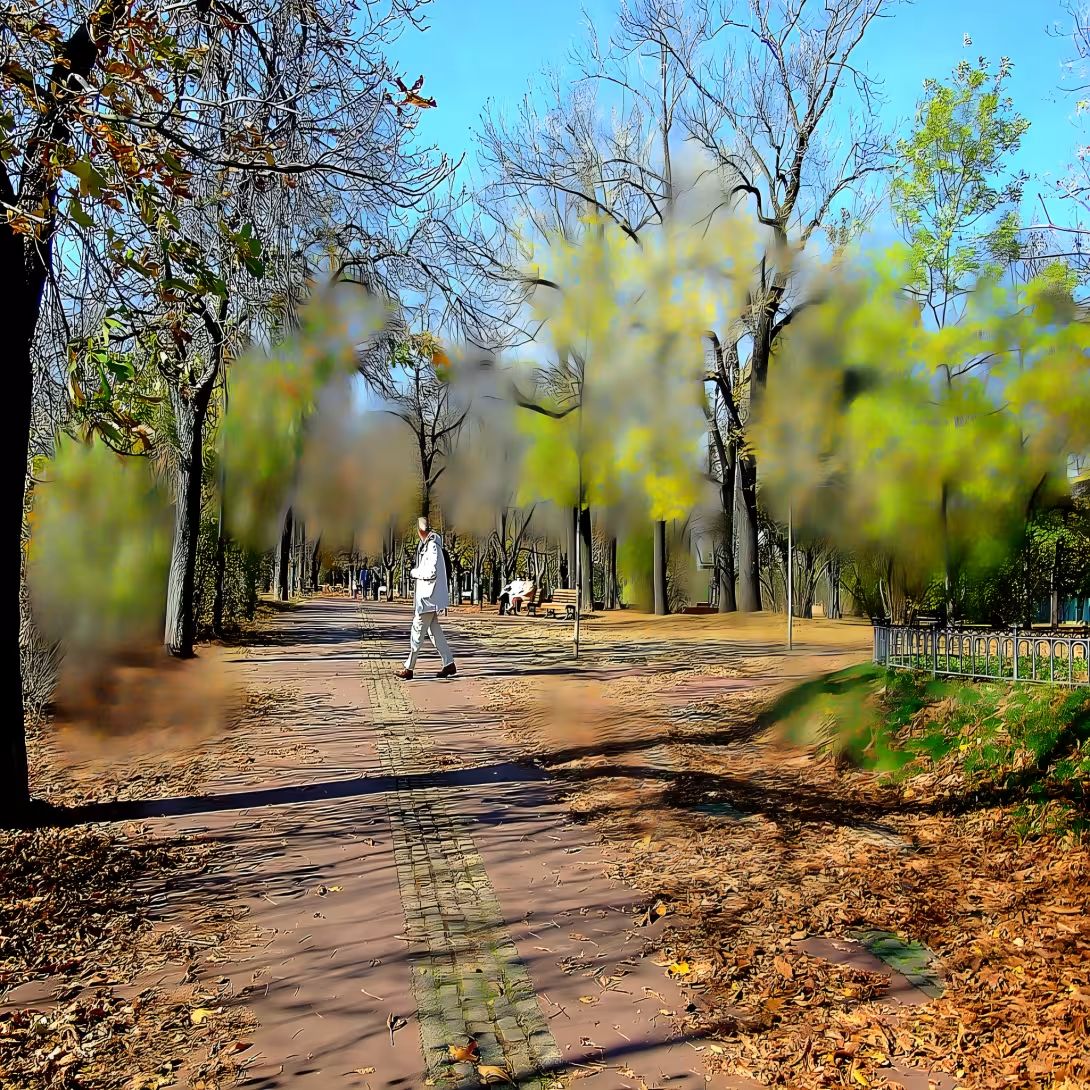
Letenské sady is a large Prague park located on the left bank of Vltava in the city area Praha 7. The second largest park in Prague 7 covers an area of approximately 25 hectares and lies at an altitude of 192 to 230 metres. Thanks to its elevated location, the park visitors can enjoy a wonderful view of a number of Prague sights - especially Prague Castle, Old Town and Petřín. Over time it became a popular place for walking, roller skating and skateboarding.
At the beginning of the nineteenth century, Baron Jakub Wimmer, who owned most of the land, laid the foundations of today's form of the park. Half a century later, Prague's Governor Karel Chotek set out to purchase these land in order to build a public park. During the 1960s, during the construction of the Letenské chateau - a single-storey Neo-Renaissance building - several thousand trees began planting. The park itself was implemented between 1858 and 1864. In 1871, the park was named the Crown Prince Rudolf sets in honor of visiting the successor of the Austrian throne. The most important modifications to the orchards took place in the late 1980s under the direction of Franz Joseph Thomayer. On the occasion of the Jubilee exhibition in 1891, a rope track connecting the Cross-Jubilee tram with the veletrg was built on the slope. Only Hanavský Pavilion, a Neo-Baroque building from the same year, survived from several structures transferred to the park after the exhibition. The last major modifications to the premises were made between 1891 and 1911.
During the twentieth century, the park witnessed significant historical moments. In 1955 a huge monument of Stalin was erected on Letná, which was removed in 1962. In his place today stands the metronome on the original vast marble pedestal. From there, a large staircase is spread downwards to the Vltava bank, which ends at the Chekhov Bridge. During the Velvet Revolution, the adjoining Leten Plain became the site of monumental demonstrations; On 25 and 26 November 1989, over 750,000 people gathered here. These protests followed a general strike on 27 November 1989.
The park offers a length composition with two promenade routes - one leading at the crown slope and the other historic route from Letenské castle. The eastern part is decorated with the alleys of maple trees. Interesting attractions include the Letenské carousel from the late nineteenth century, the oldest preserved carousel in Europe. The Hanava Pavilion dominates the western edge of the park, from which a view of the Prague centre is opened. There are also neoplasms.
In 1997 a study of park revitalisation was carried out. A new entrance was realized from Gogol Street through the brick gate. In the years 2021-2022 a new water area of about 0.7 hectares was established in the western part of the park, located between the Bastion of St. Thomas and the former site of Stalin's memorial.
Then and now
Drag the slider to compare how the landmark may have looked when it was built with the view today.
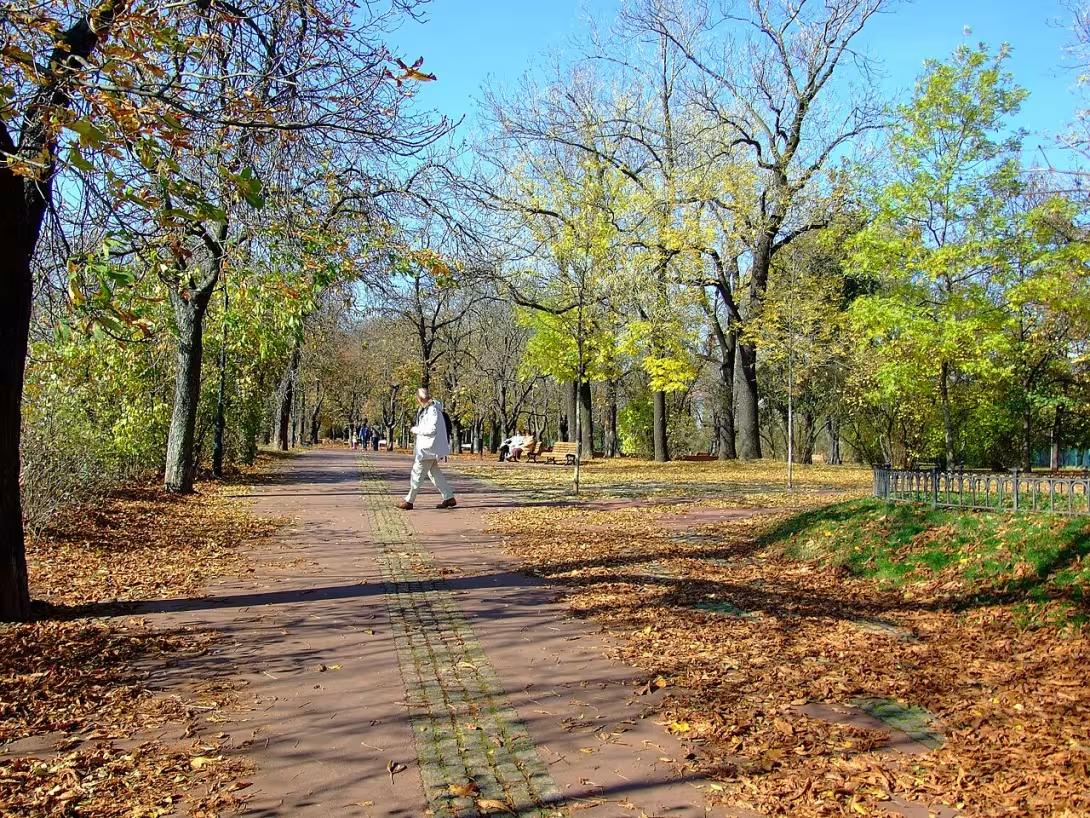
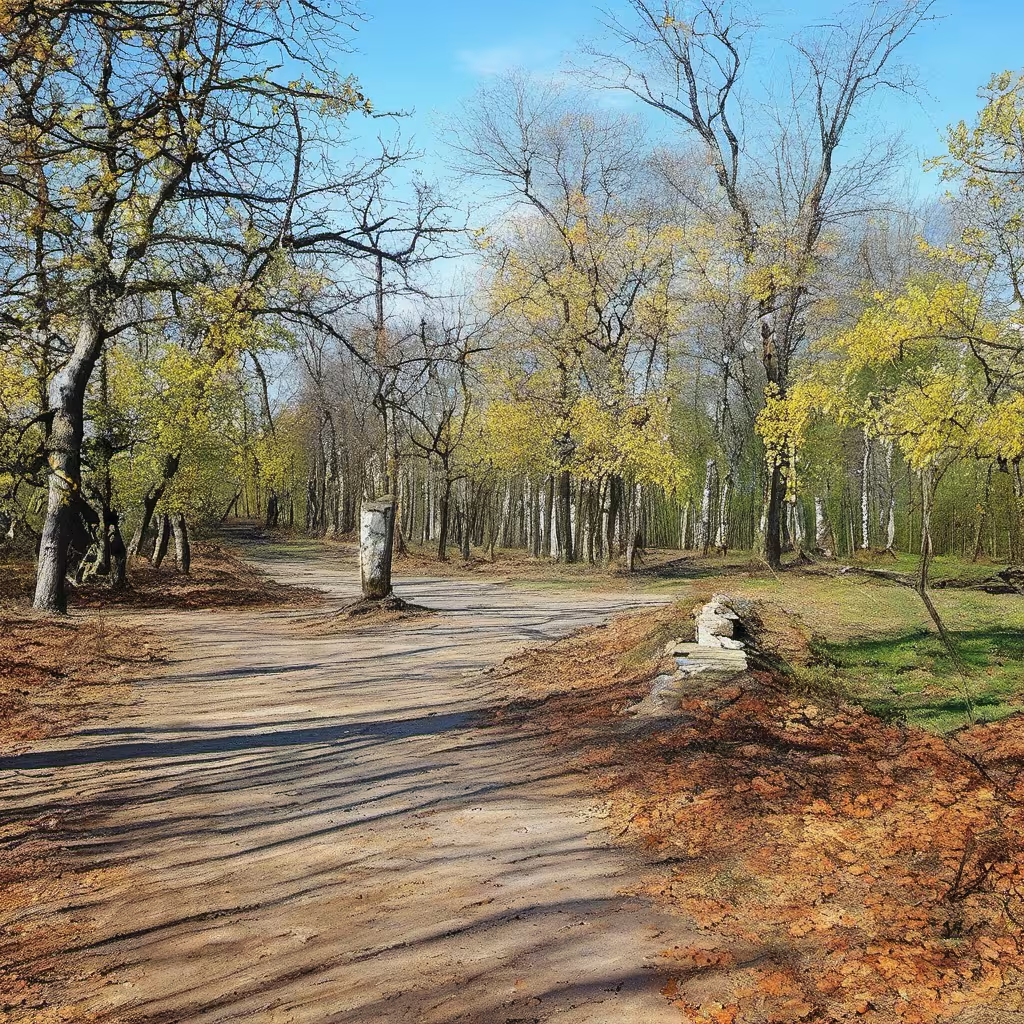
The historical appearance on the left is an AI-generated visualisation and serves as inspiration only.
Historical milestones
- 1840
- The owner Karel Chotek initiated the purchase of land for the future park.
- 1858
- Start of park construction and planting of trees.
- 1871
- The park was named * Sets of Crown Prince Rudolf * in honor of Austrian heir to the throne.
- 1891
- The opening of the Jubilee Exhibition and the transfer of Hanava Pavilion to the park.
- 1955
- The rise of Stalin's memorial, removed in 1962.
- 1989
- The Fleet Plain beca
Architectural development
The park was established in 1858-1864 as a public green area with neo-Renaissance elements, especially the Leten Castle. At the end of the 19th century, extensive modifications were made according to Thomayer's proposal, including construction of Hanava Pavilion and cableway for the Jubilee Exhibition 1891. In the 1960s, Stalin's memorial was built on Letná, which was removed and replaced by a metronome in 1962. There is currently a revitalisation, including the construction of a new water area in the western part of the park.
Historical events
- 1858-1864
- The start of the park building on the basis of the decision of the governor Karel Chotka, including planting thousands of trees and building the Letenské chateau.
- 1891
- Relocation of Hanava Pavilion from Jubilee Exhibition and other modifications of the park according to the design of Franz Joseph Thomayer.
- 1989
- The Fleet Plain became the site of mass demonstrations during the Velvet Revolution, where over 750,000 people gathered.
Points of interest
- The park was founded in the early nineteenth century by Baron James Wimmer, who owned the land.
- The park was built between 1858 and 1864, during which several thousand trees were planted.
- In 1871 the park was named * Sets of Crown Prince Rudolf * in honor of visiting the successor of the Austrian throne.
- In 1891, a cableway road was built in the slope connecting the Jubilee tram with the Jubilee exhibition.
- On the western edge of the park is Hanava Pavilion, a Neo-Baroque building from 1891, which survived from the exhibition.
Guide
This guide is narrated by a synthetic voice generated by artificial intelligence.
Show guide text
This text was created by artificial intelligence and has not been editorially reviewed. It may contain inaccuracies.
Welcome to one of the most important green spaces on the Prague side of the river. You are standing on an elevated plains that offers a view that you will not find in this city. Look around you and see this incredible space. In front of your eyes, an extensive green surface stretches up to the edge of the city and creates a breathtaking contrast to the dense structure you see in the distance. If you look up now and look towards the center, you will see the most beautiful views Praha has to offer. The dominant feature of your horizon is Prague Castle, which is majestically standing over the city and reminding you of its ancient glory. It is joined by the ancient heart of the metropolis, Old Town, and in the distance you can see the green slopes of Petra. Feel the airspeed and the altitude that makes you feel like the whole world is at your feet. You are in the Letenské orchards, a place where the calm of nature connects to the pulsating heart of history.
Now let's go back in time and understand how this place came to be and why you're standing here in the first place. It wasn't always the way you know him today. More than 200 years ago, there was no public space, but private land. This whole process of transformation began to unfold in 1840. That's when Governor Karel Chotek got involved. He was a man with a great vision who understood that a growing city needed space for the rest and recreation of its inhabitants. He initiated the purchase of land to make this area something that belongs to everyone. Another key name you need to know here is Jakub Wimmer. It was the owner of the land back then whose influence and ownership laid the foundations for what you see around you today. Without these men and their decisions, Letná would not be what she is today. The original private property has gradually become a public green area, which has been constantly modified and expanded to serve the people.
Now pay attention to what is surrounding you right now. Although it may seem to you that nature rules here quite naturally, in every detail of this park there is a sense of human hand and careful planning. Notice the trees that accompany you. From 1858 to 1864 there was intensive construction of the park, during which thousands of trees were planted to create this dense and pleasant shade. The architect František Josef Thomayer was behind this whole landscape. His work was not only about building, but about creating the overall nature of the space that now surrounds you. Feel the harmony between terrain and greenery. Even when you're on a wide road, you feel the closeness of nature that was carefully planned to consume you. Take a look at the surrounding vegetation and see the atmosphere of this place, which was created for peaceful walking and active movement.
But the history of this place is much more colorful and sometimes even more stormy than it might seem. Let's see how the identity of this park changed. Something important happened in 1871. In honor of the visit to the Austrian heir to the throne, the park was named the Crown Prince Rudolf's Sets. This suggests a political and social structure at the time, when the names of the rulers were an inherent part of the public space. Another important moment was 1891. There was a Jubilee exhibition, which brought new elements and excellent buildings to the park, such as Hanava Pavilion. This object became a symbol of the progress and technical art at the time.
But Letná is not just about beauty and celebration. It is a place that has experienced very difficult and politically burdened chapters. In 1955, there was a huge monument to Stalin. It was a symbol of a time that tried to take over not only people's minds, but the very form of the landscape. This monument, however, was not here for ever. In 1962, it was removed, bringing space back to the people. And when we talk about the human voice and the power of the crowd, we have to remember 1989. It was here, on this vast plains, that events took place that changed the fate of the whole country. The Fleet Plain has become the center of the Velvet Revolution. Imagine the enormous energy, the mass demonstrations that were going on here and that had the power to change the world. This is where new freedom was born.
Before you go on your next trip, let me share with you one interesting thing that will help you better understand the scope of this place. You may think that a park is just a park, but its creation was a real effort to create a new world. Imagine the huge work that people had to do in the middle of the nineteenth century when they decided to plant thousands of trees in such a challenging terrain. Every tree you see today is the legacy of the old gardeners and visionaries who believed that green space in the heart of the city was necessary for the soul of every man. This huge platform, over 25 hectares, has been created as an oasis to last for centuries.
I won't keep you now. Letenské sady is a vast space that offers endless possibilities for your rest. You can just walk between trees, watch cyclists who practice their performances here, or just sit back and enjoy the views of Prague. Every step of this country is accompanied by the rotation of the centuries and the stories of the people before you. I wish you a nice walk and hope you enjoy this quiet corner of the metropolis to the fullest. I will say goodbye to you and wish you a pleasant continuation in discovering the beauty of Prague.
Tips for visitors
{'name': 'Best visiting time', 'content': 'Letenské sady are the most beautiful in spring and autumn when the weather is pleasant and the park is decorated with flowering trees or autumn colors. In the morning or in the late afternoon you can avoid crowds of tourists and enjoy a quiet atmosphere. The views from the top of the park are the most spectacular at sunset, when the sky lights up with golden shades. In summer it is advisable to visit early morning orchards to avoid high temperatures and crowds.'}
{'name': 'Parking and transport', 'content': 'Park is easily accessible both by car and public transport. If you arrive by car, you will find a parking lot nearby, for example on Letná Street or near St. Thomas Church. It is recommended to use public transport, as parking is often difficult in the centre of Prague. From the city centre you can reach the Letenské oradas by tram or bus, specific connections can be found in the traffic search engine. The entrance to the park is free, but if you plan to visit other sights in the area, you can use the integrated transport system.'}
{'name': 'What to take with you', 'content': 'When visiting Letenské orchards take comfortable shoes because the park is large and offers many places to walk. It is also appropriate to take enough water and light suit because there are often wind conditions. If you are planning a longer stay, you can bring a picnic lunch, as tables and relaxation areas are available in the park. In winter, pack warm clothes, because cold wind may blow on the high plains
{'title': 'Photography - best places and light', 'content': 'The most beautiful photos you can make from the Letenské plaza, which offers panoramic views of the city. The best light for photography is morning or evening, when the sun shines from a low angle and creates interesting shadows. The views towards Vltava and the historical centre of Prague are ideal for deep images. If you are interested in macrophotography, you can take pictures of flowering trees in spring or autumn leaves. In winter are interesting snow scenes and ice formations on tree branches.'}
{'name': 'What to visit in the area (within 30 minutes)', 'content': 'Close to the Letenské orchards there are several interesting places to visit. About three kilometres north is Prague Castle, the most important historical monument of the city. On the western edge of the park is the Church of St. Thomas, which is famous for its historical importance and architecture. A little further south-eastern direction is the Petřín View, which offers stunning views of the whole city. All these locations are easily accessible by foot or public transport.'}
{'name': 'Tips for families with children', 'content': 'Letenské sady' is an ideal place for families with children. Children can play in the open, or take a walk on the educational path that leads the park. It is possible to play ball games on the Letenské plaza or take a trip to Petřín where several interactive exhibitions are prepared for children. In the vicinity of the park there is also the Church of St. Thomas, where children can see historical frescoes and statues. It is also recommended to visit Prague Castle, where many interesting activities are prepared for children, such as tours of castle cellars or visits of Golden Alleys. '}
Frequently asked questions
Is Letenské sady open to the public?
Yes, Letenské sady is a public park and it is possible to move freely here.
How do I get to the place by car / public transport?
You can get by bus No. 17 or 18 from the centre of Prague, or by walking on the bike path from the centre of Prague.
How much is the entrance fee and is it paid on the spot?
The entrance to the park is free.
Is the tour suitable for children and seniors?
Yes, Letenské sady is suitable for families with children and seniors. You can walk here, sit or rest on the bench.
How long does the tour take?
The time spent in the park is flexible and depends on your interest. You can walk here 10-30 minutes or relax all day.
What are the opening times and booking is required?
The park is open daily from 6: 00 to 10: 00. Reservation is not necessary, but it is recommended for larger groups.
What's interesting in the immediate vicinity?
Close to the Letenské orchards you will find Petrínské založna and Petrín, which offers a beautiful view of Prague. You can also walk around the river Vltava or visit nearby park Stromovka.
For kids
Imagine going back to when Praha was still a small town. It was like playing a historical detective! Where would you find the first clue of those who lived here?
Letenské sady, where we spend our time today and rest in a beautiful park, was once a great meadow for shepherd's herds. The shepherds used to come here with their sheep and goats to protect them from wolves and other dangerous animals.
Businesses nearby
Events nearby

Zdroj akcí: otevřená data měst a obcí ČR (Národní katalog otevřených dat) a kalendář akcí Národního památkového ústavu.
Nearby
{'sights': [{\ 'name': 'Prague Castle', 'distance': 'approx. 3 km', 'direction': 'northeast'}, 'name': 'St. Thomas Church', 'distance': 'around the park, on the western edge', 'direction': 'west': 'name': 'Petrín view', 'distance': '4 km', 'direction': 'southeast': 'southeastern'}, 'name': 'distance' distance ':' adjacent to the northern park ',' direction ':' north ',' natural elements': [{'name': 'Vltava', 'description': 'lie on the southern edge of the park,' with a view from the Letenské Sadods', ','
Accommodation nearby
Trips and activities nearby
Guided tours, tickets and activities nearby from GetYourGuide
Affiliate link: if you buy from the partner, we may receive a commission. The price for you does not change.
Search tours and activities →Themed route
Thematic cruise route: Baroque and historical circuit Holešovice
1. Letenské sady - Quiet park with rich history, connected with Baroque architecture and former monastery. Ideal for walking between trees, fountains and memories of former air monasteries.
2. Church of St. Thomas - The only preserved church of the former monastery of St. Thomas, hiding valuable Baroque interiors. It stands on the western edge of the park and offers a quiet atmosphere.
3. Letenská plaza - The adjacent area north of the park, where earlier festivities and military exercises took place. Today it is a spacious place for picnics and rest.
4. Petřín View - Approximately 4 km southeast, offers panoramic views of Prague. The entrance is possible by stairs or cableway, ideal for romantic or tourist trips.
5. Prague Castle - The most important monument of Prague, about 3 km northeast. His massive walls and historic buildings are worth visiting for every history lover.
Seasonal recommendations
Spring Letenské sady in the spring months offer the magic of awakening nature, when the trees gradually drop the winter dress and the park turns into a mosaic of green and light. The specific attraction is the local cherries, apple trees and lime trees, whose flowers form fine, fragrant veils, especially in April and May, when the sun extends the day and afternoon light on the park with golden shades. The atmosphere is quiet, almost intimate - ideal for walking between the old chestnuts and along the historic gazebo where the crowds are still not gathering. Practically it is advisable to visit the park early in the morning or in late afternoon to avoid clusters of cyclists and families with prams. Clothes should be layered - spring weather is variable, although temperatures often exceed 15 ° C, evenings can be cold. It is also recommended to avoid weekends when the park attracts runners and families to picnics.
Summer In the main summer season, Letenské sady will turn into a vibrant, pulsating zone, where historical calmness is mixed with modern activity. The particular element is the evening lighting, which in July and August turns the park into a romantic scene - especially at the lake and along the alleys, where the blue sky is reflected in the afternoon. Nature offers a full shadow beneath the decomposed trees, while meadows are ideal for picnics, but also for relaxation on grass. The atmosphere is lively, sometimes busy, especially on Sunday when runners come here, families with cradle and couples looking for peace. It's practically best to come before 10: 00 in the morning or after 18: 00 to avoid the biggest crowds. Clothes should be light, but with sun protection - hat, sunglasses and light sweater for the evening are the foundation. Water in the lake is suitable for bathing, but swimming is only allowed in designated places.
Autumn Autumn Letenské sady brings a unique colour palette, where leafy trees - especially maple and beech - dress in fire shades from yellow to dark red, creating contrast with evergreen conifers. The specific charm is the local silence that prevails in September and October, when the park becomes a popular place for photographers and peace lovers. The atmosphere is nostalgic, almost fairytale, especially in the morning, when the fog is caught between the trees and the sun through the leaves. Practically, it is advisable to visit the park in the first half of the day when the light is the most beautiful and avoid rainy days when roads can become slippery. Clothes should be warm, but not too thick - temperatures are falling, but the sun is still warm. It is also recommended to visit the park in a week where there are fewer people and to bring a hot drink thermos, as autumn cold becomes unpleasant before waiting.
Winter Winter Letenské sady offers a completely different experience - the park turns into a quiet, almost mysterious landscape, where snow blankets cover roads and trees become silver statues. The specific element is the local winter lighting, which in December and January creates a magical atmosphere, especially at the lake, where lights are reflected from nearby buildings. Nature is dormant but beautiful - bare branches of trees and ice on the water surface give the place a surrealist look. The atmosphere is quiet, almost meditative, and the park becomes a popular place for winter walks or photography. Practically, it is best to visit the park in the afternoon when the light is softer and less crowds. Clothes should be warm, waterproof and comfortable - temperatures often fall below freezing, and the wind from the lake may be steep. It is also recommended to monitor parking and gazebo opening times as some of them may be closed in winter.
Visualizations and artistic views


The visualisations are generated by artificial intelligence and serve as inspiration.
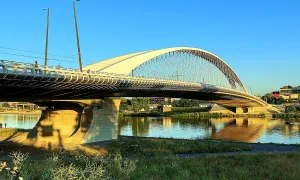
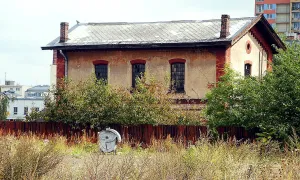
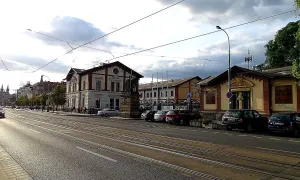
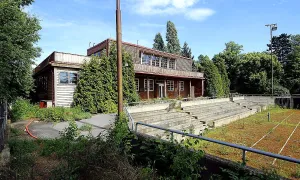
Photos from the area
Real photos taken near the monument


Zdroj a licence jsou uvedeny u každého snímku.
Atmosphere of the place
This atmospheric visualisation of the place and period was generated by artificial intelligence. It is not real footage of the location.
Tips from visitors
No tips yet. Be the first!
Log in and add your tip.
Sources and literature
Fotografie: I would appreciate being notified if you use my work outside Wikimedia. More of my work can be found in my personal gall / CC BY-SA 3.0, rozlišení zvýšeno umělou inteligencí — Wikimedia Commons. The author and licence also appear when you hover over the image.
Faktickým podkladem tohoto textu byl článek na Wikipedii, jehož autory jsou přispěvatelé Wikipedie. Článek je dostupný pod licencí CC BY-SA 4.0.
Location on the map

Příběhy a pověsti
Legendy, pověsti a příběhy spjaté s touto památkou
Fotografie návštěvníků
Zatím žádné fotografie. Buďte první, kdo přidá fotografii z návštěvy!
Přihlaste se a přidejte svou fotografii nebo hodnoťte.
Za ověřenou návštěvu v aplikaci získáte víc bodů — poznáme podle GPS, že jste na místě.
Reviews and comments