






Komberk Castle
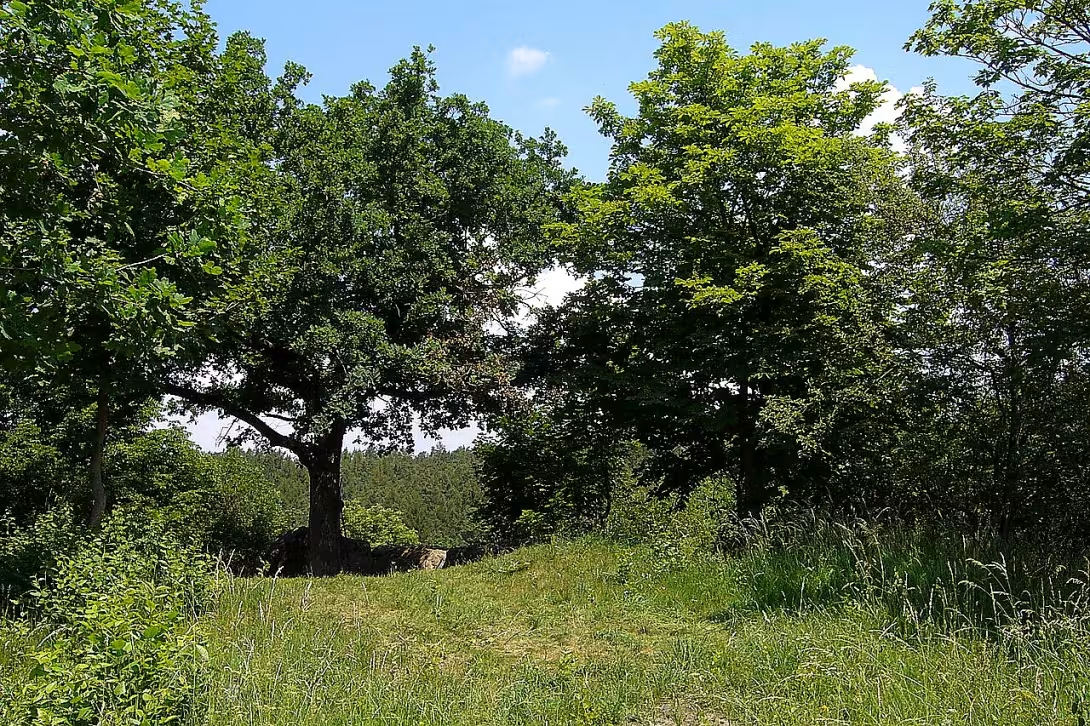
Komberk is a medieval castle ruin located between Čeminy and Dolní Vlkýš in the Plzeň-sever district. It sits on a prominent outcrop above Čeminský potok at 350 meters elevation. The site includes remnants of buildings and fortifications, making it a protected cultural monument. Historically significant, Komberk was inhabited by eneolithic cultures before becoming a medieval stronghold.
The origins of Komberk trace back to the early 14th century. Its first documented owner in 1313 was Ojíř z Komberka from the Švihovských z Rýzmberka family. The castle's history is marked by several ownership changes and strategic exchanges. Around 1340, Ojíř sold it to the Tepelský monastery, but his widow Žofie annulled this sale in 1350. By 1368, Ctibor ze Švamberka acquired Komberk and exchanged it with the Kladrubský monastery for other properties. Its strategic importance was underscored when it was captured by Hussite forces in 1420.
Architecturally, Komberk's core had an oval layout. A partially rock-cut ground floor building stood on its northern side, while a round depression nearby served as a remnant of a moat. The fortification included palisades and semicircular bulwarks for additional defense. To the south, parkáns reinforced the opevnění, and a larger outer bailey was fortified with a partly preserved ditch and rampart.
Throughout its history, Komberk saw various owners who influenced its fate without permanently residing there. After being captured in 1420, it eventually came into the possession of Burian I. z Gutštejna before 1447. The Gutštejn family maintained the castle with a military presence but did not make it their permanent residence. In 1509 or shortly before, Albrecht z Kolovrat acquired Komberk from Jan z Gutštejna. Subsequently, the Valdštejn brothers sold it to Václav z Roupova. By 1558, historical records note that Komberk was deserted.
Today, Komberk is accessible via a green-marked tourist trail starting from Dolní Vlkýš and leading to a baroque agricultural estate in the area. The site's significance lies not only in its medieval architecture but also in its evidence of eneolithic settlements predating its construction. Despite its strategic location, it was never permanently inhabited by the Gutštejn family.
Visiting Komberk offers insight into Bohemia's rich historical tapestry during the medieval period, marked by political and religious upheavals such as the Hussite Wars. The site invites exploration of its remnants, providing insight into both ancient and medieval eras. For history enthusiasts and curious travelers alike, Komberk is a testament to the region's layered past and an intriguing destination worth exploring.
Then and now
Drag the slider to compare how the landmark may have looked when it was built with the view today.
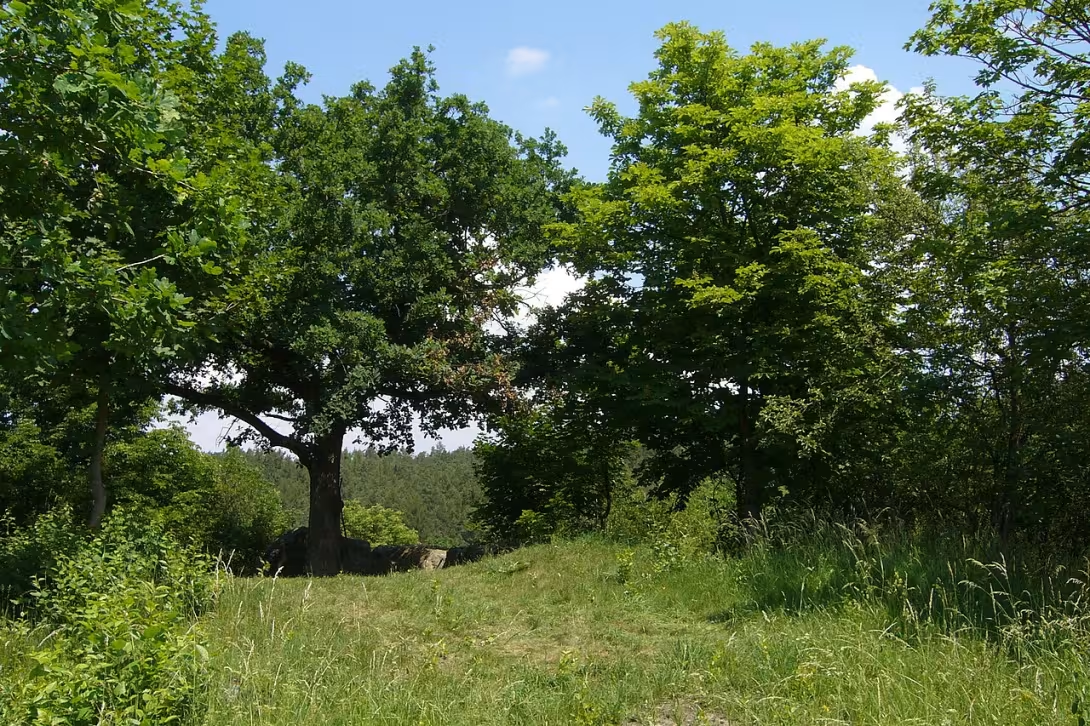
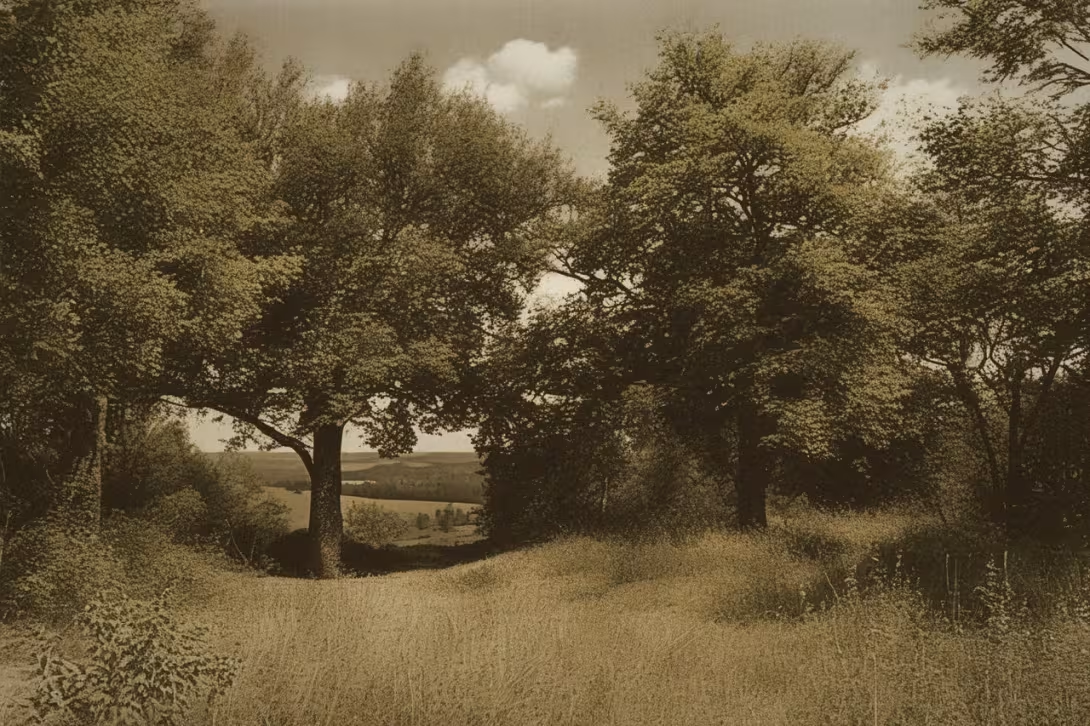
The historical appearance on the left is an AI-generated visualisation and serves as inspiration only.
Historical milestones
- 1313
- Ojíř of Komberk became the first documented owner.
- 1340
- Komberk was sold to Tepelský Monastery.
- 1350
- Zoë annulled the sale of Komberk to Tepelský Monastery.
- 1368
- Ctibor of Švamberk exchanged Komberk for property belonging to Kladruby Monastery.
- 1420
- Komberk was occupied by Hussite forces.
- 1447
- Burian I. of Gutštejn became the owner of Komberk.
Architectural development
The core of the castle had an oval layout with a partially rock-cut ground floor building on its northern side. An adjacent round depression is a remnant of a moat. The fortification included palisades, and additional defenses were provided by semicircular bulwarks. A larger outer bailey was fortified with a partly preserved ditch and rampart.
Historical events
In 1420, the castle was captured by Hussite forces.
By 1558, Komberk was noted as deserted.
Owners
The first known owner in 1313 was Ojíř z Komberka from the Švihovských z Rýzmberka family. Around 1340, he sold it to the Tepelský monastery. In 1350, his widow Žofie annulled this sale. Ctibor ze Švamberka acquired it in 1368 and exchanged it with Kladrubský monastery. By 1420, it was captured by Hussite forces. Burian I. z Gutštejna purchased it before 1447. The Gutštejn family maintained the castle without residing there permanently. In 1509 or shortly before, Albrecht z Kolovrat acquired it from Jan z Gutštejna. It was later sold to Václav z Roupova by the Valdštejn brothers.
Points of interest
- Despite its strategic location, Komberk was never permanently inhabited by the Gutštejn family, who maintained it with a military presence but did not make it their primary residence.
- The castle's origins trace back to eneolithic cultures, indicating that long before its medieval construction, the site was already significant for ancient human settlements.
- A unique architectural feature of Komberk is its oval layout and partially rock-cut ground floor building on the northern side, which showcases innovative defensive design from its time.
- The castle's history includes a notable event in 1420 when it was captured by Hussite forces during the religious upheavals known as the Hussite Wars, highlighting its involvement in major regional conflicts.
- After being sold to Albrecht z Kolovrat around 1509 or shortly before, Komberk eventually became deserted by 1558, marking a mysterious end to its active history.
Guide
This guide is narrated by a synthetic voice generated by artificial intelligence.
Show guide text
This text was created by artificial intelligence and has not been editorially reviewed. It may contain inaccuracies.
Welcome to the historic site of Komberk, a medieval castle ruin that whispers tales from centuries past as you stand between the villages of Čeminy and Dolní Vlkýš in the Plzeň-sever district. Look around you at this prominent outcrop above the gentle flow of Čeminský potok; its elevation at 350 meters offers a commanding view that once served strategic purposes long ago.
The origins of Komberk are shrouded in mystery, tracing back to eneolithic cultures—a testament to human presence and activity here even before the medieval era. By 1313, Ojíř z Komberka became its first documented owner, marking the beginning of a rich tapestry woven through time. Imagine him overseeing this burgeoning stronghold as it began to take shape in the landscape.
In 1340, Komberk was sold to Tepelský klášter, only for this transaction to be annulled by Žofie, Ojíř's widow, just a decade later. The castle changed hands again when Ctibor ze Švamberka exchanged it in 1368 for Kladrubského kláštera property. Picture the negotiations and exchanges that must have taken place within these walls.
The year 1420 saw Komberk occupied by Hussite forces, reflecting its strategic importance during turbulent times. By 1447, Burian I. z Gutštejna had become its owner, yet despite their influence, the Gutštejn family never made it their permanent home. Instead, they maintained a military presence here—a fascinating detail that underscores Komberk's role as a strategic outpost rather than a familial seat.
As you explore this site today, take in the remnants of buildings and fortifications that stand as silent witnesses to its storied past. While specific architectural details remain elusive due to time’s passage, the atmosphere is palpable—each stone tells a story of resilience and change.
Among the historical figures connected with Komberk are Jan Planknar z Kynšperka, Albrecht z Kolovrat, Jan a Bernart z Valdštejna, and Václav z Roupova. These names echo through history, each contributing to the narrative of this place in their own way.
One intriguing aspect of Komberk is its strategic yet transient nature; it was never permanently inhabited by any single family despite its importance. This detail invites speculation about why such a significant site remained an outpost rather than a permanent residence—a mystery that adds depth to your exploration.
As you continue to explore the ruins, let your imagination wander through time, piecing together stories from fragments left behind. Komberk is not just a relic; it’s a portal into the past, inviting you to delve deeper into its history and uncover more of its secrets.
Thank you for joining us on this journey through Komberk's storied landscape. May your curiosity lead you to further discoveries as you explore the rich tapestry of our shared heritage. Safe travels, and we hope to guide you again soon.
Frequently asked questions
Can the monument be visited?
This is a ruin. Such sites are often freely accessible, but some can only be visited with a guide or are closed for safety reasons. We have not verified the current situation – take care and respect any restrictions.
Where is the monument?
Location: Čeminy, Plzeňský kraj. The map on this page shows the exact spot.
Why is the monument protected?
It is listed in the Central List of Cultural Monuments of the Czech Republic as a cultural monument (register no. 25186/4-1171).
Businesses nearby
Do you run a restaurant, accommodation, shop, museum, rental, wellness or other visitor service near this monument? Show yourself directly to the people heading to it — this is how they will see you in the app and on the web:
Nearby
The castle is accessible via a green-marked tourist trail from Dolní Vlkýš to a baroque agricultural estate in Komberk. The surrounding landscape includes natural features and other historical sites within a 5 km radius.
Accommodation nearby
Trips and activities nearby
Guided tours, tickets and activities nearby from GetYourGuide
Affiliate link: if you buy from the partner, we may receive a commission. The price for you does not change.
Search tours and activities →Themed route
Tematická výletní trasa Komberk
1. Dolní Vlkýš
- Typ: Startovací bod turistické trasy
- Proč stojí za návštěvu: Dolní Vlkýš je ideálním místem pro zahájení vaší cesty k hradu Komberk. Tato lokalita slouží jako startovací bod pro turistickou zeleně označenou trasu, která vás provede přes malebné krajinu až do Komberku.
2. Barokní hospodářský statek v Komberku
- Typ: Historický objekt
- Proč stojí za návštěvu: Tento barokní statek je fascinujícím příkladem historické architektury a poskytuje vhled do minulosti regionu. Je to nejen krásný pohled na dědictví oblasti, ale také klíčová část cesty k hradu Komberk.
3. Hrad Komberk
- Typ: Hrad
- Proč stojí za návštěvu: Hlavním cílem vaší trasy je hrad Komberk, který se pyšní bohatou historií a impozantním vzhledem. Je to ideální místo pro ty, kteří mají zájem o historii a architekturu, s možností prozkoumat jeho pevnostní konstrukce a okolní krajinu.
4. Okolní přírodní prostředí Komberku
- Typ: Příroda
- Proč stojí za návštěvu: Po prozkoumání hradu vám nabídne okolní přírodní prostředí klidné chvíle na relaxaci a obdivování krásy Plzeňského kraje. Tato zelená oasa je perfektním místem pro procházky, piknik nebo jen pro užití si přírodních kouzel.
Tato trasa nabízí kombinaci historických objektů a přírodní krásy, což ji činí ideální volbou pro milovníky dějin i přírody.
Seasonal recommendations
Spring: Visiting Komberk Castle ruins during spring offers a unique experience as the landscape awakens with vibrant colors and fresh blooms. The soft, diffused light of early morning or late afternoon enhances the natural beauty surrounding the castle, casting gentle shadows that highlight the intricate stonework of the ruins. This season is ideal for those who appreciate nature's renewal, as wildflowers and budding trees create a picturesque backdrop. However, keep in mind that spring can bring unpredictable weather, so it's wise to dress in layers and be prepared for rain showers. Visiting on weekdays or during off-peak hours can help avoid larger crowds, allowing you to enjoy the serene atmosphere.
Summer: The summer months provide an excellent opportunity to explore Komberk Castle when the days are long and sunny. The warm weather makes it perfect for a leisurely stroll through the castle grounds, where lush greenery and blooming plants create a vibrant setting. However, during this peak tourist season, expect larger crowds, especially on weekends and holidays. To make the most of your visit, arrive early in the morning to avoid the midday heat and take advantage of the cooler temperatures. Comfortable walking shoes and light clothing are recommended, along with plenty of water to stay hydrated.
Autumn: Autumn transforms Komberk Castle into a stunning tapestry of reds, oranges, and yellows as deciduous trees shed their leaves. The crisp air and softer sunlight create an enchanting atmosphere that is perfect for photography enthusiasts or those seeking a tranquil escape. This season often sees fewer visitors compared to summer, allowing for a more peaceful experience. To fully enjoy the autumnal beauty, dress warmly in layers to accommodate fluctuating temperatures throughout the day. A late afternoon visit can offer breathtaking views as the setting sun casts warm hues over the ruins.
Winter: Winter at Komberk Castle offers a stark yet magical charm, with snow-covered landscapes and frosty mornings that create an ethereal atmosphere around the ancient ruins. The shorter days mean fewer visitors, providing a quiet opportunity to explore the site in solitude. However, be prepared for cold temperatures and potential icy conditions; sturdy footwear and warm clothing are essential. Winter's early closure times may limit your visit, so plan to arrive as soon as the site opens to make the most of your time. The unique lighting during winter months can add a dramatic effect, making it an ideal season for capturing atmospheric photographs.
Visualizations and artistic views


The visualisations are generated by artificial intelligence and serve as inspiration.
Photos from the area
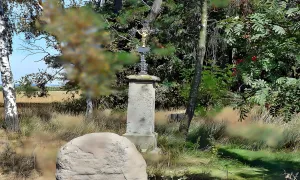
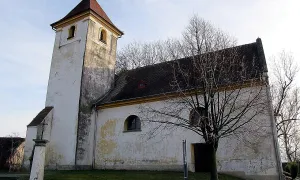
Real photos taken near the monument

Zdroj a licence jsou uvedeny u každého snímku.
Tips from visitors
No tips yet. Be the first!
Log in and add your tip.
Sources and literature
Photos: Petr Kinšt / CC BY-SA 4.0 — Wikimedia Commons. The author and licence also appear when you hover over the image.
Faktickým podkladem tohoto textu byl článek na Wikipedii, jehož autory jsou přispěvatelé Wikipedie. Článek je dostupný pod licencí CC BY-SA 4.0.
Location on the map


Příběhy a pověsti
Legendy, pověsti a příběhy spjaté s touto památkou
Fotografie návštěvníků
Zatím žádné fotografie. Buďte první, kdo přidá fotografii z návštěvy!
Log in a přidejte svou fotografii nebo hodnoťte.
Za ověřenou návštěvu v aplikaci získáte víc bodů — poznáme podle GPS, že jste na místě.
Reviews and comments