






zámek Čeminy Chateau
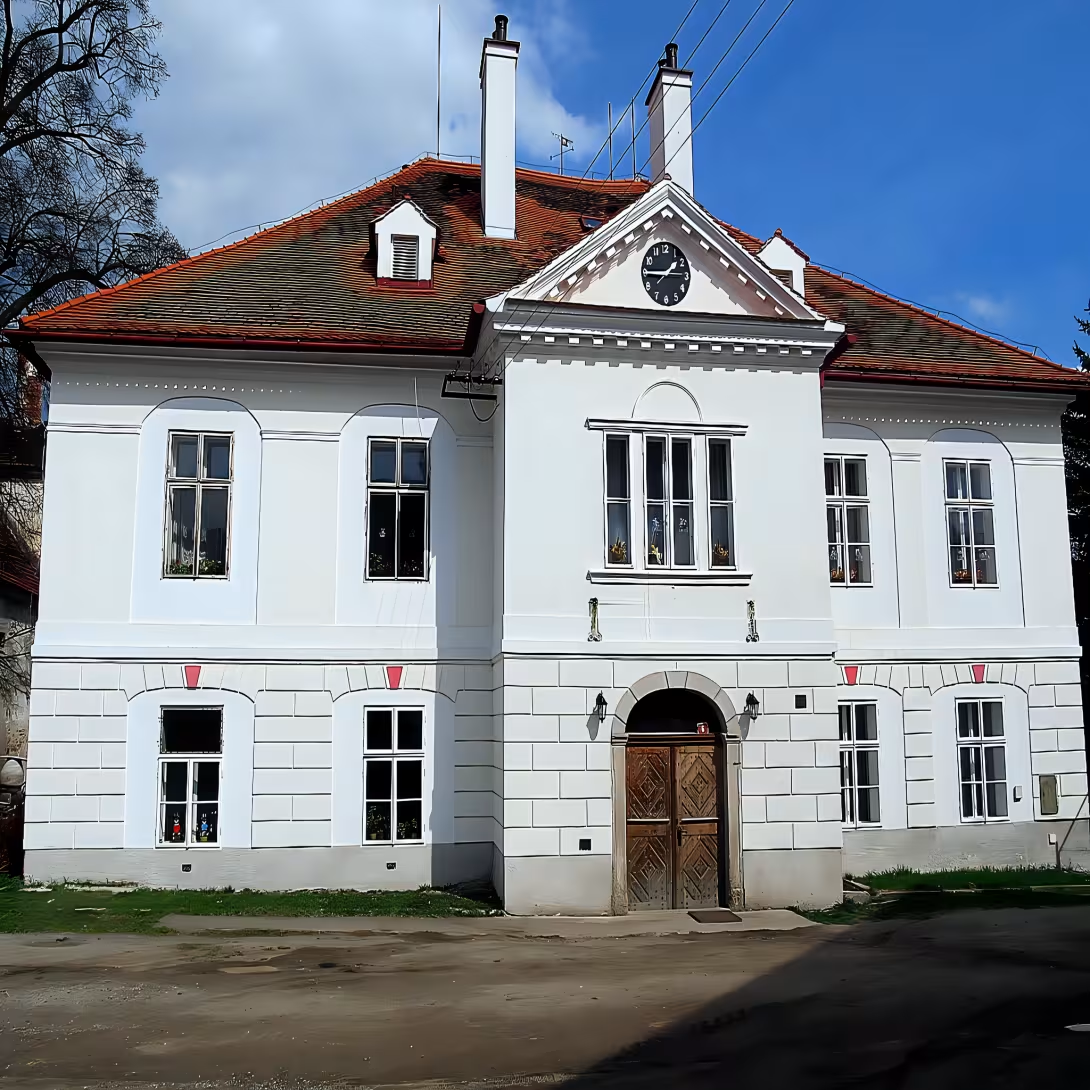
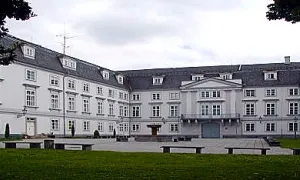
Zámek Čeminy stands as a testament to the rich historical tapestry of the village of Čeminy in the Plzeň-sever District, Czech Republic. This cultural monument, dating back to around 1700, is notable for its transformation from a mid-16th-century fortress into a Baroque chateau under Abbot Tobias Holman's guidance.
The origins of Zámek Čeminy trace back to 1239 when the village was first mentioned. However, it wasn't until around 1554 that Ivan Podmokelský initiated the construction of a fortress on this site. This early structure underwent significant transformations, particularly during the Thirty Years' War when it likely fell into disrepair and was subsequently rebuilt as a more modest chateau.
By 1670, the Kladrubský klášter acquired the estate, marking its role in managing several other estates including Komberk, Město Touškov, Dobronice, Doubrava, and Plešnice. The architectural evolution of Zámek Čeminy reached a pivotal moment around 1700 when Abbot Tobias Holman directed its transformation into a Baroque chateau. This period saw the estate serving as an administrative center for the monastery's properties.
Following the dissolution of the Kladruby Monastery in 1785, the estate was separated and fell under the management of the Náboženský fond. In 1790, Emperor Josef II leased it to Jan Erban, who later purchased it in 1806. The early 19th century brought further changes when Josef Erban commissioned renovations in the Empire style around 1830.
Ownership of Zámek Čeminy continued to shift throughout the 19th and early 20th centuries, reflecting broader socio-political changes. By 1948, the estate was nationalized during a period of significant upheaval in Czechoslovakia, becoming part of a state farm administration. This era saw varied uses for the chateau, including serving as a headquarters for the People's Militias in the 1980s and housing a nursery school. Unfortunately, neglect led to deterioration, with the surrounding ornamental park falling into disrepair.
Today, Zámek Čeminy is undergoing significant restoration efforts under the ownership of Josef Vít since 1998. These efforts aim to revive its historical grandeur while making it accessible for visitors. The chateau's proximity to a red-marked tourist trail connecting Újezd nad Mží and Kůští adds to its appeal, offering insights into both natural and historical landscapes within the region.
Zámek Čeminy is not just an architectural relic but a living chronicle of Bohemia's Baroque cultural development under the Habsburg Monarchy. Its journey from a fortress to a chateau encapsulates centuries of history, reflecting shifts in ownership, style, and purpose. Visitors are invited to explore this monument, where each stone tells a story of resilience and transformation, offering a unique glimpse into the past while appreciating ongoing efforts to preserve its legacy for future generations.
Then and now
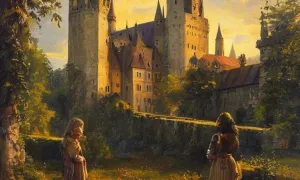
Drag the slider to compare how the landmark may have looked when it was built with the view today.
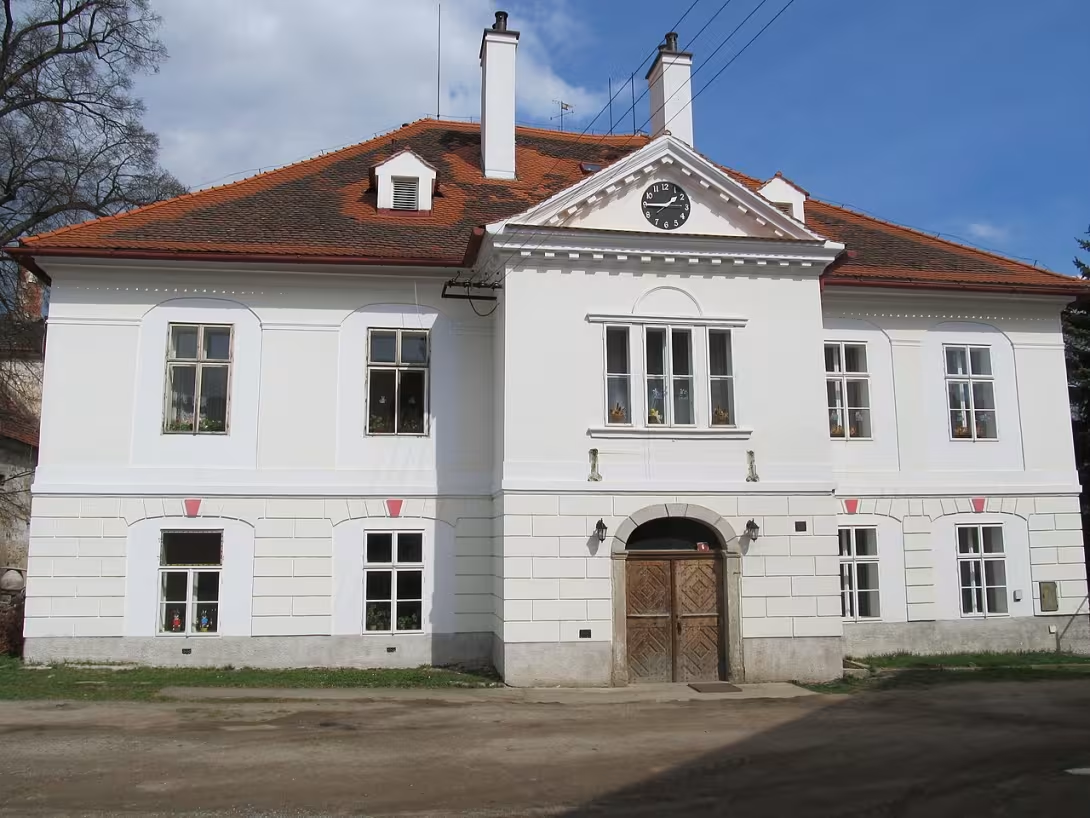

The historical appearance on the left is an AI-generated visualisation and serves as inspiration only.
Historical milestones
- 1239
- První zmínka o vesnici Čeminy.
- 1554
- Ivan Podmokelský začal stavbu hradu.
- 1670
- Kladrubský klášter získal panství Čeminy.
- 1700
- Transformace hradu na barokní zámek pod vedením opata Tobiasa Holmana.
- 1785
- Zrušení Kladruby kláštera a převzetí panství Náboženským fondem.
- 1790
- Jan Erban pronajal, později koupil panství.
Architectural development
The original fortress, likely built in the mid-16th century, was transformed into a Baroque chateau around 1700. In the early 19th century, it underwent renovations in the Empire style under Josef Erban's ownership. The structure has seen various phases of neglect and restoration, with significant re-construction efforts initiated by its current owner since 1998.
Historical events
Transformation from fortress to Baroque chateau around 1700.
Nationalization of the estate in 1948.
Owners
Kladrubský klášter (1670-1785)
Josef II. (1790, as a lease to Jan Erban)
Jan Erban (1806 purchase)
Rod Erban (until 1840)
Various owners (19th century onwards)
Mašín family (until 1948, nationalized)
State farm administration (post-1948)
Josef Vít (since 1998)
Points of interest
- One lesser-known aspect of Zámek Čeminy is its connection to the Thirty Years' War, during which it likely fell into disrepair and was later rebuilt as a more modest chateau. This period marked significant turmoil in Central Europe, impacting many estates including this one.
- An intriguing legend associated with Zámek Čeminy involves rumors of hidden tunnels used by monks from Kladrubský klášter for secret gatherings or safe passage during times of conflict and unrest. While no concrete evidence supports these tales, they add a layer of mystery to the chateau's history.
- A surprising fact about Zámek Čeminy is its role as headquarters for the People's Militias in the 1980s, reflecting its continued strategic importance long after its original construction. This use highlights how historical sites can be repurposed over time to meet contemporary needs.
- During its tenure under the Náboženský fond following the dissolution of Kladruby Monastery, Zámek Čeminy was leased and later purchased by Jan Erban in 1790. His acquisition marked a significant transition from ecclesiastical to private ownership, influencing subsequent renovations and uses.
- An interesting curiosity about Zámek Čeminy is its ornamental park, which fell into disrepair due to neglect but is now part of ongoing restoration efforts aimed at reviving the estate's historical grandeur. The restoration highlights a commitment to preserving cultural heritage while adapting it for modern appreciation.
Guide
This guide is narrated by a synthetic voice generated by artificial intelligence.
Show guide text
This text was created by artificial intelligence and has not been editorially reviewed. It may contain inaccuracies.
Čeminy Castle is located in the village of Čeminy in the Plzeň-sever district and has been protected as a cultural monument since 1964. Not far from here runs a red marked tourist trail from Újezdu nade Mží to Kůští.
The village is first mentioned in 1239. The stronghold that preceded the castle probably originated around 1554 under Ivan Podmokelský. After that, the owners changed frequently. During the Thirty Years' War, the stronghold apparently fell into disrepair and was rebuilt as a more modest castle.
In 1670, the Kladruby monastery purchased the estate. In addition to Čeminy, it also owned the estates of Komberk, Město Touškov, Dobronice, Doubrava, and Plešnice. Around 1700, Abbot Tobiáš Holman had the stronghold rebuilt as a Baroque castle, which became the administrative center of all these estates. What the castle looked like back then, we do not know today.
After the monastery was dissolved in 1785, the Čeminy estate was separated and passed to a religious fund. In 1790, Joseph II rented it to Jan Erban, who bought it in 1806. Around 1830, Josef Erban had the castle rebuilt in the spirit of the Empire style. The Erbans held the estate until 1840, after which the owners changed frequently again.
In 1948, the castle was nationalized from its last owners, the Mašín family, and was used by the state farm administration. For some time, a kindergarten operated in it. At that time, a garden fountain in front of the façade was filled in. In the eighties of the twentieth century, the command of the People's Militia was headquartered there, which added a reinforced concrete ammunition depot to the castle. The building deteriorated without the owners' concern, and the castle park fell into disrepair, transforming into a dump.
In 1998, the descendants of the original owners received the castle back through restitution. However, that same year, it was purchased by Josef Vít, who has since been carrying out its general reconstruction.
Tips for visitors
The best time to visit Chateau Čeminy is during the late spring or early autumn months, when the weather is mild and pleasant for exploring both the castle grounds and the surrounding trails. During these seasons, you can enjoy the natural beauty of the area without the discomfort of summer heat or winter cold. Additionally, visiting in these periods often means fewer crowds, allowing for a more tranquil experience.
Bicycles can also be a convenient option given the scenic trails available.
When visiting Chateau Čeminy, it's recommended to bring comfortable walking shoes as there are several paths and stairs within the castle grounds and surrounding park area. A hat, sunscreen, and water are advisable for protection against the sun during warmer months. For those interested in exploring the historical aspects of the site, a camera or smartphone with a good camera is essential to capture the architectural details.
For photography enthusiasts, the best spots at Chateau Čeminy include the main entrance and any remaining towers that offer panoramic views of the surrounding landscape. Early morning or late afternoon light provides the most dramatic effects for capturing the castle's features. Additionally, the red-marked tourist trail offers excellent opportunities for landscape photography with natural lighting.
In a 30-minute radius from Chateau Čeminy, visitors can explore several interesting sites such as historical landmarks and natural attractions. The nearby ornamental park, though deteriorated, still provides a glimpse into the area's past grandeur. For those interested in history, local museums or smaller castles might be worth visiting. Families with children will appreciate the outdoor trails suitable for hiking, which are both safe and engaging.
Frequently asked questions
Can the monument be visited?
Some buildings of this kind are open for guided tours, others serve another purpose or are privately owned. We have not verified whether and when this monument is open – please ask the operator.
What are the opening hours and admission?
We have not verified the opening hours or admission. Current information is published by the operator.
Where is the monument?
Location: Čeminy, Plzeňský kraj. The map on this page shows the exact spot.
Why is the monument protected?
It is listed in the Central List of Cultural Monuments of the Czech Republic as a cultural monument (register no. 36517/4-1167).
Businesses nearby
Do you run a restaurant, accommodation, shop, museum, rental, wellness or other visitor service near this monument? Show yourself directly to the people heading to it — this is how they will see you in the app and on the web:
Nearby
The area around Chateau Čeminy features a red-marked tourist trail and was once surrounded by an ornamental park that has since deteriorated. The landscape includes natural and historical sites within a 5 km radius.
Accommodation nearby
Trips and activities nearby
Guided tours, tickets and activities nearby from GetYourGuide
Affiliate link: if you buy from the partner, we may receive a commission. The price for you does not change.
Search tours and activities →Themed route
Tematická výletní trasa zámek Čeminy
1. Zámek Čeminy (zámek) Start your journey at the Chemyne Castle itself, which is not only an architectural gem of the Plzeň Region but also a historical site with a rich past. The castle offers visitors insights into its development and current purpose, making it a great way to delve deeply into the history of the area.
2. Červeně označená turistická trasa After exploring the castle, continue along the red-marked tourist trail that winds around the castle and is ideal for those who wish to enjoy the natural beauty of the surroundings. This route takes you through a gently wooded former ornamental garden, offering unique views of the historical and natural elements of the area.
3. Historická místa v okolí Near the castle are several historic sites that are important parts of the region's cultural heritage. These locations provide insights into the past and help to understand the significance of Chemyne Castle in the broader context of Plzeň Region history.
4. Přírodní útvary v blízkosti Within 5 km of the castle are natural formations that serve as an interesting complement to the historic sites. These areas offer a peaceful and comfortable walk in nature, making them an ideal way to relax after visiting the castle and other historical locations.
This route offers a combination of history, culture, and nature, making it perfect for anyone who wants to explore the Plzeň Region in all its diversity.
Seasonal recommendations
Spring: Visiting Čeminy Castle during spring offers a unique experience as the surrounding landscape bursts into life with vibrant colors from blooming flowers and lush greenery, creating an enchanting atmosphere. The mild weather allows for comfortable exploration of the castle grounds, making it ideal for photography enthusiasts capturing the natural beauty. Visitors should consider wearing layers to accommodate fluctuating temperatures throughout the day. Although spring is a popular time due to its pleasant conditions, arriving early can help avoid larger crowds and ensure a more peaceful visit.
Summer: The summer season at Čeminy Castle is marked by long daylight hours that enhance the experience of exploring this historical site, with warm sunshine casting a golden glow over the castle's architecture. This period sees an increase in visitors drawn to the area for outdoor activities, so planning ahead and arriving early can help avoid peak times. Comfortable walking shoes and light clothing are recommended due to the warmer temperatures, along with bringing sunscreen and water to stay hydrated throughout your visit.
Autumn: Autumn transforms Čeminy Castle into a picturesque setting with its rich tapestry of reds, oranges, and yellows as leaves change color. The cooler weather makes for a comfortable exploration experience without the summer heat, while the shorter days mean visitors should plan their visits to make the most of daylight hours. This season is less crowded than summer, offering a more tranquil atmosphere to enjoy the castle's beauty. Layered clothing is advisable to adjust to varying temperatures throughout the day.
Winter: Winter at Čeminy Castle offers a magical experience with snow-covered landscapes and the potential for frosty mornings that add an ethereal quality to the historic site. The shorter days mean visits should be planned during daylight hours, and visitors are advised to dress warmly in layers and wear sturdy boots due to potentially icy conditions. While winter may see fewer tourists, it's important to check opening times as they can vary with the season. Despite the cold, this period provides a unique opportunity to experience the castle in a serene, snow-draped setting.
Visualizations and artistic views


The visualisations are generated by artificial intelligence and serve as inspiration.
Photos from the area
Real photos taken near the monument

Zdroj a licence jsou uvedeny u každého snímku.
Tips from visitors
No tips yet. Be the first!
Log in and add your tip.
Sources and literature
Photos: Krabat77 / CC BY-SA 3.0, rozlišení zvýšeno umělou inteligencí — Wikimedia Commons. The author and licence also appear when you hover over the image.
Faktickým podkladem tohoto textu byl článek na Wikipedii, jehož autory jsou přispěvatelé Wikipedie. Článek je dostupný pod licencí CC BY-SA 4.0.
Location on the map
More monuments – Čeminy
Show all in the municipality

Příběhy a pověsti
Legendy, pověsti a příběhy spjaté s touto památkou
Fotografie návštěvníků
Zatím žádné fotografie. Buďte první, kdo přidá fotografii z návštěvy!
Log in a přidejte svou fotografii nebo hodnoťte.
Za ověřenou návštěvu v aplikaci získáte víc bodů — poznáme podle GPS, že jste na místě.
Reviews and comments