



Komenda Býčkovice Monastery
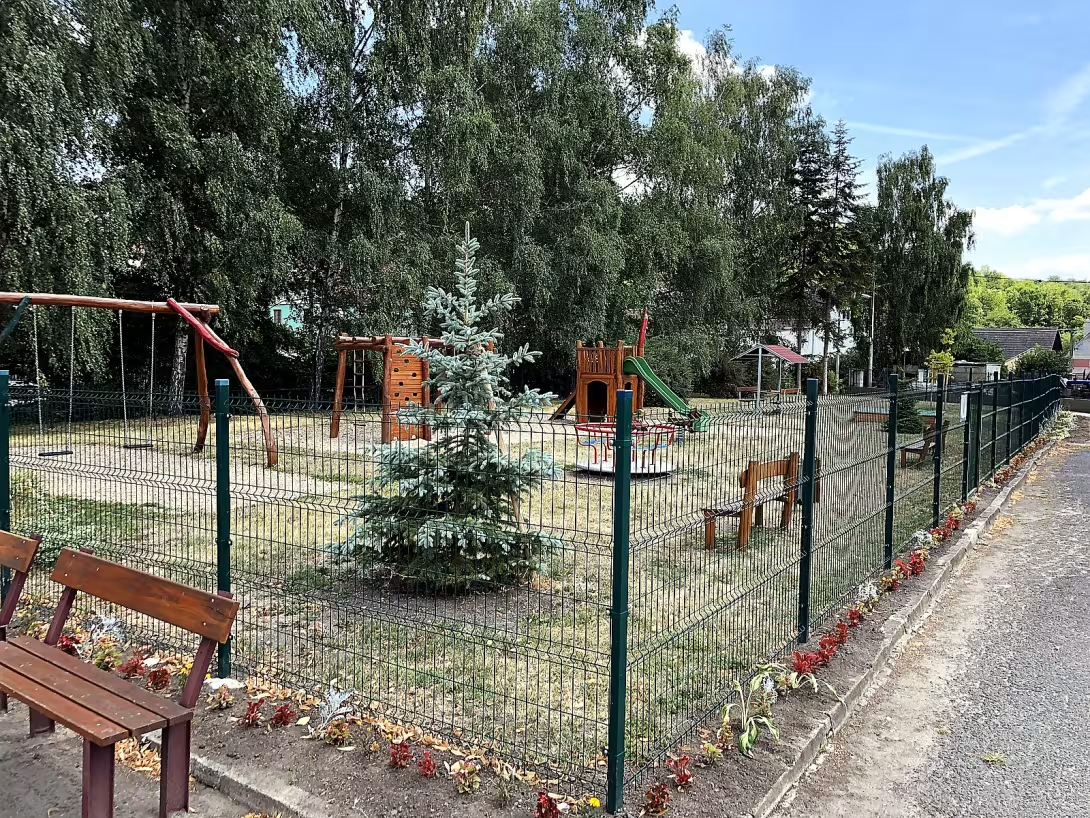
Objekt se nedochoval — na místě dnes nestojí. Následující text popisuje jeho historii, ne současnou návštěvu.
Komenda Býčkovice is a historical site that once served as a medieval commandery established by the Order of German Knights in 1253. Located near the village of Býčkovice in Ústecký kraj, it was notable for its economic significance and strategic development under the Teutonic Order. Despite its importance, it declined during the Hussite Wars.
The origins trace back to 1197 when knight Hroznata donated the village of Býčkovice to the Premonstratensian monastery in Teplá. Due to its distance from Teplá, the monastery leased it to the Order of German Knights in 1233 and later acquired it as a hereditary possession in 1282. This marked an era where Býčkovice became a vital economic hub under the Teutonic Order's management.
Architecturally, Komenda Býčkovice featured fortified structures and extensive agricultural facilities, including vineyards that supplied other commanderies. The exact architectural style remains uncertain but likely included typical medieval fortifications. The site was strategically developed with livestock management, evidenced by records of 53 cows, 568 sheep, 29 horses, 18 piglets, and 160 pigs in the late 14th century.
Ownership shifted over time, initially held by the Premonstratensian monastery from 1233 to 1282 before passing to the Order of German Knights until its confiscation during the Hussite Wars. The commandery was managed by various komturs, including notable figures like Havel in 1326 and Albrecht z Dubé around 1406. Despite prosperity, financial difficulties led to its mortgaging in 1409 by Oldřich z Ústí, with Herš z Vrutice becoming the first mortgage holder.
Key events include its establishment in 1253 and the construction of a large pond by the Teutonic Knights in 1409. Additionally, Jan Žižka built his stronghold Kalich on nearby land in 1421. These developments highlight the site's strategic importance during its operational years.
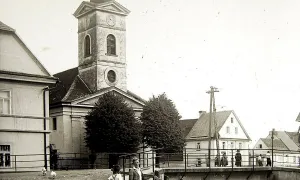
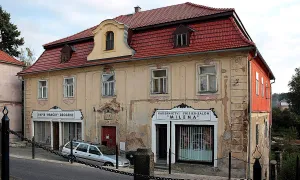
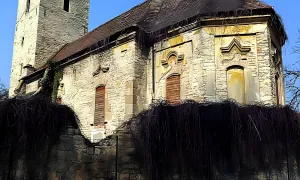
Today, Komenda Býčkovice is marked by remnants possibly found around houses numbered 46, 47, and 28, as well as a baroque church and an old school site. While much of the original architecture has not survived, these remnants offer a glimpse into the commandery's historical significance.
Visiting Komenda Býčkovice provides insight into medieval economic and strategic developments in Bohemia. Its historical context and architectural remnants make it a worthwhile destination for those interested in exploring the region's rich past.
Then and now
Drag the slider to compare how the landmark may have looked when it was built with the view today.
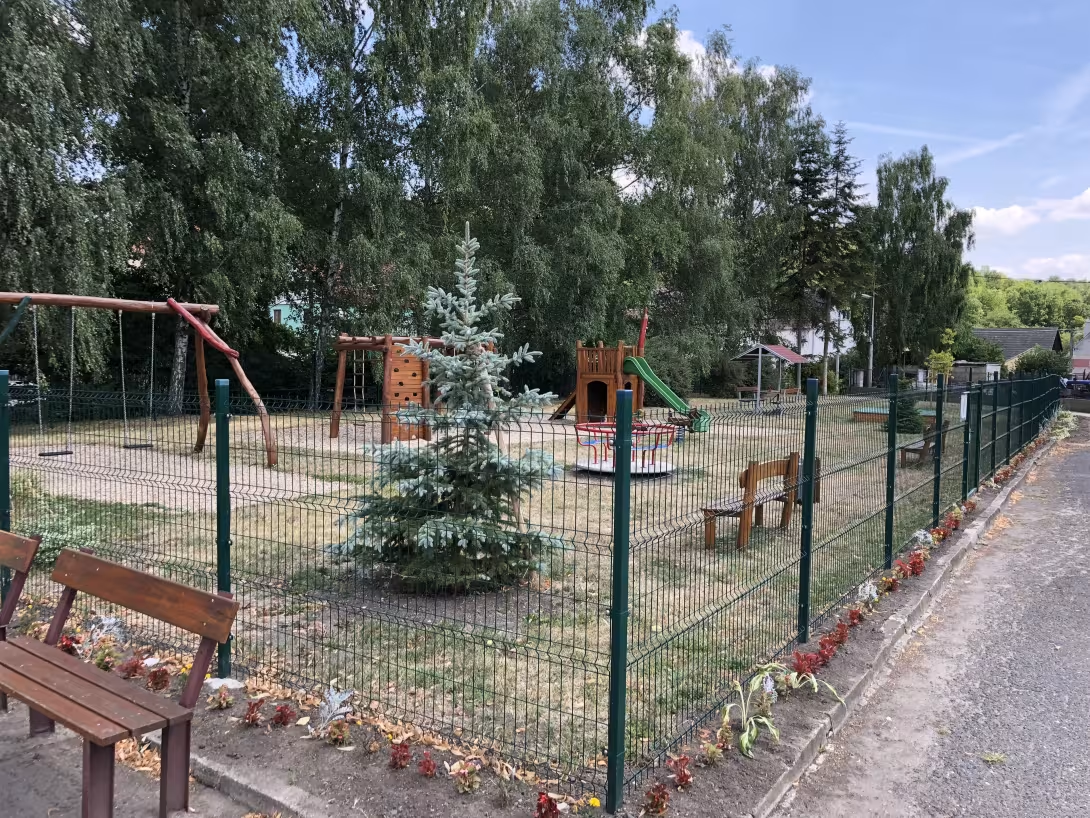

The historical appearance on the left is an AI-generated visualisation and serves as inspiration only.
Historical milestones
- 1197
- Kniže Hroznata daroval ves Býčkovice klášteru v Teplé.
- 1233
- Klášter v Teplé pronajal Býčkovice řádu německých rytířů.
- 1253
- Řád německých rytířů založil komendu v Býčkovicích.
- 1282
- Býčkovice se stala dědičnou majetkem řádu německých rytířů.
- 1326
- Komentur Havel spravoval komendu v Býčkovicích.
- 1409
- Komenda byla zastavena Oldřichem z Ústí a Heršem z Vrutice.
Architectural development
The commandery included fortified structures, a manor house, and agricultural facilities. It was strategically developed with vineyards and livestock management. The exact architectural style remains uncertain, but it likely featured typical medieval fortifications.
Historical events
- 1253
- Establishment of the commandery by the Order of German Knights.
- 1409
- Confiscation and mortgaging of the commandery due to debts, leading to its eventual loss during the Hussite Wars.
Points of interest
- Despite its initial establishment by the Order of German Knights in 1253, Komenda Býčkovice was originally donated to the Premonstratensian monastery in Teplá as early as 1197, highlighting a complex history of ownership before becoming significant under the Teutonic Order.
- The strategic importance of Komenda Býčkovice is underscored by Jan Žižka's construction of his stronghold Kalich on nearby land in 1421, reflecting its role during turbulent periods such as the Hussite Wars.
- Financial challenges plagued the commandery even at its peak, leading to Oldřich z Ústí mortgaging it in 1409 to Herš z Vrutice, indicating economic difficulties despite its prosperity and strategic significance.
- The Teutonic Knights' construction of a large pond in 1409 suggests an advanced approach to resource management and infrastructure development at Komenda Býčkovice, aiming to enhance agricultural productivity and sustainability.
- Although much of the original architecture has not survived, remnants possibly found around houses numbered 46, 47, and 28, along with a baroque church and old school site, provide intriguing clues about the commandery's historical layout and significance.
Guide
This guide is narrated by a synthetic voice generated by artificial intelligence.
Show guide text
This text was created by artificial intelligence and has not been editorially reviewed. It may contain inaccuracies.
Welcome to the historic site of Komenda Býčkovice, a place where centuries of history whisper through the remnants of its past. As you stand here in Býčkovice, Ústecký kraj, imagine yourself stepping back into medieval times, surrounded by a landscape that once thrived under the influence of the Order of German Knights.
The origins of Komenda Býčkovice are deeply rooted in history, dating back to 1197 when Kniže Hroznata generously donated the village of Býčkovice to the monastery in Teplá. This initial act set the stage for a complex narrative of ownership and purpose. By 1233, the Premonstratensian monastery had leased the land to the Order of German Knights, marking the beginning of its transformation into an economic hub. The pivotal year was 1253 when the Order established Komenda Býčkovice as a commandery, further solidifying its strategic importance in the region.
As you take in your surroundings, consider the architecture that once stood here. Though specific details are lost to time and the architects remain unnamed, the site's fortified structures speak volumes about its past significance. These fortifications were not merely for defense but also symbolized power and control over extensive agricultural operations, including vineyards that supplied other commanderies.
Throughout its history, Komenda Býčkovice was home to notable figures who shaped its legacy. In 1326, Komentur Havel managed the commandery, ensuring its prosperity under the Teutonic Order's stewardship. However, by 1409, the site faced a pivotal change when it was pawned by Oldřich z Ústí and Herš z Vrutice, marking the beginning of the end for this once-thriving establishment.
One intriguing aspect of Komenda Býčkovice is its complex history of ownership before becoming significant under the Teutonic Order. Initially donated to a monastery in 1197, it later became an economic center under the knights' control. This layered past adds depth to your visit, inviting you to ponder the shifting sands of power and influence.
As we conclude our journey through Komenda Býčkovice, take a moment to reflect on the stories etched into this land. Let the whispers of history inspire you to explore further, uncovering more about the people and events that shaped this remarkable site. Thank you for joining me on this exploration, and I hope your curiosity leads you to discover even more hidden gems in the rich tapestry of our past.
Businesses nearby
Do you run a restaurant, accommodation, shop, museum, rental, wellness or other visitor service near this monument? Show yourself directly to the people heading to it — this is how they will see you in the app and on the web:
Events nearby


Zdroj akcí: otevřená data měst a obcí ČR (Národní katalog otevřených dat) a kalendář akcí Národního památkového ústavu.
Nearby
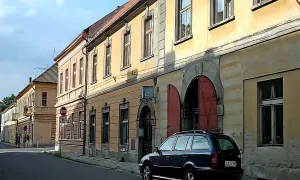
The commandery is located near Býčkovice village, with remnants of structures possibly found around houses numbered 46, 47, and 28. The area includes a baroque church and the site of an old school.
Visualizations and artistic views


The visualisations are generated by artificial intelligence and serve as inspiration.
Photos from the area
Real photos taken near the monument


Zdroj a licence jsou uvedeny u každého snímku.
Tips from visitors
No tips yet. Be the first!
Log in and add your tip.
Sources and literature
Faktickým podkladem tohoto textu byl článek na Wikipedii, jehož autory jsou přispěvatelé Wikipedie. Článek je dostupný pod licencí CC BY-SA 4.0.
Location on the map

Příběhy a pověsti
Legendy, pověsti a příběhy spjaté s touto památkou
Fotografie návštěvníků
Zatím žádné fotografie. Buďte první, kdo přidá fotografii z návštěvy!
Log in a přidejte svou fotografii nebo hodnoťte.
Za ověřenou návštěvu v aplikaci získáte víc bodů — poznáme podle GPS, že jste na místě.
Reviews and comments