






Kostel Povýšení svatého Kříže (Býčkovice) Church
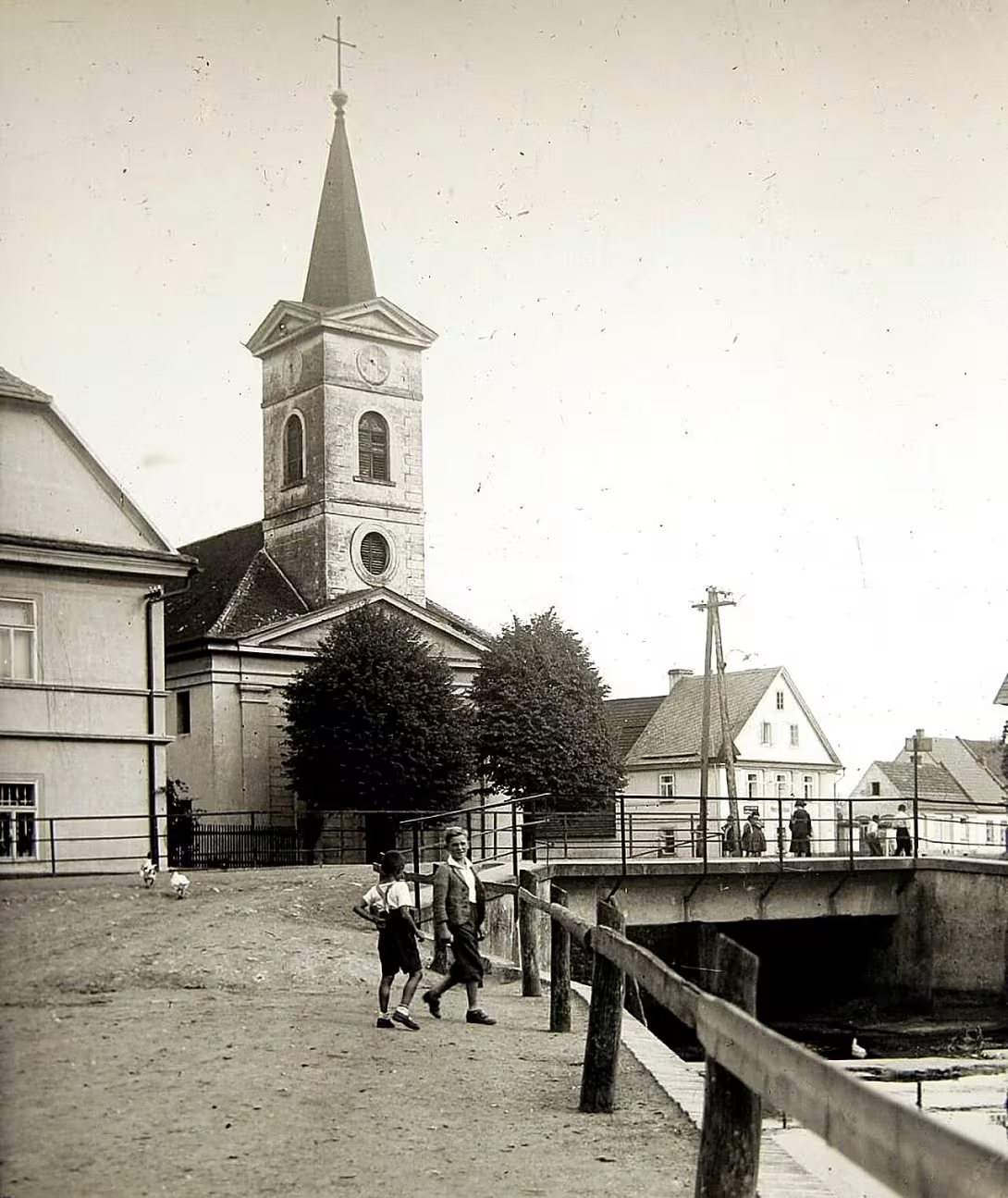
The Church of the Exaltation of the Holy Cross in Býčkovice is a historical monument that once served as a Roman Catholic church, constructed during the first half of the 19th century. Located in the village of Býčkovice within Ústecký kraj, this Empire-style building replaced an earlier Romanesque order church and served its community until it was demolished in 1965 due to structural issues. The church is notable for its architectural style and historical significance, reflecting broader cultural shifts during a period when Bohemia was part of the Austrian Empire.
The first written mention of a church in Býčkovice dates back to 1237, associated with the Teutonic Knights. This original Romanesque order church met its demise during the Hussite Wars. Josef Proksch designed and constructed the new Church of the Exaltation of the Holy Cross between 1834 and 1836. The design featured three naves with barrel vaults and an apse, embodying the Empire style prevalent in Europe following the Napoleonic Wars.
Architecturally, the church showcased a square-section bell tower on its western façade, flanked by pairs of high pilasters and topped with a pyramidal roof. The interior included several artworks transferred from the previous structure, such as an Italian painting from 1596 depicting Christ on the cross, donated by Emperor Leopold II. Additionally, two wooden statues of Saints Cyril and Methodius, created in 1863 by Kubeš, were part of its rich artistic heritage.
Throughout its history, the church experienced significant changes. After World War II, it deteriorated significantly, leading to partial demolition in 1961 due to structural issues with the bell tower. Ultimately, on July 22, 1965, the remaining structure was demolished. Today, where the church once stood is now a green space and playground.
The site's historical context extends beyond the church itself. Nearby, visitors can find a late Baroque parish house from the second half of the 18th century, featuring a mansard roof and decorative elements typical of its era. Additionally, an 18th-century Baroque chapel stands on the village square, adorned with a statue of Saint Florian.
While the Church of the Exaltation of the Holy Cross no longer exists as a physical structure, its legacy endures through historical records and nearby architectural remnants. The site offers a glimpse into the region's rich past and serves as a testament to the cultural and architectural developments that have shaped Býčkovice over centuries. Visitors are invited to explore this area to appreciate its historical significance and enjoy the serene surroundings of what was once a vibrant community landmark.
Then and now
Drag the slider to compare how the landmark may have looked when it was built with the view today.
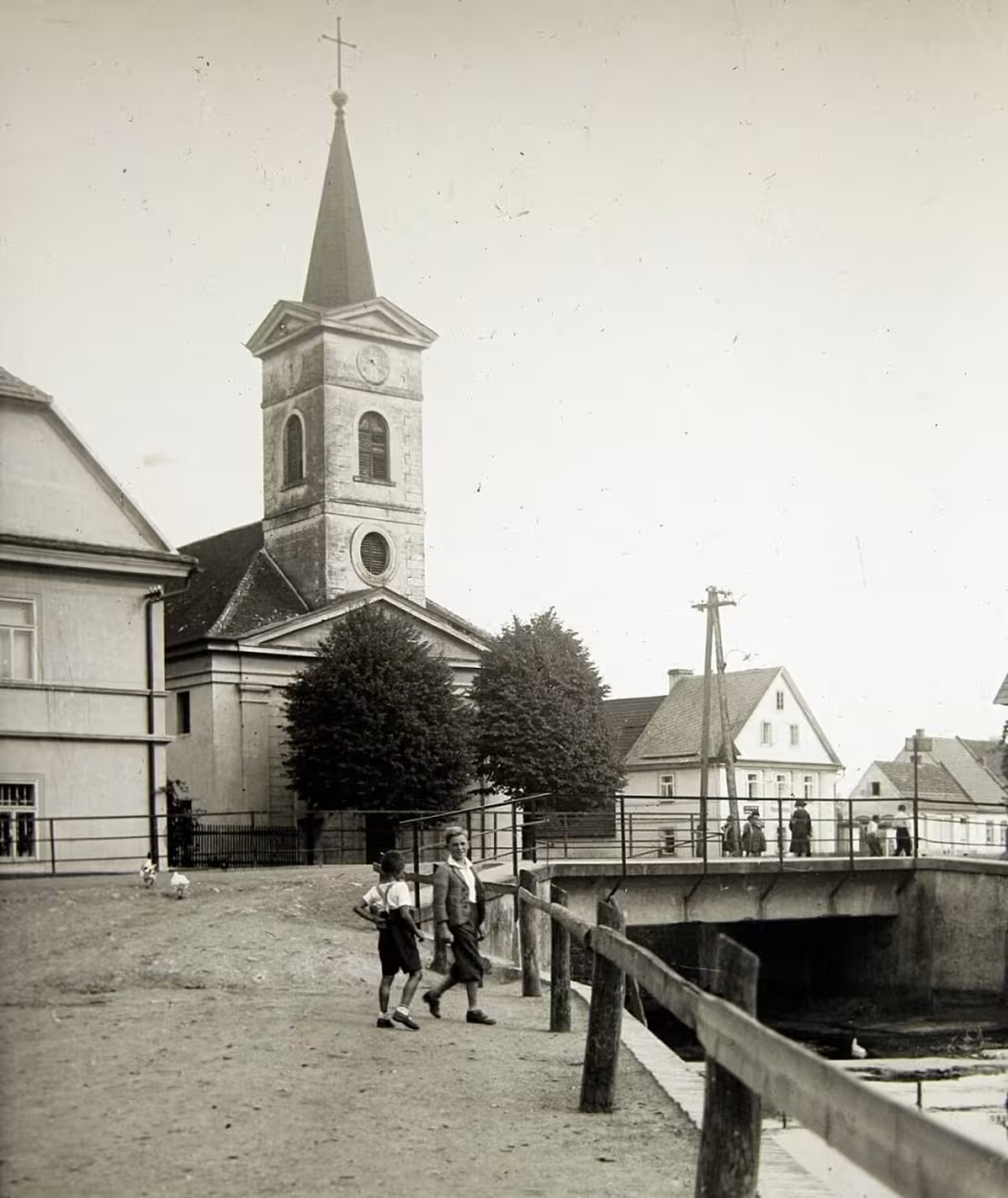
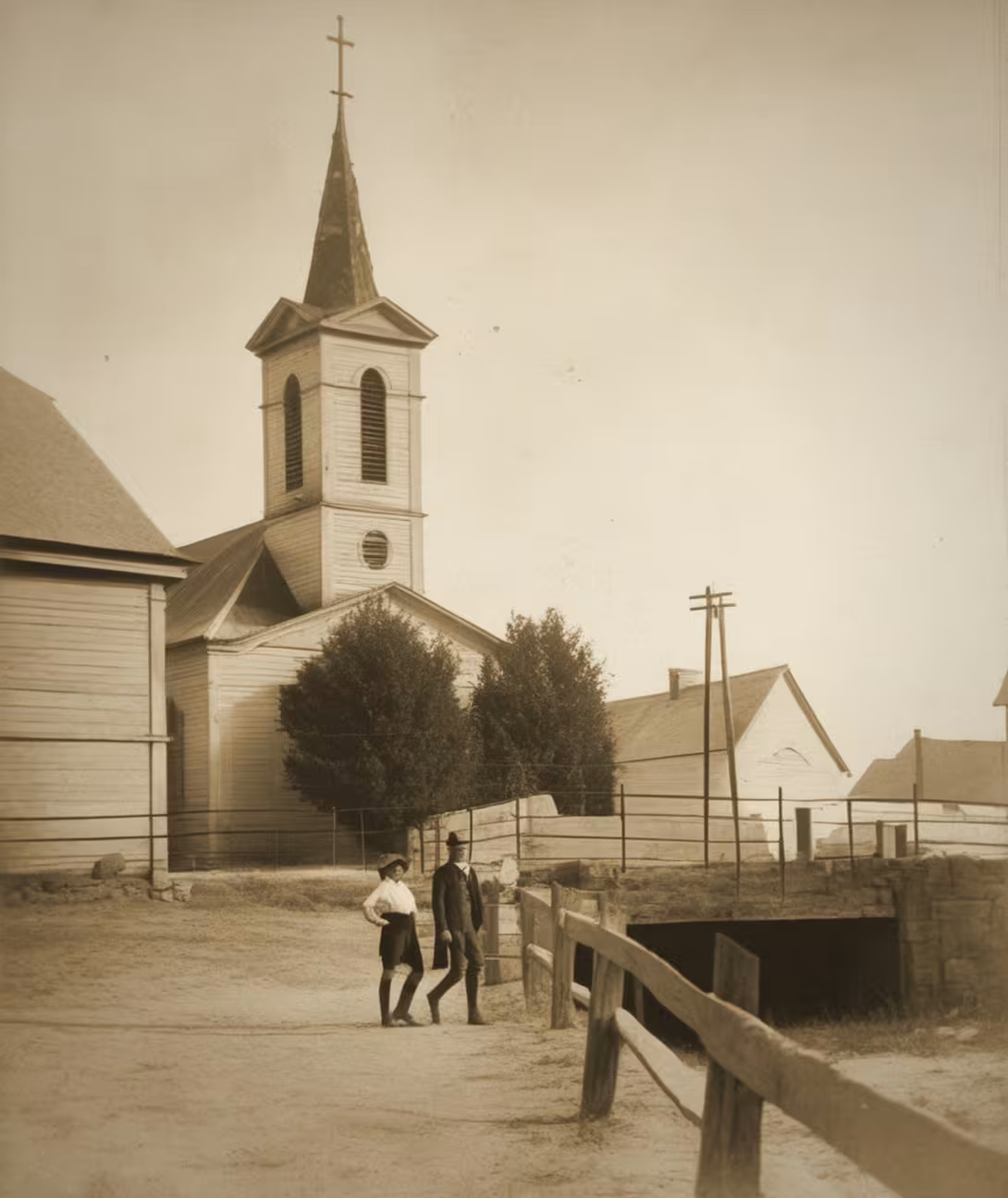
The historical appearance on the left is an AI-generated visualisation and serves as inspiration only.
Historical milestones
- 1237
- First written mention of a church associated with the Teutonic Knights.
- 1965
- The church was demolished.
Architectural development
The original Romanesque order church, dating back to at least 1237, was destroyed during the Hussite Wars. It was replaced by a new church in Empire style designed by Josef Proksch between 1834 and 1836. The church featured three naves with barrel vaults and an apse. After World War II, it deteriorated significantly, leading to its partial demolition in 1961 due to structural issues.
Historical events
1237: First written mention of a church in Býčkovice associated with the Teutonic Knights.
1965: The church was demolished due to structural issues.
Points of interest
- The Church of the Exaltation of the Holy Cross was originally associated with the Teutonic Knights as early as 1237, linking it to a significant military and religious order in medieval Europe.
- Despite its demolition, an Italian painting from 1596 depicting Christ on the cross remains part of Býčkovice's artistic heritage. This artwork was donated by Emperor Leopold II, highlighting connections between local history and broader European influences.
- The church featured wooden statues of Saints Cyril and Methodius created in 1863 by Kubeš. These figures are significant as they represent key figures in the Christianization of the Slavic peoples, emphasizing the cultural and religious impact on the region.
- After World War II, the church's deterioration led to its partial demolition in 1961, specifically due to structural issues with the bell tower. This reflects broader post-war challenges faced by many historical structures across Europe.
- Today, where the church once stood is now a green space and playground, transforming a site of religious significance into a communal area for recreation and reflection on local history.
Guide
This guide is narrated by a synthetic voice generated by artificial intelligence.
Show guide text
This text was created by artificial intelligence and has not been editorially reviewed. It may contain inaccuracies.
Welcome to the site of what was once the Church of the Exaltation of the Holy Cross in Býčkovice. As you stand here today, imagine this space where history and architecture intertwined. Though the church no longer stands, its legacy endures through stories and remnants that whisper tales from centuries past.
This sacred structure was built between 1834 and 1836 by architect Josef Proksch, replacing an earlier Romanesque order church. Its design reflected the Empire style, characterized by three naves and a square-section bell tower—a testament to architectural elegance of its time. Although the building itself has been demolished since 1965, its historical significance remains.
The roots of this site stretch back even further, to the year 1237 when the first written mention of a church associated with the Teutonic Knights was recorded. This connection ties the location to one of medieval Europe's most influential military and religious orders, known for their role in both warfare and the spread of Christianity.
As you explore this site, imagine the grandeur that once stood here: an Empire-style sanctuary designed by Josef Proksch. Notice how the layout would have guided worshippers through its three naves, leading them towards spiritual reflection beneath a towering bell structure. While the physical form is absent, let your mind's eye reconstruct these elements as you walk around.
A particularly intriguing piece of history lingers here: an Italian painting from 1596 depicting Christ on the cross. This artwork survived the church’s demolition and remains a poignant reminder of the site's spiritual heritage. It serves as a tangible link to the past, inviting us to ponder the stories and lives that once unfolded within these walls.
As you conclude your visit to this historic location, we invite you to reflect on its rich tapestry of history—from its early association with the Teutonic Knights to its architectural rebirth in the 19th century. Though the church is no longer standing, its spirit endures through the stories and artifacts that remain.
Thank you for joining us on this journey into the past. We hope it has inspired a deeper appreciation for the layers of history that surround us. As you continue exploring Býčkovice, may your curiosity lead you to uncover even more hidden gems in this region steeped in heritage. Safe travels and until next time!
Tips for visitors
The best time to visit the site of the Church of the Exaltation of the Holy Cross in Býčkovice is during late spring or early autumn when the weather is mild and pleasant, making it ideal for exploring the outdoor surroundings. The nearby Baroque parish house and chapel are particularly beautiful under soft sunlight, which enhances their architectural details. Visiting during these seasons also means fewer crowds, allowing you to enjoy a more peaceful experience.
Parking is available in Býčkovice, though spaces might be limited due to its small size. For those preferring public transport, the village can be accessed via regional bus services from nearby towns; however, it's advisable to check current schedules online for the most accurate information. If driving, there are also scenic routes that lead through picturesque landscapes, adding to the charm of your visit.
When visiting Býčkovice, consider bringing comfortable walking shoes as you'll likely explore both the site and its surroundings on foot. A camera is recommended to capture the unique architectural features of the Baroque parish house and chapel. Additionally, carrying a light jacket or sweater can be helpful since temperatures might drop slightly in the shade or during early mornings and late afternoons.
For photography enthusiasts, the best spots include the front of the Baroque parish house where its intricate details are most visible, especially during the golden hour when the sunlight casts long shadows. The chapel on the village square also offers excellent photographic opportunities with its statue of Saint Florian as a focal point. Early morning or late afternoon light provides soft illumination that enhances these structures' features.
Nearby attractions within 30 minutes include other historical sites and natural landscapes around Býčkovice, such as exploring the local countryside for hiking or cycling. The village square itself is worth visiting to appreciate its quaint charm and any local events or markets taking place. These activities provide a well-rounded experience of both cultural heritage and nature.
Businesses nearby
Do you run a restaurant, accommodation, shop, museum, rental, wellness or other visitor service near this monument? Show yourself directly to the people heading to it — this is how they will see you in the app and on the web:
Events nearby



Zdroj akcí: otevřená data měst a obcí ČR (Národní katalog otevřených dat) a kalendář akcí Národního památkového ústavu.
Nearby
Nearby the former church site is a late Baroque parish house from the second half of the 18th century. A similar Baroque chapel from the 18th century stands on the village square, featuring a statue of Saint Florian.
Accommodation nearby
Trips and activities nearby
Guided tours, tickets and activities nearby from GetYourGuide
Affiliate link: if you buy from the partner, we may receive a commission. The price for you does not change.
Search tours and activities →Themed route
Thematic Walking Tour: Býčkovice
1. Kostel Povýšení svatého Kříže (Býčkovice) - *Type:* Church - *Why Visit:* This is the central attraction of your tour, a historical church that offers insight into the religious heritage and architectural style of Býčkovice. Its serene atmosphere provides a perfect starting point for exploring the village's cultural history.
2. Former Parish House - *Type:* Historical Building - *Why Visit:* Located nearby the former church site, this late Baroque parish house from the second half of the 18th century is an excellent example of the architectural elegance and craftsmanship of that era. Its proximity to the church makes it a logical next stop for understanding the historical context of Býčkovice's religious community.
3. Baroque Chapel on the Village Square - *Type:* Chapel - *Why Visit:* Standing prominently in the village square, this 18th-century Baroque chapel features a statue of Saint Florian, adding to its charm and historical significance. The chapel offers a glimpse into the artistic expressions of the time and serves as a cultural landmark within Býčkovice.
This tour provides an enriching experience through Býčkovice's architectural and religious history, focusing on key sites that highlight the village's Baroque heritage.
Seasonal recommendations
Spring: Visiting the site of Kostel Povýšení svatého Kříže during spring offers a unique opportunity to appreciate the rebirth and renewal of nature surrounding Býčkovice. The landscape is adorned with vibrant wildflowers, and the gentle warmth of the sun creates an inviting atmosphere for exploration. This time of year sees fewer visitors compared to summer, allowing for a more peaceful experience. It's advisable to wear comfortable walking shoes and layers that can be adjusted as temperatures fluctuate throughout the day.
Summer: The summer months bring long days filled with sunshine, making it ideal for exploring the historical site of Kostel Povýšení svatého Kříže in Býčkovice. During this peak tourist season, expect larger crowds and plan to arrive early to enjoy a more serene visit. The lush greenery provides a picturesque backdrop, perfect for picnics or leisurely walks. Light clothing is recommended due to the warm weather, along with sun protection such as hats and sunscreen.
Autumn: Autumn in Býčkovice offers a stunning display of fall foliage at the site of Kostel Povýšení svatého Kříže, painting the landscape in rich hues of red, orange, and gold. The cooler temperatures make for comfortable exploration without the summer heat. This season attracts nature enthusiasts eager to capture the beauty of the changing leaves. Layered clothing is advisable to accommodate varying weather conditions, and it's a good idea to bring along a camera to photograph the breathtaking scenery.
Winter: Winter transforms the site of Kostel Povýšení svatého Kříže into a serene, snow-covered landscape that offers a quiet and reflective atmosphere. The shorter days mean visiting earlier in the day is wise to maximize daylight hours, as some facilities may have reduced opening times due to inclement weather. Visitors should dress warmly with insulated layers, waterproof outerwear, and sturdy boots for navigating potentially icy paths. This season provides a unique perspective on the historical site, offering tranquility away from the busier tourist seasons.
Visualizations and artistic views


The visualisations are generated by artificial intelligence and serve as inspiration.
Photos from the area
Real photos taken near the monument


Zdroj a licence jsou uvedeny u každého snímku.
Atmosphere of the place
This atmospheric visualisation of the place and period was generated by artificial intelligence. It is not real footage of the location.
Tips from visitors
No tips yet. Be the first!
Log in and add your tip.
Sources and literature
Fotografie: autor neuveden / Public domain — Wikimedia Commons. The author and licence also appear when you hover over the image.
Faktickým podkladem tohoto textu byl článek na Wikipedii, jehož autory jsou přispěvatelé Wikipedie. Článek je dostupný pod licencí CC BY-SA 4.0.
Location on the map

Příběhy a pověsti
Legendy, pověsti a příběhy spjaté s touto památkou
Příběh: Kostel Povýšení svatého Kříže (Býčkovice)
Bylo to v pondělí ráno, kdy Bartoloměj z Býčkovic zjistil, že jeho srdce nesouhlasilo s jeho životem. Stál u kostela Povýšení svatého Kříže, těsně před jeho …
Číst příběh
Pověst: Kostel Povýšení svatého Kříže (Býčkovice)
Podle místní pověsti, jíž staří obyvatelé Býčkovic vyprávějí při svíčkách temnou podzimní nocí, nebyl obraz Krista na kříži, jenž visel nad hlavním oltářem k…
Číst příběhFotografie návštěvníků
Zatím žádné fotografie. Buďte první, kdo přidá fotografii z návštěvy!
Přihlaste se a přidejte svou fotografii nebo hodnoťte.
Za ověřenou návštěvu v aplikaci získáte víc bodů — poznáme podle GPS, že jste na místě.
Reviews and comments