






Komín dolu Jindřich Building
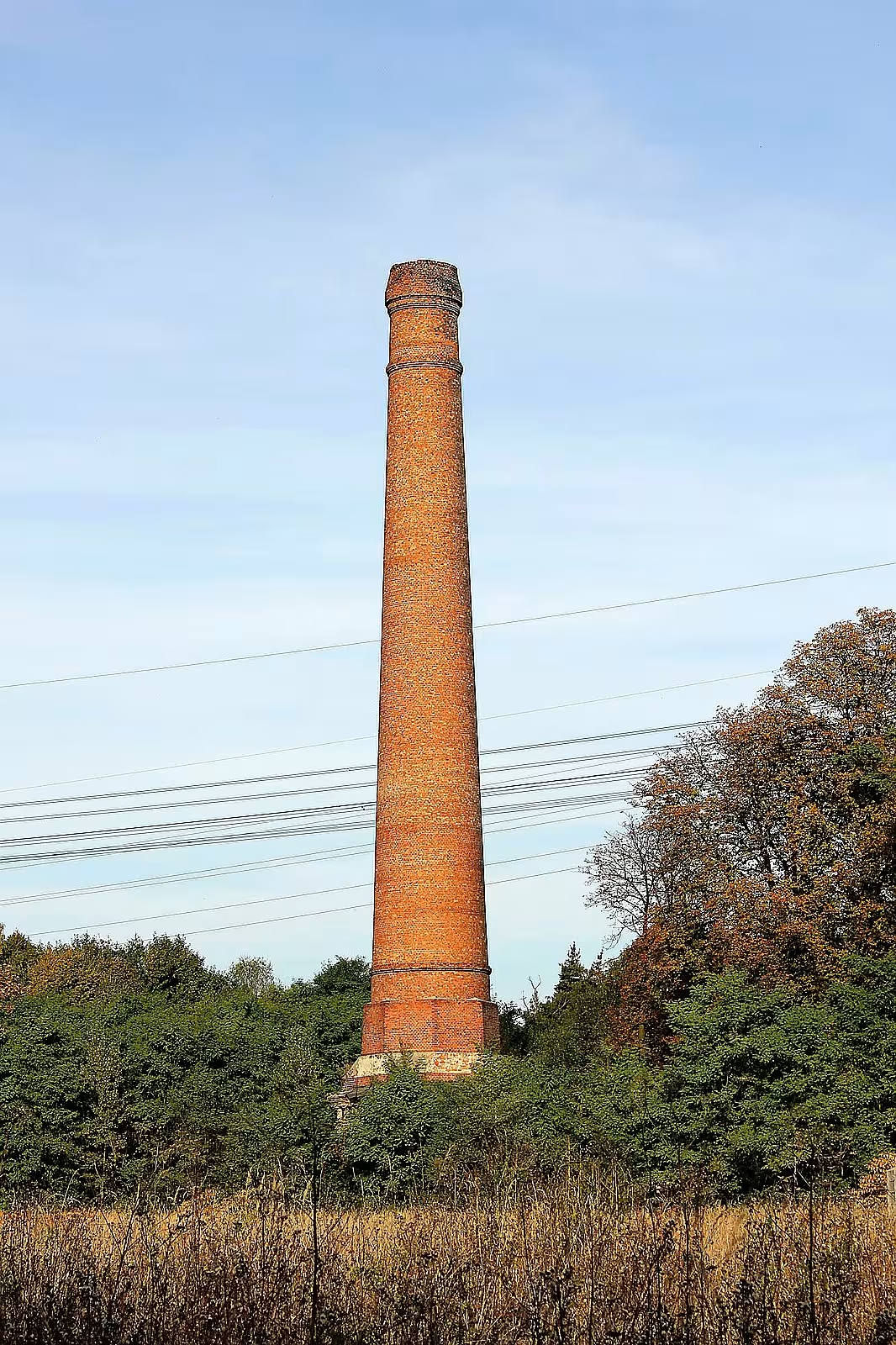
The Komín dolu Jindřich, a historic chimney located in the former coal mine of Jindřich, Karviná, dates back to the 19th century. It was part of the mine's infrastructure and played a notable role in the region's industrialization and economic growth.
Origin and Historical Context The Komín dolu Jindřich has its roots in the early days of coal mining in the region, which began as far back as 1776 with shallow excavations reaching depths of around 30 meters. The mine was formally founded in 1856, named after the grandson of the original founder, Jindřich.
Architecture and Artistic Form The chimney is a remnant of the coal mine's infrastructure, with no specific architectural phases or rebuilds mentioned.
Owners, Administrators, Fortunes The mine was once owned by the Larisch-Mönnich family until nationalization in 1945. It remained independent until its merger with other mines in 1951 to form the ČSA mine.
Key Events and Curiosities The mine's early years were marked by technological challenges, with mechanization of transportation introduced only in 1936. The mine was eventually closed in 1995 due to depletion of resources. The site was subsequently cleared, leaving only the historic chimney as a reminder of its past.
Today In its current state, the Komín dolu Jindřich stands as a testament to the region's industrial heritage. Although the surrounding buildings have been demolished, the chimney remains an important cultural landmark. Visitors can still appreciate this piece of history and gain insight into the region's economic development during the 19th and 20th centuries.
This monument is a must-see for anyone interested in the region's industrial past. Its unique blend of historical significance and architectural interest makes it a valuable addition to any itinerary.
Historical milestones
- 1776
- Coal mining begins in the region with shallow excavations reaching depths of around 30 meters.
- 1856
- The mine is formally founded and named after Jindřich, grandson of the original founder.
- 1936
- Mechanization of transportation is introduced in the mine.
- 1945
- The mine is nationalized.
- 1951
- The mine merges with other mines to form the ČSA mine.
- 1995
- The mine is eventually closed due to depletion of resources.
Architectural development
The chimney is a remnant of the coal mine's infrastructure, with no specific architectural phases or rebuilds mentioned.
Historical events
Dobývání uhlí began in 1776
The mine was founded in 1856
Mechanization of transportation was introduced in 1936
Points of interest
– The Komín dolu Jindřich dates back to the 19th century and played a notable role in the region's industrialization and economic growth.
– The mine was formally founded in 1856, named after the grandson of the original founder, Jindřich.
– The chimney is a remnant of the coal mine's infrastructure with no specific architectural phases or rebuilds mentioned.
– The mine was once owned by the Larisch-Mönnich family until nationalization in 1945 and later merged with other mines to form the ČSA mine in 1951.
– The mine was eventually closed in 1995 due to depletion of resources, leaving only the historic chimney as a reminder of its past.
Guide
Show guide text
This text was created by artificial intelligence and has not been editorially reviewed. It may contain inaccuracies.
Welcome to this corner of history. As you stand here in the Doly district of Karviná, take a moment to simply breathe in the atmosphere of this place. Before you rises the Komín dolu Jindřich, a silent, towering witness to a bygone era. Even as you look up at its massive silhouette against the sky, try to imagine this landscape not as it is today, but as it was during the height of the industrial age. This chimney is more than just a structure of brick and mortar; it is a monument to the sweat, the innovation, and the immense economic power that once pulsed through this very ground.
To understand why this chimney stands here, we have to travel back much further than the structure itself. The story of mining in this region began long before the formal establishment of the mine you see represented here. If we could step back to the year 1776, we would find a very different landscape. Back then, mining was a much more modest and precarious endeavor. It consisted of shallow excavations, reaching only about thirty meters into the earth. It was a time of manual labor and local effort, where the scale of industry was still being measured in small, rhythmic steps.
However, as the demand for coal grew and the world began to move toward a more mechanized future, so too did the ambitions of the people in this region. The turning point came in 1856. This was the year the mine was formally founded, marking its transition from scattered excavations into a structured, professional industrial enterprise. It was during this period that the mine was given its name, Jindřich. This wasn't just a random choice; the mine was named in honor of Jindřich, the grandson of the original founder. This naming carries a sense of legacy and family pride, linking the industrial might of the 19th century directly to the individuals who had the vision to see the potential beneath the soil.
As you observe the Komín dolu Jindřich, consider its role in that grand design. During the 19th century, this chimney became a vital part of the mine's infrastructure. It was a functional necessity, a piece of engineering designed to support the massive operations occurring below the surface. While the specific architects of this structure remain unknown to us, their intent is clearly visible in its sheer scale and its commanding presence. It was built to endure, to serve, and to facilitate the industrialization that would eventually transform Karviná and the surrounding regions into an economic powerhouse. The chimney played a notable role in this growth, acting as a landmark of progress and a symbol of the region's rising prosperity.
Let us move our focus through the passage of time to see how this site evolved alongside the world around it. As the decades rolled on, the technology used to extract the earth's riches changed dramatically. By 1936, the era of pure manual strength was being replaced by the era of the machine. This was the year mechanization of transportation was introduced within the mine, a massive leap forward that changed the daily lives of every worker and increased the efficiency of the entire operation. The rhythm of the mine changed from the sound of human effort to the roar of engines.
The mid-20th century brought even more profound shifts, not just in technology, but in the very fabric of society and politics. In 1945, following the end of the Second World War, the mine underwent nationalization. The ownership and management shifted as the country entered a new political era. Then, in 1951, the landscape of the local industry changed again when the Jindřich mine merged with other neighboring mines to form the massive ČSA mine. This merger created a colossal industrial complex, making the area one of the most significant coal-producing hubs in the country. The Komín dolu Jindřich stood through all these transitions—through wars, through political revolutions, and through the massive scaling up of industrial production.
Now, please turn your attention to the concept of time and the inevitable cycle of industry. Every resource, no matter how deep or how vast, is finite. For many decades, the Jindřich mine was a source of life and livelihood, but eventually, the coal began to run thin. The year 1995 marked the end of an era. Due to the depletion of resources, the mine was finally closed. The engines that had roared for over a century fell silent, and the constant movement of coal and workers ceased. The chimney, which had once been a bustling part of a living, breathing industrial organism, became a monument to what once was.
It is fascinating to think about the mystery of the people who worked here. While we do not have the names of the architects or the specific stories of every individual, the chimney itself tells a story of collective human effort. Every brick and every layer of this structure represents the labor of thousands. It represents the families who lived in Doly, the engineers who designed the systems, and the miners who descended into the darkness every single day to fuel the progress of a nation.
As you stand here, looking at this historic landmark, I invite you to look beyond the physical structure. See it as a bridge between the 18th-century shallow pits and the modern world we live in today. It is a symbol of how much the world has changed—from the early days of the 1770s, through the intense industrialization of the 1800s, through the mechanical and political upheavals of the 1900s, and finally to the quiet reflection of the present day.
The Komín dolu Jindřich remains a powerful reminder of the industrial spirit that shaped Karviná. It stands as a testament to the economic growth that was driven by the coal beneath our feet and the human ingenuity that allowed us to reach it. Even in its stillness, it speaks of movement, of energy, and of a time when this region was at the very heart of the industrial world.
As you continue your journey through the area, I encourage you to keep exploring. Look for the other traces of the mining past that linger in the landscape. Notice how the history of this place is etched into the very ground you walk upon. Thank you for taking this moment to connect with the history of the Jindřich mine. Please, continue your walk and enjoy the rest of your visit to this remarkable part of Karviná.
Tips for visitors
The best time to visit the Komín dolu Jindřich is during spring or autumn when the weather is mild and sunny, making it ideal for photography. The historic chimney's unique architecture and surrounding landscape make it a great spot for capturing stunning images.
Visitors can park their vehicles near the site or use public transportation. The nearest bus stop is located in Karviná, from where you can take a short walk to reach the Komín dolu Jindřich.
When visiting the Komín dolu Jindřich, it's recommended to bring comfortable walking shoes and clothes suitable for the weather. Don't forget your camera and a bottle of water to keep you hydrated during the visit.
The best spots for photography at the Komín dolu Jindřich are around the chimney itself, as well as in the surrounding landscape. The early morning or late afternoon sun provides ideal lighting conditions for capturing stunning images.
If you're looking to explore more of the area, there are several nearby attractions within a 30-minute radius. Some popular options include [list specific locations mentioned in V OKOLÍ above].
Businesses nearby
Do you run a restaurant, accommodation, shop, museum, rental, wellness or other visitor service near this monument? Show yourself directly to the people heading to it — this is how they will see you in the app and on the web:
Events nearby
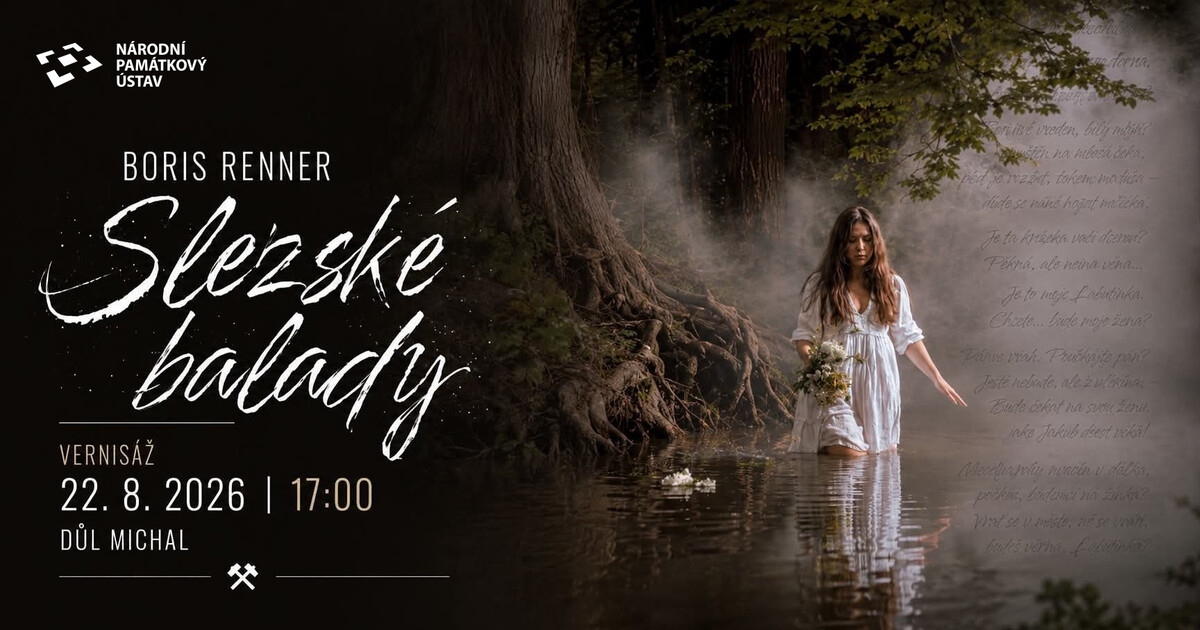
Zdroj akcí: otevřená data měst a obcí ČR (Národní katalog otevřených dat) a kalendář akcí Národního památkového ústavu.
Accommodation nearby
Themed route
Jindřich Mine Trail
This thematic trail takes you on a journey to explore the surrounding area of Doly, with the main attraction being the Komín dolu Jindřich building.
Stop 1: Doly Village Square Type: Cultural Why visit: This charming village square is the heart of Doly's community. Admire the traditional architecture and soak up the local atmosphere.
Stop 2: Jindřich Mine Museum Type: Historical Why visit: Learn about the history of mining in the region at this informative museum, which provides a deeper understanding of the industry that shaped the area.
Stop 3: Komín dolu Jindřich (Main Attraction) Type: Industrial Why visit: This impressive chimney is an iconic landmark and a testament to the region's industrial heritage. Take in the views from its base or climb to the top for panoramic vistas.
The trail provides a unique blend of culture, history, and industry, giving visitors a comprehensive understanding of Doly and its surroundings.
Seasonal recommendations
Spring
As you visit the historic landmark, Komín dolu Jindřich (the building), Doly, during the spring season, you'll be greeted by a lush green landscape and mild temperatures. The natural surroundings are particularly beautiful as the trees regain their foliage and flowers start to bloom. The atmosphere is serene and peaceful, making it an ideal time for a leisurely stroll.
Practical tips: Try to visit early in the morning or late in the afternoon to avoid crowds. Wear comfortable shoes and clothing suitable for mild weather. The best time to visit is from 10 am to 4 pm.
Summer
During the summer season, the historic landmark takes on a lively atmosphere as the days are longer and warmer. The natural surroundings are at their most vibrant, with lush greenery and colorful flowers in full bloom. The air is filled with the sweet scent of blooming plants, making it an ideal time for outdoor activities.
Practical tips: Be prepared for larger crowds during peak summer hours (11 am to 3 pm). Wear light, breathable clothing and comfortable shoes. Arrive early or later in the day to avoid the heat and crowds.
Autumn
As autumn sets in, the historic landmark takes on a cozy atmosphere, with the changing foliage creating a picturesque backdrop. The natural surroundings are particularly beautiful as the leaves turn golden and crimson, casting a warm glow over the area. The air is crisp and cool, making it an ideal time for a leisurely walk.
Practical tips: Visit during the morning or late afternoon to avoid crowds. Wear layers of clothing suitable for cooler weather. The best time to visit is from 10 am to 2 pm.
Winter
During the winter season, the historic landmark takes on a serene and peaceful atmosphere, with the snow-covered landscape creating a magical backdrop. The air is crisp and cold, making it an ideal time for a brisk winter walk.
Practical tips: Visit during the morning or early afternoon to avoid crowds. Wear warm, layered clothing suitable for cold weather. The best time to visit is from 10 am to 1 pm.
Visualizations and artistic views


The visualisations are generated by artificial intelligence and serve as inspiration.
Tips from visitors
No tips yet. Be the first!
Log in and add your tip.
Sources and literature
Faktickým podkladem tohoto textu byl článek na Wikipedii, jehož autory jsou přispěvatelé Wikipedie. Článek je dostupný pod licencí CC BY-SA 4.0.
Location on the map
Příběhy a pověsti
Legendy, pověsti a příběhy spjaté s touto památkou

Fotografie návštěvníků
Zatím žádné fotografie. Buďte první, kdo přidá fotografii z návštěvy!
Přihlaste se a přidejte svou fotografii nebo hodnoťte.
Za ověřenou návštěvu v aplikaci získáte víc bodů — poznáme podle GPS, že jste na místě.
Reviews and comments