






Kostel Božího milosrdenství a svaté Faustyny Church
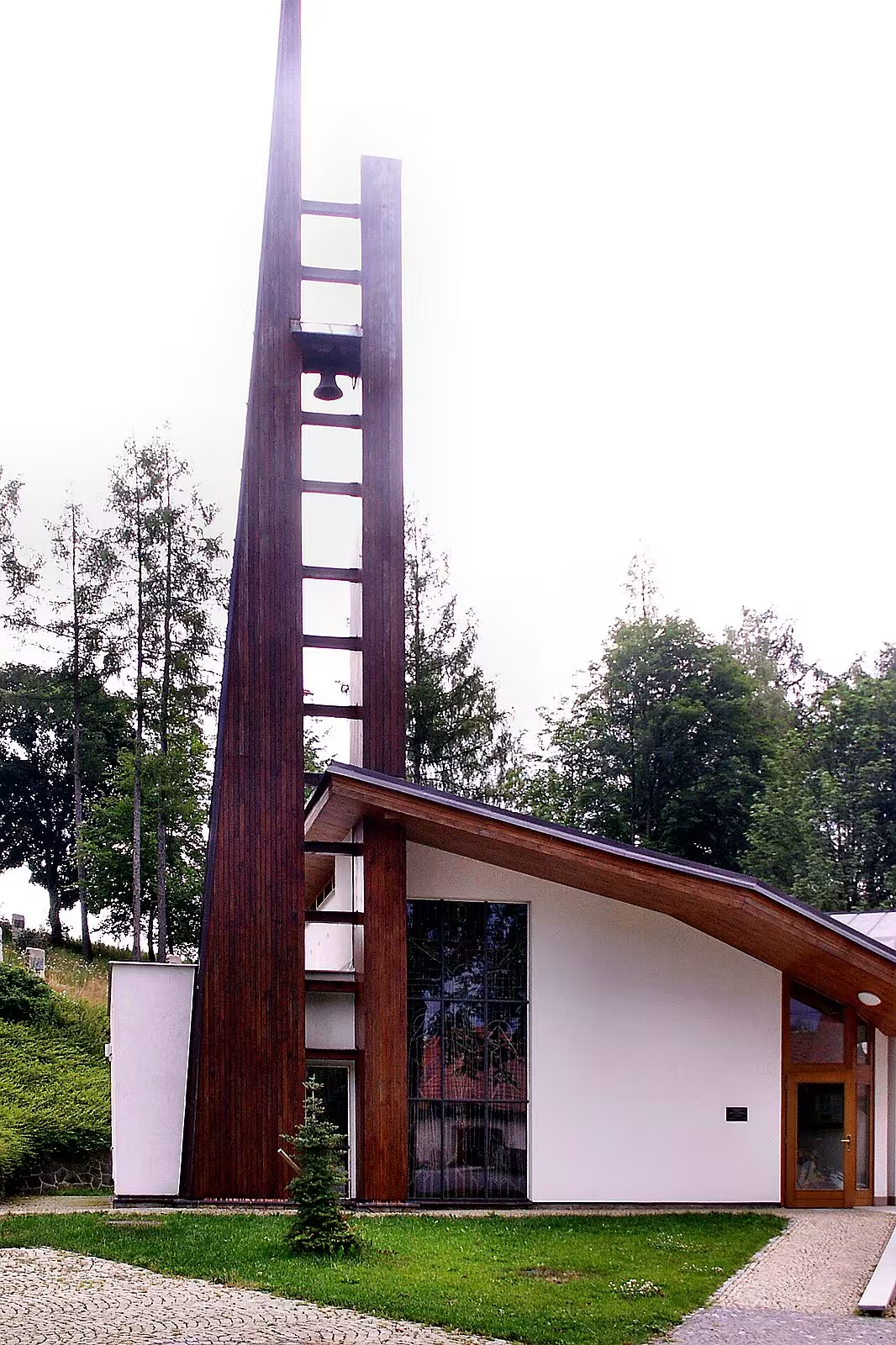
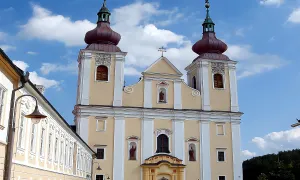
The Church of Divine Mercy and Saint Faustina in Slavkovice is a modern spiritual center that reflects Czech and Polish religious traditions. Located in the village of Slavkovice within the Žďár nad Sázavou district, this church was consecrated on March 30, 2008, by Bishop Vojtěch Cikrle. Its significance lies not only in its architectural uniqueness but also in its symbolic representation of divine mercy and intercultural spiritual connections.
Construction began in May 2005 under architect Ludvík Kolek's guidance. The project concluded with a consecration ceremony on March 30, 2008. This period marked an era of increased cultural and religious dialogue across Europe, reflected in the church's dedication to both Czech and Polish spiritual figures—namely, Saint Faustina Kowalska, a revered Polish nun known for her devotion to Divine Mercy.
Architecturally, the church embodies divine mercy through its design. Funded by donations from believers within the Czech Republic and abroad, it highlights widespread support for this spiritual endeavor. Approximately 10 million crowns were allocated for construction, with an additional three million spent on enhancing the surrounding pilgrimage area, including organs and a crossway. Artisan Pavel Tasovský played a crucial role in shaping the church's artistic elements. His work includes stone blocks adorned with forged reliefs that emphasize themes of divine grace. Additionally, he crafted a monstrance positioned atop the roof and a Marian symbol on the tower, enriching the church’s symbolic narrative.
Today, the Church of Divine Mercy and Saint Faustina is an accessible site for visitors interested in its spiritual and architectural significance. Its unique design and dedication to mercy make it a noteworthy destination within the Vysočina region. Visitors are invited to experience this modern monument, which serves as both a place of worship and a symbol of intercultural religious harmony.
Reflecting on its value, the Church offers more than architectural beauty; it provides insight into contemporary spiritual dialogues and cultural connections. It stands as an invitation to explore faith and mercy in a modern context, welcoming all who seek understanding and inspiration.
Historical milestones
- 2005
- Začátek stavby kostela Božího milosrdenství a svaté Faustiny.
- 2008
- Konsekrace kostela Božího milosrdenství a svaté Faustiny biskupem Vojtěchem Cikrlem.
Architectural development
The church's construction was funded by donations from believers both within the Czech Republic and abroad. The project cost approximately 10 million crowns for the building itself, with an additional three million spent on enhancing the pilgrimage area, including organs and a crossway. Artisan Pavel Tasovský designed the stone blocks with forged reliefs, as well as the monstrance atop the roof and the Marian symbol on the tower.
Historical events
Construction began in May 2005 and was completed with the consecration on March 30, 2008.
Guide
This guide is narrated by a synthetic voice generated by artificial intelligence.
Show guide text
This text was created by artificial intelligence and has not been editorially reviewed. It may contain inaccuracies.
In Slavkovice in the Žďár nad Sázavou district stands a pilgrimage church of Divine Mercy and Saint Faustyna. It was designed by architect Ludvík Kolek. Construction began in May 2005 and on March 30, 2008, the church was solemnly consecrated by Vojtěch Cikrle, bishop of Brno.
The appearance of the building expresses the symbolism of Divine Mercy. It blesses the faithful in the same way as water that flows from the roof into a stone basin in front of the entrance. The second patroness of the church is Polish nun Saint Faustyna Kowalska, who lived from 1905 to 1938.
The church was built from donations by believers from the Czech Republic and abroad. The construction itself cost approximately 10 million crowns. A further approximately three million crowns were required for the renovation of the pilgrimage site, the organ, and the Stations of the Cross.
The Stations of the Cross were created by artist blacksmith Pavel Tasovský. They consist of stone blocks into which forged reliefs are set. The same author also created the monstrance on top of the roof and the Marian symbol on the tower.
Tips for visitors
The best time to visit the Church of Divine Mercy and Saint Faustina in Slavkovice is during late spring or early autumn when the weather is mild, making it ideal for exploring both the church grounds and nearby attractions. Visiting on a weekday can also offer a more serene experience with fewer crowds, allowing you to fully appreciate the unique architecture and spiritual ambiance of this modern center. Additionally, these seasons often provide beautiful natural lighting that enhances photography opportunities within and around the church.
It's recommended to verify current routes and schedules through a transportation app or website to ensure smooth travel plans.
When planning your visit, consider bringing comfortable walking shoes as you may want to explore the church grounds thoroughly. A camera is also suggested for capturing the architectural beauty of the church, especially during golden hours in the morning or late afternoon when the light accentuates its modern design features. Additionally, a small backpack with water and snacks can enhance your visit, particularly if you plan on exploring nearby attractions.
For photography enthusiasts, the best spots to capture the essence of the Church of Divine Mercy are from the front entrance where the facade is most striking, or from the side gardens that offer unique perspectives. The lighting inside the church during services or at specific times can create dramatic effects, making it a worthwhile subject for interior shots. Exploring these angles will help you appreciate and document the architectural beauty of this spiritual center.
Within 30 minutes of Slavkovice, visitors can explore several nearby attractions that complement their visit to the Church of Divine Mercy. The Vysočina region is known for its picturesque landscapes and historical sites. While specific recommendations are not listed in the provided information, typically such areas offer opportunities for nature walks or visits to local museums. These activities provide a well-rounded experience for those interested in both spiritual and cultural exploration.
For families with children, visiting this church can be an enriching experience that combines spirituality with education about modern architecture and art. The serene environment is conducive to family discussions and reflection. While specific child-friendly facilities are not mentioned, bringing along some activities or games can help keep younger visitors engaged during the visit. Additionally, exploring nearby nature trails could offer a fun outdoor activity for families after visiting the church.
Frequently asked questions
Can the monument be visited?
Religious buildings are usually open mainly during services; at other times a visit is normally arranged with the parish or the operator. We have not verified specific times.
Where is the monument?
Location: Slavkovice, Kraj Vysočina. The map on this page shows the exact spot.
Businesses nearby
Do you run a restaurant, accommodation, shop, museum, rental, wellness or other visitor service near this monument? Show yourself directly to the people heading to it — this is how they will see you in the app and on the web:
Events nearby
Zdroj akcí: otevřená data měst a obcí ČR (Národní katalog otevřených dat) a kalendář akcí Národního památkového ústavu.
Accommodation nearby
Themed route
Tematická výletní trasa: Kostel Božího milosrdenství a svaté Faustyny
1. Kostel Božího milosrdenství a svaté Faustyny - Typ: Náboženská památka - Proč stojí za návštěvu: Tento kostel je nejen architektonickou perli obce Slavkovice, ale také důležitým centrem pro víru a poutníky. Jeho bohatá historie a významná spojitost s svatou Faustinou z něj činí nezbytnou destinaci pro každého, kdo cestuje do Kraj Vysočina.
2. Obecní úřad Slavkovice - Typ: Místní správa - Proč stojí za návštěvu: Navštívte obecní úřad, abyste se dozvěděli více o historii a kultuře Slavkovic. Zde můžete získat cenné informace o místních událostech a aktivitách, které vám pomohou lépe poznat obec.
3. Místní kostel - Typ: Náboženský objekt - Proč stojí za návštěvu: Tento kostel je dalším důležitým místem pro poznání náboženského života v obci. Jeho historická architektura a vnitřní výzdoba jsou přitažlivé pro každého, kdo se zajímá o dědictví regionu.
4. Zastavěná část obce Slavkovice - Typ: Místní památky a architektura - Proč stojí za návštěvu: Procházka po ulicích Slavkovic vám umožní ocenit místní architekturu a historické domy. Tato část obce nabízí pohled na životní prostředí, které se vyvinulo v průběhu staletí.
5. Park u kostela - Typ: Zelená zóna - Proč stojí za návštěvu: Odpočiňte si v klidné atmosféře parku u kostela, kde můžete užít přírodní krásy a míru. Tento prostor je ideální pro relaxaci po objevování historických památek.
Tato trasa nabízí komplexní pohled na kulturní a náboženské aspekty obce Slavkovice, což ji činí perfektní volbou pro každého cestovatele zájemce o regionální dědictví.
Seasonal recommendations
Spring: Visiting the Church of Divine Mercy and Saint Faustina during spring offers a unique experience with its lush greenery and blooming flowers surrounding Slavkovice, providing a serene backdrop that enhances the church's historical beauty. The soft light filtering through budding trees creates a tranquil atmosphere perfect for reflection. Visitors should take advantage of the moderate weather by wearing comfortable layers, as temperatures can fluctuate. Although crowds are generally lighter than in summer, it's still wise to arrive early to enjoy the peaceful ambiance without interruption.
Summer: Summer is an ideal time to explore the Church of Divine Mercy and Saint Faustina when Slavkovice comes alive with vibrant colors from local flora. The warm sunlight accentuates the architectural details of the church, making for excellent photography opportunities. However, this season also brings larger crowds, especially during peak tourist months. To avoid long waits, consider visiting early in the morning or later in the afternoon. Light and breathable clothing is recommended to stay comfortable while exploring.
Autumn: Autumn transforms Slavkovice into a picturesque landscape with its rich palette of reds, oranges, and yellows, offering a stunning contrast against the church's historic facade. The cooler temperatures make for pleasant walking conditions as visitors can comfortably explore without the summer heat. This season often sees fewer tourists than summer, allowing for a more intimate experience. Dressing in layers is advisable to accommodate changing weather, and carrying an umbrella might be wise due to occasional autumn showers.
Winter: Winter brings a quiet charm to the Church of Divine Mercy and Saint Faustina, with snow-covered surroundings creating a magical atmosphere that enhances its historical significance. The shorter days mean visiting hours are limited, so planning ahead is essential. Visitors should dress warmly in layers, including hats and gloves, to enjoy their time comfortably. While crowds are minimal during this season, the church may have restricted access or special opening times for maintenance or events, so checking in advance is recommended.
Visualizations and artistic views


The visualisations are generated by artificial intelligence and serve as inspiration.
Photos from the area
Real photos taken near the monument


Zdroj a licence jsou uvedeny u každého snímku.
Tips from visitors
No tips yet. Be the first!
Log in and add your tip.
Sources and literature
Photos: BíláVrána / CC BY-SA 4.0 — Wikimedia Commons. The author and licence also appear when you hover over the image.
Faktickým podkladem tohoto textu byl článek na Wikipedii, jehož autory jsou přispěvatelé Wikipedie. Článek je dostupný pod licencí CC BY-SA 4.0.
Location on the map


Příběhy a pověsti
Legendy, pověsti a příběhy spjaté s touto památkou
Příběh: Kostel Božího milosrdenství a svaté Faustyny
Bylo to v pondělí ráno, kdy Martin zjistil, že jeho srdce nesmírně váhá a mysl je plná tmy. Kostel Božího milosrdenství a svaté Faustiny stál před ním jako z…
Číst příběh
Pověst: Kostel Božího milosrdenství a svaté Faustyny
Traduje se, že místo, kde dnes stojí poutní chrám ve Slavkovicích, nebylo vybráno náhodou. Staří obyvatelé z okolních vsí vyprávějí, že ještě před tím, než b…
Číst příběhFotografie návštěvníků
Zatím žádné fotografie. Buďte první, kdo přidá fotografii z návštěvy!
Log in a přidejte svou fotografii nebo hodnoťte.
Za ověřenou návštěvu v aplikaci získáte víc bodů — poznáme podle GPS, že jste na místě.
Reviews and comments