



Kostel Božího Spasitele Church
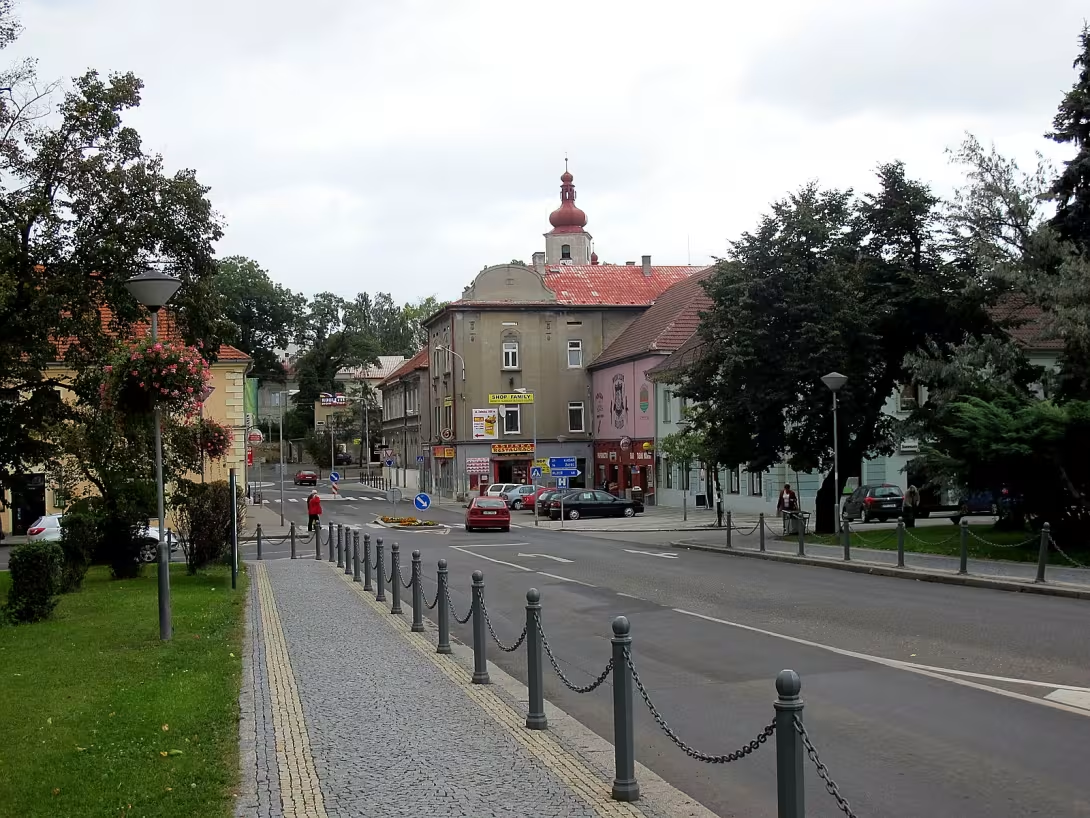
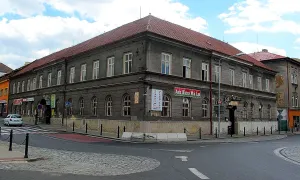
The Church of the Saviour in Podbořany is a significant cultural monument located in the town within Ústecký kraj. Constructed between 1901 and 1902, this Romanesque-style church was originally built for German Lutherans. Its historical significance is highlighted by its transition to Husův sbor Podbořany management after World War II, marking it as a cultural heritage site in the Czech Republic.
The origins of the Church of the Saviour are deeply rooted in early 20th-century religious and social changes in Bohemia. Initially serving German Lutherans, construction began on May 13, 1901, with consecration on November 9, 1902. This period saw a rise in Protestant adherents in Podbořany due to demographic shifts and the arrival of several evangelical families from Germany. The church's establishment was part of broader European religious movements reflecting nationalistic and confessional dynamics.
Architecturally, the Church of the Saviour embodies Romanesque elements, aligning with its Lutheran origins. Over time, it has undergone renovations to meet changing needs. Notably, in the mid-1950s, German inscriptions were replaced by Czech ones, reflecting post-World War II socio-political changes.
Ownership and administration have seen significant transitions. Initially managed by German Lutherans until 1945, it was taken under Církev československá husitská on April 3, 1951. The church has also been used occasionally by Českobratrská církev evangelická, particularly before acquiring their own building in 1968.
Several key events have marked the history of this monument. After World War II, it transitioned to Církev československá husitská use, reflecting broader regional demographic and political changes. Various renovations were undertaken over the decades, including steeple gutter repairs in 1956, a new bell installation from Kadaň in 1959, and roof replacement completed by 1960.
Today, the Church of the Saviour stands as an accessible cultural heritage site offering insights into the region's religious history and architectural evolution. Its significance lies not only in its historical role but also in its continued use for ecumenical services, reflecting a legacy of religious diversity and adaptation. Visitors to Podbořany are encouraged to explore this monument, which serves as a testament to the town’s rich cultural tapestry and enduring spiritual heritage.
Then and now
Drag the slider to compare how the landmark may have looked when it was built with the view today.
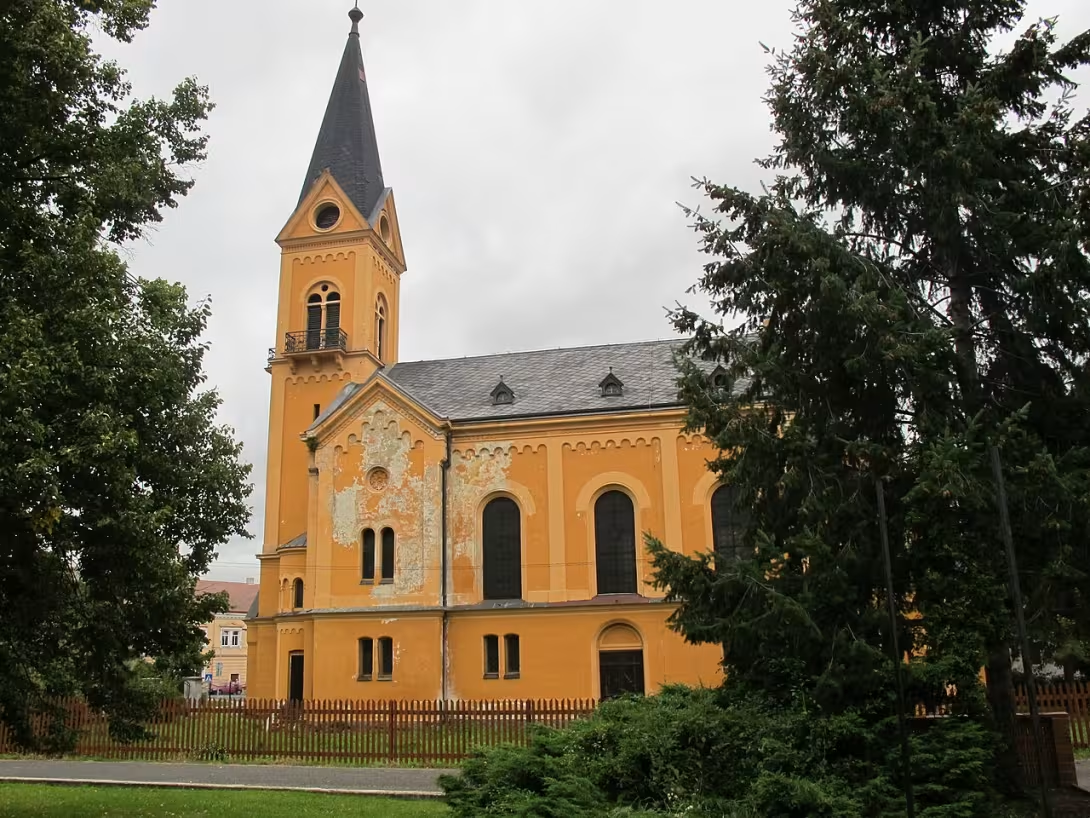

The historical appearance on the left is an AI-generated visualisation and serves as inspiration only.
Historical milestones
- 1901
- Construction of the Church of the Saviour began.
- 1902
- The church was consecrated on November 9th.
Architectural development
The Church of the Saviour was built between May 1901 and November 1902. It features Romanesque architectural elements, reflecting its origins as a church for German Lutherans. Over time, it underwent various renovations, including changes to interior inscriptions from German to Czech in the mid-1950s.
Historical events
The church was completed and consecrated on November 9, 1902.
In the early 20th century, there was a significant increase in the number of Protestant adherents in Podbořany.
After World War II, the church transitioned to being used by Církev československá husitská.
Owners
Initially owned by German Lutherans until 1945, after which it was managed by Církev československá husitská starting from April 3, 1951. The church has also been used occasionally by Českobratrská církev evangelická.
Points of interest
- The Church of the Saviour was consecrated on November 9, 1902, a date that coincides with the Feast of St. Martin, which is significant in Christian tradition as it marks the beginning of the Advent season.
- Despite its Romanesque architectural style, the church's interior underwent a notable transformation when German inscriptions were replaced by Czech ones in the mid-1950s, symbolizing the post-war shift towards national identity and cultural reclamation in Podbořany.
- The bell installed in 1959 was sourced from Kadaň, reflecting the practice of sharing resources among churches during that period, which often involved transferring bells between communities to enhance their auditory reach or replace damaged ones.
- Before acquiring its own building in 1968, Českobratrská církev evangelická utilized the Church of the Saviour for services, illustrating a temporary yet significant ecumenical collaboration that highlights the church's role as a multi-denominational space during times of transition and need.
- The steeple gutter repairs in 1956 were part of broader renovations aimed at preserving the structural integrity of the building, showcasing how even seemingly minor architectural elements are crucial for maintaining the historical and aesthetic value of heritage sites.
Guide
This guide is narrated by a synthetic voice generated by artificial intelligence.
Show guide text
This text was created by artificial intelligence and has not been editorially reviewed. It may contain inaccuracies.
The Church of the Divine Saviour in Podbořany is a neo-Romanesque building from 1902. It was built by German Lutherans and today it is maintained by the Hus congregation in Podbořany. The church is a cultural monument.
Protestantism in Podbořany completely disappeared after the Battle of White Mountain in 1620. As late as 1864, only 11 people in the entire judicial district of Podbořany professed it. Change came after the adoption of a democratic constitution in the 1860s, when several entrepreneurial families of evangelical faith came here from Germany. The Martin family held a leading position among them, the founders of the porcelain factory in Hlubany. In the 1870s, the newcomers joined their fellow believers in Žatec and established a preaching station. In 1889, it became an evangelical daughter parish.
The evangelical Protestants in Podbořany later separated from Žatec and established their own preaching station. The first modern church services were held on May 7, 1899 in the drawing room of the civic school. However, the space soon became insufficient. In February 1900, therefore, the German evangelical society for church construction was established. Later that same year, they purchased the land. Construction began in May 1901 and the foundation stone was laid ceremonially on June 6. The church was consecrated on November 9, 1902.
The new church was apparently connected with a sharp increase in the number of evangelicals. In the political district of Podbořany, there were 126 of them at the 1900 census, and over 580 by 1910. From 1904, the vicar Walter Reinhard worked here, and Ernst Piesch from Chomutov was the pastor.
The German Lutherans used the church until 1945. After the war and the forced expulsion of the German population, it began to be used by the Czechoslovak Hussite Church, and on April 3, 1951, it came under its administration. Services were also held here by the Czechoslovak Church of Brethren, until 1968, when they purchased their own chapel. Even afterwards, they occasionally came here and joint ecumenical services were held.
From the mid-1950s, repairs began. First, German inscriptions in the interior were replaced with Czech ones. During the war, the church lost its bells. A new bell, brought from Kadaň, was placed in the tower in May 1959. A year later, the replacement of the roof covering was completed.
Tips for visitors
The best time to visit the Church of the Saviour in Podbořany is during late spring or early autumn, when the weather is mild and pleasant for exploring both the church and its surroundings. These seasons offer comfortable temperatures and fewer tourists, allowing you to enjoy the historical architecture without crowds. Additionally, the natural landscape around Podbořany is particularly beautiful during these times, with vibrant foliage in the fall and blooming flowers in the spring.
Alternatively, public transportation is accessible; buses connect Podbořany with nearby towns and cities.
When visiting the Church of the Saviour, it’s a good idea to bring comfortable walking shoes as you might want to explore the surrounding area of Podbořany. A camera is recommended for capturing the architectural details and serene landscapes. Given that specific photography spots are not detailed, exploring various angles around the church can provide unique perspectives. Early morning or late afternoon light tends to be ideal for photographing historical buildings due to softer shadows.
For families with children visiting the Church of the Saviour, Podbořany offers a family-friendly environment. While there may not be specific attractions within walking distance from the church, the town itself has parks and open spaces where children can play. Exploring these areas can make for a pleasant day out. Additionally, considering the historical significance of the church, it could serve as an educational experience for older children interested in architecture or history.
In terms of nearby attractions within 30 minutes from Podbořany, while specific monuments are not detailed, the surrounding landscape offers typical Central European scenery that can be appreciated through a leisurely drive or walk. The area’s natural beauty provides opportunities for outdoor activities such as hiking or picnicking in scenic spots.
Frequently asked questions
Can the monument be visited?
Religious buildings are usually open mainly during services; at other times a visit is normally arranged with the parish or the operator. We have not verified specific times.
Where is the monument?
Location: Podbořany, Ústecký kraj. The map on this page shows the exact spot.
Why is the monument protected?
It is listed in the Central List of Cultural Monuments of the Czech Republic as a cultural monument (register no. 101313).
Businesses nearby
Do you run a restaurant, accommodation, shop, museum, rental, wellness or other visitor service near this monument? Show yourself directly to the people heading to it — this is how they will see you in the app and on the web:
Events nearby
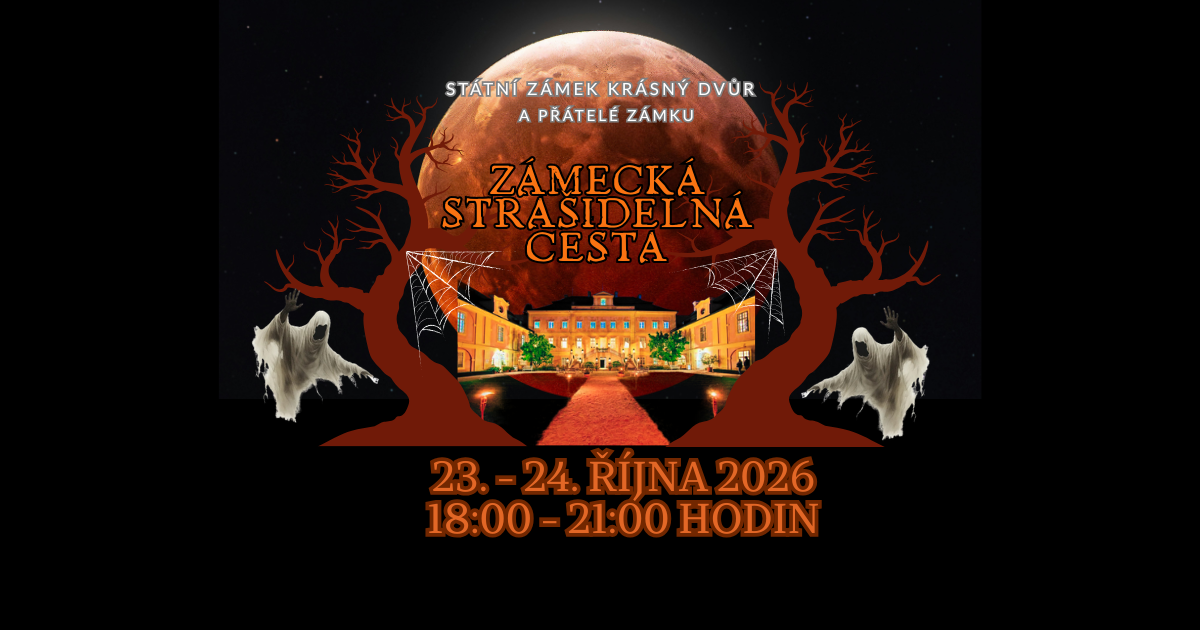
Zdroj akcí: otevřená data měst a obcí ČR (Národní katalog otevřených dat) a kalendář akcí Národního památkového ústavu.
Nearby
Podbořany is a town in Ústecký kraj with historical and cultural significance. The surrounding landscape includes typical Central European features, though specific nearby monuments or natural attractions are not detailed.
Accommodation nearby
Themed route
Tematická výletní trasa: Kostel Božího Spasitele a okolí Podbořan
1. Kostel Božího Spasitele
Typ: Historická památka
Proč stojí za návštěvu: Tento kostel je centrem historie a kultury obce Podbořany, nabízející pohled na architektonické prvky z různých ér. Je to ideální místo pro ty, kdo chtějí pochopit místní duchovní tradice a historii.
2. Nádvoří kostela
Typ: Historický areál
Proč stojí za návštěvu: Nádvoří poskytuje klidnou atmosféru k prozkoumání, s možností si užít panoramatického pohledu na obec. Je to místo, kde můžete relaxovat a absorbovat historický kontext kostela.
3. Věž kostela
Typ: Architektonická výšina
Proč stojí za návštěvu: Vystoupením na věž můžete užít impozantního pohledu na obec Podbořany a okolní krajinu. Tato zkušenost nabízí jedinečný pohled, který je často přístupný pouze návštěvníkům kostela.
4. Expozice v kostele
Typ: Kulturní prostor
Proč stojí za návštěvu: Expozice poskytuje vhled do historie a umění spojeného s kostelem, nabízející exponáty, které osvětlují místní tradice a duchovní život. Je to ideální místo pro ty, kdo mají zájem o hlubší pochopení kulturního významu kostela.
5. Park u kostela
Typ: Zelený prostor
Proč stojí za návštěvu: Park nabízí klidnou přestávku pro relaxaci a prohlídku, s možností se ponořit do mírného zeleného prostředí. Je to ideální místo pro krátký procházku nebo jen pro odpočinek v příjemné atmosféře.
Tato trasa nabízí komplexní pohled na Kostel Božího Spasitele a jeho bezprostřední okolí, což umožňuje návštěvníkům plně se ponořit do historie a kultury obce Podbořany.
Seasonal recommendations
Spring: Visiting the Church of Our Saviour during spring offers a unique experience as nature begins to awaken, enveloping the church with vibrant greens and delicate blossoms. The soft, diffused light filtering through budding trees creates an ethereal atmosphere, enhancing the historical architecture's charm. Spring is typically less crowded than summer, making it ideal for those seeking tranquility while exploring Podbořany’s heritage. Visitors should dress in layers to accommodate fluctuating temperatures and consider bringing a light jacket for cooler mornings or evenings.
Summer: The Church of Our Saviour shines under the bright summer sun, with its surroundings lush and vibrant from recent rains. This season is perfect for enjoying outdoor activities before or after your visit, such as picnicking in nearby parks. Summer attracts more visitors, so plan to arrive early to avoid larger crowds. Comfortable walking shoes and light clothing are advisable due to warmer temperatures, and don't forget sunscreen and a hat for protection against the sun.
Autumn: Autumn transforms the Church of Our Saviour into a picturesque scene with warm hues of red, orange, and gold adorning the landscape around Podbořany. The crisp air adds an invigorating touch to your visit, making it ideal for photography enthusiasts who wish to capture the church's beauty amidst fall foliage. While crowds are generally smaller than in summer, weekends can still be busy. Layered clothing is recommended to adapt to cooler temperatures and occasional rain showers.
Winter: Winter cloaks the Church of Our Saviour with a serene blanket of snow, offering a magical and quiet atmosphere distinct from other seasons. The church's architecture stands out starkly against the white backdrop, providing a breathtaking view for visitors. Visitors should dress warmly in insulated clothing, wear waterproof boots, and be prepared for limited access to some outdoor areas due to snow or ice.
Visualizations and artistic views


The visualisations are generated by artificial intelligence and serve as inspiration.
Photos from the area
Real photos taken near the monument


Zdroj a licence jsou uvedeny u každého snímku.
Tips from visitors
No tips yet. Be the first!
Log in and add your tip.
Sources and literature
Photos: Gortyna / CC BY-SA 3.0 — Wikimedia Commons. The author and licence also appear when you hover over the image.
Faktickým podkladem tohoto textu byl článek na Wikipedii, jehož autory jsou přispěvatelé Wikipedie. Článek je dostupný pod licencí CC BY-SA 4.0.
Location on the map


Příběhy a pověsti
Legendy, pověsti a příběhy spjaté s touto památkou
Fotografie návštěvníků
Zatím žádné fotografie. Buďte první, kdo přidá fotografii z návštěvy!
Log in a přidejte svou fotografii nebo hodnoťte.
Za ověřenou návštěvu v aplikaci získáte víc bodů — poznáme podle GPS, že jste na místě.
Reviews and comments