






Kostel Jména Panny Marie (Velečín) Church
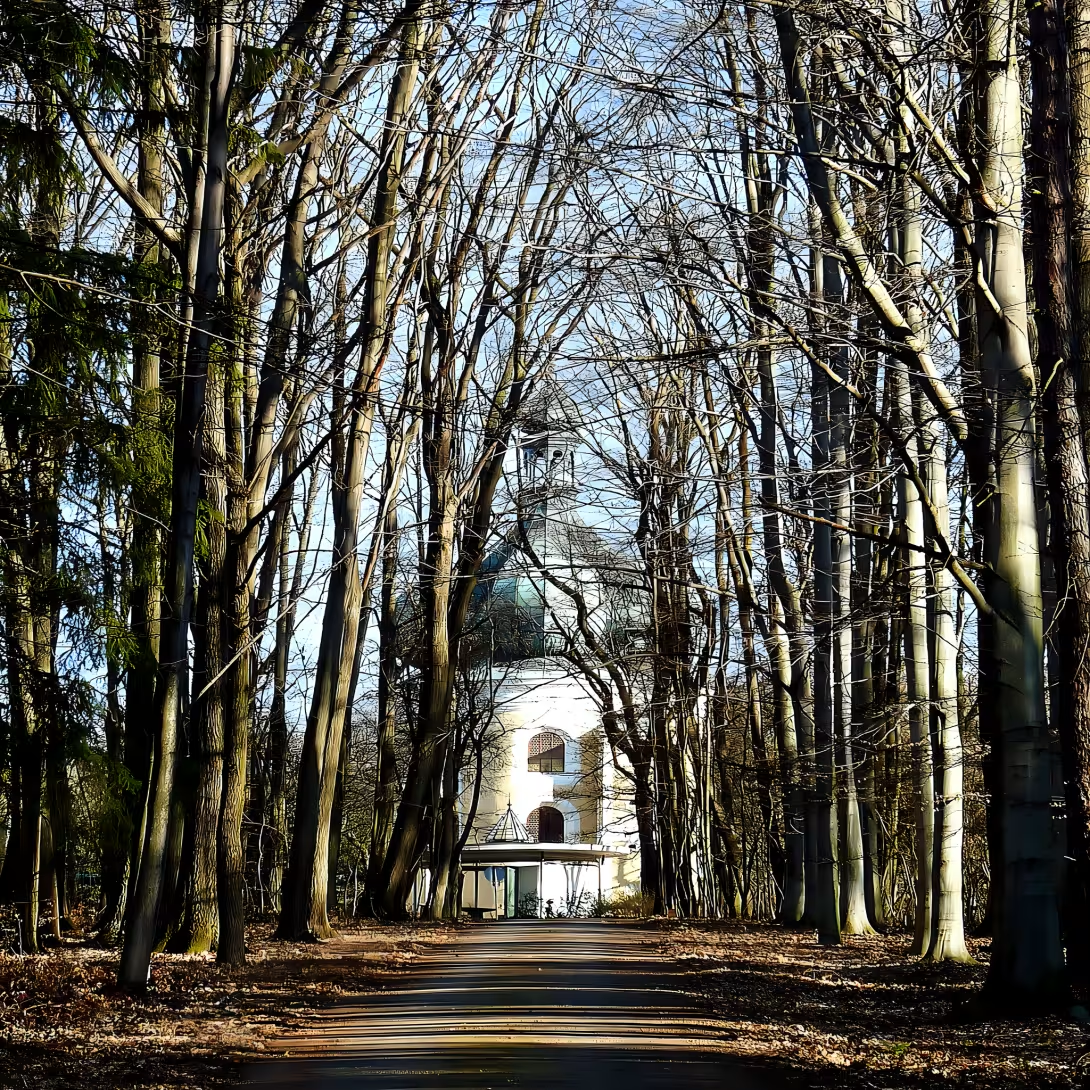
Objekt se nedochoval — na místě dnes nestojí. Následující text popisuje jeho historii, ne současnou návštěvu.
The Church Name of the Virgin Mary in Velečín is a historical monument that once stood as a single-boat church with a prominent tower on its front. Located in the village Velečín in the northern Pilsen region, this neo-Gothic building was built between 1868 and 1869. She played an important role in the local community until her demolition in the early 1970s, leaving only the tower intact. Today it serves as a reminder of the architectural trends and historical shifts that shaped this region.
The origin of the church dates back to the end of the 19th century when the Czechs were part of the Austrian-Hungarian empire. During this period, Gothic architectural styles have recovered throughout Europe, affecting many new buildings in the region. The Church Name of the Virgin Mary reflected these neogotic trends and was built between 1868 and 1869 with contributions from the local community and gifts from Wenzel and Rosalie Tauber.
The church performed in architecture with a single-boat structure and front tower, characteristic of neo-Gothic style. This design reflected wider architectural movements that sought to revive medieval Gothic elements with modern interpretations. Although specific details on construction materials are not documented, they were typical of the period.
Owning and managing the church has changed significantly in its history. Initially supported by local benefactors such as Wenzel and Rosalie Tauber, after World War II, it collapsed to drive the Germans out of the region. In 1971, with the exception of its tower, the church was demolished to make way for new development. The remaining tower later became part of the building used first as a club house for the Socialist Youth Union and subsequently as a seat of the local National Car.
Key events in the history of the church include completion of the construction in 1869, followed by demolition in the early 1970s. The tower survived this period of change and was incorporated into a new structure that served at different common times. In 1972 a club house was added to the remaining tower, which marked the next stage in its transformation.
Today, the place where the Church of the Name of the Virgin Mary once stood is home to a giant constitution (municipal office). While the original church no longer exists, the historical significance of the place remains. Visitors can appreciate the link of neo-gothic architecture and think about the social and political changes that led to its transformation.
The Church Name of the Virgin Mary in Velečín offers a unique view of the architectural and historical development of rural Bohemia. His story is one of cultural revival, community involvement and adaptation to changing times. For people interested in history and architecture, a visit to this site provides an opportunity to explore these topics in the context of the rich heritage of the northern Pilsen region.
Then and now
Drag the slider to compare how the landmark may have looked when it was built with the view today.
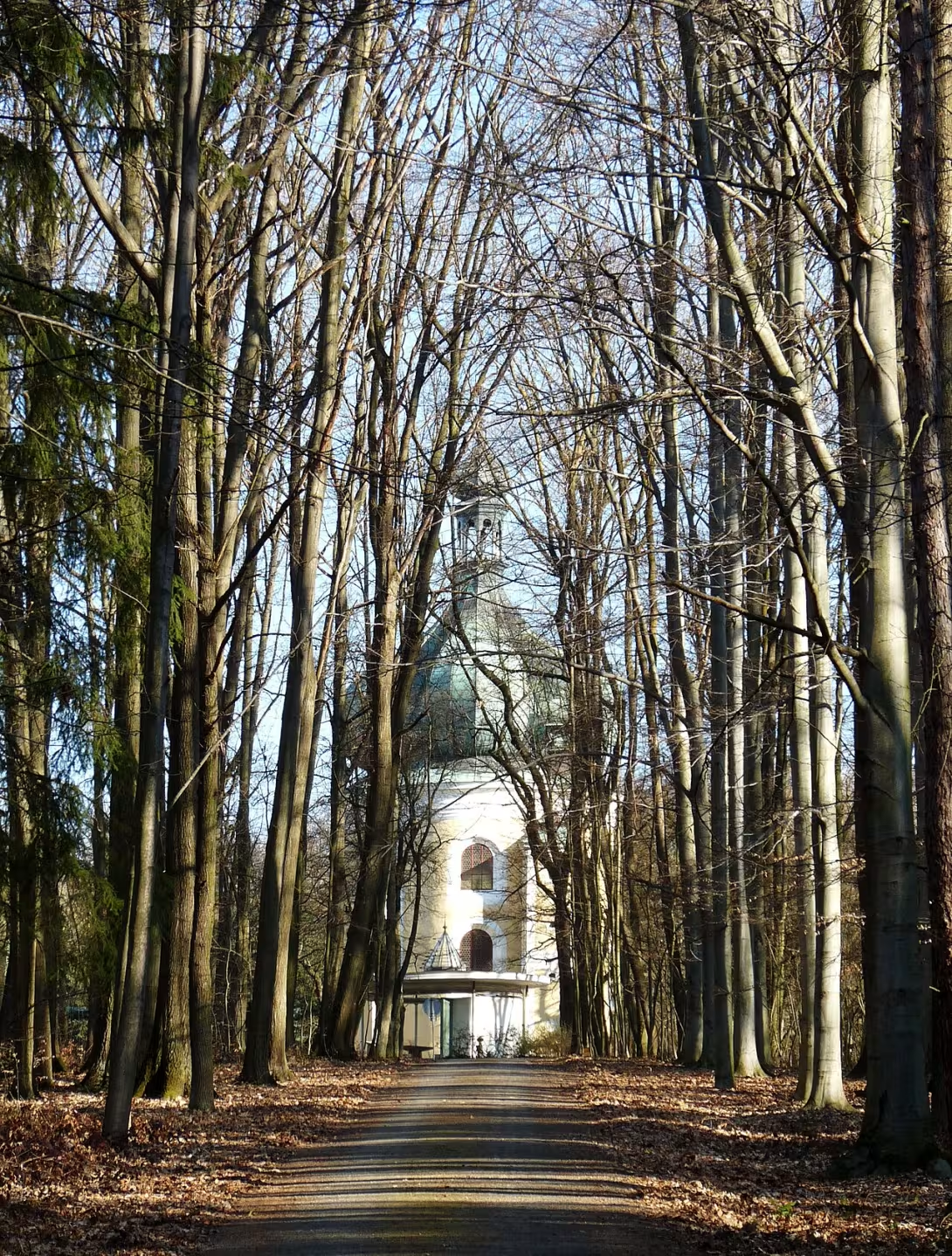
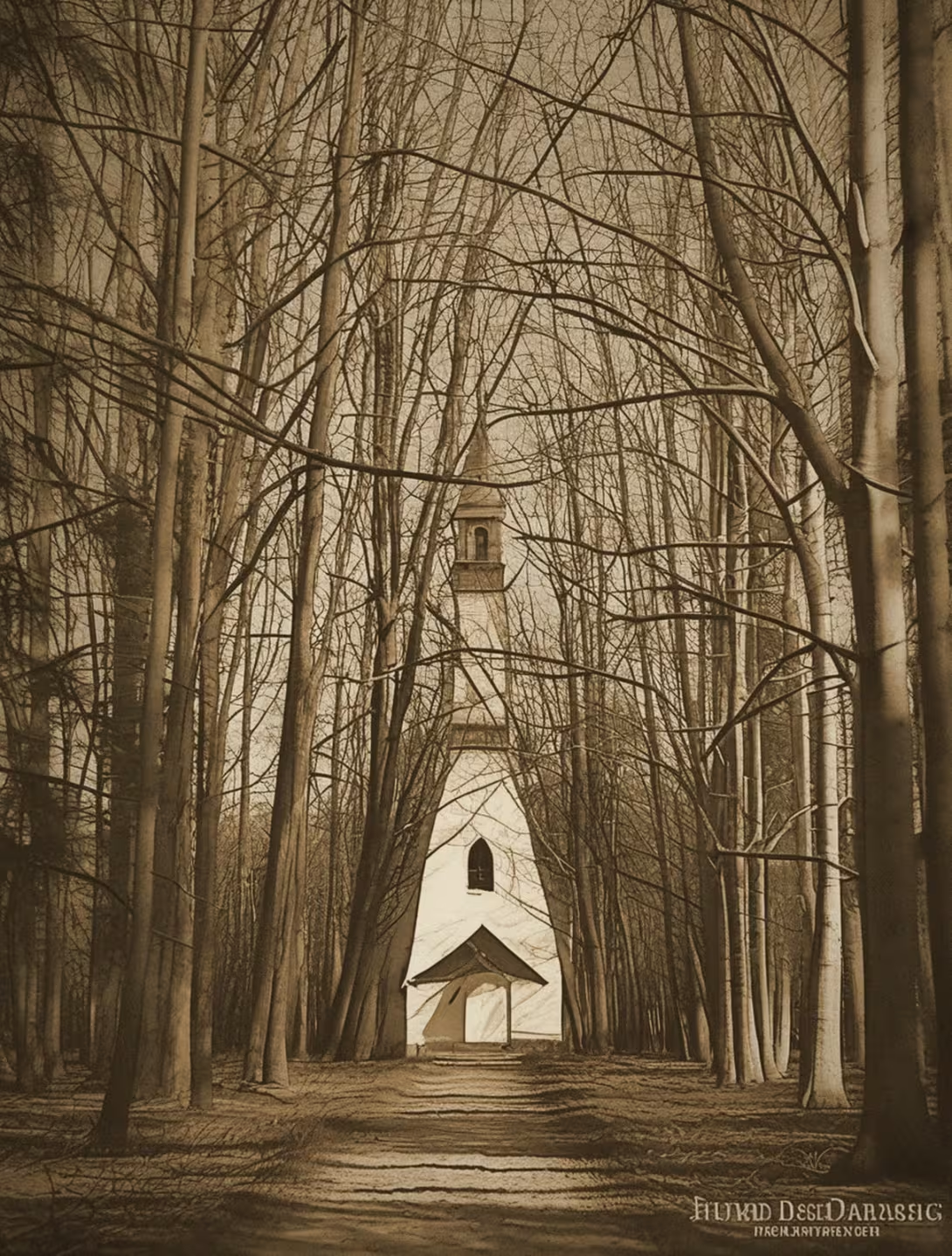
The historical appearance on the left is an AI-generated visualisation and serves as inspiration only.
Historical milestones
- 1868
- The construction of the church name of the Virgin Mary began.
- 1972
- A club house was added to the remaining tower.
Architectural development
the church was originally built in neo-Gothic style in the late 19th century. After World War II and the expulsion of the Germans from the region, he fell into disuse and eventually deteriorated. In 1971, apart from its tower, the church was demolished to make way for a new building.
Historical events
1868-1869: Construction of the church name of the Virgin Mary completed.
In the early 1970s, the church was demolished, except for its tower.
Points of interest
- The Church Name of the Virgin Mary was built at a time when the Czechs were part of the Austrian-Hungarian empire, reflecting wider European trends in architectural revalalism.
- Despite its demolition in the 1970s, the tower church became an integral part of the club house of the Socialist Union, which illustrates how historical structures can be reoriented to meet current needs.
- The contributions of Wenzel and Rosalie Tauber highlight the role of local benefactors in the construction of religious buildings during the 19th century and emphasise the involvement of the community in architectural projects.
- After World War II, the church fell into disuse to banish the Germans from the area and showed how political changes can dramatically affect local monuments and their functions.
- Today this site serves as a municipal office, which denotes a significant transformation from its origin as a place of worship to a civil administration centre.
Guide
This guide is narrated by a synthetic voice generated by artificial intelligence.
Show guide text
This text was created by artificial intelligence and has not been editorially reviewed. It may contain inaccuracies.
Welcome to the historical site of the church name of the Virgin Mary in Velečín. As you stand here, take a moment to absorb the quiet environment around you. What health your eyes are is a lonely tower that once formed part of this neo-Gothic architectural jewel. This solitary structure stands as proof of both the past and the present and calls you to explore its story.
Let's dive into the origins of this remarkable place. The construction of the church began in 1868, when the Czechs were under the Austrian-Hungarian empire. This period was characterised by architectural revalalism, which overflowed Europe and brought with it styles from different periods. This church, designed in neo-gothic style, mirrored these broader trends and served as a spiritual and communal center for the inhabitants of Velečína.
The architecture itself is fascinating to observe. Although much of the original building was lost, the tower that remains offers a view into its former grandeur. Notice how proud he stands against heaven, his design reflects complex craftsmanship in the late 19th century. The neogotic style can be seen in pointed arches and decorative details that still decorate this permanent design.
This site is also intertwined with interesting stories and remarkable figures from history. Wenzel Tauber and Rosalie Tauber are among those associated with their past and contribute to the rich tapestry of stories associated with this place. Their involvement adds to the history of the church a personal dimension that reminds us of the human element behind these architectural achievements.
An interesting twist in the story comes from the conversion of the tower in time. After the church was demolished in the early 1970s, the tower not only stood forgotten; found new life as part of a club house for the Socialist Youth Union (Youth Union). This regulation highlights how structures can develop and continue to serve communities, even if their original purpose weakens.
At the end of our journey here, I urge you to think about what you have learned. Do not hesitate to explore further around this site, imagine the church as it once was and given its impact in time. Thank you for joining me in revealing layers of history in the Church of the Virgin Mary. Safe travels on your way through Velečín's past!
Businesses nearby
Do you run a restaurant, accommodation, shop, museum, rental, wellness or other visitor service near this monument? Show yourself directly to the people heading to it — this is how they will see you in the app and on the web:
Nearby
the church is located in Velečín, a village in the northern Pilsen region. The surrounding area is typical of rural Bohemia with its natural landscape and historical architecture.
Visualizations and artistic views


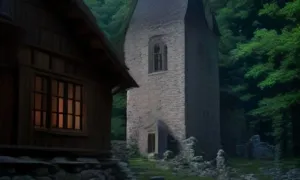
The visualisations are generated by artificial intelligence and serve as inspiration.
Atmosphere of the place
This atmospheric visualisation of the place and period was generated by artificial intelligence. It is not real footage of the location.
Tips from visitors
No tips yet. Be the first!
Log in and add your tip.
Sources and literature
Faktickým podkladem tohoto textu byl článek na Wikipedii, jehož autory jsou přispěvatelé Wikipedie. Článek je dostupný pod licencí CC BY-SA 4.0.
Location on the map
More monuments – Velečín
Show all in the municipality

Příběhy a pověsti
Legendy, pověsti a příběhy spjaté s touto památkou
Fotografie návštěvníků
Zatím žádné fotografie. Buďte první, kdo přidá fotografii z návštěvy!
Log in a přidejte svou fotografii nebo hodnoťte.
Za ověřenou návštěvu v aplikaci získáte víc bodů — poznáme podle GPS, že jste na místě.
Reviews and comments